

Constellation Brands is expected to be the biggest winner in shelf resets this spring, according to the most recent Beverage Bytes beer distributor survey by Goldman Sachs.
About 90% of the more than 60 distributors surveyed expect Constellation to gain incremental shelf and/or cooler space this spring. Molson Coors is expected to be the second biggest winner, with 86% of respondents expecting its brands to gain incremental space.
Survey respondents represent approximately 170,000 retail outlets, roughly 30% of the total U.S. outlets selling beverage-alcohol.
Distributors are also “increasingly bullish about the strength of STZ’s [Constellation’s] beer shipments,” with the percentage of respondents indicating strong Q4 shipments from the company increasing to 46%, from 34% in December and 42% in January.
Goldman Sachs is “incrementally more positive” about Constellation due to “the long runway of growth ahead for Modelo [Especial] given strong underlying consumer demand, favorable demographic trends, strong and clear brand positioning” and Constellation’s “focused approach,” Goldman Sachs analyst Bonnie Herzog wrote.
Constellation’s innovation brands – including several Modelo extensions, such as Modelo Oro and Modelo Chelada – are also “expected to drive up to 40% of STZ’s volume growth over the next five years,” which is an increase from the historical trend of around 30%.
Constellation released its Q4 and full-year 2024 earnings results earlier today, and reported a +9% increase in net beer sales for the year, with beer shipments (sales to wholesalers) increasing +7.4% and depletions (sales to retailers) growing +7.5%. The company’s fourth quarter recorded double-digit beer shipments (+10.5%) and net sales (+11%) gains, and a +8.9% increase in depletions.
Look for further Brewbound coverage of the conference call Constellation held with investors and analysts earlier today.
Mixed Predictions for Beer’s Summer Performance
Overall beer and flavored malt beverage (FMB) trends early into the spring selling season are so far in-line with 2023 trends, according to a majority of distributors (57%). Only 8% said trends were much stronger than this time in 2023.
Herzog noted that “a clearer read won’t be available until May,” but with the information gathered so far, Constellation and Molson Coors are already gaining space and optimism with distributors.
Additionally, Anheuser-Busch InBev (A-B) is “doing a better job than many expected” in terms of shelf space declines, due mainly to gains by Michelob Ultra and Busch Light, and to a stronger presence than anticipated in major grocery and convenience store chains. One respondent said A-B’s ability to “hold onto the space it has fought hard to keep this spring” will depend on if the brand can improve volume trends in Q2.
Another respondent said that “retail chains have yet to fully come to terms with share shifts” between A-B and Molson Coors, and “are proving reluctant to take space from ABI legacy brands, and are instead leaning toward taking space from craft beer and hard seltzers.”
Other individual distributor observations from the quarter include:
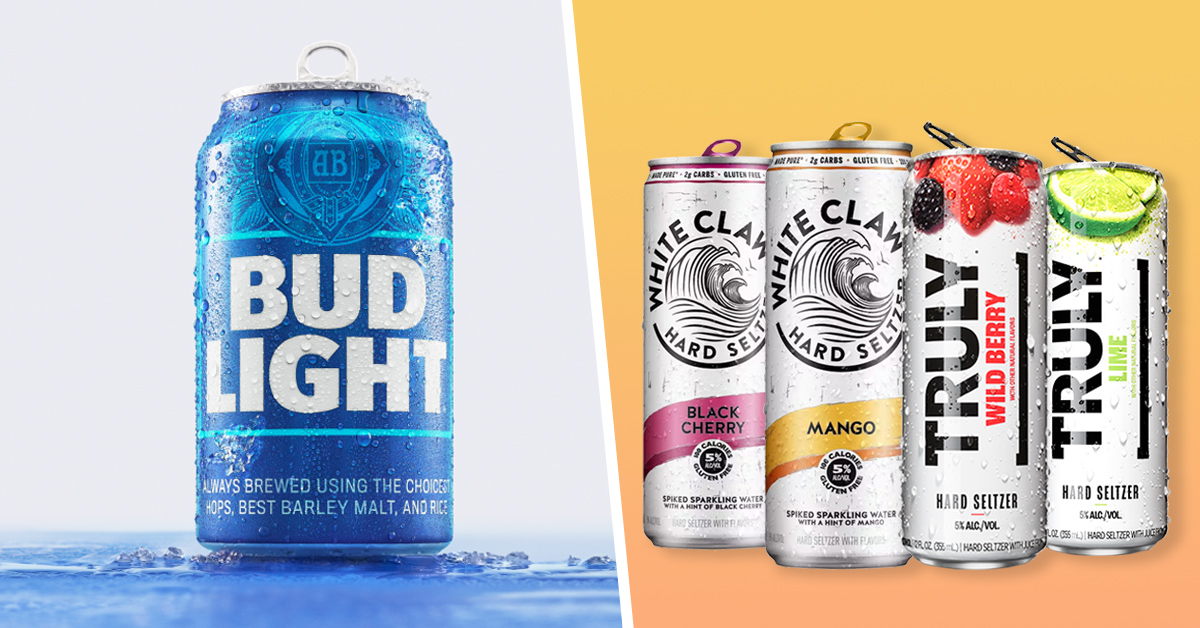
- Mark Anthony Brands’ White Claw took away some shelf/cooler space during spring resets from Boston Beer Company’s Truly Hard Seltzer.
- One distributor also noted that Boston Beer “took a significant hit on space at Walmart this spring” due to “not abiding by new store guidelines.” While they did not specify what guidelines, Walmart’s unique UPC mandates for seasonals and variety packs went into effect earlier this year.
- Ready-to-drink canned cocktails (RTDs) are expected to gain more shelf space, particularly at chain retailers. However, some distributors expect a “rationalization of SKUs” which could “dampen” overall growth and share gains;
- And c-stores have “allocated more space to energy drinks, hydration drinks and fortified waters.
Looking ahead, 46% of surveyed distributors expect the summer selling season to be stronger than summer 2023. About one-quarter (26%) expect trends to be weaker.
“Distributors are split on what summer will bring,” Herzog wrote. “While some expect softness to continue as the category anniversaries the Bud Light issue (April will be a tough comp), others are hopeful the trend improvements they are already seeing will continue.”
An unreported percentage of distributors also shared concerns around continuing “challenging financial conditions” due to “inflation and weak population growth.” One distributor noted that A-B “took pricing and overshipped” earlier this year due to an impending strike, which was later averted. Another noted that Molson Coors “took pricing, but rolled back on some packages to below 2023 levels.”
“[The] elephant in the room is about regaining momentum following sales losses in 2023 as the [beer] category adjusted following strong at-home consumption post-COVID in 2021-22,” Herzog wrote. “So far, March sales are looking stronger for some distributors, which is encouraging.”
The majority of respondents (67%) said they do not expect retailers to change the amount of shelf and/or cooler space given to beer this spring, but “many distributors anticipate space to shift among brewers/brands.”
Even with A-B’s aforementioned unexpected gains, the company is still expected to be “the biggest space donor,” according to Herzog. More than two-thirds of respondents (67%) said Bud Light trends are expected to stay the same or get worse this spring, although that is down from 89% in Goldman Sachs’ September survey.
More than one-third of respondents said they were “not surprised” by Bud Light’s gains (or lack thereof) so far, “as ABI’s recovery will be more a marathon than a sprint, with new marketing efforts taking time to develop and take hold.”
About three-quarters of respondents (76%) are “slightly more optimistic” that A-B will regain at least one point of market share this year, with 36% expecting the company to do so over the summer. Nearly one-quarter of distributors “don’t expect Bud Light to recover any share lost” from last year’s conservative-led boycott of the brand. However, 10% disagree and believe the brand could recover its lost market share at some point in 2025.
“Improvements have been modest, but suggest a path toward stabilization,” Herzog added.
Nearly half of respondents (48%) expect Boston Beer to be allocated less space in resets. Heineken’s space is expected to be the same (according to 50% of respondents) or less (according to 43% of respondents). One distributor noted that Heineken “missed opportunities this year to re-energize and drive momentum behind its brands, especially Dos Equis.”
By segment, RTDs are expected to be the biggest winners, while hard seltzer and craft are expected to lose the most space.

Inventory Levels Above 2023 Levels
The majority of respondents (63%) said that inventory levels across total beer are above 2023 levels. Distributors noted that levels are the highest for Constellation and Molson Coors, with higher levels year-over-year (YoY) from A-B as well. One-third (34%) of respondents noted higher inventory levels for Boston Beer and Heineken.
A-B’s higher inventory is mainly credited to the aforementioned strike threat from Teamsters that played out in February. As such, inventory levels are expected to “eventually normalize,” according to Herzog.
Some of Molson Coors’ inventory increases are also due to organized labor efforts, with the ongoing strike at Molson Coors’ brewery in Fort Worth, Texas, as union workers call for pay raises and the end of a tiered system for health care and retirement benefits.
Increases in Constellation’s inventory levels are a conscious effort by distributors to “prevent out of stocks given strong demand,” Herzog wrote. One distributor also noted that Constellation shipments are “coming in on a more regular basis to help manage that demand.”