Despite estimated production volume declines of 4%, craft brewers are feeling confident halfway through 2026, according to the Brewers Association’s (BA) mid-year report.
More than half (55.45%) of Brewers Association (BA) defined regional craft breweries beyond the top 50 recorded production volume declines in 2025, but there are still signs of improvement compared to 2024, according to annual data shared last week by the trade group.
The top 50 Brewers Association-defined craft breweries once again posted results as diverse as their portfolio mix these days, according to 2025 production data shared Friday by the trade group.
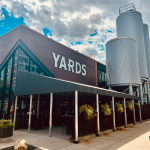
Contract-focused joint venture B3 Beverage looks much different from when it launched last year. Philadelphia’s Yards Brewing has made it official with the platform, which has taken final steps to acquire it. However, other founding member breweries have since departed.
Rhinegeist Brewing’s Cincy Light line has crossed categories with the debut of Cincy Splash, a vodka-based, ready-to-drink (RTD) canned cocktail. The vodka sodas are available in three flavors: Pineapple, Black Cherry and Peach. The 4.5% ABV, 100-calories drinks are packaged in 355 ml slim cans and sold in single-flavor 4-packs and variety 8-packs, according to a press release.
Another craft platform is taking shape in Minnesota. Minneapolis-headquartered Fulton Brewing has struck a deal to acquire the brands and distribution rights to Bemidji Brewing, a 14-year-old craft brewery based in the downtown district of the city that bears its name.
A year after extending its partnership with England’s Arsenal Football Club, the dedicated non-alcoholic (NA) beer maker has inked a multi-year agreement to become a “Proud Non-Alcoholic Beer Partner” of MetLife Stadium and the NFL’s New York Giants and New York Jets.
Lawson’s Finest Liquids started exploring the creation of a non-alcoholic (NA) beer five years ago, as the boom of craft NAs kicked off in response to consumers’ increased interest in bev-alc moderation following the COVID-19 pandemic.
Two craft-centric distributors will swap territories in a dual acquisition deal in New York and New Jersey. Sarene Craft Beer has acquired the New Jersey business of Remarkable Liquids, which in turn has acquired Sarene’s business north of New York City.
Tilray Brands will shift brewing operations from Terrapin Beer Co.’s 100,000 sq. ft. Athens, Georgia-based brewery to other facilities within its network, beginning September 25, Tilray confirmed in a statement to Brewbound.
Check out news items initially reported in the Brewbound Insider Newsletter July 30-31, including headlines from Allagash Brewing, the Brewers Association, Garage Beer and more.
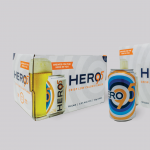
Relentless sampling is the key to Hero95’s success, according to founder Todd Simon. In its third year, the mission-driven super premium light beer has been tasted by about 15,000 people at samplings across Massachusetts and Rhode Island.
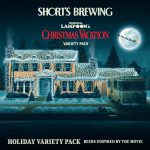
Short’s Brewing is giving beer buyers a reason to do their holiday shopping early. The Michigan craft brewery has struck a multiyear licensing deal with Warner Brothers for the intellectual property to National Lampoon’s Christmas Vacation, which Short’s will use to launch a variety 12-pack later this year.
The summer has been a mixed bag for beer segments, with some capitalizing on this year’s big occasions (America 250, FIFA World Cup), and others getting lost in the crowd. Craft beer has ended up somewhere in the middle, according to the latest monthly report from market research firm Circana.
There’s been a plot twist in the closure of Bauhaus Brew Labs (Minneapolis, Minnesota) – it’s off. ABV Technology has acquired the brewery, a longtime partner of the business, and will reopen it later this summer.