Circana: Imports and Hard Cider Lead Improved Beer Trends; FMBs Only Segment With Downward Trajectory
Craft wasn’t the only segment to record some improvement in recent scans, according to the latest monthly report from market research firm Circana.
Craft wasn’t the only segment to record some improvement in recent scans, according to the latest monthly report from market research firm Circana.
Korean soju is one of the top selling spirits in the world, but can that popularity transfer to canned cocktails? Several emerging brands are aiming to find out.
Sierra Nevada’s 2026 strategy revolves around a “core four” philosophy involving its top brands, while supplementing its flagships with strategic additions, leaders of the Chico, California-headquartered craft brewery shared last week during a virtual distributor presentation.
Kevin McGee used his law degree more than he expected when his family took over legacy California craft brewery Anderson Valley Brewing Company, including in legal battles over distribution rights.
City Brewing & Beverage has completed a transfer of control to a new ownership group made up of some of the multistate contract manufacturer’s existing lenders.
Labor Day may need to start campaigning if it wants to remain a staple of end-of-summer celebrations, particularly with the youngest legal-drinking-age (LDA) consumers.
Craft’s off-premise performance over the last four weeks has been a tale of two channels.
Check out news items from August 25-26, initially reported in Insider editions of the Brewbound Newsletter.
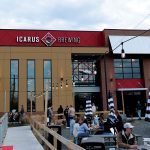
When long-time regulars pine for Icarus Brewing’s original location, founder and owner Jason Goldstein reminds them the good old days weren’t always so good.
The unpredictability of weekly bev-alc scans continues to give the industry whiplash. The beer category recorded a -2.7% year-over-year (YoY) dip in dollar sales and 4.3% decline in volume for the week ending August 17, according to the latest report from Circana and the market research firm’s EVP of BevAl, Scott Scanlon.
We chatted with Brianda Gonzalez, founder and CEO of The New Bar, about what’s next, where the hurdles are for ANA, and how ANA brands can take cues from their full-proof counterparts.
Summer’s over kids. Or at least it is for the nerds in the Western part of the country who go back to school before Labor Day (us East Coast cool kids always go back in September). Either way – time to get your teenager looking sharp! And what better way to say “cool parent” than supplying them with some fresh COORS BANQUET x WRANGLER duds!
Stateside Brands (Philadelphia, Pennsylvania) – the parent company of Surfside, a leading brand in the spirits-based hard tea and lemonade segment – has penned a deal to rebrand Philadelphia’s entertainment hub from Xfinity Live! to Stateside Live!
BrewDog co-founder Martin Dickie has departed the Scottish brewery, several news outlets have reported.