Search across the BevNET CPG Media network including BevNET, Nosh, Brewbound, Taste Radio, Nombase and CPG Jobs.
Data
Dive into the latest beverage industry data including reporting from leading data providers. Explore market dynamics, consumer preferences, purchasing patterns, and regulatory developments to help you make data-driven decisions about your beverage business.
Insider Benefit: Brewbound Exclusive Reports in Partnership with Leading Data Providers
We’re partnering with leading industry data providers to publish exclusive reports on category performance, consumer behavior, key trends, innovative products, emerging subcategories, and more, that aim to empower food and beverage businesses.
Looking for a central spot for all of our food, beverage, and beer industry data? Visit the Nombase Data Hub, our latest resource for CPG professionals.
If you are a food and beverage industry data provider interested in partnering with BevNET and Nosh, please contact Carolyn Craven at [email protected] to inquire.
The on-premise beer market remains challenged, but the latest numbers reveal meaningful pockets of growth beneath the topline declines. Imported and non-alcoholic beer are gaining momentum, while draft is strengthening its position relative to packaged beer.
The Q3 2026 Supply Chain Snapshot from Agrowgate finds beverage supply chains in a deceptively stable position. Markets have settled from some of the volatility seen earlier in the year, and overall supply remains functional. But that relative calm is masking persistent cost and availability pressures.
Many on- and off-premise retailers were caught off guard by the demand for bev-alc during the FIFA World Cup, according to survey results from bev-alc data and invoices platform Fintech.
The National Beer Wholesalers Association’s (NBWA) monthly Beer Purchasers’ Index found that wholesalers are reporting smaller inventories of beer at risk of going out of code.
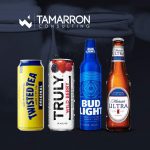
Wholesalers ranked Boston Beer Company and Anheuser-Busch InBev first and second in most categories in Tamarron Consulting’s annual survey of distributors’ perception of key beer industry suppliers.
The beer category didn’t see fireworks in off-premise retail sales this July 4, market research firm NielsenIQ reported. “For the biggest beer holiday of the year, the category had lackluster performance in the off-premise channels this year, with dollar sales down -5.1% compared to last year, and up +7% compared to 2019, which was driven in great part by beyond beer segments,” NielsenIQ vice president of beverage alcohol practice Danelle Kosmal wrote.
Midway through 2021, just two of the top 15 craft beer suppliers have been able to generate off-premise dollar sales growth in NielsenIQ tracked channels compared to a year ago, according to Bump Williams Consulting’s latest analysis of the craft segment.
The Beer Institute (BI) today announced the hire of Danelle Kosmal as vice president of research. Kosmal will join the trade association — which represents the interests of brewers, importers and beer industry suppliers — in late August.
Beer industry depletions (sales-to-retailers) volumes tracked by beverage alcohol invoicing and logistics firm Fintech have increased 9% year-to-date through Week 27 compared to the same period last year, National Beer Wholesalers Association chief economist Lester Jones and Fintech director of distributors Jim Kallies shared yesterday during a quarterly review of the industry’s performance.
Ready-to-drink (RTD) canned cocktails’ share of Drizly sales is growing at 15 times the rate of hard seltzer, according to e-commerce alcohol marketplace Drizly’s 2021 Consumer Report.
Consulting firm BW166 reported that label approvals for seltzer and seltzer-like products are accelerating, with approvals trending at 334 per month compared to the 228 per month in 2020. More than half (53%) of on-premise visitors went to a bar or restaurant during the July 4 weekend, according to CGA, an on-premise market research firm.
Hard seltzer could account for 10% of total beverage alcohol sales by 2025, according to a report from financial services firm Credit Suisse. Since 2019, hard seltzer, which currently accounts for 3.5% of total beverage alcohol, has been pulling share from all three categories.
Hard seltzer accounted for 28% of beer category sales on Drizly over the July 4 weekend, up 2% from 2020, according to the on-demand, e-commerce alcohol delivery platform.
Anheuser-Busch InBev CEO Carlos Brito officially passed the torch Thursday to Michel Doukeris after 15 years with the world’s largest beer manufacturer.
In a year when craft beer volumes declined for the first time in the modern craft era, drinker interest in craft beer did not abate, Brewers Association (BA) chief economist Bart Watson said during his presentation of the trade group’s annual consumer poll.