
New breakout brands, Q1’s soft trends and the beer industry’s non-alcoholic (NA) plays were hot topics during Beer Marketer’s Insights’ Spring Conference, held earlier this week in Chicago.
Here’s a few takeaways from my notebook, with more to come next week.
New Brands On the Rise, But Fewer of Them
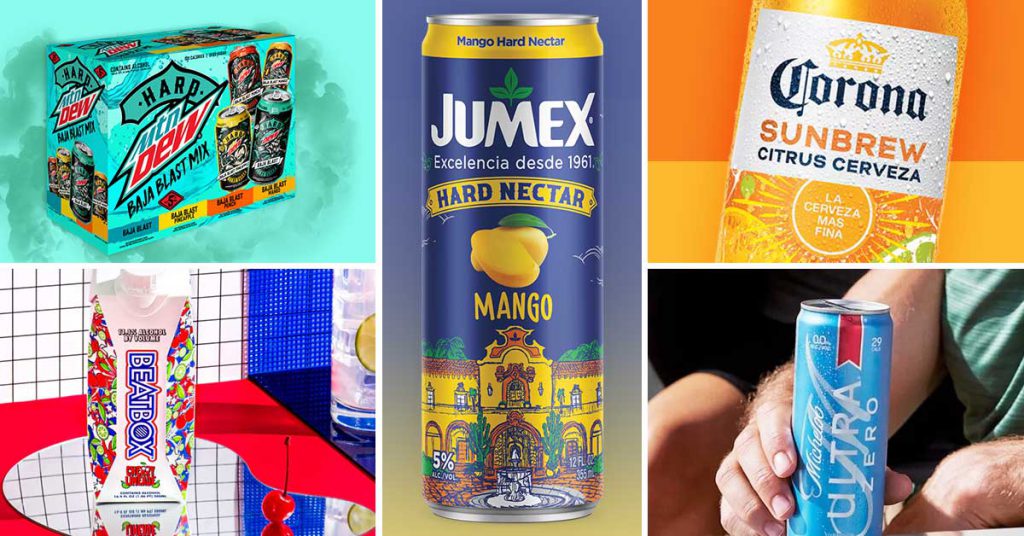
Five new brands are making noise early this year, led by Anheuser-Busch InBev’s (A-B) Michelob Ultra Zero NA offshoot, BMI VP and executive editor David Steinman shared in his “industry overview.”
Michelob Ultra Zero is the No. 1 new beer category brand, with $10.785 million in off-premise dollar sales and 336,000 case equivalents (CEs) sold year-to-date (YTD) in Circana-tracked channels through April 20.
AriZona/Hornell Brewing’s Jumex Hard Nectar variety pack is second, with $8.31 million in sales and 225,000 CEs through late April.
Constellation Brands’ Corona Sunbrew line extension came in third, with more than $6.7 million in sales and 167,000 CEs, followed by BeatBox’s Cherry Limeade (malt-based), with $4.675 million in sales and 65,000 CEs and Boston Beer’s Hard MTN Dew Baja Blast variety pack, with $4.057 million in sales and 107,000 CEs.
“This is a smaller set of new brands than we’ve seen in the past couple years,” Steinman said.
Steinman also offered a look at the top seven innovations in the previous three years and noted that many of them “are now in steep decline versus their initial launches.”
Fewer new brands may not be a bad thing, as that could lead to less churn and more sustainable sales in the future, Steinman said.

A-B, Molson Coors Collectively Shed 2.5M Barrels in Q1
How did the biggest brewers fare in Q1 2025? Not great.
A-B (-7.2%) and Molson Coors (-12.9%) have collectively lost around 2.5 million barrels. Constellation Brands’ shipments also are in decline (-3%), but the company managed to gain share (+0.4).
Heineken USA, Pabst and FIFCO USA were each “down big,” per Steinman. Meanwhile, Boston Beer posted 5% growth with the inclusion of iced tea vodka brand Sun Cruiser, while depletions were down 1%.
Diageo and Sierra Nevada posted low-single digit growth, while the biggest barrel gainers were Athletic Brewing, Garage Beer, Geloso, Happy Dad, BeatBox and Jumex, Steinman said.
Import numbers were also juiced early this year as companies increased shipments to try to get ahead of tariffs.
NA Beer Pulling Soft Drink Consumers
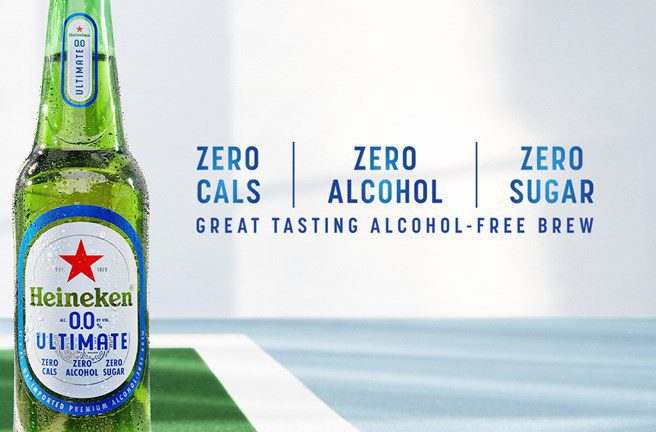
Fifty-five percent of NA beer consumers are incremental to the beer category, Heineken USA CMO Ali Payne shared during a discussion of the segment’s trends with Athletic Brewing co-founder and CEO Bill Shufelt.
NA beer is attracting drinkers from soft drinks and creating new occasions for the beer category, Payne said. The work ahead is to “normalize” NA beer with consumers and emphasize there are zero excuses to not try NA beer.
Athletic’s data shows that more than 30% of shoppers seeking out Athletic haven’t shopped the beer set in six months, meaning NA beer is pulling those consumers back into the beer aisle, Shufelt said.
Shufelt pointed to NA beer’s top three brand families – Athletic, Heineken and Michelob Ultra – driving 70% of the dollar growth, helped by marketing investments that “really do drive the growth.”
Athletic Brewing crossed the 7 million barrel mark “a couple of months ago,” Shufelt shared, adding that as the company celebrates its seventh anniversary, he hopes its next million won’t take quite as long.
The company will have another brewery to help it achieve that goal with the addition of the former Ballast Point facility in Miramar. Athletic expects to begin filling those tanks later this summer.
Molson Coors Builds NA Team with 200 Workers
Over the next nine months, Molson Coors plans to add around 200 team members to support its growing portfolio of NA offerings, VP of NA beverages Kevin Nitz shared.
“We’re very serious,” Nitz said of Molson Coors’ NA business. “Big companies don’t add a bunch of headcount, especially in an environment like today, if you’re not.”
The focus of many of those dedicated NA team members will be battling it out in the streets.
“We’re going to put about 120 feet on the street to work shoulder-and-shoulder with our distributor partners to drive these brands at retail,” Nitz said. “This is a little bit of, how do we get back to basics? How do we build brands? And you build brands in the streets.”
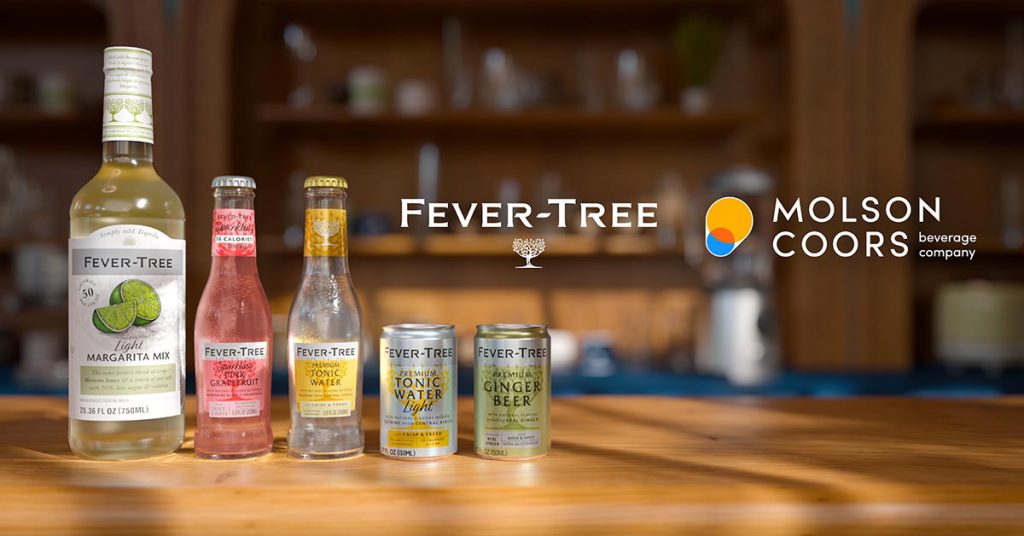
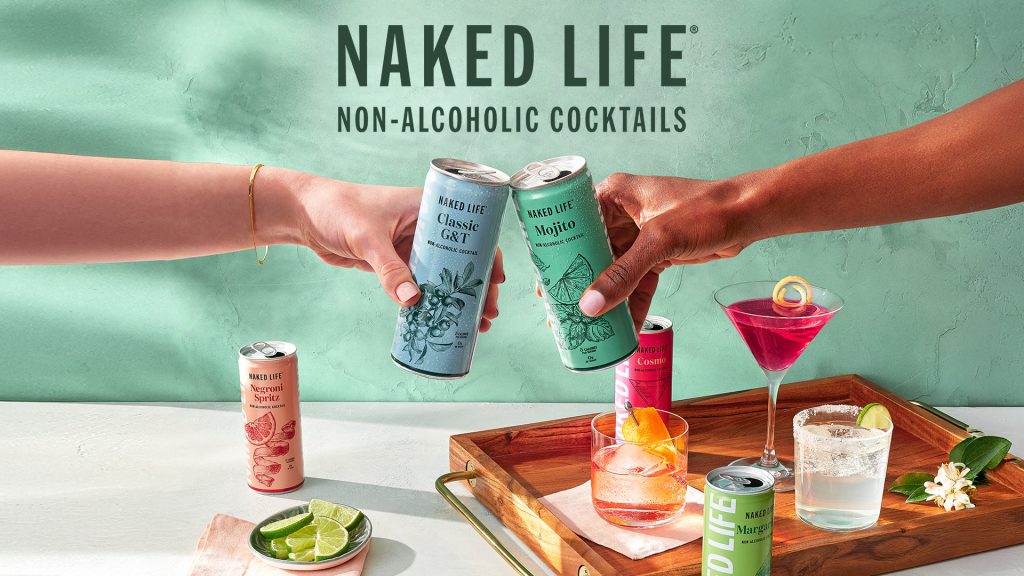
Molson Coors recently launched Australian NA cocktail brand Naked Life nationwide, took a majority stake in energy drink brand ZOA and forged a U.S. partnership with NA mixer and drink brand Fever-Tree, which will roll out June 2.
“Every single bit of it is incremental from a premiumization perspective,” he said.
Molson Coors will continue to source Fever-Tree from the United Kingdom, while also co-manufacturing products in the U.S. Fever-Tree holds the top ginger beer and tonic water spots in the U.S., Nitz said.
NA is just part of Molson Coors’ above premium strategy. Other pieces include building Peroni, the former Italian import brand that moved production of its alcoholic version to the U.S., and Blue Moon, Courtney Benedict, VP of above premium beer marketing, shared.
The push behind Peroni and its NA counterpart Peroni Nastro Azzurro 0.0 includes celebrity partnerships with Italian-American chef and TV personality Giada De Laurentiis and the Scuderia Ferrari Formula 1 team. It’s about building brand awareness for Peroni, which is at roughly 40% in the U.S., Benedict said. The savings of brewing Peroni domestically will be reinvested in those marketing efforts, as well as adding new SKUs, such as 12 oz. slim can 12-packs and 16 oz. can 4-packs.
Blue Moon is still on a “revitalization journey,” Benedict added. The brand will get a boost from Saturday Night Live personality Colin Jost, who is helping with the marketing efforts, including sitting in the writers room on campaigns. Blue Moon is also “retrenching in our orange garnish ritual.”
“It’s our identifier,” Benedict said. “It’s what makes us so special. And honestly, we haven’t talked about it much in the last several years, and that’s something that’s going to change.”
As for Leinenkugel’s, Benedict said shifting production from Chippewa Falls, Wisconsin, to Milwaukee has allowed the company to innovate and zero-in on innovation in the brand’s home state. Barrelman Ale, a 5.3% ABV amber ale, is “the No. 1 item in Wisconsin food,” and Leinekugel’s is also “playing in the IPA space,” she added.