Search across the BevNET CPG Media network including BevNET, Nosh, Brewbound, Taste Radio, Nombase and CPG Jobs.
Sponsored Workshop: Scrappy to Scaling - How Bero Uses AI to Fuel Hyper-Growth
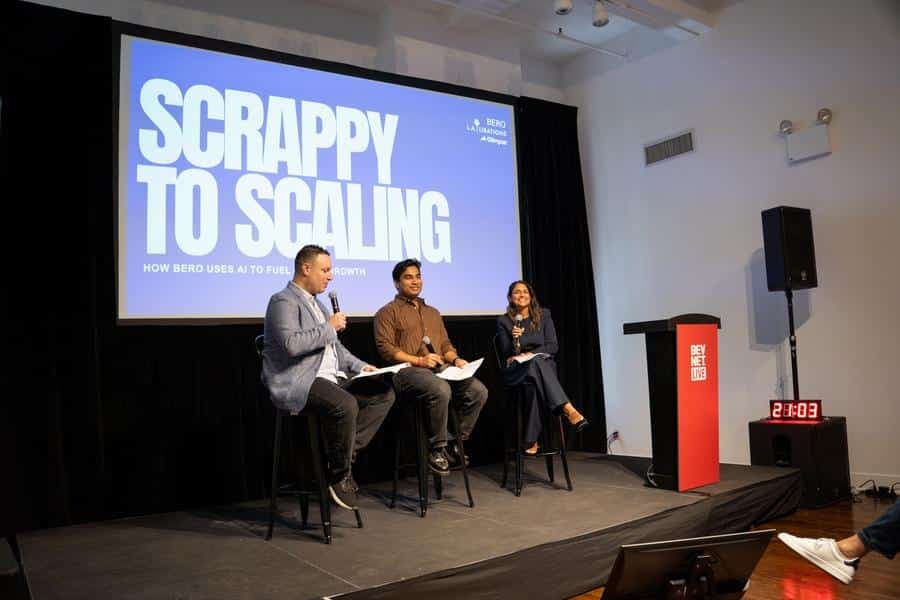
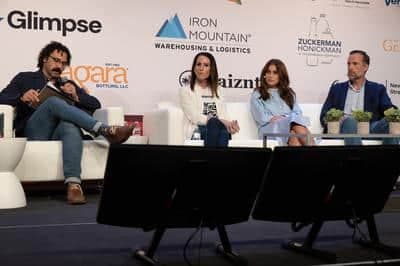
Hype around AI is everywhere, but real results are fickle. Bero's Neha Soi and Glimpse CEO Akash Raju join LA Libations' Dan Weisbach to unpack how AI is actually driving efficiency and supporting hyper-growth in the new consumer landscape.
Dan Weisbach, Vice President , L.A. Libations
Neha Soi, SVP of Operations, Bero
Akash Raju, Co-Founder & CEO, Glimpse
Transcript
Note: Transcripts are automatically generated and may contain inaccuracies and spelling errors.
Dan Weisbach [00:27] All righty. Good morning, everybody. Welcome to BevNet and welcome to the new frontier. We're gonna be talking about AI today, which I'm super excited about. So, before we get started, I should probably introduce myself. Uh, my name is Dan Weisbach, and if you catch me 9 to 5, I run the SoCal incubation program at LA Libations. We're a beverage incubator based in LA calling on the Natural Channel. Um, shameless plug for myself. Yes, we're as great as you've heard, uh, and please come talk to me after the show. Um, I personally spent a tremendous amount of time speaking with my BFF Claude. So I'm really excited to hear from actual intelligent people today and learn how AI is being used in CPG. There's no shortage of AI opinions in the industry. There's no shortage of AI opinions in this room. What's actually scarce is people who have put the real resources and time behind it and can tell us what's working and what's not. So this is exactly why I'm excited about the conversation. Both Akash and Neha have been in the weeds, not just theorizing about AI, but building and operating at scale. Akash leads Glimpse, which works with mid-market and enterprise level CPG brands on deduction management. If you know what that means, you should definitely speak with the Glimpse team as well. Um, Neha is the SVP of operations at Bira. It's one of the fastest growing non-AC brands, uh, on the planet, Tom Holland, uh, and she manages all the moving parts behind the scenes across retail and DC. So what I'm hoping to, to get out of the conversation today is unglamorous, useful version of our conversation, where AI is actually moving the needle, uh, where it's falling short, and how operators should be thinking about how their time, treasure, and resources should be spent. So let's go ahead and get right into it. So, to both of us here today, uh, the AI conversation has gone from interesting to unavoidable. But there's a real difference between a brand that's genuinely AI first and one that's just accumulated. Bear with me, please. Tools over time. So from where you all sit, where does that distinction actually look like and why does it matter?
Speaker 2 [02:42] I can go first. Thanks so much for having me. It's great to see everyone here and I see some familiar faces in the audience, so thanks for being here. I think, you know, this is a really interesting conversation. It's at the forefront of everything. And I think for me as an operator it starts culturally first. And so I think you know I had a really unique opportunity at Bureau to reset operations day one. My founder was like, if you could do anything what would you do and what an opportunity and what a responsibility that was. And I think the first thing that I thought about was what were the challenges that I have faced. I have a unique background. I did corporate. And then start up. What were the things that were great and what were the things that were so hard? And I think the first thing for me was systems. We needed one source of truth. We needed data. We needed a place that we could go to collect that data. I felt like I was going to a million different places. I couldn't trust anything. We were in rapid growth at my last startup, couldn't figure out where anything was. And so for me it was culturally. Day one, I want one source of truth. And so we implemented NetSuite from day one. It's a really unique thing. Not very many people do it. I could speak for hours on it, so happy to talk to anyone if they have questions, but it was the best thing we ever did. And by doing that we unlocked the door to add and bolt on tools that felt needed as we needed to scale. And so Glimpse was one of them, and I can talk a little bit more about that, but Having that infrastructure from day one was so helpful, and I felt like NetSuite was such a great source of truth and had so much credibility that then I could innovate with all these new companies that were coming out and they would Have some sort of integrator to NetSuite, so I would have like this world of opportunity on tools to help, and I think that was really the first unlock of AI for us was really thinking tech first, but also solving for its problem from day one. So I think integrating it in your culture is really the number one thing.
Dan Weisbach [04:27] I think that was such a great way to kick it off because, you know, we talked about fragmentation essentially, right? And that's going to be a through line throughout the entire conversation. So Akash, I just wanted to throw back at you. Anything to add to the first question?
Speaker 3 [04:39] Yeah, you know, at this point I've probably spoken to over 1000 brands over the past two years about the topic of AI and how they How to approach thinking about AI. And yeah, I think it echoing now, it comes down to probably two things, like one, from an actual like AI readiness piece, like do you even have the organization of your data for AI to be useful? If you've ever used cloud or chat GBT personally, it's only really as good as the inputs and the data you feed it. And one of the biggest pain points with, you know, the beverage, the CPG industry more generally, is that a lot of your data kind of lives all over the place. It lives in Excels. It lives in, you know, documents from your retailers. It lives in the warehouse on something that someone signed. And if you don't have that in one place, it's really hard for AI to make an impact. Then I think the second thing, you know, now in You know, we're in mid 2026, there still is kind of like a cultural element of, is there, like, are we AI ready? Do I even want to think about AI and do I even want to sort of open myself up as an operator to what it can kind of allow. Like there's, you know, been tried and true ways of running a business over the last 10 years, the last 20 years, and in every industry, even outside of uh CPG AI is like A new thing that's just opening up a lot of what can be done. So a lot of it kind of is culturally as well. So there's kind of like a top down mandate that kind of needs to exist and then also just the readiness of implementing a new solution and a lot of that starts with centralizing data which I'm sure we'll dig into with this.
Dan Weisbach [06:19] Yeah, 100%. And Neha, just a quick follow up. Uh, we touched on this a little bit already, but what would you say were the operational breaking points that sort of forced or spurred at minimum, the AI conversation at Bureau?
Speaker 2 [06:32] Yeah, you know, it's interesting. I think it was less at Bureau because we were so intentional about everything we were doing. We came in day one, but it was really in our past experiences that we all had come from in our last startups where, you know, we were moving so fast. You're focused on sales, you're focused on production, you're focused on getting product out that you don't take a second to pause and think about what the back office looks like until it's a little bit too late, honestly, and you know, in my last company we were year 3 or 4 trying to get the back office set up, trying to implement NetSuite at that time, trying to get Automated reporting, but it wasn't working because we had data in a million different sources. Everything was still really manual. So coming into Breau, I knew that we were going to be omnichannel and I was like we have to solve for this from day one when I have zero sales. I have to figure out how we can do this so that we can then go to one place and then AI has been a really nice bonus because we've been able to use cloud through NetSuite. We've been able to actually build a Bureau portal and I can talk a little bit more about that on top of our data that feeds into everything and so we Have places to go that has reporting in one place that has the dashboards that everyone's like dreaming of, like we have that, but we're still iterating on it. I think it takes time and I think it takes a culture of adopting it, right? But I think being proactive, knowing that you're going to get there is like pause for a second, which is so hard to do, and I understand that. But if you can pause for a second and really think about what it's going to look like, that intentionality will really help.
Dan Weisbach [07:51] So I think this is an important talking point for the rest of the conversation. How old is Bureau today?
Speaker 2 [07:56] Two years, a year and a half years, October of 2024 is when we launched. So we're still, we're still kind of learning as we go, and I, so I think I talk a lot about my past experience because so much of that vast scale has really helped us be very mindful about how we build Bureau and what we're doing. And a lot of our team is the same way. They've come from startup before, so we've all been able to bring a lot of those lessons.
Dan Weisbach [08:17] So at a year and a half, would you say that Bureau was like AI native or like were you throwing like together like a quilt of tools, so to speak?
Speaker 2 [08:24] That's, that's a good question. So you know, I think one thing that we did right, and I'm excited about it, is that we invested in people and data. We have a head of data that started pretty early on, and I think that's a, you know, probably pretty rare, especially as a startup, your 1st 10 hires being a head of data, but I think it was instrumental for us because we all had that curiosity. I think that's the most important thing, have the curiosity, you want to do something different, you're gonna do something different, that's important. But we were able to have someone who's really involved in what's going on with AI come in and be like, hey, what you're dreaming of, we can actually build, and here's how we can do it. And so I think that was really helpful too, is being able to invest in people from day one that can help, and that not only can build it, but then can also train it, right? Cause I think as you mentioned, it's cultural. It's all new to us, so like how do we use it? Do we trust it? What holes can we poke in it because you have to train it. So I think for Bureau we were really intentional in hiring a head of data and also making sure culturally across the organization we're discussing how important technology is. It's not replacing, but it's important.
Dan Weisbach [09:24] Yeah, that's such a great talking point, and you know, so many things you mentioned, I want to double click on, but I'm gonna hold. Um, thanks for stealing my thunder, by the way. We are gonna talk build versus buy and so many other topics coming up soon, but before we go any farther, I just want to say we have a great foundation thus far. Um, let's get into a little bit of the mentality shift because I think there's a real difference between brands that are AI native, and that's why I just asked about that and brands that are just like sort of on the tool-heavy end of the spectrum. So Akash, you work with brands at really different stages. Is there a profile of brand that you would say is genuinely ready for an AI-led approach versus one that just needs better tools in their arsenal?
Speaker 3 [10:02] Yeah, it's a really good question. Yeah, because we. We work with, you know, emerging brands just sort of entering and starting to grow within like uh their distributors all the way to billion dollar plus companies and probably the elements of similarity of when a company is ready. It's kind of like there's kind of two elements when you think about AI, right? So there's the foundational data organization piece, and then there's the, you know, everything we hear about AI now like AI agents, etc. like, you know, you've seen like cloud cowork and things like that, and I think for the latter part in terms of where AI can actually provide automation, it is similar to when you would think about maybe hiring like a virtual assistant or offshore labor like. The same process of like doing a bandwidth audit, like you're looking across your back office and seeing where there's room for efficiencies and optimization. Like 10 years ago, the way you would kind of do that to improve margin is by Finding like a workflow, mapping out a process, and then putting sort of a virtual assistant or someone to kind of solve it. And now AI can kind of directly do that, and you can kind of think about the business functions and where that occur, and that can start all the way from day one, if you're thinking about scale and like an efficient back office, and it can also happen retroactively at scale as well. And the other piece of it is, um, yeah, again, going back to like, are you organized kind of just as a business from day one, like, do you have all of your like bill of ladings in one centralized location, or if you're planning your trade promotions, are they In some organized manner, like these types of things are what can ultimately make AI useful, and that kind of is just like a mindset thing that kind of starts from day one and yeah, hiring is also really important here to have AI savvy people, and we see it ourselves, like even running like a tech startup and an AI startup, there's a lot of like cultural things just on like making something ready for AI.
Dan Weisbach [12:05] All right, Neha, here comes the tough question. 18 months ago, Bureau, what's different in the way that you approach data, uh, and decision making
Speaker 2 [12:15] today? That's a good one. You know, it's funny, I think when you talk about cultural, I would be one of those people that was a little bit hesitant to trust AI or to get into using the tools or, you know, in NetSuite they have an AI integrator you can use and you can go into cloud and type in things, and I was like, I don't trust this. I don't know, this can't be right. I want to manually go to my warehouse portal and look at the inventory. Because I don't know if this is right. Um, and I think that cultural shift has happened over the last 6 to 8 months on our team where we have really spent some time making sure we understand how they communicate. We've trained, we've gone in, we've looked at each report, we've said, OK, this is wrong, it's not understanding this nuance, this, that, right? And now we're at a point where it's awesome. I hold a daily. Meeting every morning. We look at inventory, we talk about it. I trust it. It's come out of AI. It's a report, it's a dashboard, and it makes the decisions and the actions that we're taking every day really easy. And I think that's like a tangible thing that has come from AI. And using AI correctly, but it takes time, and I think that cultural adoption is really important. It took our team a little bit of time. I mean, we spent sessions and sessions being like, can we trust this? And so I think you have to put in that time to make sure that you understand it and that you believe it. And then I think it's Trialing it and, and being open to that, and I think that's where we're at right now, and I think I'm so excited for what the next 6 months are going to bring because I think, you know, my team's going to stay small and scrappy because we've been able to leverage these tools and I'm pushing out headcount and ultimately that's driving results and helping the P&L and so. I think for us it's that cultural mentality that's important and if we don't do it, you're behind. So I think like we had to get to a place where we had to catch up and make sure that we understood how to use this and poke holes in what didn't work.
Dan Weisbach [13:53] Yeah, and like going back to what you said earlier, I think one of the keys is just remaining curious and remaining eager to build and to learn. So Akash, one trap that you probably see is brands buying AI tools that just sit on top of fragmented infrastructure without really changing anything. Personally this drives me completely up the wall. So what is a genuine AI first operation look like versus a tech stack that's just like a figurative AI coat of paint, so to speak?
Speaker 3 [14:19] Yeah, definitely, I think, you know, maybe the other extreme of this talk is the fact that AI is in a way a buzzword in this day and era, and it is something that is like the shiny object. It started maybe ever since chat GBT came out. It is a shiny thing that like in every board in every room there's some topic of how are we using AI and Um, I, I think like a lot of these shiny tools, like the question to really ask is to like look at it from almost like a P&L perspective and like an outcomes basis like what does this exactly do in my back office? Like I think, you know, given the audience of the panel, we're talking a lot about the back office, there's a lot of really good AI use cases to drive growth and like customer experience, marketing, sales as well, which we can dive into. But everything can be tied back to some sort of like outcome that is measurable on the P&L, and you know there's all the way to the extreme of keeping your team really small and scrappy, so not needing to make a certain hire to a co-pilot to allow someone to be, you know, 20% more efficient. Just with their tools, and I think like that sort of audit is the right framework of like if a tool is useful, and from a, an actual AI first like operation, yeah, I think you can't really be an AI first business without investing in infrastructure and just data organization. And then, yeah, just being curious, um, like, you know, I'm a, a tech person by background, and there's a new model that comes out. Every 3 months. So our engineering team, there's a Slack message like every 3 months being like, oh, Anthropic just came out with this new model. Should we switch from anthropic to OpenAI and you're always measuring and having these benchmarks, but that intellectual curiosity is what ultimately allows the whole market to keep evolving as things get better and better every 6 months and Yeah, I think just investing in the right partners early on, like the right tech partners, the right AI partners will kind of evolve with your business as you scale.
Dan Weisbach [16:24] Shout out to glimpse. All right, real quick, so I think we've established that none of these tools really work if the underlying data is a mess. So let's talk about it. Uh, Akash, you've talked about brands that can't answer basic questions like what retailers are actually profitable. Um, once you account for, once you account for deductions, freight and chargebacks, how widespread would you say is that blind spot, and what do you think is actually causing it?
Speaker 3 [16:52] Yeah, I think, you know, one of the sort of Like pieces of thoughts that I've had recently in a way is that a lot of data is ultimately trapped in like Excels, PDFs, etc. that just fundamentally hasn't been usable in the past. So if you've ever dealt with deductions yourself as an operator um from any of your um partners, you, you know, receive a check that tells you the money you lost, but there's a whole trove of information that lives in the backup documentation. That you receive with each deduction, and that allows you to know, did you ship something on time or did you run an efficient promotional activity on shelf. And in the other extreme, just in your internal like back office like purchase orders, um, your shipping information, your actual plans, that's completely other data, that's a completely other set of data that Also lives in Excels, PDFs, CSVs, Google Documents. So that tribal knowledge is all in scattered information and only if you have someone that's spending all of their time pulling out line by line and then synthesizing that data with the other data, can you then make any sort of like net new decisions for your business. So that like fundamental gap across all of these data silos is like what's been What's been trapped in terms of like what intelligence can kind of look like in CPG and like to the original question, I think, you know, that's the fundamental blockers. I think every business probably is sitting on some set of data that just hasn't been synthesized that could drive actual business decisions and help drive like board level outcomes of like profitability, growth, marginal improvement, etc.
Dan Weisbach [18:41] Yeah, not only has the data not been synthesized, and here's my hot take. Excel spreadsheets are not actionable. They sit there. There's nothing that's done with them. So my hope out of AI is that maybe 2026 or 2027 is the year we can finally put Microsoft Excel to rest. Hopefully Microsoft is not our sponsor today. Um, so, uh, Neha, bureau's pace of growth, how important has data centralization been? Uh, in, in making quick decision making and what broke or almost broke before you had a consolidated view?
Speaker 2 [19:17] Yeah, so I think I've hit on this a little bit, but I think You know our past lives, it was so difficult to get data that we did it correct at Bureau coming out of the gate. That was like kind of the whole impetus of everything was we needed to have our data centralized and it needed to be actionable from day one. So I think that was really important to set up the infrastructure, but just recently have we have we been able to actually synthesize it in an easy way and make decisions quickly from it. I think it's been Instrumental in how we're making decisions, when we're making decisions, how much money we're spending if we're doing another production run or what our sales are at a certain retailer, etc. we've been able to access that really quickly. And the other piece I touched on lightly was because we have all our data in one place and we're able to synthesize it, we've built a Bureau portal very specific to Bureau, and I think, you know, that's a really interesting. Discussion, um, and our head of data did a phenomenal job. Shout out to JP. Thank you for everything you did for us. It's incredible. It's very nuanced to bureau's business, but, you know, sales has their own module and their operations has their own module and there, it's everything I could dream of is in there, but it's stemming from leveraging AI and this one source of data. So I have a dashboard that has everything in it. We have an aging report in there that is so easy and allows us to look at everything. Very quickly instead of having to pull that, and that's dollars to the P&L that we can action on daily. I mean, that is really hard to do to have it accurate. So those types of things. We have our COAs that come from our production facility that used to come and email that now filter in, and I have access to every single one of those. So if there's ever an issue or if there's ever a question, we have accessibility quickly at our fingertips. So those types of things are life-changing in an operational mindset.
Dan Weisbach [20:56] Yeah, 100% agree. So here's what I'm saying just to go one step further. There's a version of AI adoption that's just basically buying a better dashboard because it looks nice. Um, I would sort of characterize it as lipstick on a pig. Um, how do you tell the difference between a tool that actually centralizes and acts on data versus one that just essentially resurfaces it?
Speaker 2 [21:19] I mean, I think for me I'm not a tech savvy person if I'm being honest, and so for me the tool has to be intuitive. If it's intuitive, if it's simple, and if it's solving a problem that I have, for me I think it helps, and Glimpse was a great example of that. I heard our finance team saying they were spending hours on deductions, and I was like, hey, I just met. Gosh, she's doing this thing. We should talk to them about it. It could help us, and it was like exactly what we needed and it solved the problem. I didn't really understand all the back end, but the way that it was described was really intuitive. It was simple and it solved a problem for us. And so for me, I think those are the pieces that help drive kind of results.
Dan Weisbach [21:57] Akash, anything you'd add to that? Yeah,
Speaker 3 [21:59] I think I mentioned this earlier, but ultimately it ties back to like delivering outcomes versus, um, you know, just being. Another format of data. So I think if we use the example of deductions, um, there's like direct time savings, there's direct P&L impact, there's the process of like filing disputes. So if you think about like an AI tool, Um, it's something that delivers an outcome and not just and also provides visibility, but that's probably the difference in like an AI first approach versus a softer approach of the past or like a human approach, and you can kind of apply that all across like your business and, you know, any sort of capacity.
Dan Weisbach [22:40] So fair to say that a solid data infrastructure is basically table stakes in 2026. Let's, let's dive a little bit deeper and look at the actual use cases that are delivering results for brands. So Akash, for brands in the 50 to $200 range, $200 million dollar range, what are the AI use cases that are genuinely delivering results today, not just in theory, and where do you see the cleanest line to ROI and why?
Speaker 3 [23:05] Yeah, well, not to toot my own horn, but you know, if you, I can mention a couple of examples, but maybe start quickly on the topic of deductions. So, you know, a beverage brand in that revenue range is probably losing around 2% of their top line revenue to invalid deductions. That's completely different than the amount of like trade spend and like deduction spend that's allocated in the P&L. That's probably closer to about 20 to 25%. That 2%, you know, if you take that from like the $50 million range, that's hundreds of thousands of dollars, and a lot of times teams can't even get to the point of disputing deductions because you first have to reconcile all the data from your different retailer portals. Then you have to understand what these deductions are. Then only then can you compare it and validate it against internal documentation. To then file a claim that can take 60 to 90 days. It's like a purpose-built AI can kind of go through that workflow and have a direct outcome that is dollars back into your business.
Dan Weisbach [24:10] Yeah, I mean, the ROI conversation, I think is super interesting because, you know, how, I don't know, 90% of the industry right now is using AI is to write shitty LinkedIn posts and um there's so much more to it than that, right? Like, just in my line of work, just for talking about me for a moment as a broker, we build an entire interface that basically runs our whole business and just like, just like now I was mentioning with Bureau, and I think what you should look at is how. Your investment is really driving efficiency. So on that note, um, Neha, could you talk about a specific moment where AI spend either saved you meaningfully or surprised you at Bero scale?
Speaker 2 [24:51] Yeah, that's a good question. I think it's, it's saved us a lot in decision making because the data is now at our fingertips and I think it's dynamic, right? So for us, it's been very helpful in deciding if we're going to prolong an LTO or if we're gonna drop a SKU or if we're gonna expand internationally. I mean, it's really given us that information. Um, I, I touched on it briefly, but just even our quality process and how we're managing through that, it's been huge. So being able to leverage that, I think our TMS system and how we're leveraging our TMS system, it reduced our order time 50%. I mean, those are like very meaningful things, uh, AI systems that I don't really think of AI, but like tacking on this system for TMS and automating it together has really saved us time and time equals money for us. So that was huge. Um, so I think that's, Kind of where we've seen a lot of the, the wins there.
Dan Weisbach [25:42] Oh gosh, I don't mean to you, but I've heard you're an angel investor in CPG. Um, you're seeing ops infrastructure from both sides of the table. At what revenue stage does limited or no AI implementation go from being a gap and start becoming a real vulnerability or competitive disadvantage?
Speaker 3 [25:58] Yeah, I think, you know, when investing in a brand, a lot of what I think about is how big does the brand want to be, and if you want to have, I think, like a business doing more than 50 million in retail revenue, it kind of is from the foundational elements of how you set up your infrastructure because It is kind of like you would unlock your first DCs with a distributor. You go viral one or two times, and it's like full steam ahead. And if you don't have any of that infrastructure from day one, even if it's as simple as like. A Google Sheet process and a Google Drive, but just like that investment and cultural investment into the back office, like things will start breaking even at like the 1 to $5 million range because you now have multiple accounts. You have net new accounts that are growing. You as the founder are trying to evangelize your business and unlock new accounts, be public facing, and the back office is just breaking, so. I think at like the early stage, it really is like based on your aspirations. Like if you want to have a meaningful exit, I think investing in the back office, you have to have that vision that you want to be a big business. I think it kind of starts from day one.
Dan Weisbach [27:10] Great. Now that we sort of know what good looks like, um, let's talk about, uh, a very meaningful question, and that's actually when to make the call to invest and how to get the team behind it. So for both of you, what's the framework for knowing when a brand is actually ready to make a serious tech or AI investment? Uh, versus when is it too early? Um, is it revenue? Is it headcount? What's the real signal in your guys' uh, in your guys' minds?
Speaker 2 [27:32] I mean, I would say it's never too early, right? I think it's foundational, and so I think it's really important. I think for me it's like people first. I absolutely think you need people, you need people that know your business that are intimately involved because AI is not a replacement for people, but I think investing from day one in the tools and setting up what you can, or if you're not on day one, kind of pausing for a second and resetting so that you can get to a place where you have that infrastructure, I think it's a non-negotiable.
Speaker 3 [28:00] Yeah, I think you know if you're looking for AI first tools, they should have a positive ROI that's like measurable from the beginning. So that's like a really good evaluation metric, and I think that then opens up all the way from You know, being bootstrapped and having tight margins to having a lot of funding from the get-go, but I think it's just back to that original like MO of being curious about AI and like always seeing how it can help your business and like, you know, working with your vendor. to understand if you can pilot something, if you can show a proof of value that allows for you to invest into it because software is like a newer purchase for a lot of vendors when they're for a lot of brands when they're early, but yeah, proof of value and then Intellectually curious kind of from day one
Speaker 2 [28:48] to touch on that just a little bit more because I think that's a really important thing you said. That's something that I do a lot is I'm like, can we pilot this because it needs to be manageable to implement for our team. It needs to not be a heavy lift. It does need to drive results. I think that's the way it has to solve a problem. And so a lot of these software companies are open to it because they believe in it so much they're like, yes, let's do a 3 month. Pilot, right, and so my team has to be invested. They're invested, and then it's a no brainer going from there. So I think that's a really important thing you touched on and something that's integral to my strategy if we're tacking anything on or adding something is just making sure it makes sense. And sometimes it doesn't, and that's OK, but often it will, but it gives you a second to kind of try it and make sure.
Dan Weisbach [29:26] Speaking of your strategy, how does Bureau make the build versus buy decision internally? One of my favorite questions of the day. Yeah,
Speaker 2 [29:32] it's it's an interesting one, you know, I think because we Hired a head of data so early on we were able to build pretty early, which I think is great, and I think for us it's honestly prioritization and then finding experts out there. So like for us to build deductions internally, it doesn't make sense when there's experts that are doing it already and that are doing it great. So I think it's kind of understanding what's out there, doing the Work to figure it out and then does it work for your business? What are the nuances? If there's too many nuances, then maybe that's when you build it internally, but if not, there's a lot of resources, so leverage what's out there and trial it to see if it makes sense. And I think that's kind of my loose framework, simple is intuitive. Is it affordable? Does it drive results? And then does it make sense because of the complexity to do it internally, or do we leverage what's already there?
Dan Weisbach [30:20] I had a cost, I'd be remiss if I didn't ask. Hot take on build versus buy, and then I have a follow up for you as well.
Speaker 3 [30:25] Yeah, um, yeah, I think that's a really good frame to think about it. I think something is worth building in-house if you're effectively thinking of allocating headcount towards it, and you can put the dollar amount kind of as an investment there, like 1 to 2 people. And then I think a lot of ancillary functions like things that are not like core to growing the business are usually you can find a vendor that can do that really well. So like for example, I probably wouldn't recommend building an ERP in-house, but once you're on top of that, you can build a lot of tools on top of it or something like deductions are a part of the P&L, but it's something that you can effectively compare to like full-time headcount as you're kind of evaluating at scale. And then kind of thinking about where you want intelligence and an operating system from day one that scales with you as opposed to not. So
Dan Weisbach [31:17] cool. Akash, follow up. Common mistakes you see brands making when they're investing in AI and or automation.
Speaker 3 [31:23] Yeah, not spending the time for implementation. Like something can be implemented. It might take like A month or like two weeks of like dedicated time, but once it works, it'll be like magical for your business. And there's obviously a lot of priorities to juggle, so it is something that's important to like create time for and that's where the pilot approach is like very useful for a lot of brands, but I think it's just putting the upfront time to make sure your data is centralized, uh, like, in general, that's probably useful for your business, but once that's there, you can pilot and go live with tools like very quickly. So I think implementation time.
Dan Weisbach [32:01] So recently I built like this really cool actionable cogs versus P&L versus retail sort of tracker web-based online. I thought it was really cool. It had some really nice colors on it and people loved it. My ops gal hated it and she likes her Microsoft Excel spreadsheets. So how do we get internal alignment on tech decisions?
Speaker 2 [32:21] It's a good question. Um, I think it's just proving out the ROI, right, and, and starting the culture from day one. So I mean I had the conversations really early on that we want to be innovative. We want to be able to leverage some of the tools that are out there. Here's what it can do. Here's the future, and I think continually having those conversations creates that culture. And I think if every function is doing that, you know, I. Talking specifically a lot about operations, but marketing leveraging some of the technologies that's out there, sales leveraging it to help you drive broker discussions or drive retail discussions I think are really important. So if you can integrate it in everything that you're doing and everyone's talking about what cool thing they discovered or whatnot, I think that helps drive the messaging along.
Dan Weisbach [32:59] Awesome. So let's zoom out. We talked about where things stand today. Now, let's begin thinking about, thinking about tomorrow. Um, a caution, 2 to 3 years. What does a well-run later-stage CPG brands ops and finance team actually look like? Are there people?
Speaker 3 [33:15] Yes, I think there will be people, but I think it kind of is like if you look at like how a late stage CPG is, there is a lot of like offshore outsourced labor that I think can be in-house and having your full-time folks sort of own that a lot more and everywhere where there is sort of like like like someone that's just repeated tasks, etc. you can now implement. AI in-house with a tech partner or whatever it is that creates intelligence from day one. I think one of the magical things about AI is when you have AI automating something, every single action that it takes, it's effectively like a self-learning system to make it smarter. So like for us, for example, if you file. A dispute and it gets denied like that now feeds into the system to get smarter every single time a deduction is filed, so you can create intelligence and like data systems in every part of your business and just become like a super meta intelligent business because all of your data that's been trapped in like Excels and PDFs that can't be usable can now be part of a centralized knowledge base. So I think there will be people, I think the people will be superpowered and I think you can build a business with less headcount at scale.
Dan Weisbach [34:30] All right, last question here. So let's keep it to one sentence, no cheating, please. Operators in the, for the operators in this room today who are early in their AI journey, which by definition is gonna be just about all of them, what's the one thing they should start doing or what's the one thing they should stop doing? Now go.
Speaker 2 [34:46] I think the one thing to start doing is be curious and start to figure out how to centralize your data because I think we've talked about that a lot here. That's step one. And so that would be start and stop is running away from it. I think I was so overwhelmed with everything that was there and there were so many options, and I, you know, was piecemealing it all together. I think taking a second to pause and really thinking through it, it can really add value and reduce headcount, etc. and so I think thinking through it with your teams is really important. So that's a little over than one sentence, sorry.
Dan Weisbach [35:15] It's OK. Akash, go ahead.
Speaker 3 [35:17] In every process you have to create, add like add a search for an AI solution is what I would start doing, and what I would stop doing is like letting an unorganized process continue scaling. So like if all of your supply chain docs are all over the place, start putting them into a Google Drive or a OneDrive today.
Dan Weisbach [35:41] Awesome. So, we are not going to be talking about our AI search history, but I did want to open it up to the audience to see if we had any questions. So, uh, we're gonna pass the mic around and uh if anybody has any questions, please raise your hands. Question back there.
Speaker 3 [36:01] Oh, there's OK.
Speaker 2 [36:12] That's good. Yeah this is uh probably paranoid. All the Into that AI that It's going to stay in-house. AI to Kind of aggregate everything that's out there. are other people. Proprietary information That Or can you be assured brands, be assured that this is just. house That's a fair question. Um, we have a specific portal. It's a Bureau AI agent that is secured to Bureau, but it's definitely a conversation that we had to have, and we've had that conversation of don't be putting Bureau information out on public chachi BT or etc. right? So, um, I do. I think it's something that you need to be mindful of and you need to talk about culturally across the organization because I think it was natural, me included, to be like I'm gonna ask a question, you know, so doing it internally, making sure you have those securities in place is incredibly important and probably continuing to test those and make sure that they're secure.
Speaker 3 [37:38] Yeah, and the right vendors, you should always ask a software vendor about their security standards and how they work with their clients. Um, like for us, it's all partitioned to each individual client's instance and then like that's how it sort of stays within that client. So every vendor will have their own security standards, and it's a really good question to ask because like yeah, right now if you do upload your own information to a clot or chat GBT directly, um, it will be added to. The general knowledge base and that's also where like purpose-built vendors are useful. Yeah,
Dan Weisbach [38:10] I think it's such a great question. On the airplane yesterday, I built a distributor fulfillment platform and when I first shot it out, it gave me a whole bunch of like templated, uh, like sort of default names in there, and one of them was a real distributor. And the username was a real guy who worked at that distributor. So I think that the security element is super, super important and it's, it's a question that's often overlooked. So good blind spot, good seeing around the corner there. All right, upfront next. Yeah.
Speaker 4 [38:45] Um, so, is there different AI platforms that should be used by, for the different functions of the company or if you can't centralize everything to one AI platform, what is the most recommended AI platform today for this type of business?
Speaker 3 [39:07] So, the way I would like this is all like subjective, but the way I would recommend a CPG business to kind of think about it is splitting out like an AI platform from like your centralized system of like record or operations. So you No, it's like very foundational for a CPG business to have an ERP at some scale, like probably once either from day one or once you cross like the 10 to $15 million dollar revenue mark, and that now becomes like your hub of all X, Y, and Z information. And then it's probably separately useful for a business to invest into like a corporate chat GPT or a cloud. Um, I like we, at our company, we use cloud. And then it's important to think about each function of your business and then understand, yeah, like the build versus buy equation of are we going to hire someone full time for this? Do we want to look at an external vendor? Does that a third party vendor talk to your core systems like a NetSuite or a QuickBooks, um, and like pull data or whatever it is, and then you can kind of architect it. So I would separate out like thinking about like an ERP from like an AI platform. And then I would think about separate purpose-built third parties that are the best in class for specific functions like a sale, like if you're, if you're like a direct to consumer business, there might be a very purpose-built chatbot you can use on your Shopify website that you can find as opposed to like thinking that like OpenAI can do that for you or like deductions, it's like good to have a purpose-built solution a lot of the time unless you have like many full-time people. Um, and kind of go like that. So, separate out like system of truth, good to have a general purpose thing that your internal team uses, and then look at your P&L and think about where it makes sense to invest in a third party versus hiring headcount.
Dan Weisbach [41:06] All right. Next question, the 2nd row, please, and then we'll go by the door.
Speaker 2 [41:09] Amazing, thank you. This is such a fun conversation. Uh, thanks for being here. So I, um, started a sparkling canned wine company about 2.5 years ago called Pizza Wine. We're very, very lean. I run it essentially on my own but have just hired our 1st 2 full-time employees and I'm very aggressively AI first, um, and have been from day one. I have a background in science and software, so my question is, um, for someone who is Sort of like aggressively using cloud and open code and sort of co-work, um, what are the warnings that you have because it feels like often I sort of have two paths which is do I build something and go down a rabbit hole or sort of like where does that end and um you know at what point do you focus your energy and time and resources on something else with the brand, um, so yeah, sort of advice from that perspective. That's a good question. For me, the warnings are making sure it's accurate. I think you know what I've found is that there's some data is everywhere. There's so many things going on that we've had to really poke holes and other nuances of our business. Obviously if you're in the weeds every day, you can look and be like that number doesn't make sense. That's pulling something wrong. But I think Making sure you're not doing that over and over, over again, like building something that can actually output the right data every time for me would be the largest watch out there. And then making sure you really do figure out where that one source of truth comes from, whether it's a sophisticated ERP or just an ERP to get you to where you need to go. I think that will really help some driving those like decisions, at least for the back office.
Speaker 3 [42:42] Yeah, I think about it from like a user experience point of view, like, are you going down that rabbit hole? And does the end outcome actually take that problem off of your mind, effectively? So it's like, is it delivering an outcome that can be repeatedly used versus, is it now creating an interface that you then have to use or anything like that? And that also then equates to the same question of like, When do you hire someone versus not. So I like to think about it from like a user experience point of view, like in my day to day life.
Dan Weisbach [43:18] Yeah, I'll take a treasure, you're a little bit, um, make sure it's not a passion project and make sure there's real to ROI in everything that you're doing and, and be results focused. So, uh, by the door, please. Hi. For an established company that's like, hey, we want that Bero platform tomorrow, of course it won't be tomorrow, but what are some of the things you've learned in terms of the process, implementation time and some of the things you'd give for advice?
Speaker 2 [43:51] Yeah, it's a great question. You know, I think you have to trust the process and like you said, you have to spend the time to implement it. So I'll speak from an operation standpoint. We just started to focus on it like 6 or 8 months ago. And every month we're like, OK, we're gonna focus on this piece of the process, and we are testing each one. We are looking at the reports, we're poking the holes, we're training, training, training, because I think you do have to train and now we're, you know, taking that in a, a phased approach. So I think it's really important to recognize that it does take time and you're not gonna be able to trust it immediately. And I think that goes across every function of our organization that's using our bureau portal or AI in that in that way. So I think just focusing and understanding the phases and what that means and the time that you have to put in, you know, I think we recognize that we can't just use this. We have to put in the time we do. Our report manually, we do it out of our AI system and then we compare, you know, and that takes time, but when we do that, we're able to figure out what works in the next month, we're like, OK, we trust this, we've trained it, right? And so we're doing that for every aspect of the business and so for me it would be putting the time into the implementation. Question in the back.
Speaker 5 [45:05] Thank you. Uh, yeah, my name is, uh, Clay Tanner. We, uh, we own a, uh, THC brand called Habit out of California. Uh, we've got some experience with AI, um, but we are still trying to figure out internally how, you know, where, with the, with the best tasks or so forth. We're kind of thinking about it just at a, you know, introductory stage. Uh, we're using it to automate some of our financial and like sales data. Is there like other areas that you guys kind of, you know, we're trying to figure out where to, where to start with it. Is there any areas you could recommend?
Speaker 2 [45:42] That's a good question. You know, I think we use our TMS system that's built on an AI platform, Ari. They've been really great. I think it's really intuitive and simple, which is why I like them. That's a really easy one when you think about freight and automating that whole process, the order process, BOL management, etc. So I'd say that's a good one to look at. There's options out there. Um, I think deduction management was one that we used as well. That was like immediate ROI. It was a no-brainer. So I think. Those are probably the ones I would start with that have like immediate impact, um, in terms of what you're looking at and, and how to support.
Speaker 3 [46:15] Yeah, maybe the two frames I think about wherever there's like high repeated like data entry or high repeated manual tasks. So I think like finance and finance operations is really good on both stacks like accounts receivable. Accounts payable, anything kind of like in like freight and supply chain that's like a lot of like moving data across systems and then a lot of like data entry on like the sales side into like different systems like those are all really good ways to start like identifying areas of automation. And then I think the other way to kind of think about it is from, yeah, like a piano point of view, like look at where the biggest hits that are like measurable to margin kind of are and basically can start the search for if there's like a way to improve that margin by like 10% and that's how we kind of came up with like the deductions pin point.
Dan Weisbach [47:11] I'm gonna answer the question in a different way. Um, things that you don't like doing, OK. And then ask Chat or Claude, pick your poison on how to make this easier, and you'll be surprised at the Pandora's box that you'll open. All right. Uh, any more questions on the audience? Oh, we have 2. OK, wonderful. Last, I guess last row, white shirt. Yeah, I guess on a similar theme, uh, with like, you have a lot of like quantitative data, like I got sales, finance, etc. but curious in an industry that's more relationship-driven, where there's lots of like in-person conversations with retailers, buyers, distributors, etc.
Speaker 2 [47:49] Like how do you aggregate all of the context with like millions of people having millions of conversations? And you cruise, Sarah.
Dan Weisbach [47:57] OK. So the question is how to aggregate large data sets and could you, could you rephrase? I'm sorry. So many conversations happen between people like outside of the. Like data being A number in a spreadsheet where like there's a lot of context I talked to this distributor. I talked to this buyer and a lot of that data that is what we feel is like lost in like the concept to get it out of people's head which doesn't like really. So I think it taps into data integrity and any system is only as good as it's like garbage in garbage out, right? So any system is only as good as what you feed it. So like on my team now how I was alluding to, I should answer this. I run retail brokerage and we have, if you look at the matrices of our business, we have, I don't know, 60 retailers that we call on. And 30 or 40 brands, depending on, uh, how good I am at my job, uh, in a whole bunch of different like in all sorts of different call points and, uh, dates to remember and the like. Um, going back to like my original point, it's only as good as the information my team feeds into the system. Without it, it's, it's blind and everything that you've built or purchased or whatever, however it's been created is, is, uh, is gone. It's for, for waste.
Speaker 3 [49:09] And one maybe like meta thing to kind of think about like I'm wearing like an Apple Watch, so now I can capture health data, so it all stems from like data capture. It's like wherever you can, and this is maybe tied to the security thing like note takers and stuff are useful like a glimpse at least like we try to use note takers wherever we can because you're now capturing data that wasn't previously able to be captured and it's kind of the same frame as like data living in documents and stuff, so. Yeah, capturing data and that could also just be really good at taking notes or immediately after a call writing notes into a system, but once that's there, it can be used in any way. So data
Dan Weisbach [49:47] capture. Follow up question for Akash based on your answer, how do you synthesize? I think a lot of people in here are probably using AI note takers today, but I think it just sort of sits in the, uh, I don't know, in memoriam to the call that was 6 months ago, right? How do you actually action on an AI note taker's records from yesteryear?
Speaker 3 [50:07] Yeah, well, maybe this is a fun little parallel from tech sales to CPG sales, but like we have like a note taker with every prospect, etc. that's then tied to our CRM which is every single prospect and any attributes kind of tied to it. So then you can start actioning. And then because all of the data and the output of the note taker is text based, it's a transcription of notes like that is like what an LL like the foundation of what a chat, GPT or a cloud was kind of built around like an LLM, which is a large language model, so it's actually perfect for text-based inputs. So if you're able to like structure this, you can start querying that data and getting intelligence from different prospect calls, etc. If you tie. The note taker recording to the exact line in the CRM and then you can like that keeps compounding if you get really good at prompting you can build specific prompts on like intelligence and insights on like patterns and stuff and it's kind of just like a whole wild west once you can tie that to your CRM.
Dan Weisbach [51:11] All right, I think we had another question at the VIP table in the middle towards the back. Yes, you are.
Speaker 6 [51:20] So internally you can kind of control your own destiny when it comes to building AI tools, but are you finding any top retail partners like a Target or a Walmart are trying to build processes that are easier for you to integrate into, or are the systems still a bit archaic? Like, are you hearing from the Buyers, they're trying to make it easier. I'm a former Target buyer, so I'm thinking back to systems 10 years ago and how hard they were. Are they the same? Are they adapting? Are they thinking about it? Can a brand build their tools to be able to integrate better? I'm sure it's on a lot of people's minds.
Dan Weisbach [51:54] Your fearless moderator will answer that question. Um, the systems have not changed. They are painless. There's a tremendous amount of fragmentation. So if anybody wants the million-dollar idea in this room today, solve for that problem, solve for a unified platform that could, uh, allow, uh, and streamline and drive efficiency for retail submissions, because there's really no answer today other than upstream, making sure that all your data is housed in an efficient and organized manner. Sorry, I couldn't feed you anything better than that. Any other questions here today? Oh, gosh, OK, yeah. Um,
Speaker 2 [52:37] are your, are your R&D departments using AI for anything like That's a good question. Um, you know, I think probably more beginner than not, at least for us, but beer is historical and there's a lot of history there, so I, I think they're probably getting ideas from it and talking through it and mocking up things and, you know, kind of basic AI, but we haven't really integrated deep with R&D yet. Could be some opportunity there.
Dan Weisbach [53:07] Cool. Um, last question of the day. Anybody, uh, anybody have one? All right. Well, I wanna thank all of you guys for attending today, and I especially want to thank Akash from Glimpse, which is an absolutely phenomenal platform, and Neha from my favorite non-Ak beer sponsored by Tom Holland uh Bureau. Um, hope you guys enjoy the rest of the show and thank you for attending. Thanks guys. Thank you.
Related Videos
The State of Cannabevs: Strategy on Deadline
With federal regulations about to put this fast-growing industry into a time-out, we look through the lens of brands, distributors, and lobbyists for potential futures for this fast-growing segment.
AI and Online Retail: Brand Building Meets Agentic Commerce
In a special tactical presentation, sales, marketing, and tech experts share a concrete playbook for making your brand legible to AI agents — without gutting what makes it human.
Retailer Profile: Launching and Maturing with Whole Foods
A rare founder–buyer conversation on what makes a pitch resonate, how brands can build productive retailer relationships, and what growth actually looks like once you’re on shelf.
Exit Interview: How Dirty Shirley Cleaned Up
Longtime beverage marketing veteran Adam Kost discusses his lean startup, proof-of-concept strategy, the key insight that gave Dirty Shirley the oxygen it needed to grow.
Disruption at Scale: A Conversation with Athletic Brewing CEO Bill Shufelt
Athletic’s rise has reshuffled the deck of beverage categories. Shufelt shares how he's navigated explosive growth and what he’s learned about raising capital, brand positioning and category creation.