Search across the BevNET CPG Media network including BevNET, Nosh, Brewbound, Taste Radio, Nombase and CPG Jobs.
Disruption at Scale: A Conversation with Athletic Brewing CEO Bill Shufelt
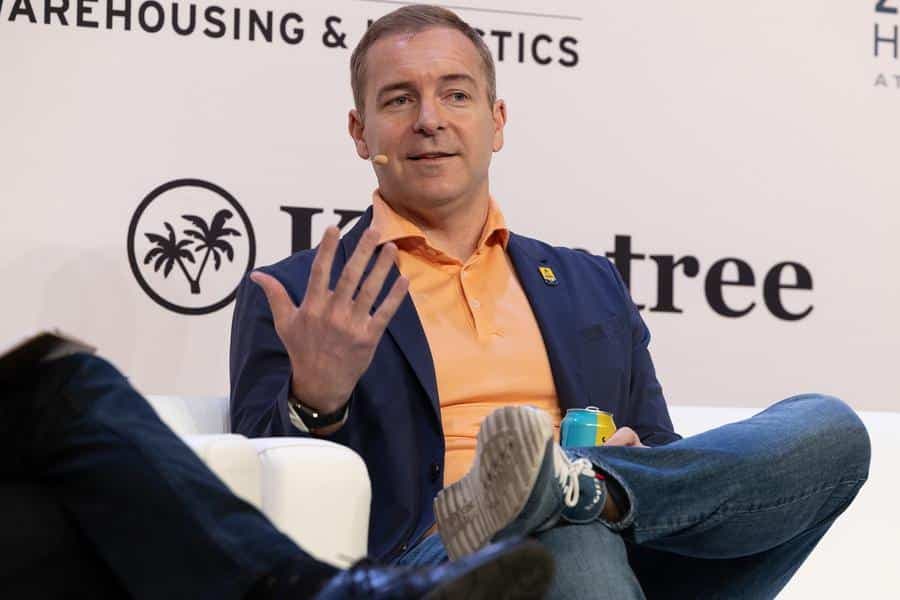
Athletic’s rise has reshuffled the deck of beverage categories. Shufelt will talk about building the company that powered that change, address how he's navigated explosive growth, what he’s learned about raising capital, and unpack his approach to brand positioning and category creation.
Speaker:
Bill Shufelt, Co-Founder & CEO, Athletic Brewing CompanyTranscript
Note: Transcripts are automatically generated and may contain inaccuracies and spelling errors.
Speaker 1 [00:27] Bill Shofeld. As a category disruptor has really kind of messed with people's psyches. He built a non-alcoholic beer brand into one of the biggest breweries in the country. He took in an investment from Doctor Pepper. He's been one of the prime movements, prime movers in the changes at breweries to start becoming their own total beverage shops. They're making soda, NA beers, THC drinks, and more. But beyond all the category shifting that he's been a catalyst for, He's also built an incredible example of a mission-driven brand, leaning into the outdoors and the sporting ethic, while operating as a B Corp. And according to a very recent poll, has developed one of the very best corporate reputations in the country. All athletic brewing. So, on behalf of someone who maybe once felt like he had a grip on the different categories and the way things work in this business. I, I just want to say to our next speaker, thank you for the identity crisis. You've created for all of us, Bill Shufelt, come on up and we'll see what we can learn from you.
Speaker 2 [02:10] Thank you. It's a high bar to live up to. It's a high bar to live up to. Thank you.
Speaker 1 [02:18] Well, it looks like you're already doing it. Um, Any chance of a coffee infused? Uh, athletic,
Speaker 2 [02:28] we've had a few limited releases. Uh, we teamed up with Super Coffee a few years ago, but we may do more of that in the future. Yeah, I, I mean this is really fun. This is 10 years ago. I was in the audience here as a pre-revenue entrepreneur. Um, it's fun to be on this side. I met one of our key investors at this event, at that meeting 10 years ago, so very fun.
Speaker 1 [02:49] So you've come a pretty, pretty long way in that time. Um, what's been the biggest thing that you learned? Well, 10 years ago, what was the most important thing you learned here that you think still applies now?
Speaker 2 [03:06] I think through and through is like the passion and authenticity of our brand. I was customer number one at Athletic. The need was so obvious in my life, like it was a fire I could not possibly put out, and I think there was a true passion, authenticity, a fulfillment in the idea. I'd previously been in a financial career that I never intended to leave, but I saw the opportunity by making moderation cool and accessible, could potentially possibly impact tens of millions of lives, and that's something I could have never had in my other career, and that's like really fueled my entrepreneurial fire all along the way. Um, so I, I, I, I think in entrepreneurship, that's one of the most important things it's like a true authenticity and desire, um, but yeah.
Speaker 1 [03:55] So, entrepreneurship itself has been going through this coolness boom, you know, like there, there's a point where people striking out on their own. To do this kind of stuff is cool. How much of your own story is tied to the growth at at athletic?
Speaker 2 [04:22] Well, I, yeah, it's, I, I think if we had launched Athletic 10 years earlier, it probably would have been too early. Like we've synced this up really well with the health and wellness boom, uh, a popularity of moderation that I was feeling in my own life and seeking to have out there in the product world. Um, I, I think entrepreneurship is easier than ever. The tools are easier than ever, but I think the The probability of getting to long term success is probably as tough as ever. We've always had Athletic taken the the harder route, the invest more, the more durable long view in our decision making as much as possible, whether that's investing in our quality, our team, our technology, our branding, and I think that served us really well to define those modes and really build a durable business rather than find a software for everything, make everything transactional, and Um, so, yeah,
Speaker 1 [05:18] so we had Tom first up here a little while ago talking about how hard it can be to be patient. Um, let's talk about some of the examples of things where you've, you've wanted to do something but held off.
Speaker 2 [05:35] Yeah, I think in every decision right from the beginning we've always wanted to go fast but potentially taken a more in-depth route, and I think that started with business planning with product formulation. Non-alcoholic beer was a basic lager category, and it was, it was really underserved on both the product and marketing side, and we've always taken a no compromise approach to both of those things, and we knew we needed to totally reinvent product. We didn't just want to contract brew a basic product and get it out to market and start transacting. We wanted to create a truly better product that has ever existed and offer more variety to customers. What they were looking for on the product side. But then consumers also need to be met on the marketing side also and so we put a lot of depth into that and investment and rather than jump right to like TV ads and stuff like that we did in person talking to people directly and investing at the grassroots level, um, yeah,
Speaker 1 [06:35] so it's these two insights, right? You got a product insight that You know, you can have a crafty or craft beer that's non-alcoholic, a quality beer, and a consumer insight that this can be cool. You know, since, of course, we are the arbiters of cool, um. Where did these uh insights come together for you?
Speaker 2 [07:08] Uh, yeah, so I think it was originally right out of my lifestyle. It was I knew in my healthy, normal, modern life I was looking for a beer that could keep up with me, where previously this category had been for recovering alcoholics, designated drivers, really stigmatized small populations. But I think where it really comes together is I was imagining my future life, how big health and wellness could be, and I think that's potentially a takeaway for the room is not imagining a category at its moment in time and what it is to the consumer, but where is it going and how big can it be or how do you want to position yourself? And to me, I saw non-alcoholic beer is not a designated driver beer that worked in 1% of 1% of the time. I saw it as a A beverage that was refreshing and fit in the lifestyle of healthy, active adults and professionals and active achievers in 99% of their life. And so it was an explosion of the tan, which required a totally different approach to the marketing as well. Um, and then that continued to surprise me all and along the curve where I did originally think most of our core consumer base would be people who didn't drink or lapsed out of drinking. And I started to hear almost immediately from heavy drinkers and like I was surprised that 80% of our customers consumed alcohol almost from day one and knew that Tim was going to be much bigger than I possibly imagined.
Speaker 1 [08:37] So was that the key signal that, that people who drank beer, all, you know, drank, uh, drank athletic and beer? It wasn't a, a binary.
Speaker 2 [08:47] Yeah, and that started to really shake out in our data. So previously non-alcoholic beer was 0.3% of the beer market, but when we were running surveys and collecting data, we started to get upwards of 55% of consumers would drink non-alcoholic beer on different occasions. So like the numbers and the data we started to get were absolutely striking. And, and we knew that like that was very clear from the start. I mean, we just passed 8 years in business. D2C of beverage was not an extremely popular thing back then. I think Hidden water was like an early innovator in that space, and we were the first beer to really go down that path. And we saw the traction almost immediately, but also what came back was the data, the feedback, the iteration on our side, and That happened much faster than the retail side of the business, I would say.
Speaker 1 [09:41] Um, so you're regional as a brick and mortar seller. Um, you're in smaller markets. Um, what did D D2C teach you that helped move things along?
Speaker 2 [09:57] Yeah, and I think one of the things we got very right in Athletic Brewing was when the time was right we did pour gas on the fire and scaled very fast, but for a long time, at least for us, we incubated and learned our lessons what I like to say off Broadway, and so we had our D2C channel where we were getting feedback and like servicing our customers better and communicating with them. And then rather than launch a ton of chains, we launched Connecticut at first, mostly independent. Whole Foods and Total Wine were some of our first retail, larger retailers who took us in, but very small pilots of like single digit stores, and it was basically a store network that I could go visit myself and go watch the shelf, watch how customers interacted, talk to customers there, see how our beer was turning, see how it. It, it traveled in different parts of the store, different shelves, if it was next to the alcohol versions in the craft beer set or if it was a standalone non-alcoholic beer set, and learned all these lessons at a very small scale. And then when we started to expand that we had really good data, very good rate of sale. We had a very clear point of view which was different than what the category was saying also about where we wanted to be on the shelf and where consumers want to see it. And so it was an extremely data-driven and like observation approach um off-Broadway.
Speaker 1 [11:25] So a couple of quick questions on that. How did you decide on that approach?
Speaker 2 [11:31] Um, somewhat by rejection, but somewhat, it was the resources we had. I was the only salesperson in the company. John, so John, one brewer, and one person on the packaging team were running the whole facilities and operations side, and I was sales, marketing, finance, HR, everything, and um I was covering Connecticut and Massachusetts at first, then ultimately New England, and it, it was basically the The bandwidth I had to visit those stores and And then very quickly we knew we were onto something, not only by like how fast the e-commerce was growing. Our e-commerce channel grew 20 or 30% month over month for like 2.5 years, but at the retail level, all of a sudden it started to explode and we outgrew this brewery we had invested so much capital into in like 10 months.
Speaker 1 [12:26] So one of the things when I, when I talk to new founders, you know, I always say like those first stores that you're in, you just want to haunt them, right? You want to be bothering your consumers, right, asking them why they picked it, why they didn't pick it, what were you looking at in these places?
Speaker 2 [12:45] Um, I, I want to confirm my suspicion from research that the customer was gonna look like me, um, and not in like obvious features. It was like they attribute something about are like healthy, active lifestyle, health and wellness as the mega trend, uh, busy professionals, and I wanted to make sure the consumer insights mapped with what I've been projecting and that helped me like size the market and where we would go next and stuff like that. Um. But yeah, also, um, In those tests, I was also just trying, trying to figure out a lot of things and um I, a lot of it was just talking to the retailer themselves and sampling. I, before we even opened our first distributor, I went around to 300 retail accounts in Connecticut between Independence and bars and restaurants to get a book of business to bring to our first distributor so that we started with a good start and in that. I make all this sound very easy. There was a lot of rejection. It's a lot of shoe leather too. So I, between, yeah, I think I put 120,000 miles on my Subaru in like no time, um, but it did 120 investment meetings which helped sharpen my sword on getting the right investors and my messaging there and then talking, getting rejected by so many retailers and so many customers whether it was in store or at a sampling booth. Helped me really get to know our customer really fast at that point, um. And then it also gave me a chance to speak directly to the consumer about this company that I'd put 2 years of thought into what I want this company to be the foundation, how it goes deep in the community and what it stands for, and then another year with John home brewing around Gatorade jugs talking about what we want Athletic Brewing to be in the future. And so that's how we got to like all our B Corp values, our 2 for the trails, 100% employee ownership, and so. Uh, all these things, uh, I like being able to talk to customers and retailers directly helped me convey that difference and to put the shoe on the other foot, I'm very glad for those painful experiences cause if I was an entrepreneur who hired an experienced operators for every vertical, who didn't want to get out in the field and learn those lessons for the company. You know, it becomes a very transactional surface level business, and I think the way we've been able to create such a community and a movement and depth to the brand has been all that hard work and I don't want to also imply that that work is done. Our, our team is also out there every day. Like I was at the Fairfield Half Marathon with our teammates this weekend, sampling over 5000 customers, running in the race myself, and our team is out there still doing the things. It's like if you just keep doing the things they scale.
Speaker 1 [15:40] Did you ever attempt to sample for people while running? Like, have you done the Bandolier method?
Speaker 2 [15:47] We've had very specific like Mile post sampling tables at very painful points in different races. Like there's a trail half marathon not too far from here where there's a really bad hill at like mile 9 that we have an athletic table at, but yeah,
Speaker 1 [16:04] um, what was the countervailing point of view that you were able to present to retailers and, and how accepting of it were they?
Speaker 2 [16:16] Yeah, and um, you know, I, I came from the hedge fund world and I, I thought I would have a lot of transferable skills and learnings as, as all people do in the financial world and I immediately learned I knew nothing about the industry I was going into. I had a lot of ideas, but we've been learning and iterating the whole way, um, and And really those things have carried through, uh, but in being like a student of the industry and broader industry, like I love all your events in the ecosystem, and I've been in it since we started, that's, that's not a sales pitch. I,
Speaker 1 [16:52] no, he, he was, he's been at a bunch of them. He's not lying. If you wanna be successful like Bill Schfeld, keep coming.
Speaker 2 [17:02] But, um, uh, that being said, like studying different verticals and how they went to their industry they were entering and so You know, plant, plant-based meat is one that comes to mind and like gluten-free, and I've seen how different industries have gone in and interacted with the incumbent industry. And if you go in and get everyone's hair standing up, you get all the antibodies of that industry and make it much more difficult. So I was very prepared to go into our partners both at distribution and retail and share how I was going to be an exciting partner for their future, help bring new consumers to the category, new occasions. Everyone's seen the independent corner bar struggling in the last 25 years. Great non-alcoholic drinks are Way to bring 50% of people back to the table in those occasions and more days of the week. We had I was bringing data that showed over 20% of our customers are new to the beer aisle where almost all adult beverage innovation people are pitching our partners as a one for one substitution for a thing they make a lot of money on already. And I was like, we are not trying to take that away. We're trying to be extra pallets on your truck, extra six packs in the fridge during the week, and we've delivered on that over and over again and So it's a long way of saying like a very positive sum mindset to the industry we went into, and I think that's also very transferable to almost any category people are in. Yeah, I,
Speaker 1 [18:28] I mean, I just want to make it clear like you've spent years helping to reshape the way retailers and distributors think about non-alcoholic beverages, think about their own assortments, um. Other shifts that it,
Speaker 2 [18:43] yeah, and there's been tons of missteps at retail too like we see every year retailers starting to run the playbook that we've already disproven in like 2019. And has been has failed multiple times
Speaker 1 [18:56] and that and that playbook is
Speaker 2 [18:59] well non the non-alcoholic beer consumer or the non-alcoholic adult beverage consumer is the same consumer as the alcoholic variant for the most part.
Speaker 1 [19:09] You put it in line, yeah, put it in a different section. Next to the, the AA guides and stuff,
Speaker 2 [19:17] yes, such a low percentage of the consumers identify as like a sober only shopper that wants to identi shop a sober only set, and we've seen that fail multiple times at retail where it does thrive is next to the other stuff, um, and Similar in category messaging and marketing. We have, you know, it's as categories explode, you see hundreds of entrants rush in and I know we've seen this play out in all different categories across every vertical over time, and it's very rare that more than 10 companies or brands survive like the future shelf of any given set. What a lot of the opportunist brands have come in with, whether it's a celebrity face or whatever is, oh. This is a sober product and they blare the sober messaging and I've really like missed the mark on where the category has been going the last 8 years.
Speaker 1 [20:11] So, what is it like as an entrepreneur who's built this category to all of a sudden have like every influencer or celebrity or athlete or Decide that they have invented a non-alcoholic beer category and jump in with a non-alcoholic beer. I guess my basic question is, what is it like to be chased by George Clooney. Down the aisles of your store.
Speaker 2 [20:46] I, I think it's overall great. It's, you know, uh, 10 years ago, no major beer brands would have put their flagship in the category, and no celebrities would have risked their brand to come into the category. And in many ways, I think it's helping knock down walls, um, and I think it's great. Um, and as a huge sports fan, I love athletes like we. JJ Watt was one of our early investors and Lance Armstrong, and we've had so much fun in those realms. But I do think going back to the authenticity and like creating your 1000 true fans and having layers of the onion of the brand where consumers not only interact with like a PR impression, but they love everything they find about the brand. Um, I, I think like in most CPG categories when you scrape a little deeper, there's not much there and so Yeah, we're, we're yet to see a select. There have been, I think, upwards of 10 celebrity non-alcoholic beer brands. None have cracked the top 20 yet. Um, so it's, I, I like that it helps bring attention and help destigmatize the category, but, um, uh, right now, Athletic, McUltra, Heineken, and the top 5 brands are driving like 70% of the sales and 70% of the growth.
Speaker 1 [22:00] Do you think about shifting resources to deal with competition from below?
Speaker 2 [22:07] Honestly, we think about a very positive sum. I am much more apt to be recommending other brands or how to round out the assortment, and I was talking to a major retailer upstairs before, and a lot of my category advice was where I think they can flank athletic really strong. So I was talking about other brands that you're doing category, and I ultimately, I want this to be a well diversified broad category and right like so trying to, uh, extrapolate for other categories too. Um, Target's been an incredible partner for Athletic, and in the early category development conversations we had such good conversations about the whole set, not just athletic, and how we can bring excitement to it and what it's going to look like in 10 years and I, I think that's like looking out for the category's best interest or at a bar and restaurant. I'm always in there recommending like, OK, you've got to have not only these athletic skews but this import this lager, and like,
Speaker 1 [23:03] so yeah, so you're, you know, if not in terms of data you're providing category captainship for this emerging space, um. Shelf sets emerge, evolve so quickly, and consolidation is taking place everywhere. Um, how should founders who are trying to create new categories think about uh the key data point for selling it in?
Speaker 2 [23:36] Yeah, I think, I think the right set is important. It's got to be for a category to be successful. It's got to be really efficient usage of the retailer's square footage, being, being honest about where both your brand and the category is. We've held back a lot of channels at Athletic over time before we launch till we're ready. Because we want those retailers to be successful. We also held back and continually asked retailers for smaller regional pilots rather than national launches to where we could support them well. But then I think assortment is a huge thing too, even within the very young under 10 years non-alcoholic set, we have seen full categories come in and fail but take up a lot of space, so. For example, um, you know, hot water products are delicious as a category, not the brand, um. But I, I think that category came and went. It topped out at about $25 million nationally and has now kind of like moved out, but that was taking up a lot of space in the non-alcoholic beer set for a while, which made the whole set less productive, and I think now that that's cycled out, um, you know, you could argue like that probably should have been in the water aisle as like a water priced product, um. But like those assortment decisions for emerging categories are so important also.
Speaker 1 [25:00] So you are going through this period and have been going through this period of fast growth and we hope that for everyone here. Um, what's the one quick piece of advice you have for brands as they enter that hypergrowth phase?
Speaker 2 [25:19] It's just keep learning and growing. Don't, don't get caught in one step of your business. Like me and John and all 300 of our teammates are like all learning and growing and are much different every year. Um, you know, John and I are stretching and learning in a lot of different directions these days and have been the whole journey. Um, I, I think that's probably the most important is like there's going to be a lot of bumps in the road. There's always going to be 10 fires when you go to bed at night. It's just taking care of your team, learning, growing, and trying to have fun. Like we had our monthly team update call as a team, which we do every month. All 300 people jump on a team, celebrate wins, what everyone's doing out in the world, and you got to make sure to have fun, connect with your community, and make sure it's not a transactional business, because ultimately that's like not fulfilling.
Speaker 1 [26:06] Well, unfortunately we have to be transactional right now. I'm really sorry, um, but thank you so much for all the time. I hope you come back.
Speaker 2 [26:13] Thank you. Yeah, I'll be in the audience. Thank you.
Related Videos
The State of Cannabevs: Strategy on Deadline
With federal regulations about to put this fast-growing industry into a time-out, we look through the lens of brands, distributors, and lobbyists for potential futures for this fast-growing segment.
AI and Online Retail: Brand Building Meets Agentic Commerce
In a special tactical presentation, sales, marketing, and tech experts share a concrete playbook for making your brand legible to AI agents — without gutting what makes it human.
Retailer Profile: Launching and Maturing with Whole Foods
A rare founder–buyer conversation on what makes a pitch resonate, how brands can build productive retailer relationships, and what growth actually looks like once you’re on shelf.
Exit Interview: How Dirty Shirley Cleaned Up
Longtime beverage marketing veteran Adam Kost discusses his lean startup, proof-of-concept strategy, the key insight that gave Dirty Shirley the oxygen it needed to grow.