
Search across the BevNET CPG Media network including BevNET, Nosh, Brewbound, Taste Radio, Nombase and CPG Jobs.
AoFrio Responds to Growing Beverage Industry AI Demand with Ask iQ
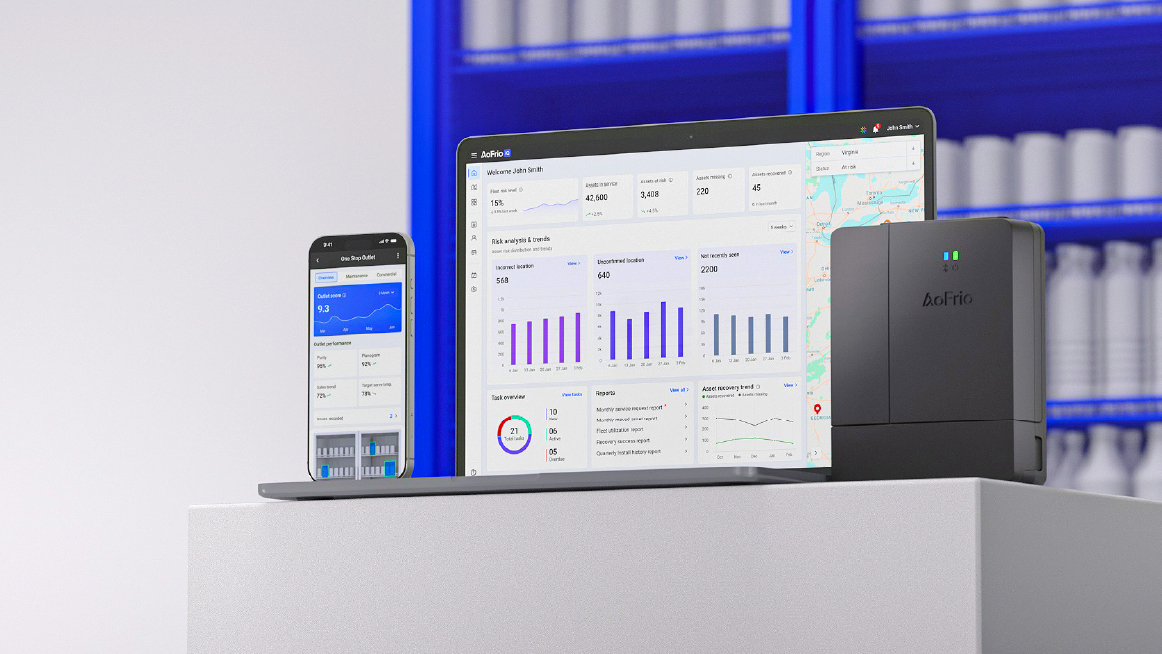
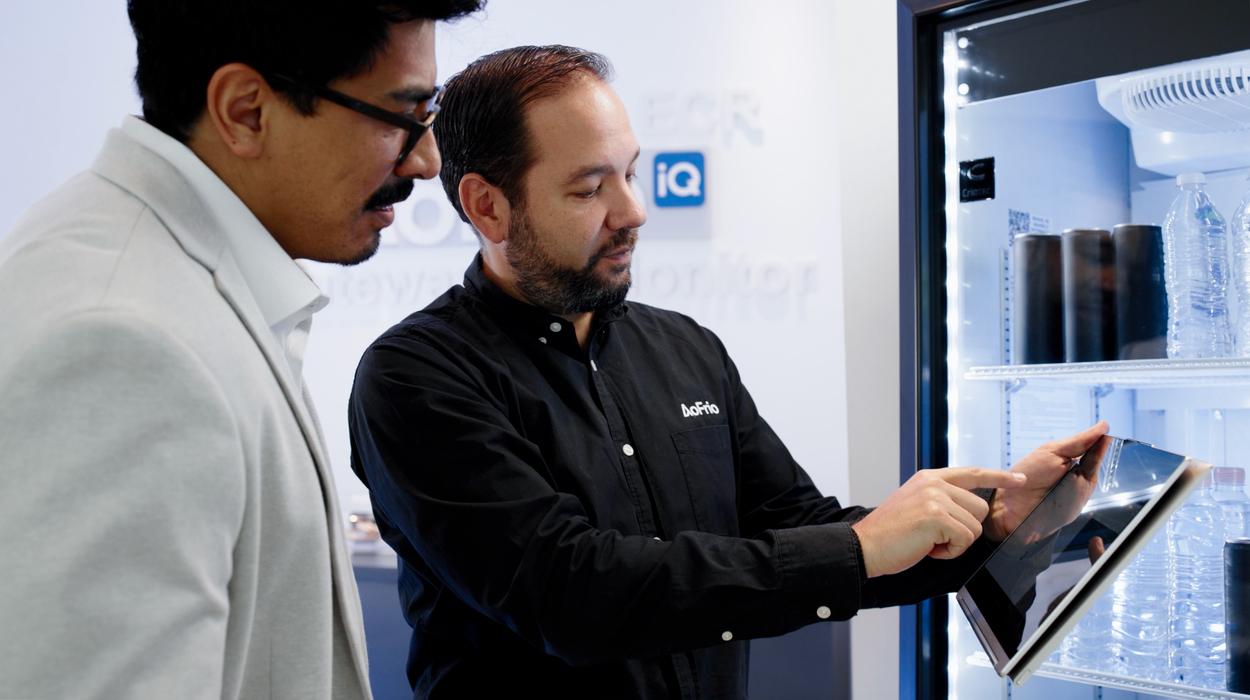
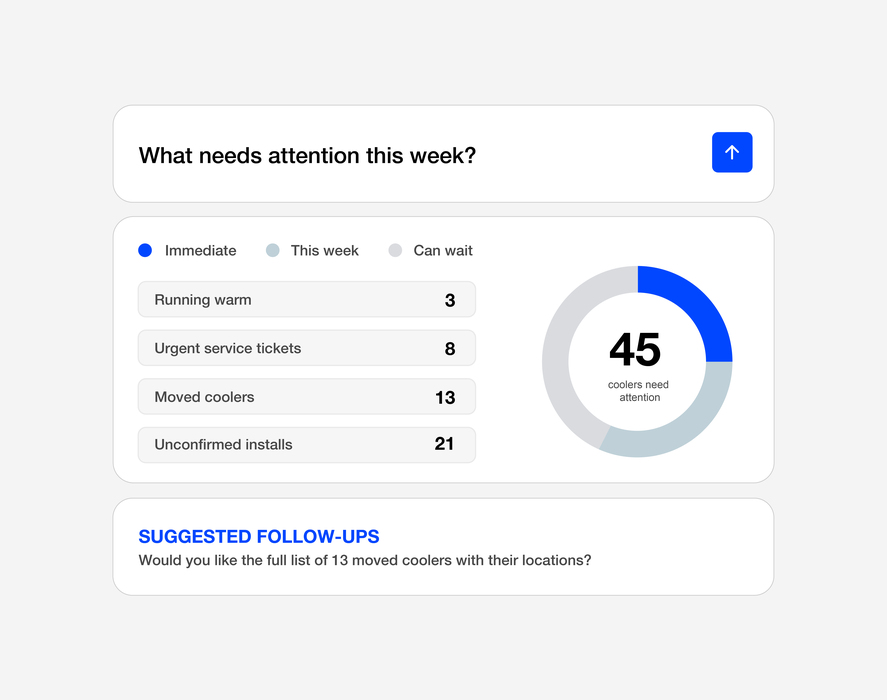
AoFrio iQ, the refrigeration technology company’s secure SaaS platform, is now available with Ask iQ, an AI-enabled feature that allows for more personalized and accessible insights from connected coolers.
AUCKLAND, NEW ZEALAND, 22 October 2026 – AoFrio Limited has introduced Ask iQ, an artificial intelligence (AI) feature within its intelligent and secure AoFrio® iQ™ software platform that allows Cold Drink Equipment customers to ask questions about their connected cooler fleets using plain language.
Beverage brands managing large fleets of cold drink equipment assets can use Ask iQ to interrogate fleet information without needing to build complex reports or search through multiple dashboards. The feature is intended to make cooler fleet data easier to understand and act on, helping teams with personalized insights to identify issues across asset protection, maintenance, commercial performance, and sustainability.
The launch comes as beverage companies show strong interest in using AI to improve the performance and ROI of cold drink equipment. AoFrio’s 2026 industry survey found that seventy-seven percent of beverage company respondents were interested in trialling AI-driven predictive maintenance within the next six to twelve months.
AoFrio Chief Executive Officer Greg Balla said the addition of Ask iQ reflects the growing volume and value of data generated by connected refrigeration assets.
“Through early pilots we onboarded more than thirty customers in Latin America, North America, Europe and APAC onto AoFrio iQ. We’ve spent the past twelve months working closely with our industry partners to improve and build on AoFrio iQ, and now we’re launching Ask iQ to make fleet information easier to explore and improve the overall user experience,” Balla said.
Ask iQ is designed specifically for commercial refrigeration. Rather than returning generic information, the feature analyzes each customer’s own connected refrigeration fleet data and provides answers relevant to its assets and operations. Fleet managers can use AskiQ to create custom reporting or find answers outside standard dashboards to tailor insights to their unique business needs.
“Connected coolers are producing more and more signals on consumer behaviour and operational performance, and food and beverage brands are seeing the value of that data when it comes to increasing sales. AI is becoming an essential tool for analyzing commercial data and distilling it into insights that businesses can use,” said Balla.
Hardware and software designed as one system
AoFrio’s approach to delivering insights on connected coolers brings together hardware and software, designed to work as one secure and intelligent system.
The AoFrio SCS 800 Controller captures rich, always-on telemetry from equipment in the field. This gives customers greater visibility into where coolers are, whether they are performing as expected, whether they are holding temperature and how effectively they are supporting sales.
That information feeds directly into AoFrio iQ. The controller inside the cooler and the secure software used to manage the fleet are part of the same system, so customers can connect what they see in the platform with what their equipment is doing in the field.
This differs from applying a separate software layer to third-party hardware. AoFrio’s integrated model is intended to improve the quality and usefulness of the data available to customers, while reducing the need to piece together different solutions from multiple vendors.
The demand for richer, cellular enabled data is already visible across the industry. Sixty-six per cent of beverage company respondents surveyed said they were interested in trialing or adopting always-on connectivity in the next six to twelve months.
Turning cooler data into practical action
“AoFrio has more than twenty years' experience in commercial refrigeration, with more than 3.7 million coolers connected to our platform. We have more than fourteen years of experience building Internet of Things (IoT) technology in the Cold Drink Equipment space. That has given AoFrio serious visibility into cooler performance. We know by looking at the data from a cooler what early indicators of operational issues look like, and we have built machine learning algorithms into our software specifically for our industry to surface up meaningful insights,” said Balla.
Ask iQ applies AoFrio’s deep domain expertise to the customer’s own fleet data. This improves decision-making, helping asset managers and users find relevant information faster, identify patterns and decide where further action may be required.
AoFrio says there are four areas where AoFrio iQ’s connected fleet data and AI-assisted analysis are creating the most value for customers:
Asset protection: Delivers location information and alerts to help fleet owners identify potential theft, misuse, or incorrect placement.
Coolers run for less: Provides early fault indicators and remote diagnostics to help service teams investigate problems before they result in equipment downtime or more expensive repairs.
Selling more through every cooler door: Usage and performance data help beverage companies identify at-risk outlets, underperforming assets, and opportunities to improve cooler placement or availability.
Cut energy use and emissions: Whole-cooler power measurement gives customers better information when managing energy consumption and reporting progress against sustainability targets, including Scope 3 emissions.
Balla said the value of AI ultimately depends on the quality and relevance of the data behind it.
“AI on its own does not solve fleet management problems. It needs reliable data from the equipment, relevance to commercial refrigeration, and alignment to the operational decisions customers need to make,” he said.
“Ask iQ brings those elements together. Our focus is to help customers move from collecting cooler data to using it, whether that means finding an asset, investigating a fault, lifting performance, or improving sustainability.”
For More Information:
Learn more