Search across the BevNET CPG Media network including BevNET, Nosh, Brewbound, Taste Radio, Nombase and CPG Jobs.
Sponsored Workshop: Finding Liquidity in Beverages - A Strategic Framework for Middle Market Executives & Owners

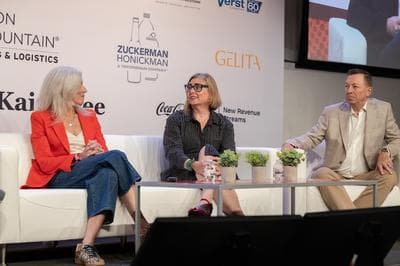
This panel discussion will focus on the key considerations (valuation, structure, process) when exploring strategic options for a liquidity event, including a capital raise, partial or full exit. Our panel of three beverage transaction experts will share a framework and key steps in conducting a strategic review, including financial due diligence and legal review. The session will include a slide presentation and discussion followed by Q&A
Ross Colbert, Managing Director, Food & Beverage M&A, Carter Morse & Goodrich
Simon Jewkes, Partner, Transaction Services, CitrinCooperman
Seth A. Milligan, Partner, Private Equity / M&A, Holland & Knight LLP
Transcript
Note: Transcripts are automatically generated and may contain inaccuracies and spelling errors.
Ross Kolbert [00:27] So, good morning again. I'm Ross Kolbert. I'm Managing Director at Carter Morrison Goodrich. Uh, I'll tell you a little bit more about myself, but I've invited two experts to join me here on stage, uh, transaction M&A growth capital experts. I think we'll have a relevant discussion, as you said, finding liquidity in beverages, a little bit of a play on words words, but I think many people here over the last day or two have had conversations around liquidity events. I think it's Uh, Given the market, it's a, it's a topic that's, uh, you know, much talked about, and I think the interest shows. So with that, I'm gonna pass the mic over to Seth and Simon. Yes, there we go.
Seth A. Milligan [01:20] Hi everybody. My name is Seth Milligan. I'm a partner at Holland and Knight, which is a global law firm. Uh, I'll give you a little bit more detail on Holland and Knight when we get to my portion of the presentation, but I'm a mergers and acquisitions and private equity partner. And I do a lot in consumer beverage, I mean, consumer products, especially food and beverage. And in addition to working on M&A transactions, I do a lot of commercial agreements, including contract manufacturing agreements, distribution agreements, license agreements, and help folks with, you know, their different supply chain agreements as well. Simon.
Speaker 3 [01:54] Thanks, Seth. Hi, everyone. Uh, Simon Jukes. I'm a partner at Citron Cooperman. We're an accounting, tax, and consulting firm, so I'm the bean counter in the room. Um, based in, in New York, live in New Jersey, and I've been working in M&A transactions for about 20 years now, uh, both on the buy side and the sell side. So on the sell side, helping, uh, small and mid-sized companies, getting ready for a sale, uh, focused on the accounting and tax elements. So, looking forward to the discussion today.
Ross Kolbert [02:30] Thanks, Simon. So if you're not familiar with Carter Morrison Goodrich, we're a middle market, lower middle market investment banking boutique. Uh, we focus on founder and family owned businesses. We've been in business 40 years, uh, and have. Over almost 500 transactions and over $6 billion in transaction value, we have essentially 4 verticals industrials, consumer, manufacturing. Um, I lead our food and beverage practice, which covers the value chain, as you would expect, upstream with ingredients and inputs downstream to brands, processors, distributors, all the way to e-com and retail. This is a snapshot of beverage transactions I've been involved in over my 40 years. That's 5 in the operating side in the Coke and Cadbury Schweppes network early in my career and then the remaining 35 years plus again beverage transactions across all categories, so beer, wine and spirits, soft drinks, water, tea, coffee. If it's drinkable, I've probably worked on it in my career. And this, this slide just highlights on the left-hand side, your left, uh, soft drink transactions on the right-hand side, beer, wine, and spirit transactions with large and small clients. We, we, we work across all boundaries, geographic as well as, you know, size of business. But again, largely founder family owned businesses. So I'll start this just to kind of get frame the discussion around the beverage landscape, uh, effectively, you know, 1.7 trillion in US beverage industry value in, in sales, 1.7% Keger uh from 2028, and roughly 280 M&A transactions over the last 24 months. As we walk around Bevnet, we obviously recognize the key drivers here. Premiumization, certainly functional beverages, is really helping drive the premiumization trend. Health and wellness overarching, certainly the largest driver for beverages today. And I would say, you know, supply chain disruption has also had an impact on how companies view M&A and their capital needs. And then lastly, the consolidation wave continues, and it does come in waves based on Things like interest rates and, you know, how optimistic business owners are or we're not, and I think we're kind of seeing the transition now from COVID, you know, 4 or 5 years, uh, the impact that's taken and how it's driving M&A. There are really sort of 3 buckets, if you will, about how to, you know, finding growth strategies, and as you think about strategic options, finding growth is, is always the highest priority. I look at it through the lens of its organic growth, meaning, finding ways to grow your existing business through could be skew innovation, could be geographic market expansion, and it could be sort of more, more focused on on-premise or off-premise depending. On if you're in an alcohol business or maybe you're more of a refreshment beverage, M&A is always a tool whether it's bolt-on acquisitions, you know, finding complementary brands, or looking for tuck-in acquisitions to get more vertical integration. And then lastly, more asset light. Options like brand licensing or export to offshore markets is also an opportunity for growth and then channel expansion as we've seen over the last 5 years, the disruption in the, in the, in the hospitality industry pushed a lot of people out of, out of the Hareka Channel and into either direct to consumer or some other form of, of uh. DTC Madison Club are still, you know, huge volume opportunities, but obviously require a lot of, uh, of more capital, more working capital to support. Um, brand innovation. You know there are levers within if you're a brand owner here, you think about the world through what do I need to do to drive my brand's growth, whether that's defending your core business, leveraging your brand line extensions or one time limited offerings, and you can also be a pioneer and use sort of innovation whether it's in packaging or in Product format we're seeing a surge in powders and in liquid concentrates that are really sort of helping drive. Things like bottled water as a means of increasing per capita consumption of your water brand. And then lastly there's always rationalization as we know we've got higher costs whether it's in the supply chain or in labor markets, and as a result it forces you to really examine what's core, what's not, and where should you focus your efforts. Why consider strategic options in 2026? I think. First and foremost, I would say it's, it's a function of capital costs and interest rates primarily because right now if you look at Calci and the predictive markets, the bettors have a better than a 60% odds that the Fed is going to raise rates within the year by July 2027. And you know I keep an eye on that. It was 52%. Maybe two weeks ago, so it's it's clearly the closer we get to 2027, I think those odds are going to continue to go up and the impact of that is that it starts to narrow the window on valuation, on higher valuations, because the cost of capital is fundamentally what what really drives business valuations, discount rates, and effectively EBITDA multiples. Um, the other reasons, I mean, there's succession planning issues, we call it the gray tsunami, where, you know, aging business owners, there was a recent survey I read 42% of business owners in food and beverage are thinking about retirement or an exit strategy. Uh, I would also say, interestingly, boards board of directors are getting older. And that is, it sort of raises the question around also at the same time, we've got this wave of technology and there's, you know, a little bit of a disconnect there potentially between, uh, you know, uh, boards looking to retire and I think we're also seeing, I see discussion about term limits like Congress on boards of directors, and I think that's something to keep an eye on. Um. Liquidity options. So cost of capital is an important consideration whether you're going to do a capital raise, whether you're doing an acquisition, or you're contemplating a divestiture. It's important to know what the capital markets will bear. This slide just highlights sort of the tranches that are most common, right? It starts at the bottom of the screen with a revolver, an asset-based loan at roughly, so far right now is about 3.6, so you add, you know. 250 or 300 basis points to that and you're going to be at that 8 to 9 times or 9% average above that, you know, you've got Unitranche at 11% mezzanine debt at 14% on average, which is really sort of bridge capital between as we would think subordinated debt between equity and longer term debt. And then the higher up you see preferred equity at 16%, so this is like a convertible preferred note or growth equity where private equity funds are investing and they're looking for that 15 to 20% return on capital. So These are just some basics to think about how you think about capital and how you measure your capital costs against today, against what you might be looking at a year from now, as you think about Options So This slide is really about 6 different types of monetization. Um, so I, I guess I would start first with the strategic sale because that's the one that sort of draws the most attention and The ones, the ones you read about in the journal or you know on Bevnet, and that's really the strategic buyer where it's a 12 to 15 times EBITDA multiple, you know, that's that we're talking about the beatbox or the buzzballs or the poppies of the world, typically a full exit to a strategic buyer. And that really is the highest, uh, has the highest opportunity. It's also one that brings a dramatic shift for a business owner to sell his business, and as a consequence, it's one that gets probably a lot more careful thought and consideration. Private equity, uh, probably the second best opportunity, but honestly, there are 19,000 private equity firms in the in the US and almost $1 trillion of dry powder on the sidelines looking for investment and private equity is getting a bit stale right now. It's there's a lot of Private equity investments that are, you know, no longer in the 3 to 5 year horizon, they're, they're now been pushed out to 7 or 8 years or longer. Um. The other, the other options here is more of a traditional management buyout where it's a typical leverage recap at 7 to 9 times EBITA in all likelihood with the owner getting some liquidity but staying rolling over part of that liquidity, staying active in the business for what could be a second or third bite at the apple, so to speak, for. In the future. Um, on the bottom half, it's, it's more specialty, right? It's an ESOP, it's in its IPO or SPAC, which, you know, today we're talking about IPOs, can't help but acknowledge $75 billion IPO uh going off today at a at a $1.75 trillion valuation for SpaceX, just uh Key decision factors, these are, I think, just something to think about as you evaluate options, you know, control and governance, big difference between a control, you know, governance and a control where you're giving up control and versus you know doing a minority equity stake raise. Um, I think certainty of clothes is today an important issue. Strategic deals have a higher certainty of clothes. IPOs have a much lower certainty of clothes just for the regulatory issues. Um, I would say, you know, tax efficiency, uh, you know, I'll let Simon, speak to the tax considerations because they're significant. Sorry. Um And then growth opportunities. When I talk about process and timeline, it's really a 6 month window we see for transactions. It's, you know, it's a little bit certainly longer for an M&A deal than a growth capital raise. I would say growth capital, you should be thinking 4 months, whereas an M&A deal could be 6 to 9 months. And then the framework, I think I'll leave you these five thoughts. One is, you know, clarify your objectives as you think about liquidity events. In other words, take the time to talk to your shareholders and your board about long-term vision, capital needs, how do we prepare for it, and be thinking like 12 to 24 months out so you're not waiting and scrambling at the last minute. Secondly, engage advisors early. Like, you know, your, your, your lawyer, your accounting firm, your advisor, because I think too often people wait till it's too late and it's a scramble, and you want to make sure that you're, you're not under duress when you're trying to make a decision regarding capital. Access the business readiness, you want to assessing that is super important because it can take a while. I mean, I'll let again let Simon take that one because it really involves, you know, Getting the house in order, so to speak, and that can involve both time and expense. And map out the universe of options again. Talk to an adviser to understand what's what's possible and what's not. And then lastly, run a discipline process whether you're raising capital or looking to sell the business. A competitive tension is the best. Way to get the best results whether it's the highest value or the best terms you you really need like 5 to 6 or even more suitors to really effectively negotiate a term sheet that matches your needs. So with that, I'm going to turn it over to Simon.
Speaker 3 [17:13] Thank you, Seth. Thank you, Russ. Apologies. Um, shall I grab the click. Perfect. So, over to the bean counter. So, Citroen Cooperman, um, so we have grown significantly. We're now the 16th largest accounting firm in the US. So, um, Ross was talking about being acquired. So, our firm was acquired. We're now owned by, by private equity, that we're owned by Blackstone, the largest private equity fund in the world. So we've been growing significantly. We now have, I think, close to 4000 people in the US. I think close to 40 offices. Um, we have about a billion dollars in revenue and roughly 500 partners. Um, but really our focus is on, uh, small and medium sized companies. Um, so, you know, many of you out here are kind of in that growth stage as a small or medium-sized business, so. Our firm can help support you with your accounting needs, uh, tax needs, and then, uh you know, M&A needs as you, as you grow and scale your business. So I know this is a little small. So really there's kind of three main boxes our tax, tax team where we can provide a whole range of tax services whether that's your basic tax compliance, you know, filing your tax returns or other tax. Consulting services, making sure you're filing your state and local taxes correctly, maybe considering international taxes, R&D, R&D credits, those types of things, and then the assurance side is eventually if you're raising debt or selling the business, you may well need an audit or review of the financial statements. So we have a team that does that. And then I sit within our advisory group, um, providing our transaction advisory services. So that's uh financial due diligence or quality of earnings services. We also have a valuation group. Um, we have a digital services practice that can help you with your IT needs. So, um, on the accounting side, many of you might be on QuickBooks, and as you grow, our team can help you transition to A more sophisticated IT system, whether that's NetSuite or another ERP system. We also have a team that can help with your CRM system, you know, getting you onto maybe Salesforce or um a different platform. Um, and then we also have our, we call it our BPO team that provides outsourced accounting services. So many of you, as you're growing, you may not hire an accountant, a full-time accountant, so we can provide those bookkeeping services to help you get started out with, you know, preparing your monthly financials, you know, closing the books, you know, creating a gap or accrual-based financial statements. Um, so we can really sort of provide that full suite of services to help support you as you as you grow. Um, and then, yeah, a little bit more on our transaction advisory services. So as a firm, we work on about 200 deals a year, both on the buy side and the sell side. So I, I'm roughly maybe 50/50 split between the buy and the sell side. So I think that helps me understand, you know, as a seller what buyers are going to be expecting, you know, the types of questions they're going to be asking. We work with a range of different clients including private equity buyers and sellers, independent sponsors, um, bigger corporate strategic acquirers, family offices, so kind of across the universe of the M&A world. And then in terms of our M&A services, you can see a list there of some of the different areas, the financial and tax due diligence, but then tax structuring or deal structuring. That can be important to try and maximize your after-tax proceeds, you know, thinking about the entity structure or any maybe tax reorganization that might be needed to maximize your, your after-tax proceeds, um, purchase price accounting, so that's our valuation team can help with that, uh, financial modeling, and then on the IT side, um, especially on the buy side, you know, we can help with IT diligence or cyber diligence. Um, so kind of a lot of different services across financial tax and IT. And then in terms of the deal life cycle, just a quick overview initially from the sell side. So you know for those of you who own a business who are thinking about either selling you the full company or doing a growth equity raise or even a debt investment, you know, some of these, this is kind of typical process that you'll be going through. So pre-LOI. As Ross mentioned, you know, engaging your advisers early is important. On the accounting side, oftentimes, you know, smaller businesses might be on a cash basis of accounting or perhaps like a modified accrual based accounting. So you know one thing we help with is is either converting fully to an accrual basis or through the financial due diligence or the quality of earnings report helping to present your financial information more on an accrual basis of accounting because that's what you know buyers are going to be looking for. We can also help you prepare your adjusted EBITDA, which is going to be a key metric that a buyer is going to look at to value the business. So typically there's a multiple that will be placed on that adjusted EBITDA, so we'll help you come up with adjustments to EBITDA. Other things in that pre-LOI period is the tax structuring piece, you know, thinking about. Should you change your, um your tax classification or what's the best way to structure the deal, um, as you go through, you know, getting offers, letters, LOIs from, from bidders, um, we can then help with supporting you through the due diligence process as buyers are starting to ask questions on the accounting and tax side through to the purchase agreement once you have that one buyer. They're going to provide a draft of the purchase agreement so we'll help with the accounting and tax elements of the purchase agreement to help support you as a seller to make sure you're well protected and then post closing, hopefully the deal closes, we can then help there's typically a working capital. Mechanism as part of a transaction, so we'll help with that and a post closing true up. And then kind of in reverse on, on the buy side, a lot of, you know, the process will be similar, you know, I, I'm sure there's a few strategic buyers potentially in the room working for larger corporates, so, you know, we can help you on the buy side, you know, through the process, um, same thing, you know, with the financial and tax diligence, you know, thinking about initially some of those red flags, um, and then supporting you through the process, through the closing. And then potentially post closing. Both for strategics and, and private equity. I'm not sure there's any private equity investors in the room, but, you know, post-deal, helping to, um, you know, Work on your thesis, whether it's on the IT side, so, um, implementing a new IT system to help get more value out of the company, get better data on the accounting side, oftentimes post-de you will need to get audited financials prepared if you're going to be acquired by a PE fund or if you're closing a debt investment they're going to need audited financial statements, so our team can help with that. And then just quickly going back to how your business is going to be valued typically. And you know how our work will impact that. So, so as I mentioned earlier, your your valuation is typically going to be based on a multiple of EBIT data. So you can see there, you know your your EBIT data typically on an adjusted basis. So, um, then you'll apply, apply a multiple and, you know, Ross and his team are kind of experts on, on multiples that you might get in your industry, depending on how quickly you're growing, you know, it could, could be 5, 1015 times multiple. I know you, you are saying some of those strategics are paying maybe 15 times in some cases. Um, so we'll help with the adjusted EBITDA piece that goes into that equation. We can then help with the networking capital element that a lot of small to medium sized companies will need help with that preparing your networking capital, identifying adjustments to working capital that will be a key part of a transaction. And then you're typically selling the business on a debt-free, cash-free basis, so we'll help identify both your reported debt, but also other debt-like items that could significantly impact the eventual purchase price. Um, so yeah, a little bit more detail on, on each of those. So for the, the EBITD piece, what do we look at? So we're looking at some of your accounting policies. Are you accounting for things on a cash basis or accrual basis, um, management, uh, add back. So oftentimes small medium sized businesses will have a lot of personal expenses that they run through the company, um, and you know typically you're doing that because you want to. Reduce your income for tax purposes, so you know you might be running personal expenses, maybe personal travel. Could be a private jet, whatever you're lucky enough to have as a business owner, you know, sports tickets, so all those types of things you're running through the business to minimize your earnings for tax purposes, but now we're trying to think about how do we maximize our profits to show buyers, hey, look, we have a high EBITDA number, so we'll help you quantify those items and figure out what we can add back to EBITDA to maximize the adjusted EBITDA. And prepare analysis that is defendable so that when the buyer starts digging in, we have good analysis to support all those adjustments. We're also digging into your, you know, revenues and gross margins and operating expenses. You know, a lot of uh the transaction will focus around your margins, like how profitable are you as a brand, um. You know, as they're benchmarking you as a business, that's going to impact your valuation as well. So helping prepare good analysis of that. Oftentimes if we can, we'll look at gross margin maybe by product type or customer type. To help buyers really understand what's driving the profitability of the business. Working capital element, as I, as I mentioned, um, that will also be a key part of a deal, you know, understanding your inventory and your, your accounts receivable, um, you know, how's the business doing with managing inventory and AR kind of often drive that working capital. And then the debt and debt-like items that will impact the purchase price, um, you know, oftentimes things like customer deposits or deferred revenue, accrued bonuses could be considered there. Um, so yeah, a key thing we do when you're either selling the business or trying to raise capital is what's called a sell side QOE or a sell side quality of earnings. So this is an investment you're going to make as a seller that there's kind of 5 or 6 key reasons to do it. You're, you're taking control of the process in terms of the financial information you're you're sharing with buyers, you know, you're controlling the narrative of those EBITDA adjustments and working capital. You're hopefully finding any issues before you go to market, before you start talking to investors, so that as a sell side team we can then help you manage those issues, try and avoid surprises down the road once a buyer comes in. You know trying to avoid a risk of, you know, last minute a buyer finds something that kills the deal. Um, that kind of feeds into number 4, you know, increasing the certainty to close, you know, better aligning expectations about what your actual earnings are on an adjusted basis, what's the valuation going to be. You know, obviously having an experienced team on the accounting and tax side supporting you because the buyer in many cases, well, in all cases, will hire their own accounting firm, so having your own team that can go head to head with the buyer's team to help you answer their questions, defend our position on, on, on adjustments and the value of your business and ultimately to try to increase the value that you'll get for. for your company. And then just quickly. Some of the differences between an audit and the quality of earnings. So, um, you know, for those of you who aren't as familiar with sort of the different accounting services you might need, um, so an audit, as you're growing as a company, um, either your, your lenders, so if you're raising bank debt, they'll often need an audit. So an audit is done on an annual basis. It's done on a US gap accounting basis, and there's not a lot of flexibility. There's certain rules about what the audited financial statements will include. Whereas equality of earnings is done more on a monthly basis, so You get to show your latest performance through to the latest trailing 12 month period. So let's say you're selling the business now, you know, we'll be looking at maybe April or May financials to try and capture that growth that you've achieved as a business. You know we're looking at key metrics as mentioned multiple times, your EBITDA and working capital. So there's a number of differences there between the audit and the quality of earnings. An audit typically can take 10 to 12 weeks, but that also depends a little bit on how good your financial statements are. So smaller companies may not be on an accrual basis, and if you're not, then an audit can take a little bit longer if there's more time needed to convert to an accrual basis and get the financial statements ready for an audit. Um, quality of earnings can be a lot quicker. It could be 4 to 6 weeks. Um, and, uh, yeah, so those, those are the main differences there. And then growth transactions. So I know a lot of, a lot of the companies in the room might not have a lot of EBITDA yet. So you know you might not be highly profitable yet. You might still be in that phase of growing revenue. But you want to raise, you want to raise some money, um, whether that's on the equity or the debt side, so. The focus will be slightly different there, you know, your, your valuation is likely more based on your revenue. Maybe it's a multiple of revenue that will drive the valuation versus like an EBITDA-based valuation. So in that case we can help on the sell side with helping validate that revenue so we can tie out your revenue to the bank statements we can. Provide analysis on, on revenue and margins that bidders are going to be looking for. Also, the working capital and the Capex piece is going to be important, you know, where are you at in your capex cycle and what you need to get to the next stage, um, you know, helping present that analysis to investors. And then doing the accounting assessment. You know, many of you as a smaller business may not have invested heavily yet in, on the accounting side, so at least helping to um lay out where you're at and maybe even help, you know, convert to a gap or accrual basis. And then finally, uh, so I'm not a tax guy myself, but we have a large tax team and, and tax can be very important for you in terms of maximizing value, um, you know, can sometimes be overlooked and sort of considered last minute, but, you know, the more work you do in advance to think about the tax structure of the deal, um, and actually I stole this slide from our tax team. They said how early is too early? They said. Never too early to talk to your tax adviser. So, you know, that's forming an, you know, considerations about forming an entity. Um, some of you may have heard of the QSBS or the qualified small business stock structure where you can get significant benefits as a seller, you know, excluding up to 10 million of capital gains, uh, tax-free or 10 times your basis. Other types of entity structures like LLC or pass through entity transaction planning. And then tax modeling as well, which could be if you're getting different bidders, different offers from bidders, you know, we can help assess those from an after tax perspective, you know what you're actually going to take home after tax when you consider the structure that a bidder is offering and helping you potentially negotiate a tax gross up, you know, depending on the structure, whether it's an asset or a stock deal. So I think that's probably enough accounting and tax talk. I, I think you're all still awake, so I'm glad to hear that, and I'll, I'll pass it over to, to Seth.
Seth A. Milligan [36:05] Thanks, Simon, I appreciate it. I think he undersold, the benefits of a QOV, sell side QOV. They're worth their weight in gold. I can tell you that. You want to be able to negotiate from a position of strength that that often gives us. Just a brief overview of Holland and Knight. Uh, as I said before, we're a global law firm. We're more than 22,200 lawyers across 35 offices. Uh, we're talking mostly about M&A and corporate transactions. We have more than 375 attorneys that are dedicated to just doing that. Last year we did more than 700 transactions, both on the sell side and buy side combined for an aggregate value of just over $43 billion and the average size of the deal was $71.2 million. I myself do deals below $50 million all the way up to in excess of a billion dollars. If things go well. I represent a lot of private equity firms and so it's kind of cradle to grave. We do the initial acquisition, the add-ons, and hopefully a great exit. And the same for the founders too. We hope to grow with you. So, Ross spoke about kind of your definite options for liquidity. I'm gonna go through these 6 topics that kind of apply to a lot of them. The end of the presentation is a little bit more geared on an exit or a sale. So the first, preparing your business, we'll go, uh, there, it's really just get your house in order before you go to sale. You want to, you know, before the buyer starts looking in under the hood, have everything ready to go. As Simon said, it's never too early to do that. Legal due diligence, we'll talk about that generally as well as specifically for the beverage industry. We'll talk briefly about some regulatory filings that may need to be factored into the transaction or how that can affect timing, and then we'll also talk about some deal risks, negotiation points, and kind of how liability is now being allocated today in modern transactions using warranty insurance. So preparing your business, as I said, you want to get your house in order, get all your documents together, have all your corporate records, your stock ledgers, everything cleaned up in advance, know where your material contracts are, have those put together. Uh, if you have, you know, you found your own business and you have affiliate transactions where you're leasing a facility or an office from yourself or a family member, you know, that may not be on market terms, put a lease together now before you go through a process so you can kind of dictate what that looks like. Again, you'll be operating from a position of strength rather than having a buyer tell you what they're going to, you know, provide in terms of terms for the lease. When you're not prepared, you know, it delays the transaction. Time kills deals. I'll be honest. Any time that somebody's not prepared, and the longer it takes to do the transaction, that deal becomes at risk. You know, when sellers put all sorts of documents in the data room and you know we're going through contracts, we can't tell which contract is applicable, which one's stale. It just, you know, creates questions around everything. You'll spend a lot more money on your accountants and lawyers if you're not prepared, and If you are, you'll get a better value. The deal will go faster, Transaction costs will be less. Overall, things will be smooth. What we always recommend is that you have one key person that kind of oversees the legal due diligence function and works with our team or any other legal advisor that you hire to help you. It's often the CFO or a controller that oversees a lot of that. Legal due diligence. What are buyers looking at? They're going to go through your corporate. Documents, all your structure, make sure everything is in order. Financial and tax. We'll get the tax due diligence report that Simon's firm, his colleagues will prepare, and we'll see if there's potential historical liabilities for tax, litigation and claims. Are there any pending lawsuits? Have there been historical lawsuits? Do you have Prop 65 claims, all those kinds of things so we can assess risk. If there are pending things, we want to put kind of a fence around them and understand what potential exposure is. I'm not sure where I'm getting that buzz from. Apologies. Um, regulatory and compliance, you know, are you in compliance with the FDA, USDA, all those requirements, environmental. If you have co-packers, are they? We look at all of those things to make sure there's no issues. Have you received warning letters? Am I going too, too close? A little closer, apologies. Uh, IT and cybersecurity are a much bigger deal. If you're gathering information from customers, how are you protecting that information and what are you doing to defend against cyberattacks? It's not. If it's when, not if it's when you're going to get hit. Um, we've had deals that we're working on mid-deal where somebody got hit. It seems like somebody's up for sale. Uh, the cyber guys are out looking for you, so make sure that you're protecting yourself there. Contracts is probably where we spend the most time on the legal function. You know, we want to make sure that the contracts align with the story that we're hearing on the business and that the revenue ties together. And understand what commitments the seller may have, you know, are there taker pays? Are there minimums? Are there exclusivity obligations of the most favored nations, all those kinds of things we're looking at, as well as transfer restrictions if we're going to have to get consent, depending on how the deal is structured. Uh, real property. Do you own the real property or not? We're looking at titles, zoning, the leases. Again, looking at whether or not there's change of control triggers that we're going to have to work through with the landlord. There often is. That happens to be one of the contracts that almost always requires consent. Intellectual property, you have chain of title issues. Have you filed your trademarks? If you have patents, are they protected? You know, are you protecting your trade secrets in your formulas? Labor employment benefits, you know, we're looking at wage an hour, you know, are you paying people like you're supposed to? Are they taking the adequate time off that they're supposed to? Are there OSHA violations? Do you have union employees? If you do, what do we have to do with the union? You know, we're going to have to work through that. Uh, Capex, do you have CAPE commitments going forward? How does that affect the evaluation of the business? Is there in-flight CapEx? Is the deferred Capex? So we're helping our clients assess all of that. Specifically for the beverage industry, you know, food safety, FDA, are you in compliance with all the different procedures? Maha, you know, are you replacing the food colorings and the different dyes that are going to be banned? You know, are you ahead of that? What does that do from a financial perspective? Is that, you know, factored into what your projections look like? If you're an alcohol business, you know what licenses do you have and where? How's that going to affect the sale process? There's the three-tiered system, so you know there's ways we can sometimes structure around it, but if a buyer has an interest, In distribution or retail, and you know, they may not be the buyer for you. We've gone down the path with other buyers that had big white shoe law firms that didn't have alcohol counsel in-house, and you know, we went down the road, told us it wasn't going to be an issue. Guess what, after months of spending time with them, they couldn't do the deal. All they could buy was the non-alcohol business. So you want to be up. Ahead of that upfront to know who your buyer is and whether they can do it. Contract manufacturing agreements, we spend a lot of time looking at those. What's the capacity available at the manufacturer? What's the commitment that you have in terms of volume? Like I said before, the taker pays, producer pays, you know, who's taking the risk on the inputs? Is it a toll agreement? Is it a hybrid agreement? Or is it, you know, I can't even think of the word, they're doing everything for you. Uh, supply chain, we look at that, you know, is there any concentration or disruption risk? Are you too concentrated in any given supplier? What's the volatility in terms of pricing, uh, distribution and broker agreements? What are the terms of those? You know, are there buyout provisions? Can we get out of them? What's the time period? What states are they protected by under the franchise laws? Trade commitments, you know, we look at all that too. Oftentimes those things aren't documented as well, but we want to understand, you know, what trade allowances or trade discounts are in place and how that affects the bottom line. Intellectual property, you know, we're looking at labeling claims on the PACC, uh, making sure that they can all be substantiated. Want to make sure that the formulas are protected. You have NDAs in place. All of the employees that are all involved in the creation of IP have provided assignment agreements. Product liability and recalls, have there been recalls? Do you have a good procedure in place? What's the potential exposure for recalls? And then turning on to the further end of the process. You know, are there going to be regulatory filings that we have to take into account in terms of the timeline? Transactions that exceed, I think it's 133.9 million generally now require HSR, which is a filing with the FTC and the DOJ, and there's a 30 day waiting period unless you request early termination. You can request early termination. It could be granted anywhere from 10 to 20 days if it's granted at all, but you have to wait the full 30 days. If not, CFIUS, if you have a foreign investor that might be either investing in your business or buying the business, you know, this is more geared towards national security, but if you're close to a military base, if you have critical food supply, if you have a contract with Uh, you know, the army where you're supplying the bases with drinks or whatever, all those things can factor in, but it's something to take a look at if you have a foreign buyer. And then specifically the beverage industry, are there FDA or USDA permits we're going to have to deal with if you're an alcoholic beverage company, or we're going to have to deal with notifications through TTB and state filings and get approvals, and some of those things can differ depending on the state. Uh, Simon spoke a little bit about structuring from a tax perspective. There's kind of three general transaction structures. Uh, an M&A, one's a merger, the buyer for forms a subsidiary and merges your company into the subsidiary. There's the stock acquisition where they buy the equity of the company, and there's an asset acquisition where they can select which assets they're going to buy or substantially all the assets. And depending on who the buyer is in your situation, one of these may be more suited for you or them, depending. Uh, the merger, you only need a majority of the shareholders' approval. Same with the asset transaction on a stock deal, you have to have every stockholder sign. How the liabilities flow to the buyers differently too. If you do the merger or a stock deal, all the liabilities are retained by the company, and so the buyer inherits those an asset deal. They can kind of pick and choose which liabilities they're going to assume. And there's some tax structuring that we can work on and certain hybrids that we can utilize to give a buyer a step up in basis if they do a stock deal depending on how the stock is held by the seller. Sometimes we do asset transactions, but treat them more like stock transactions. So there's all different things that we can do depending on your unique circumstances, but that's why it's important that you get people involved early in the process. And now it's just running over some deal risk and negotiation points. So when you grant somebody exclusivity, you know, you, you lose leverage right then. So there's things to think about upfront. And so, You want to know, you know, can that buyer really afford to do the transaction? Where's the money coming from? Is it from the balance sheet? Are they raising capital? Are they getting debt? So you want to make sure that they can show up. What closing conditions are they going to require? Are they going to require third party consents? You know, what's the deal with the management team? Are they going to require retention agreements with any of those folks? You know, the regulatory filings that I mentioned before, how many are we going to have to make, to who, what's really the risk there, so we can help you assess that. And then the certainty of retaining your proceeds, the tax structuring is important for that. Spending time on networking capital is important. You know, you got to watch out for buyers that want to push founders' valuations to salary or real estate. Um, if you're rolling over, what are those rollover terms, and then, you know, indemnity. So when you enter into a purchase agreement, there's representations and warranties that you're making about your business. There's statements. If they're not true, you have potential exposure. And so that's where the indemnity comes into place. Ongoing economics for minority other growth transactions, you know, what are the rollover terms? What governance rights do you have, if any? Do you have a tag along so if the investor's going to sell that you can join them in that sale on a pro rata basis? Can they drag you in a sale? You know, where do you fall in the distribution waterfall when money is being distributed? Are you, you know, per passsu with whoever the investor is? Are you further down in the waterfall? Those are all things you want to be thinking about, including if they raise capital from somebody else. Do you have preemptive rights that you're going to be able to participate on that on a pro rata basis and maintain your position in the company. So now on to indemnification, as I was starting to say, you make statements about your business. Historically there was a traditional indemnification framework where You were going to be liable for breaches of those reps. There's often a deductible or a basket in place. The small claims don't hit you first, but buyers would require you to escrow money depending on the size of the deal. It could be anywhere from 5 to 20% of the purchase price. And nowadays there's rep and warranty insurance where you can kind of offload that risk, the buyer and seller, to an insurer to stand behind it, and there's different frameworks for that. But on average, it's a buy side policy. The purchase price of that is roughly 2 to 4% of the coverage amount that they're obtaining, so you would typically get the amount that's what would have been the escrow previously. And there's a retention or a deductible before you can recover from the insurance company. Historically that's been kind of 0.5 to 1% of enterprise value, although as of last year it was a little bit lower, 0.5 to 0.7%, and then depending on how frothy the deal is and how competitive the insurance market is, you can even get better terms. But this is sort of an example just at a high level to show you kind of where you can retain your proceeds. I, I know it's kind of hard to see, but the far left shows where the seller risk was with the cash escrow previously. The one next to that shows where re warranty insurance is being utilized, but the deductibles being split. That was kind of the structure for a long time. And then the one next to that is kind of your traditional walk, you know, it's like a public style deal. It's a walkaway deal where the buyer's just relying on the repa warranty insurance. Then at the very end of that slide, it's showing the buyer just underwriting the deal themselves. They've done the diligence and decided, you know, I'm not going to pay for the insurance policy. I've done some deals like that. It's a little bit less today, but almost every transaction we're utilizing RPA warranty insurance and from a seller perspective. You know, I would encourage you to, you know, try to use, utilize that product. Buyers are familiar with it. It's kind of the market norm at this point. And so the takeaways from this conversation as you listen to the three of us is, you know, liquidity isn't binary, explore the full spectrum of what's available to you. Uh, preparation is critical. It's never too early to start with any of your advisors. I can't tell you how often somebody comes to you with an LOI and there's very little you can do because they've already agreed to, you know, terms that weren't favorable to them. Um, legal due diligence matters in every transaction. It doesn't matter what it is. So does, uh, tax and accounting. There's, you know, beverage-specific issues, you know, the food safety, all that stuff. You want to make sure that you have counsel that knows the full spectrum of everything. Um, and you want to structure the deal to get the best tax outcome you can and manage your liability. So you can do the structuring with the accountants upfront. We work with them to make sure that we're getting the most tax advantageous structure we can, and then we want to manage the liability through rep and warranty insurance and other uh things that we can utilize. And again, you know, just engage, I can't say it enough, engage your advisors early before you enter into an LOI so you're not giving away too many things before you get people involved because oftentimes it's too late. That takes us to the end of the presentation.
Ross Kolbert [52:05] Thank you, Seth. That was great, Simon. Great job, guys. Uh, I hope there's some questions out there. We've covered a lot of topics in a relatively short period of time for something that's very important, kind of critical issues, but happy to take any questions, um. Yes, please, uh, all the way, we'll start in the back, so, no, with a white coat, yes. Interesting, um. Yeah, I think I, yeah, so, so you asked, as you're thinking about selling the company and the considerations, what do you tell your suppliers, uh, and it's, that's uh leakage in a deal is uh. I really can really become a problem, and I think the short answer is don't talk to your suppliers about your strategic options until you're absolutely sure of the path you're going to take, and even then I would You know, the only people that should know are those that need to know, and a supplier generally is on the, I would put that at the last, in the last group of people to disclose to, because once you've told your supplier, it just radiates from there, and suppliers are pretty well disciplined around knowing that if and when there is a transaction. They'll be able to respond, you know, it's, it's, it's, uh, it's usually getting, winning an approval on a distribution agreement or uh something related to that. It shouldn't be, be a deal breaking issue typically. So, yes. Oh gosh, um, I'll, Seth, you want to take that?
Seth A. Milligan [54:15] It can run the gamut, to be honest with you. It could be, you know, some late disclosed diligence item that was material, um. Depending on the structure of the deal, we've had things die over, you know, when we've done corporate cover. It's not being able to use the name we wanted to. I mean, it really runs the gamut. It could be sales dropped off for whatever reason and, you know, flash financials we're getting, you know, up to signing or closing become an issue. I'll say once, most of the deals I do, once the deal is signed, we get the deal done. It's the real risk for us is prior to signing.
Speaker 3 [54:49] Yeah, I think on the financial side, we often see, you know, buyer going through diligence and then they might try and reprice the deal once they learn new things through diligence. So oftentimes that leads to a mismatch in valuation that, you know, and that could be a financial issue they find or legal, um, and private equity, you know, well, possibly sometimes use that as a tactic where they'll, you know, try and squeeze the value or change the terms of the deal, maybe push more into an earnout or other. Uh, change the structure of the deal to minimize their risk as a buyer, and that might not work for the seller. So
Ross Kolbert [55:24] yeah, I, I, I would just add to that, I think COVID, uh, surprised all of us that we're working on transactions as, as to what blew up and why. And, uh, I, I think about, I think sometimes the IP side of it, whether it's proprietary packaging that suddenly you, you know, you're out of supply on. Uh, it's the little things that you don't think of that often come back to bite you and, and jeopardize the transaction. I think it speaks to the fact that You, you need to plan well in advance and mitigate as many of those little surprises as you, as you can because a little one can grow into a big one overnight. Yeah,
Speaker 3 [56:07] and I think the other thing is, um, as Ross mentioned at the start, having multiple bidders in the process because oftentimes you might get approached by one strategic buyer, and then you have a lot more risk if that deal falls through, if you haven't got other buyers, you know, as like a backup bidder. Um, so, yeah, I would try and avoid that. It might seem easy if you get a, um, direct offer to, you know, go with that party, but there is then a lot of risk if that deal doesn't, if that, if it falls through.
Ross Kolbert [56:36] Any other questions? Yes, Neil. Yeah, uh, yes, uh, uh, uh, and guys jump in, but I want to make a mention of one thing because I know we've got some early stage companies here in development, um, and I think often, too often at this stage, what's, what's, what business owners overlook is having a board of directors. I think that a lot of what we've talked about here, if you've got an experienced board as a resource, will help you kind of navigate these, these questions, um, and. You know, partially in thinking about just that, like, you know, how to, how to prepare. It's about having a, I think having a board to help guide you, but also kind of best practices from day one. You know, you may not be audited, have audited financials today, but you know you're going to be successful. You're going to need audited financials sometime in the next few years. It really is about getting your house in order, as Seth said, and making sure you have the right disciplines and best practices with your team, because I think about distribution agreements, right? You raise that typically. We always go at the closing, you know, suddenly the distributor list comes out, right, and you get a glimpse of who they've had as a distributor for the last, you know, 10 years. A lot of them were done sometimes on a handshake, sometimes there's a slip of paper, sometimes there's no paper, and suddenly you've got, these are real issues that will, will hang you up before a closing and So it's really about instilling, you know, taking the time and making the effort to, to document everything in your, in your growth, uh, because, uh, due diligence, as you've heard, the long list of what, what, what's covered will, it will uncover that at some point, and, um, you don't want to have that surprise.
Seth A. Milligan [58:59] And I'll just say engage in advisors that know your business. You know, a lot of early stage businesses will hire their friend's cousin that's a lawyer that might be, you know, handle a divorce in the morning and a residential real estate transaction in the afternoon and moonlight on some IP too. Make sure you get somebody that knows IP so you get the trademark registrations correct. They know what claims you can make on PACs, so you don't have the risk that you're saying the wrong thing. Just, I can't encourage you enough to, you know, engage people that know what they're doing and really know the business.
Ross Kolbert [59:32] Good advice. Any, any other questions? Oh, right here. Yeah, uh, thank you. So the question is, um, we talked about 12 to 15 times EBITA, what sort of high value strategic buyers are paying for disruptive brands. What does that translate to in multiple revenue? And I, uh, it's a great question. Um, I, I expected it would be asked because it's an important one as we talk about smaller businesses that may be pre-EBITDA, um, and I, I will say this. Since COVID and through the, the ups and downs post-COVID, um, revenue multiples have, have kind of been, uh, pushed to the side, I would say, from, from buyers just because of the fact that it, it's, it is not always apples to apples when you're looking at revenue multiples between companies, whether it's alcohol or non-AC. So, um, I think investors today, whether it's private equity or strategics, they really want to see a path to profitability, to positive EBITDA. So, I'd lean more on what's the multiple of not of, you know, 2028 EBITDA or 2027 going to look like based on run rates and performance than than trying to base it off of revenue. Now, You know, sometimes that's all you have, and, but I think you need to be, you know, look for some other valuation comps other than relying solely on revenue, but oftentimes you have to, it's all you have, and, you know, if you, if you're dealing with categories that are very similar, um, then, then that's a relevant comp that You, you, you want to refer to, but I, I, you know, you don't want to necessarily go borrow on that. I hope that answers your question. I think, I think realistically you've seen strategics in that. 3 to 4 times revenue rate. You know, you can look at some of the public comps with, with what KDP has spent for energy drinks, um, C4 and others, um, and, and, and that's, I think, you know, a 3 to 4x on revenue, um. It would sort of equate to that 12 to 15 times EBITDA again depending on the category and the margins and the scale you have. I hope that's a better answer. Thank you. Yes, sir.
Seth A. Milligan [1:02:33] Evaluation. What about trademarks? How would you
Ross Kolbert [1:02:49] Well, maybe I'll pass it to the
Seth A. Milligan [1:02:51] lawyer. Yeah, in all honesty, I don't know how you value a trademark on its own, right? I think it's Tied more to the, you know, the business and how it's performing. I don't know that we're, you know, valuing trademarks independently. Yeah, I mean, it's goodwill that goes into the overall value of the business so I don't think you, you know, you know, from a tax and accounting standpoint there'll be an allocation to it, but in terms of just looking at the market,
Ross Kolbert [1:03:18] I would say that, I mean, it, yes, it's part of the valuation, um, but you would look at the tangible assets, uh, and Establish a value for that, you'd value the business and the difference between valuing the business and valuing the hard assets is the, is the intangible assets, typically trademarks or distribution rights, and that is the goodwill. We can talk offline about it and because it's, it's, it's a, it's a tricky question to, to sort of answer briefly. Uh, there was one more question. I think we've got time for just one more. Yes, in the back. Um I would say today. Yes, all three of us, yes, it's never too early. OK. Yeah, absolutely,
Seth A. Milligan [1:04:26] we can do that for you.
Ross Kolbert [1:04:30] that We're real.
Related Videos
The State of Cannabevs: Strategy on Deadline
With federal regulations about to put this fast-growing industry into a time-out, we look through the lens of brands, distributors, and lobbyists for potential futures for this fast-growing segment.
AI and Online Retail: Brand Building Meets Agentic Commerce
In a special tactical presentation, sales, marketing, and tech experts share a concrete playbook for making your brand legible to AI agents — without gutting what makes it human.
Retailer Profile: Launching and Maturing with Whole Foods
A rare founder–buyer conversation on what makes a pitch resonate, how brands can build productive retailer relationships, and what growth actually looks like once you’re on shelf.
Exit Interview: How Dirty Shirley Cleaned Up
Longtime beverage marketing veteran Adam Kost discusses his lean startup, proof-of-concept strategy, the key insight that gave Dirty Shirley the oxygen it needed to grow.
Disruption at Scale: A Conversation with Athletic Brewing CEO Bill Shufelt
Athletic’s rise has reshuffled the deck of beverage categories. Shufelt shares how he's navigated explosive growth and what he’s learned about raising capital, brand positioning and category creation.