Search across the BevNET CPG Media network including BevNET, Nosh, Brewbound, Taste Radio, Nombase and CPG Jobs.
Meet the Investor 2: Hank Spring, KarpReilly
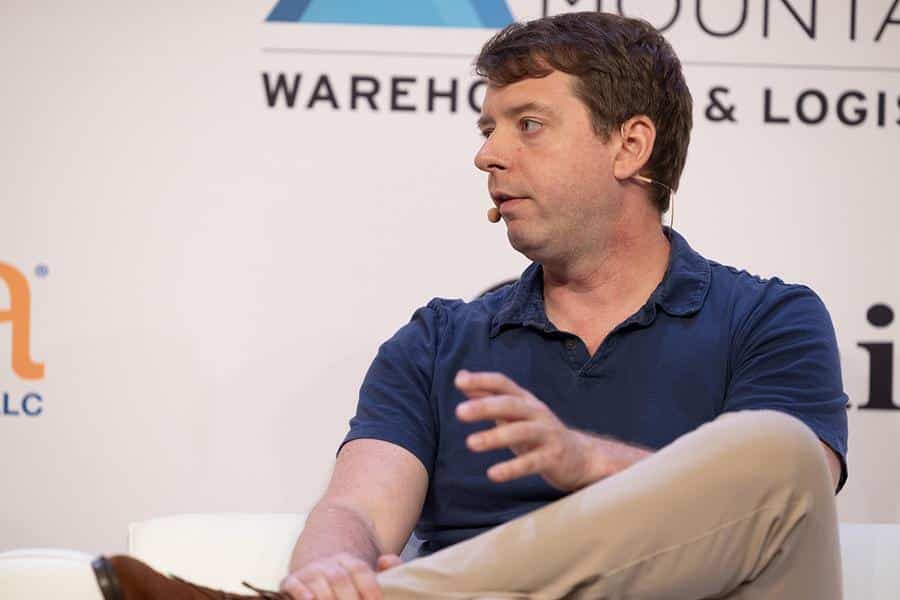
Between Kevita, Spindrift, Koia, Remedy Organics and more, growth equity investment firm KarpReilly has backed small- and medium-sized beverage brands for more than 15 years. KarpReilly Managing Director Hank Spring will discuss capital deployment and the investor/entrepreneur relationship that takes place as brands mature and scale.
Speaker:
Hank Spring, Managing Partner, KarpReillyTranscript
Note: Transcripts are automatically generated and may contain inaccuracies and spelling errors.
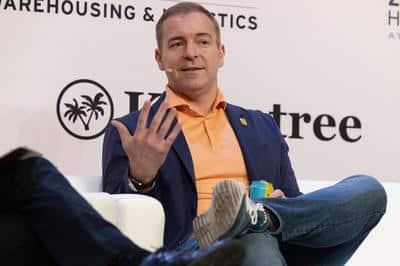
Speaker 1 [00:28] So KarpReilly, if you're in the beverage game, that name carries some serious weight. It's a Connecticut-based growth equity investment firm has been a powerhouse for over a decade, backing names like Kevita, Koia, Remedy Organics, De la Calle, Pop and Bottle, Life Aid, Sprint, Spindrift, along with retail concepts like Hungry Root, co-packers like Drink Pack, and many more. Those may be household names now, but they weren't always. Once they were ambitious, small to mid-size brands perhaps like some of you here that had their sights on sustainable growth and found a willing partner in KarpReilly. So my guest today Hank Spring has been at the center of the action since joining the firm in 2009 as managing partner. He's been in the trenches with beverage entrepreneurs for the early battles, helping them notch wins and turn that into scale. So over the next 20 minutes we're going to be talking about where the smart money is going, what indicators he's watching to inform what's up next, and bring some perspective and experienced insight to the ever more complex world of beverages. I have my phone here. It is open for your questions, so please send them in. Welcome Hank to the stage. Thank you sir. Thank you. All right, great to have you back in my comfy chair. Alright, so KarpReilly, as I mentioned, it's been around since 2009. A lot of impressive investments and a lot of brands that people know here. Can you talk to us a little bit just about the overall thesis that you guys have, just some of the parameters that guide where you're making your investments?
Speaker 2 [02:04] Sure, so Sometimes investors think about things really simply. So, you know, the first thing about beverage that's attractive is it's a huge industry, right? You know, tens of billions of dollars, you know, per year. Um, but there are a lot of categories like that in consumer, um, but what makes beverage particularly interesting is this combination of a large market and the frequency of use, right? So, when something's an everyday essential, the average person's having 7 to 10+ drinks a day. Um, it really lowers the barrier to trial, right? Consumers really kind of lean into novelty and variety, and so it's a great space for insurgent brands to really, you know, get that trial. And then if you can deliver on a great experience to the consumer, become a weekly or even daily habit for them, and that's a really powerful thing for a brand to have. And so all those things. are pretty basic on the surface, but I say that because our view at Carp Riley is that beverage is a really great and possibly the best platform and form factor for solving for changing consumer needs and preferences, right? So if you think about a lot of where the consumer has gone, whether it's through education, GLP-1s, and the main themes and And big changes in protein, gut health, sleep, you know, each one of those changes in consumer behavior has minted 123 plus winners in beverage. And so the reason we repeatedly come back to it as a space is because we think that's a repeatable formula for creating really powerful brands from the early stage to ultimately exit.
Speaker 1 [03:35] Yeah, sort of like as a vehicle for presenting these different, that's right, yeah, exactly. Well, I mean, you know, we talked a little bit about this offstage here, but you know your preferred growth stage for investment and you know, small to mid-size, and is that changing at all or sort of, you know, does small and mid-size mean the same thing that it used to mean?
Speaker 2 [03:55] Yeah, it's a good question. I think historically. We've done everything from late stage majority buyouts to pre-revenue. I think our view a little bit has been it's hard enough to find an amazing entrepreneur with an innovative product and good metrics and a category with tailwinds that to then further constrain yourself and say it has to be Series B, you know, is kind of making our job harder than it needs to be. So we've been open to finding really interesting opportunities. You know at various stages, but I do think that today our focus is really kind of in businesses at 15 to 20 plus million of revenue, and that's really in response to some of the risk factors kind of in the macro environment being a little bit more elevated and so wanting to see the businesses that we invest in themselves being a little bit more de-risked than we might have needed to see five years ago.
Speaker 1 [04:43] Gotcha. So at 20. $20 million in revenue this year is different from maybe you viewed it a couple of years ago.
Speaker 2 [04:50] That's right, yeah, I think going back to maybe 2018, which was when the competitive environment was really kind of wide open, we took a lot of bets on Spirift Spindrift and CIA and Remedy. They were all like a million dollars of sales at the time, but we're showing really strong performance in the natural channel and Um, you know, we had, you know, just kind of pattern recognition to kind of see how that would be, you know, expandable into other, you know, uh points of distribution, but just so the competitive environment has, has really elevated, and so we want to see a little bit of the brands kind of prove, you know, working kind of in, in other retailers and at other price points.
Speaker 1 [05:23] And how are those brands coming onto your radar? How are you discovering them and just sort of finding out where the next move is going to be?
Speaker 2 [05:31] Yeah, I mean, we, we invest in consumer partially because we love consumer, right, so we're consumers of information and people who just love seeing what's next. So we're interested in this space, but Um, you know, we, we love meeting people at conferences like this, you know, bankers who, you know, meet a company who's maybe too small for them to represent might send them their way if they're looking for capital, but I'd say by far the biggest source of investments for us is just our entrepreneur network. I think. Over half of all investments we make came in from a warm intro from an entrepreneur that we've either backed in the past or we just know from the, the broader consumer ecosystem. So, you know, definitely, um, you know, getting um a company that's pre-validated from someone we trust is, is definitely a big signal for us.
Speaker 1 [06:16] Well, obviously growth investment, there's money involved, it's always good, um, but the value add that you guys provide and, and sort of what makes you different or unique amongst other growth investment firms, what, what do you, how do you define that? Sure,
Speaker 2 [06:29] um, well, I, I always think that the biggest value added investor could be is not to be negative value add. I think everyone's, you know, heard the horror stories of investors or board members who take, you know, a disproportionate amount of founder time. And so, you know, we, um, we work really hard not to be, you know, that group. And I think, you know, we have 30 years of experience working with entrepreneurs, and I, I think we've developed a pretty well calibrated, you know, self-serve approach with founders where if somebody's looking for us to really dive in and help with FPNA or join marketing calls, think about innovation or packaging, you know, we'll do all of that, interview, you know, potential hires. Um, but some entrepreneurs might want our, our cadence to be an hourly call once a month and then diving a little bit deeper at board meetings, and, and that's OK too. Um, you know, we tend to self-select for people you know in the first group because we do think that our experience and our network can really kind of help de-risk the ultimate outcome for companies, but we try not to have a one size fits all approach in terms of how we interact with the companies. But if you think about, you know, our 30 years of experience and kind of growing and exiting businesses and our 50 plus company portfolio that we have today, we're talking, we're constantly talking to People doing really interesting things and not just in the CPG ecosystem but in direct consumer and restaurants and being able to cross-pollinate those ideas of what's working in social media for our direct consumer businesses, you know, how are people thinking about omni-channel, you know what's going on with tariffs, we really have a lot of kind of both longitudinal and real-time experience that we, I think, do a pretty good job of kind of connecting the dots for folks within the portfolio.
Speaker 1 [08:01] And in terms of being, you know, it sounds like it's pretty fluid in terms of being hands on, hands off. So if you have to be hands on, is that, is that a red flag? Is that something that is concerning, or
Speaker 2 [08:13] no, I think we look for places where we can be really high leverage, and there are situations where we're having 34 calls or emails with a founder every single day for years because it's going really well, and they need a lot of help, so. You know, it's not a red flag. I will say that relationship can evolve over time, right? When a company might be at the seed stage or Series A, they don't have a full team who can help them do everything they need. And if we're doing our jobs as investors and board members, we're helping that founder, that CEO, hire a team where we're basically firing ourselves because there are people in seats that are better than we would be at any particular task. And at that point we tend to evolve into more of a traditional kind of strategic, you know, board advisory role and then get Um, involved a little bit more, you know, kind of when the company is, um, you know, getting close to, to, close to an exit. So it not only evolves from company to company, but it involves, you know, within companies, you know, over time.
Speaker 1 [09:06] And I guess just on a personal level, is there an area that you feel really strong about sort of your personal value add to the, to a board or to a, you know, uh, uh, investment, uh, that you developed over the years?
Speaker 2 [09:18] Yeah, I mean we're kind of generalists both in terms of the businesses we look at, but also in terms of, I think our skill sets. So I've worked, I've sat on over 20 boards. I've seen a lot of things and so. Um, I, I, I like to think I can help in a lot of different areas, but, um, I, I think asking um high value questions, you know, particularly when companies are getting to the later stage, you know, bigger companies can make, you know, bigger mistakes in terms of dollars, and so, you're really, you know, pushing people to say, wow, this is new authorization in a new category is, is great, but have you really looked into the margins at this customer, the working capital investment. And is this where we want to be allocating our time, attention, and capital versus kind of growing, you know, an existing line. So usually a well placed question or two at a board meeting can you know can be pretty valuable.
Speaker 1 [10:04] Absolutely. Well, OK, so you're sitting down with a, you know, a potential person who's pitching you. They shove a big stack of metrics right in front of you. What's, where are your eyes going first? What are you looking for?
Speaker 2 [10:17] Um, I mean, it's probably in order, uh, it's probably sales growth, profitability, and then absolute dollar levels of sales. Um, it's hard to disentangle those, um, but I, I think. Um, you know, in the tech VC world they have this idea of this rule of 40 right where if you add the sales growth and the EBITDA margin, if those two are above 40, the business is healthy and financeable, and if they're below that you have some work to do. And so that's why I don't like to have any hard and fast rules around a business has to be profitable or it has to have this margin because it's not fair to hold a business that's growing 70% per year for the same. Profitability, you know, metrics as a business that's growing 30% per year. So you know we like to really deep, deep dive into that second layer, kind of the gross margin, the contribution margin, the velocities, and say is this a healthy business? And if the company is unprofitable, you know, is that a strategic thing because they see a really, you know, great growth opportunity still ahead of it. So and one of the analyses that we'll do sometimes, particularly for Really high growth businesses is, you know, look at the P&L and say, hey, if the company took down growth to 20 or 30% per year and they were spending less on slotting and trade and demos and all those things, would this be a profitable business? And if the answer is yes, then the fact that it's it's still burning money isn't a bad thing. It means that they're finding a great place to deploy capital and you are coming to us to raise money to continue to throw fuel in that fire.
Speaker 1 [11:42] Now over the decade plus that you've been there, have you found that are brands coming to the table with that sort of in good shape more than previously, or is that not changed too much?
Speaker 2 [11:54] Yeah, I, I, I think there's still this tendency to, um, you know, focus on sales growth over everything else, but I do think that in 2026 relative to, you know, 2021, 2022, I think that folks have been hearing this message about profitability, and it's been long enough that I think that's been integrated into how people are building and scaling their businesses. So I think the overall ecosystem has a much healthier balance of sales growth and profitability than it did maybe five years ago.
Speaker 1 [12:24] Are there any metrics that don't matter as much or that you feel are a bit sort of obfuscate what you're really looking for?
Speaker 2 [12:32] Yeah, I think your gross margin without looking at all the other parts of the cost stack is sometimes something that that can You know, uh, hide the marble, you know, a little bit in terms of the actual economics of the business. I, I think, you know, points of distribution, you know, are, are another thing where it's a prerequisite to building a, a big business, but it's not sufficient, right? You need to have, you know, great, you know, velocities, you know, in, in every new kind of retail and every new door you're in. So, um, you know, we tend to focus on, again, the contribution profit and, um, and the sales growth and, and kind of the opportunity there.
Speaker 1 [13:04] And you talked a little bit about sort of, you know, helping, having a fluid approach to helping brands what they need in different stages. Are there, you know, do you have like rough timelines in mind for how, when these progressions should take place or how long does a brand need to evolve from, you know, the initial early stage to second stage? Does that condition at all sort of your thinking and how long it's taking?
Speaker 2 [13:28] Yeah, I think anyone who has a preconceived notion about, you know, the evolution of a brand is probably is over, over, you know, confident, you know, and almost every one of our big winners' success has looked different than, you know, what we wrote down when we made our first investment, and it all comes down to You know, is, is the team excellent? Does the product have a real, you know, point of view, and are, are they able to grow this business capital efficiently? I, I, I think if I look back and, you know, think about what's most influenced our, um our, our, our change in investment approach, is that, um, in, in the early days, we were really right on team and um product. and category, um, but got the, the capital that it's gonna take to get from here to there really wrong and the, you know, the dilution, everything like that kind of really changed the ultimate return profile. And so that's why we, we've really, I think in the industry and the investing community kind of broadly has really kind of focused on that because that's, that, you know, if I think about 10 years ago, that was maybe something that wasn't at the forefront that probably should have been.
Speaker 1 [14:30] Gotcha. And we're talking about sort of individual categories. I mean, I think of something like you know, de la Calle, which is sort of entering a category of prebiotic, probiotic soda, certainly a lot of competition there. What sort of gives, maybe using that as an example, what sort of helps. A brand stand out in this, you know, saturated categories where there's a lot of competition and just a lot of enthusiasm for all sorts of these types of products.
Speaker 2 [14:56] Yeah, I, I, I think you have to really think about what the, you know, the unfair competitive advantage is, you know, with, with de la Calle, I think we saw um a beverage that was incredibly popular, you know, in Mexico that had very limited. Um, you know, presence, you know, in the United States and had, you know, really obvious, uh, distribution, not just through, um, traditional, um, grocery and, and retail, but, uh, a food service, you know, opportunity, and, you know, we kind of validated, um, you know, kind of the, the interest and Product like that, you know, before launching it. And so, it really kind of thinking about when you have a competitive environment, you wanna have something that, you know, is your right to win, that's not just the most capital, right? Cause you can kind of quickly, you know, find yourself in a, in a bad position, you know, um, entering competitive categories without a strategy like that.
Speaker 1 [15:40] And if we're looking at just sort of the fundraising environment as it were right now, I mean, what's your sort of outlook, good, bad, neutral, you know, we hear a lot about the changing conditions and just sort of the fundraising needs in the current conditions.
Speaker 2 [15:57] Yeah, I don't have a crystal ball. I think, you know, every year it's gotten a little bit better since, you know, 2022, 2023 when there was the big, you know, pullback. I think, you know, if you, I think you've seen a number of consumer funds raise new capital over the last 12 months, I think that will be good for the ecosystem as there's more capital to deploy. I think that, you know, if you look at talking to some limited partners and, you know, pension funds, people are deploying capital. I think that Uh, a lot of people who are growth focused and had previously been deploying money into SAS are, are kind of looking at, you know, AI and kind of the existential risk to that business model and, and looking at consumer, frankly, is something that's probably a net beneficiary of AI in terms of how it can be used to, to build companies, you know, more efficiently. Uh, and it's certainly kind of protected and insulated from it, you know, operating in the atoms versus, you know, bits space, and so, um, I, I, my, my hope is that you'll continue to see those, um, you know, consumer funds, you know, getting allocations from limited partners as a kind of new consumer as a, a place to place their bets over the next few years.
Speaker 1 [16:54] I, I mean, I guess we're on the subject, is AI something that you guys are sort of looking at in terms of, OK, this brand has some sort of handle on it or is able to integrate the efficiencies that it can provide? Is that something that sort of ticks the box for you guys?
Speaker 2 [17:07] Yeah, absolutely. I think, you know, it's something that we're focused on a lot of Kurt Riley, and it's something that, you know, again, as we talk about, you know, making the rounds at all of our portfolio companies, um, there are a lot of entrepreneurs doing some really interesting things, you know. Nada Drinkpack spends a ton of his time in AI thinking about production and distribution and everything like that. I, I think a lot of brands have leveraged it in terms of getting a lot sharper on their return with certain kind of marketing and kind of promo spends. And so, um, we're really at the stage where um there's 100 different experiments kind of going on, you know, within the portfolio, and we're just trying to share best practices, but we've certainly seen earlier stage businesses. that were kind of um started over the next, over the last few years being a lot leaner. I've seen a couple of 20 million plus businesses with just 6 employees, and so I, I, I do think that um there will be, um, you know, think about beverage being a pretty capital intensive category. I, I think there's at least a path towards being more efficient on, on overhead and kind of team, um, as uh as some of these kind of earlier stage businesses kind of grow, you know, with AI.
Speaker 1 [18:07] Something that is at all integrated on your side as well. Do you guys use those kind of tools for, yeah,
Speaker 2 [18:12] absolutely, you know, it's um we don't use it to do the core investment decision making, but in terms of researching a category, it frankly allows us to do analyses that we wouldn't have been able to allocate, you know, team, you know, bandwidth for previously. So it's definitely kind of making us smarter and when I think about. Um, you know, when you talk about your value add to companies, it's certainly something where, you know, we can come way more prepared with detailed analysis when asking about a problem versus just asking, asking the team, you know, what, what their, what their view on something is. So it's definitely something that, um, you know, is kind of changing in real time, but it's been a big focus of ours.
Speaker 1 [18:49] Yeah, it's almost like you can't afford to not to ignore it right now. Well, so the firm has realized, uh, a couple of nice exits that we've, uh, you know, some of the brands we mentioned. What have you seen as a firm that might be useful to brands in the audience with regard to their ability to see things through to the end and sort of have that, uh, you know, light at the end of the tunnel, as it were?
Speaker 2 [19:10] Yeah, I think there's probably two things, you know. One is, um, if, if brands at the earliest stages need advocates and believers, um. Uh, you know, brands at the later stages need everyone around the table to be aligned, like, like what is a successful exit look like? What's our time frame to get there? Um, and I, I think sometimes, um, this is maybe a little bit, you know, contrarian, um, but I think that, um, there's all these amazing high profile exits to strategics, and frankly, you know, 75+% of successful M&A in this space is to strategics, but sometimes I think there's maybe an over rotation into building acquisition targets rather than building, you know, businesses, and, um, you know, even though it may be counterintuitive. To not have your innovation pipeline be tailored to what you think an acquirer might want to see or to, you know, um, hire somebody who, you know, might, might get, um, you know, um, you know, fired after, um, after a strategic acquisition. You really need to be building a business, to be operating it, scaling it profitably for the next 5 years, even if you think your, your goal is to sell the business in 12 months. Um, so I, I just encourage folks to, um, not You know, not overthink, you know, their decisions and just kind of take that long term view because those businesses that take the long term view and are still investing in innovation and new categories are the ones that we've seen be the most attractive acquisition targets. Yeah,
Speaker 1 [20:32] the more you chase it, the harder
Speaker 2 [20:34] that's right and the more you're leveraged to a specific timing, a specific timing, and sometimes just the M&A window isn't open when you when you thought you were going to exit.
Speaker 1 [20:43] And I know you haven't had a chance to do all the sampling just yet, but in terms of just product categories, anything that's sort of catching your eye, functional benefits, anything that's just ticking that box for you?
Speaker 2 [20:54] Yeah, I mean it's certainly nothing new, but we started making protein investments in 2015, and they're still big protein winners today. And so I think gut health is probably, again it's not a new category, but If it, you know, really became a thing 5 years ago, I think there's another, you know, 5+ years to go on it. And so, um, that's something that I, I think, um, you know, will continue to be, you know, a major tailwind, um, and then, you know, women's health, and, you know, just kind of looking at what's working in VMS and just thinking about how, um, how that can be turned into an RTD form factor. It's, it's usually not, uh, a question of consumer demand. It's a question of kind of formulations and can you, you know, get those, you know. Of ingredients dissolvable stable for beverage, and I know a lot of people are working on some really innovative solutions there and so I'd expect to see kind of this kind of continuation and blurring of of of beverage and VMS and see some more, more functional categories being created.
Speaker 1 [21:52] If you build it they will come.
Speaker 2 [21:53] That's right,
Speaker 1 [21:53] I guess. Great, Hank, thank you so much. Great talking with you. Thank you guys,
Speaker 2 [21:58] thank you.
Related Videos
The State of Cannabevs: Strategy on Deadline
With federal regulations about to put this fast-growing industry into a time-out, we look through the lens of brands, distributors, and lobbyists for potential futures for this fast-growing segment.
AI and Online Retail: Brand Building Meets Agentic Commerce
In a special tactical presentation, sales, marketing, and tech experts share a concrete playbook for making your brand legible to AI agents — without gutting what makes it human.
Retailer Profile: Launching and Maturing with Whole Foods
A rare founder–buyer conversation on what makes a pitch resonate, how brands can build productive retailer relationships, and what growth actually looks like once you’re on shelf.
Exit Interview: How Dirty Shirley Cleaned Up
Longtime beverage marketing veteran Adam Kost discusses his lean startup, proof-of-concept strategy, the key insight that gave Dirty Shirley the oxygen it needed to grow.
Disruption at Scale: A Conversation with Athletic Brewing CEO Bill Shufelt
Athletic’s rise has reshuffled the deck of beverage categories. Shufelt shares how he's navigated explosive growth and what he’s learned about raising capital, brand positioning and category creation.