Search across the BevNET CPG Media network including BevNET, Nosh, Brewbound, Taste Radio, Nombase and CPG Jobs.
Sponsored Workshop: Passion & Results - How to Use Data & Technology to Make Better Decisions
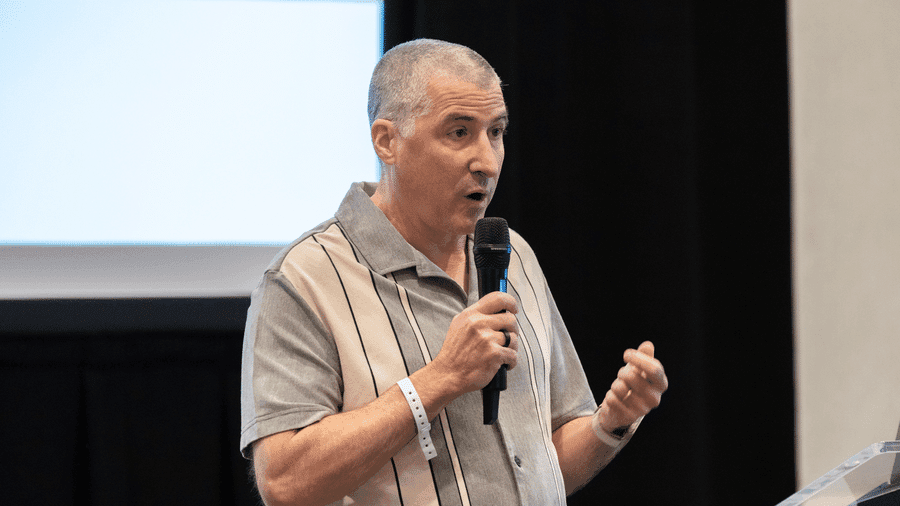
Combining your passion for the brewing industry with our experience and solutions to achieving business freedom. Hear how to lower your operating costs, optimize inventory levels, promote effectively, etc. Two former CPG executives from some of the world's top brands and current partners at ahatis will share how to use data and technology to make better business decisions and achieve key business results.
Featuring:
Timothy Weaver, Executive Partner, ahatis, LLC
Jeremie Davis, Executive Partner, ahatis, LLC
Transcript
Note: Transcripts are automatically generated and may contain inaccuracies and spelling errors.
Speaker 1 [00:09] Hello, everybody. Uh, thanks for skipping lunch, I guess, for us. Uh, hopefully, there's still time to get some afterwards. So, we're gonna go ahead and get started. Um, so, today, what we wanna do is talk a little bit about how to use data and, uh, and even sometimes technology more effectively to, to operate your business, whether or not you're a wholesaler, distributor, whether or not you're actual, an actual manufacturer, brewer. Um, and working and how to work with your customers, uh, and having databased conversations. So, we'll obviously go through an introduction, share a little bit about who we are, uh, and, and, uh, what we do and what our backgrounds are, uh, and then we're going to go through these three topics, uh, with you, with you, give you some, some ideas hopefully, and then, uh, what we're going to do is ask you to pick 1/4 topic that we can also cover.
Speaker 2 [01:10] Yeah, so thanks, thanks, Tim, and you'll, you'll hear in our introduction, kind of why these topics are passionate to us. CEO we've basically spent our entire career working on this. So, we're gonna go over a couple of topics. We're gonna go over promotions, what makes a good promotion. We're gonna go over what makes a good relationship with the retailer, with the, with the wholesaler, and then we're gonna talk uh uh a little bit about kind of, kind of the data to be used. But the other thing That we wanted to do because our backgrounds a little unique, you know, long time CPG, but relatively new in the craft beer industry itself, so we wanted to give you guys the opportunity to kind of pick the fourth topic for us. You know what, what is it that you would like to learn a little more about, you know, in the CPG world with retailers they're always talking about amps or maps, you know, assortment, merchandizing. Uh, promotions and shelving, is that a topic that's interesting for you guys? Working capital, inventory optimization, is this a pain point for you today? That you'd like us to talk a little bit about, hey, our 30 years, you know, how have we dealt with inventory and working capital skew format rationalization and rate sizing. Yesterday we heard a lot about flavors and we'll talk a little bit about that, kind of what we saw in the yogurt category in 2004 to 2008. Flavors are great, but if you get too many flavors you confuse the consumer. You Bloat your inventory and then you end up getting deslotted. I SKU format right sizing something or just general category management in terms of how do you grow your business but then also help support the category in total? So what we've got up there is a QR code. If you guys want to just take out your phone, just do a picture of that and just let us know. kind of what you want the 4th topic to be. Always a little dangerous coming into a presentation, not knowing what all of your topics are going to be, but you know, between the two of us, you've got close to 60 years of experience in the space, so we feel like we'll be able to tackle whatever topic you guys feel is the most relevant as our fourth topic.
Speaker 1 [03:36] Great. And we'll, we'll show this again in a, in a few minutes, you get another chance if you don't capture it. So, a little bit about who we are. So our company name is, and it's pronounced Ahati, um, because I hate us would have been a little bit offensive, I think, to some people, um, and it's actually based on a Swahili word, ahati, which um means trusted advisor. And we chose this name for the company when we founded back in 2016 because we had spent so many years in the industry working with what we're trying to offer as a service now and it's hit and miss in the business consulting and technology space what you get and so some. You just get a body. Sometimes you get somebody that does have experience in your industry and has great contributions to make, and we wanted to be that second category. And so our kind of focus is being the kind of partner to our clients that we always wanted sitting across the table from us. So, you have myself and Jeremy here today. We do have a third partner, Dan, very similar background that you'll hear about us today. Uh, a lot of years, 2020, 25 years in the consumer packaged goods industry. Uh, Dan was at ConAgra Brands, which, you know, is a 20 to $30 billion dollar company with a lot of brands that we've all heard of. Um. Like Red Orville Reddenbacher popcorn, etc. Uh myself, uh I, I came up through the ranks of the technology organization. I spent about 12 years at Red Bull. Um so it was a trial by fire. I joined them in '99, just as we were starting distribution here in the US, then spent about 3 years at the headquarters and uh six years down under in Sydney running the Asia Pacific, Middle East and uh Africa Technology Group. And so, and then, and then I came back on shore and became the CIO at Dannon, uh, that's where Jeremy and I met, and ultimately the CIO of Del Monte Foods. Um, so again, Across the entire business for any food or product manufacturer, uh, any business operation, all the way out to trade, all the way out to working with co-manufacturers, uh, distributors, etc. so we, we have a, a broad range of experience on all those different touch points that hopefully will, uh, you'll hear about today.
Speaker 2 [06:10] Yeah, very, very similar background. Started my career out of the University of Iowa in 1996. Went to work for ConAgra Foods in business roles, category management, business development, and what, what we realized back then. Is the technology didn't really exist to help support the business. You'd look at your technology groups and they were about designing things. It was more about bells and whistles, but it wasn't practical for what the business needed. So I got a really big career break early on in my career when the company said, Hey, let's take business people and actually put them in technology. That way we can start developing the tools that we really need. And one of the First tools that I really got into were trade promotions. You know, what should you be running in a store when it comes to promoting your product? Do you know the difference between the shopper and the consumer? What do you do when it's a direct sale to where you're shipping it direct versus an indirect sale where you're going through a wholesaler like a UNFI or like a CNS. So I stayed with ConAgra for about 15 years. Got tired of the cold of the Midwest, so I wanted to move down to Texas. So I did a couple of years with a booze and Company on the management consulting side, did route to market optimization with Coca-Cola down in Central America. Then my last client in consulting was Dan and the Yogurt Company. That's where I met Tim. And then we ultimately met up again at Del Monte. I over in the bay and that's when we decided that after doing this for 20 years helping these companies really get to the next level of stability and business results, why don't we just go out and do this on our own because then we'll have the ability to kind of choose what industry that we want to get into. We'll be able to kind of write write our own future. So we've been doing that since 2016. And, and, and it's, it's really been nice because it's this mentality that we want to provide the solutions that we were hopeful that, that people were providing us when we were actually working for the individual manufacturers.
Speaker 1 [08:34] So, I mean when we talk about our client base and how it's relevant to this group, it's, we, our clients operate in multiple types of distribution models in parallel. So the, the three-level distribution is very common across. The industry for both efficiency and marketing purposes. So, um, you know, any of these consumer brands that you see up here operate in a very similar fashion to to the beer industry.
Speaker 2 [09:04] Well, and it's, it's interesting. Does anybody know what other industry the government requires three-tier distribution on? B Lubricants If if you go back to Rockefeller and Standard Oil when he had the monopoly going on back in the early 1900s when the government came in to break all of that up, they essentially required that going forward there has to be a three-tier distribution associated with it. To prevent the price fixing, so one of our, one of our other clients is Shell, the lubricant manufacturer, and a lot of what we do there is just help them understand the total data from what they sell to the distributor, what the distributor still has an inventory versus what the distributor. Sell through is to really help and provide that total level of visibility. So when we started thinking about what other industries should we go into, we actually sought out the three-tier distribution model because it's something that we've got a significant amount of experience with.
Speaker 1 [10:12] So just one more, one more chance to, uh, if you haven't voted for that 4th category, um, you can use the QR code. Alright. Now the real stuff.
Speaker 2 [10:28] So, trade promotions. So, so I'm gonna start off with kind of talking traditional, traditional retail. When you think of trade promotions and, and, and you guys within the craft beer industry, when you look at trade promotions, I'm guessing you're, you're thinking a lot about uh uh BOGOs, uh uh uh six packs, maybe Thirsty Thursdays, you know, things, things like that. When we think about trade promotions, we're thinking about what's everything that we can do to really engage the shopper and also get the individual consumer who may be the shopper, may not be the shopper to go ahead and influence the influence the shopper of the product to actually get that product. And when you think about trade promotions, there's a lot of Ways to do it. The easiest one is price, you know, just going ahead and lowering the price. It can also be an end cap. It can be a display. It can be, you know, a part of the flyer itself. But a lot of times when you're in that three-tier distribution model, it becomes a little more complicated because your inventory is going to the distributor. The distributor is then going into the retailer itself. And what you're trying to do with the promotion is you're trying to drive incremental sales, and you may be trying to, hey, I've got extra volume that I need to move, so my goal may be volume, my goal may be trial. Hey, I'm going to come down on the price point because it could be a competitive situation or I may just want to be driving trial, or it could be, hey, my goal is revenue. And I think one of the key things that, that, that we've learned over the years is when you start doing promotions in store, is really having a good idea of what's my ultimate goal. Is my ultimate goal going to be to get more people to try my product? and, and still, still today, one of the most proven uh promotional activities that you can do is in-store sampling. But like in-store sampling, it still works. There's a cost associated with it, and you also have to be smart of when you do it. You know, Wednesday morning is going to give you much different results than a Thursday or a Friday afternoon. But, but really understanding if I'm going to spend money to do something in the store, what's my expected result? Am I trying to get somebody that's never tried my product to try it? Am I trying to move volume? Am I trying to generate extra revenue, or is this a profit play for me? And then also understanding and I get it. It's much harder in the three-tier system. What are the inventory needs going to be, because there's, there's no easier way to get into the penalty box with a retailer than running out of stock. Like that is the worst thing that you can do, especially in a category that doesn't have 30 ft of shelf space. So it's really understanding that if I do this promotion, What is the expected impact of inventory? How much does my distributor have in stock today to support that? How much do the individual stores have to make sure it's, it's kind of that, that, uh, uh, old phrase, I don't want too much, but I don't want, but I, but I have to have just enough. So really taking a close look at what your inventory buildup's going to be. And then the other thing that, that. That we see, and we did this a lot when we were at Dannon is and even Conagra, you know, for Thanksgiving, how many people have ever had Rotel and Velveeta cheese? You melt the Velveeta cheese in a crock pot and then you put a can of Rotel in it. Like you see that promoted in almost all of the stores. The consumer doesn't care that one of those products is Kraft Foods. The other one is ConAgra Foods. They're competitors, but they do promotions together because they know that's going to drive incremental volume, revenue, and profit. And usually when you're doing a promotion, you're trying to get two of the three. It, it takes a special type of occasion where you can run a promotion. Get true incremental profit revenue, and volume associated with it. The other example of that is when we were at uh uh Del Monte, Campbell's cream of mushroom soup and Del Monte green beans. So, so one of the, one of the things that we would encourage people to think about is doing promotions with adjacent items, whether that's uh meats, whether that's sausage. whether that's steaks. Think about the occasion when my consumer is, is, uh, consuming the product. What else are they, what else do they have? What else could I put with that? One of our other clients today is the wonderful company, and they have wonderful pistachios, and to me, like, look for another product that likes to promote a lot. That has a flavor profile that would go good with your product and then either through the buyer or just reach out to them directly to see if they would be willing to do any type of adjacent promotion. What you'll find is more times out of not, they're also looking for something new to do because you can only repeat promotions so long before they start becoming stale, and then at the end of the day, the worst thing you can ever do with a promotion. I just subsidize your base business. Well, that consumer was going to buy it anyway. The only thing that I did is I just made it $2 a case or 50 cents a can less expensive for them. So I think hopefully one of the big takeaways today is thinking about what you can do with adjacent items. Doesn't have to be your brand at all, but those, those adjacent promotions through my almost 30 years of doing it, that's been one of the sweet spots that often gets overlooked because it's not, it's not easy. But if you just kind of think about what is it that my consumers do. With other products and then just reach out to those companies and if you can't, you can always go through your buyer and ask them to go ahead and facilitate that. How are you going to fund the promotion? You know this is the, the other thing that you do have to take into account because if you're going to give off 2 to $3 a case, just making sure that you are going ahead and accruing for that. And a lot of times it just becomes a data exercise with the individual wholesaler on how the flow of money goes, because if your distributors sitting there with extra inventory, you may not need to ship them anything to fulfill the inventory for the promotion. But anymore, a lot of retailers, they're making daily POS data available back to you on a daily basis. So so anymore this isn't, it's not 1996 anymore. You can get access to the data, you know, even you look at Whole Foods, you look at Walmart, Target, they'll actually provide you, the manufacturer, data, daily data daily at the individual store level. The issue that most of us have is what am I going to do with that. I don't have a big IT group or anything like that, but that data is available to go ahead and run these promotions. That way you're only paying for the real execution that you got within the store itself. Know your break even point. You know, this is the other thing, like some of these promotions will take off if, if you're only willing to do a promotion on X number of cases. Just make that known upfront and kind of get with the retailer and say, hey, we'll do this promotion. But it's not going to be time-based. It's going to be, it's going to be unit-based. So, so we'll do a promotion up to x number of cases, and then once it's done, it's, it's, it's done. Um, you know, because the one thing that you want to try to, you can never prevent it, but what you want to minimize is the amount of time that people are doing their pantry loading. Hey, if they were going to buy, you know, a case a week, you don't want them to see that it's on sale and go ahead and basically buy 4 weeks' worth of product to go ahead and to put into, into their pantry. It will happen, but you know you just want to kind of minimize that as much as you can. And the best way to minimize that is to keep your promotions relatively short, 1 week or 2 weeks in duration. And then also have a, a max volume that you're going to do regarding the promotions and like by following these, these 7 or 8 things, it, it really is possible to just define your strategy. Am I going after volume, trial, revenue, or profit and just stick with it, work with the distributor, work with the retailer, execute it, learn from it, and the results are extremely beneficial for your overall business plan. And then also the retailer, they enjoy it because they know that you're not only helping grow your brand, but you're also helping grow the category itself by seeing promotions and seeing events in the in the category. So, so here's, here's a quick example. I just, I just went to uh Safeway's website this morning and nothing on here is wrong, but what it tells me is what is the, what's the manufacturer trying to do? So when you look at a 12-pack that was 2399 cents, it's a variety pack, and they've come off $1 on that. Well, they're not, they're not trying to move volume. What they're trying to do. is they're trying to get that extra tag on there that way it pops to the consumer. They're trying to drive trial and they're trying to maintain profit. So when you see somebody going from basically 24 to 23, it's a small amount off. What they're trying to do is really drive trial associated with it, to where when you look at the Kona, what they're doing. They just went below the $20 price point, you know, there's, there, there's numbers that, that we don't realize, uh, uh, make decisions for us. So, so when you, when you look at, at, at this, this industry, it's 20, it's 15. It's 9 and it's 4. So what they're trying to do here with the 1899, they're trying to be below a $20 bill. We don't pay with cash anymore, but we still think about that. Hey, I can get that less than $20. What they're trying to do here is they're trying to drive volume. The, the, the next one is trial and profit, no promotion there. Here's, here's another one. They're below the 1212 is a, uh, uh, a key indicator because it's divisible by 6. The 19, they're going ahead and trying to drive trial. The Golden Road is an interesting one. It went from $21 to $1,457. Basically, they're sitting on too much inventory and they're just trying to move product. They're trying to move product and they're going to sacrifice a margin for that because space is also money and that's something that, that sometimes we, we forget about. So when you're thinking about your pricing strategy, really think about what am I trying to do. Am I trying to drive trial? If I'm trying to drive trial, I don't have to do a deep discount. I just need to let the consumer know that I'm on sale, and that's going to be a trigger for them within their with their buying decision. If I need to reduce inventory, I just, I, I've got to get aggressive with the price to make it to where it's more about the price than it is the product. I mean, we all want loyal and exclusive customers, but, but sometimes when you do have an inventory buildup, the only way to relieve it is with pricing itself. So hopefully that helps a little bit just in terms of When you do drop the price, you know, really make sure that you understand what you're going after. Am I going after trial? Am I going after profit? Am I going after incremental volume? Or am I going after a bump in revenue?
Speaker 1 [23:11] One thing this reinforces is that when you're in the in the industry for a long time, you don't walk through the grocery store the same way ever again. So, next, we wanted to, yeah. Sorry Sure. Yes Do you have, do you have, do you, uh, Well, I mean, I think across any, any digital marketing you definitely want to be on the first page. You don't want to be below the scroll line, um, so if that requires you to pay a bump, then that's something definitely worth considering for sure because I mean. You just have to look at how we each browse the web, you know, you don't do a lot of scrolling if it's not there first to mine, you just move on.
Speaker 2 [24:20] Yeah, you, you, you do want it up, up top. The other thing that retailers are going towards with their, their loyalty program, almost everybody now that almost all retailers also have fuel rewards, you're putting in your phone number to get the discounts when you're going through checkout. The, the other thing that I think we'll continue to see more and more of is as a manufacturer, go ahead and pay for the coupons associated with the consumer's buying behavior. So you can get with the Kroger's of the world and say, hey, if I've got a consumer that hasn't purchased my product in the last 60 days, when you send them their pack of coupons, go ahead and include one of, of, of my product. So that's the other. Like they're getting to the point where they're really using this data and they're figuring out how to monetize the use of that data. So the key is be upfront, get the consumer to buy it, trial it at least once, and then work with the individual retailers on how if they, if they don't become a continual buyer, how can I remind them that my products are out there through those coupons that they, they, they essentially send you in the mail.
Speaker 1 [25:36] Great. Um Yeah, so now we want to turn to talk about uh relationships with retailers and, and really how to work with them as effectively as possible, um. I think a really important aspect to it is is understanding the retailer, the internals of the retailer, you know, how is their buyer organization structured, how are their, what, what are their standards and requirements if they're a regional or a national chain. There probably is a lot of top down mandating as to how the category is managed and what's permitted down to the local level. Um, and then the individual buyer you're working with, if you can find out what, what are they incentivized by internally, what are, what do they get bonuses for? What are they measured by, uh, we have, I have a, a, an interesting anecdote from my background at, at Dannon. So Publix, which is a, it's a big Southeast retailer grocery chain, that we were literally ranked the worst supplier. And so our head of supply chain went down and met with the head, their head buyer and to understand why, what was going on, and what she found out was it was on shelf availability. We were simply not able to keep, based on the velocities and our manufacturing capacity of Greek yogurt at that time, we're not able to keep enough product on the shelf, and so we were getting out of stocks in a lot of locations. And so what, what they did was go out and tackle that specific issue because what was happening is that the head of their buyer program, they were actually losing out on bonuses because of that exact scenario. So find out, finding out what your buyer is motivated by and going and, and negotiating and working off that premise is really key to that retailer relationship and, and making sure it's as strong as possible, um. Understanding where the retailer wants to take the category. You know, shelf space, I think in beer has been very stable for a while. It doesn't expand a whole lot, so you're really fighting for some space on the existing shelf, um, but is there opportunities through NCAP displays? Is there other spaces inside the store that you might have an opportunity to, to go after, uh, in addition to or separate from, from the standard shelf space? Um How are they going to judge you? Is it based on base volume or incremental volume? And that, that's a key thing because as Jeremy was talking about promotions, you know, if they're, if they don't care about incremental volume and they just want to see regular standard turns on inventory, then that will allow you to operate very differently with that retailer than if they're looking for incremental volume periodically. Uh, that, you know, the, the, the old standard of You know, you can, you can grow volume, you can grow revenue, or you can grow profit, uh, and sometimes you can try and, and, and drive all three. So what, what is, what, what is the buyer looking for in this, in the space themselves of those, of those three, and then trade spend is always one of the ones that unfortunately retailers have, uh, when it comes to trade spend. It's, it's part of their P&L now. They just expect it. They expect to get a certain amount of dollars in trade every year. And so once you, once you start giving them trade money next year, they're going to expect it again, at least that much, if not more, and they're often internally managed and incentivized on that attribute. Um, innovation, how important is that to the buyer, you know, and these are blunt conversations you can have, and of course they'll they'll give you their, their insights on that. They do need innovation. They need to drive new consumers into the store. They don't want a consumer to just see that like. That's where I go to buy this product, uh, so that innovation is, is in various ways important to them. So knowing that and, and how does that drive your product portfolio if you're a brewer or a manufacturer or how does it drive your behavior if you're a distributor with a with multi-brands that you can represent. Um, the local aspect obviously in the craft space is key. I mean, everybody's going to really want to play up the fact that they're a local, local brand. You go through retailers like Whole Foods now and you know you get a lot of local tags on there and on the consumer side, that's becoming increasingly important. I can speak for myself, like, you know, that's a real draw for me is to see that that that product is locally produced and therefore probably a lower carbon footprint in, in, in its distribution, uh, but, but how important is it to that buyer too is really important. Um, in-store sampling, uh, is it something that they really look to do a lot of, uh, as Jeremy mentioned, there's always a cost to it, but it's one of those opportunities to get as close to a consumer as you're ever going to get and, and get real-time feedback. What I would say also about the in-store sampling is if you can find a way to collect data during that process, uh. Will the consumer share about them, you know, what kind of feedback did they give you in real time? If you can capture that somehow, that's, that's going to be really key so you can start to objectively look at this kind of consumer feedback loop as much in as much detail as possible. Um, and then finally, can, can the buyer introduce you to those adjacent category, uh, manufacturers, uh, that Jeremy was talking about to do joint promotions on. Um, joint promotions, I'll, I'll just reiterate, are a fantastic opportunity for a couple of reasons. One, they're more, they, they draw more consumers, uh, draw more interest from consumers. Uh, they drop the cost of your promotional costs or basically start to get split in half, and you just get that increase in Lyft, especially around trial of your product, which, which I think is really key to gaining those new consumers and getting your brand awareness.
Speaker 2 [32:29] Well, and it's true, and the other thing that you want to do with the shopper is you don't want that shopper buying the product because it's on the grocery list. You want that shopper buying the product because they know there's an event or an occasion behind it. And, and, and, and dinner time, dinner time, it's, it's, it's an occasion. Like, like you'd rather have them buying something for an enjoyable experience, and I'll, I, I'll, I'll talk just briefly about another type of promotion, which is local events within the community itself. You go to a music festival, you do a tough Mudder, like, like Our, our free time is so limited anymore with our jobs, our life, our, our kids, etc. When you have free time to go to an event, it's usually a memorable experience. There aren't many people that go to a music festival and don't have a good time. What you end up seeing associated with that is the craft breweries that are a part of that. They're a part of that. They've got their tent up, they're selling product there. You're now creating a memorable event with that individual consumer. Get the retailer. Ask the retailer if they want to co-sponsor that with you, because what'll happen is you're now basically telling them, Hey, I can help drive foot traffic into your store. You help me do this. People remember the good times. They're going to remember the beer that they drank when they were at that music festival, and the pitch that you're making to the retailer is, Hey, we're actually going Help get more consumers into your store by sponsoring this because that's a memorable experience somebody had with your product itself. So never underestimate the impact the local events can have and don't be afraid to ask your retail partner or even your distribution partner to help offset some of the costs associated with it, because at the end of the day it'll actually benefit everybody.
Speaker 1 [34:28] Yeah. And the last thing I would say about the retailer relationship is, Buyers want to have it, they do want to have a data driven discussion. So yes, it's great you have a brand, you have brand attributes, you care about your brand, you have the passion, but when you're sitting in front of the retailer, what they want to do is see numbers that prove out your proposal, whether it be a promotion, whether it be, you know, sell through information, how much inventory to hold in the back room. Whatever it is, the more data-based facts that you're able to articulate as the reason why you're asking for something, the, the better you're going to be. So if you're not today getting that point of sale data, uh, and, and it is available from the retailer you're working with, then. Ask for it, find out how to get it. If you're going through a distributor or a wholesaler, are they getting it? If, if not, why not? You need to push them to get it and give it to you and especially wholesalers, if they're getting it for multiple brands across the category. You know, work out an agreement with the other brands to to to share that data, and now you can get a better picture as to what's going on at the shelf. So if, if you're not having a database discussion with that buyer, I strongly encourage you to to to start that process immediately.
Speaker 2 [35:58] Correct. And then our, our last planned one was really Focusing on the uh customer, the shopper, and the consumer. I get it with, with three-tier distribution, who is your customer? Is it the wholesaler? Is it the on-premise restaurant? Is it the shopper? But like you've got to go. 23 layers deep before you actually get the person with the wallet that is actually going to pay for the product itself. So, so, so, so understand that, but it's having a strategy and a plan for everybody along the way and really, really knowing the difference from them. The good news, which we talked about earlier, is almost, uh, I, I would say. 60% of the volume within the grocery channel, they'll make that data available back to you. So you can, you can get the daily data daily at the individual store level. You may have to go through your distributor to get it, but we're not living in a world where data is a uh a, a hindrance or something that we can't get. So we're, we're, we're able to get that. The other thing is really understand and know the difference between your shopper and your consumer. So I don't know how often they're one and the same versus how often mom is the shopper and dad is the is is the consumer, but really understand kind of the difference between them. And then as you're talking to that retailer, and we heard it a couple times. You know, with the distributors yesterday they were talking about, hey, have annual business plans in, you know, the October November time frame. You heard it from Whole Foods, which is, hey, you know, have fact-based conversations with us. So and it's true you've got to know your business. You've got to know what you expect your turns to be in terms of inventory. But the other thing that you can do that can be somewhat of a game changer is help them understand, OK, people that buy my product, what is the average basket size? That is probably one of the most relevant metrics that doesn't get enough attention. Because, because if I'm sitting there as Whole Foods, it's not just about my category. Yes, that's what I'm responsible for. I've got to make sure that I'm hitting my numbers, but the other reason why we significantly, uh, uh, strongly recommend promotions with adjacent categories is they have a tendency to increase the basket size. And if you can go into a retailer and say, hey, the average basket size with my product. In there is $92 and when my product's not in there it's $74. That's a very strong KPI to talk to that buyer and you're not really talking about your product anymore. You're talking about the fact that, hey, we as a company took the time to understand our shopper, our consumer, and then our customers, and that that basket size conversation that you have with the. Fire is something that's extremely strong to some extent regardless of what category you're in because it resonates with people that hey, when my product's in the basket we're at $92 when my product's not in the basket we're at $78. So, so that's one of those metrics that if it's favorable for you, use it. If it's not favorable for you figure out why and figure out kind of how to how to go ahead and change that. Um, the other big thing that retailers are really looking at is what's your base business? What is, hey, if we don't do any promotions, we don't do anything like that, what is it that I can expect out of you by week, adjusted for seasonality, get that. But really, really know and understand what should those individual turns be and then also look at, well, how many facings do I have? You, you know, we, we, we always want more facings, but sometimes fewer facings might be in your best interest because you could be more predictable with your business because a lot of times what that retailer is really looking for is predictability within their business itself, um. What's the predictability of the seasonal products, kind of your your ins and outs that you have, and really making sure that you're planning those far enough in advance, you know what the occasions are that with your seasonal products, really get with the distributor, get with the retailer to understand, hey, when the seasonal products are going to come in. And then really work with them to hopefully make sure that you're not cannibalizing yourself and they're, and they're they're taking you out of there, but also let them know what you expect the turn to be on the seasonal products and then when you expect that inventory to be over. And then Tim brought it up earlier. I mean, the easiest way to get in the penalty box with a retailer is to is for that retailer to have empty shelf space because now they've got to fill it, and what they're usually filling it with is they're just giving your competitor another facing. So it's, it's, it's kind of a double whammy on that. So, so really make sure that you've got the triggers in place for out of stock, and out of stock can occur for a lot of different reasons. It could be phantom inventory, uh, say somebody's doing a Pick 6 and you go to the checkout line and maybe there were 2 different flavors, but at the checker they went ahead and just scanned 1 and they did x 6. So sometimes it's the store level, sometimes it's the supply chain issue with the distributor not getting it to the retailer in enough time, and sometimes it's the issue that, hey, maybe you didn't have visibility and the velocity with the distributor is increasing. But you're not backfilling that inventory, uh, uh, soon enough. But the, the, the one area that I would place a lot of emphasis on is making sure that you don't have out of stock situations, even to the point with some of the key retailers that you're in. There's companies out there that'll actually go into the stores themselves and they'll do audits. They'll they'll go look at the shelf. They'll make sure that, hey, we're getting what we thought we were going to get out of from a Plannogram point of view. There's an inventory there, and it's one of the things that Tim and I did at Dnon is we did an audit program. Where we went into about 1000 stores a month, the individual teams went in, they looked at the uh uh planogram to make sure we had the items. They were at the price, the, the out of stock, and then we scored them. We didn't judge people on what the score was. What we judged them on is when they went back a month later, did the sales team go ahead and correct the issues that were found. You're always going to find the issues. You're never going to get a perfect. Store within a retail environment, but judge yourself on your ability to improve. So, so if you realize that pricing is the issue, then go ahead, work with the distributor, work with the retailer to make sure that that can get addressed. If inventory is an issue, work with the distributor in the store. So, so don't be afraid to go into the stores, and there's a, there's a lot of low friction technology out there, tools like GoSpot check where people can just go in. They can take a picture of it. They can put their notes, and now, and now you've got that, you know, anymore you don't even have to say what store you're in. Because with the GPS tracking that we all have on our phones, it actually already knows you're in the store itself. So, so, so don't be afraid to go in and really look at what's occurring at the store, and if things aren't what you want them to be, you know, give your, give your sales team, you know, 1 or 2 months to get the corrections in place and then go ahead and go in and do the audit again and see if you're getting the uh the desired results. And then also your suppliers, like Tim said, these suppliers judge you as a manufacturer. You get a score. Do the same thing, like, like do the, do, do the same thing back. How easy is the store to work with? What are the problems that you're having? and don't, don't use it to get into an argument, but use it as a way to have a meaningful conversation with the individual stores, with the individual retailers on the things that are working or the things that aren't working. And maybe you've got a store that's only doing uh inbound deliveries on Tuesdays and Thursdays. Well, maybe they're missing the opportunity. Maybe they would be better off to do that Tuesdays and Fridays, but like look at things to where you can improve from a process point of view. Data will take you a long way in the journey, but at the end of it, you've got to have like the process in place that people are following. To go ahead and get the desired results that you want. So, but, but don't be afraid to also rate your uh uh uh partners, and this doesn't have to be off-premise. You, you can do the same thing. A lot of what we talked about can also be done on-premise, you know, whether it's doing promotions there, things specific with a menu, you know, maybe during a happy hour. You know, sliders and a poor get a $1 discount. like there's a lot of things that you can do to go ahead and influence that that consumer to pick your product over over somebody's else, but it, it starts with just kind of knowing the difference between your customer, your shopper, and your consumer, and then just having a plan for all three.
Speaker 1 [45:54] Great. So we're gonna turn to that bonus one and I just checked the results and the winner is category management.
Speaker 2 [46:03] So when we, when we got to Dan and it was, it was interesting. This was back in 20 2009, 2010. And uh uh you'll play was the market share leader. Uh, I, I want to say they probably had about 30, 34% uh uh ACV of the category. Dannon was second, probably in the uh low to mid twenties, and there was this new person coming in, Chobani, who had a Greek yogurt, and I, I'll never forget the general manager at the time. Saying, don't worry about uh your play because their approach is just more flavors, flavors, flavors, flavors. And what's, what's happening is because they are the market share leader, they're the category captain, that the retailers are just listening to them. So, flavors, flavors, flavors. So, Dannon actually went ahead and decreased the number of flavors. And what, what ended up happening because of that is Yoplait got so many flavors, it was hard for the shopper to go ahead and shop. So, so that's one of the things that started leading to their, their demise. The second one is he, he said, hey, we're going to take a significant amount of our marketing money and we're going to focus on the category. Because within 3 to 5 years we're going to be the category leader in this space, and if we help grow the category in total, everybody in the category is going to have a positive benefit associated with that. So that's kind of the, the second part of the plan. The first part of the plan was how to become the category leader. Well, Chobani kind of taught us that there's this new style of yogurt that nobody's really ever thought of before. So, Greek yogurt, the, the issue was it cost, uh, now, now remember this is 2009, 2010. It cost $10 million to go ahead and build a Greek yogurt production line. There was only one company in North America that was allowed to do it because of all of the patents that they had in place. So that made it very, very challenging because you couldn't just go start, start a new uh uh production facility. So, we got on their schedule, uh, had 3 of them built, so now we had the capacity that we needed. And then we also started using some of the marketing dollars at the government level to really say that hey, yogurt is a part of dairy for school lunch programs. So why am I bringing all of this up as we're talking about craft beer? It's the philosophy that sometimes looking at our product is good, but other times looking at the category and like what can we do to actually help promote the category right now the Category in terms of volume is declining a bit in terms of revenue flat, growing a bit. Well, that's just because pricing is going up. It's not that more people are coming into it. So as, as you're at trade shows, conferences, things like that. The other people in the space, yes, you're fighting for the same share of wallet from the individual consumer, but they can also be some of your best friends in terms of how to promote the category, how to do more events. Um, you know, we listened to the, uh, company from, uh, Iowa yesterday. That did a parallel partnership, you know, things like that to help reduce your overall cost when you've got redundant functions that aren't really setting you apart as a company. You know, look at things like that because ultimately what we're trying to do. I take the category, get more consumers into the category, create more experiences within the category, create more uh uh uh events within the category to really help promote the category, keep it fresh, keep it new, and, and really looking at the data. And the other thing that I would say from a category management point of view is I know yesterday, I think I heard the word, of all the words that I heard, the most popular one was flavor, and that's where like using the taprooms to figure out what that next flavor could be, like, like, like you have the perfect R&D situation right there. Yeah, we did a, we did a little of that, uh, um. At Dannon with with different flavors at our yogurt retail shop, and that's something that you can really, really use to your benefit in terms of, hey, if I am going to do one incremental skew, one additional flavor, am I going to replace something that I have right now, or is this going to be something that new and if it's going to be something that new, I've got to be prepared. To what's going to be my message when I go out there and I'm asking for another handle or I'm asking for another facing itself. So as you're talking, as you're talking to retailers, make sure that you're just very transparent to them with the data in terms of what's happening with the category and then kind of what is it that you can do both individually and collective. ive ly to help grow the category because you could make a strong argument that that 1% of the marketing dollars if they're on category specific activities, yes, that's going to help you, but it's also going to help kind of, I wouldn't say reinvent, but it's going to kind of help the category get to the point where it can start having some positive momentum associated with it. This, it kind of gets back to what we talked about before. Good category management is also not just understanding the consumer and the consumer taste profile, their preferences, but also the individual shopper associated with it. And then even in the taprooms and we heard this yesterday also, you know, have things for the non-beer drinker there, have things to where. Instead of people coming just once a week, now, there's more events, you know, taking a night where you've got low activity and doing something additional with that to drive it to get to the point where, hey, my consumer is not showing up 11 time a week, now they're showing up 1.5 or they're showing up 22 times a week. But I think that 11 of the, the, the keys on category management is also just making sure. That you're spending money to promote the category in addition to promoting just your products, but then also having a pulse and always benchmarking yourself against the category because you can only outperform a category by by so much. I mean the trends are the trends, so just know if the category is expected to be flat or down 0.5%. It's going to be unique for you to have 10 to 15% growth unless you've got like true innovation, you've got something new that you're coming to the market with, so you want to know the category numbers because outpacing a category isn't something that necessarily happens every day.
Speaker 1 [53:47] Well, great. That's, um, that's what we wanted to share today. I appreciate you all for coming again and uh if there's any questions, we'll stick around after if anybody wants to have a chat, happy to do that. Uh, but again, thank you for coming. Have a great afternoon.