The once-booming flavored malt beverage (FMB) segment is “showing some concerning declarations over recent weeks,” Bump Williams Consulting (BWC) founder Bump Williams noted in a recent report. FMB volume gains dropped by half – from +2.2%, to +1.1% – from the four-week period to the one-week period ending May 18, according to NIQ retail measurement data cited by BWC.
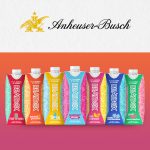
BeatBox, the cross-category party punch producer, is reportedly discussing a potential acquisition with Anheuser-Busch InBev (A-B), according to a story by the Wall Street Journal. Citing unnamed “people familiar with the matter,” the WSJ estimated the deal at $700 million, but couched that negotiations could “fall apart.”
In this episode of the Brewbound Podcast, Mark Anthony Brands president David Barnett details how the bev-alc company is “doing better than most” in today’s challenged marketplace. He spoke about the company’s highlights with Brewbound editor Justin Kendall, in a conversation recorded at the National Beer Wholesalers Association’s (NBWA’s) Annual Convention in Las Vegas.
Halloween is officially logged in bev-alc scan data and there’s no reason to be afraid, Circana EVP of BevAl Scott Scanlon wrote. During the week ending November 2, total beverage-alcohol dollar sales declined 2.3% year-over-year (YoY), but increased 4% week-over-week (WoW).
Ready-to-drink (RTD) cocktails are now a regular part of drinkers’ routines, with consumption frequency picking up and stealing the most share from beer, especially in the summer.
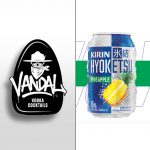
A pair of new ready-to-drink (RTD) offerings are coming from New Belgium in 2026, including Kirin’s top-selling canned cocktail and a vodka cocktail with a “subtle nod” to the Voodoo Ranger franchise.
Anheuser-Busch InBev’s (A-B) business continues to be primarily driven by its core traditional beer brands, but the company believes it can also be a leader in non-alcoholic (NA) and beyond beer, CEO Michel Doukeris shared Thursday during the company’s Q3 earnings call with investors and analysts.
One constant in beverage-alcohol’s rollercoaster 2025 has been growth in the spirits-based, ready-to-drink (RTD) canned cocktail segment. Spirits and cider sales stayed broadly stable in the two-week period ending October 18, while trends for flavored malt beverages (FMB) and seltzer worsened, according to analysis of NIQ data from Goldman Sachs Equity Research.
Boston Beer’s transformation from a craft brewer to an adult beverage company, which began in earnest about a decade ago, is looking like an even better bet as traditional beer’s declines outpace those of the beyond beer segment.
Global rap star Future and Ohza founder Ryan Ayotte want consumers to drink in style with Roué, a new brand of fine wines and RTD cocktails launching this month.
Vodka soda RTD Sprinter Spirits reported it had secured over $4 million in new investment as part of a $12 million round it is currently raising, per a Securities and Exchange (SEC) Form D filed on Friday.
Sazerac Company has partnered with Molson Coors-aligned wholesaler Andrews Distributing on three new ready-to-drink (RTD) beverages in Texas, adding a regional portfolio to the spirit company’s expanding RTD business.
Growth is slowing down for spirits-based RTDs, but gains in the on-premise and emerging flavor categories hint at opportunities, according to bev-alc consulting and data firm 3 Tier Beverages.