
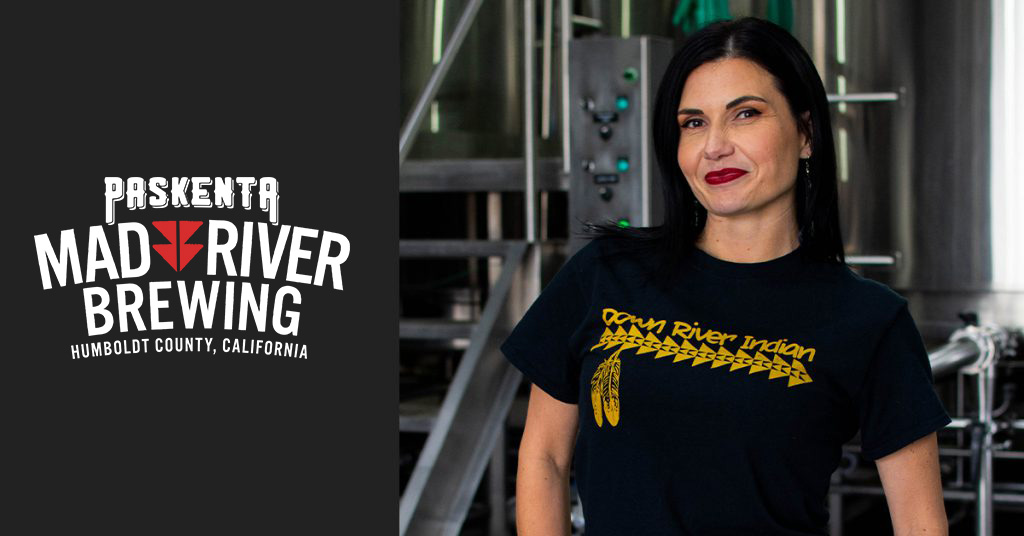
As the 2024-2025 season of the National Basketball Association begins, the league’s Sacramento Kings will have a new partner: Blue Lake, California-based Paskenta Mad River Brewery, which is tribally owned.
In the latest A Round With – an exclusive Q&A series for Brewbound Insiders – Paskenta Mad River general manager Linda Cooley discusses the brewery’s identity, its connection to the Native community and how the Kings partnership shaped up.
Here is our conversation with Linda:
Paskenta Mad River is one of a handful of Native-owned craft breweries in the country. How has this shaped your journey?
Linda: Our Native-owned status and particularly our Tribally owned identity is instrumental in everything we are doing. Strengthening Native communities through economics is a main objective of ours, and we are making a path for other Tribes to partner in that endeavor.
What role does Paskenta Mad River play in the Paskenta community?
Linda: A Native-owned distinction is so important for visibility and diversity. However, the distinction of being Tribally owned means our success directly impacts tribal members, and our profits bolster the economic well-being of a whole community, ultimately supporting tribal sovereignty.
You reimagined Paskenta Mad River’s brand into a “culturally appropriate package that tells a story beyond beer.” Tell us about the process and why it was crucial to get right.
Linda: This has been perhaps the most delicate and intentional component of our rebrand as a Tribal entity. From Day One, we have operated with thoughtfulness and sensitivity around culture, dispelling myths about Indigenous peoples, speaking to important causes that Indigenous leaders are at the forefront of, creating a model that celebrates Indigenous innovation and makes way for other Tribes interested in diving into craft beer.
How did your partnership with the Sacramento Kings come together? What do you hope to get out of the relationship?
Linda: Our team is like-minded in our efforts to reach for the stars. After our partnership with the San Francisco Giants, we were able to realize the value of a platform in professional sports and see the mutual benefit.
We reached out to the Kings as our home team and shared our story. You can sense right away when a partner understands the nuances related to your vision, and we took off running after the first call.
Paskenta Mad River’s leadership team is majority female, something that’s unfortunately still rare in craft beer. In what ways does this make your day-to-day operations different from other breweries?
Linda: I think it is inspiring. We have a healthy work environment free of misogyny or disrespect. We have an incredible team of people, all of whom are passionate about craft and invested in shaping the future of the craft beer industry.
Operationally, I think what sets us apart is that we are continually striving for social change. Even in our day-to-day we tie it back to big-picture vision and goals that will make a difference in the world.
Have you had any recent wins that surprised you?
Linda: For years we have been looking into a Native-Owned certification, as an essential step in creating a Native craft beer and foods category in stores. We just had the pleasure of announcing that following the creation of a beer category by the American Indian Foods Program, Paskenta Mad River Brewery products will display the American Indian Foods seal.
This is a moment we have been looking toward for so long, and it is truly meaningful.
What’s keeping you up at night with regard to the brewery and industry overall?
Linda: The economy is hard right now, for breweries, off-premise and on-premise. Always attempting to create something new that is meaningful, and customers can feel good about purchasing.
Supporting our hospitality and restaurant industry that in turn keeps all of us breweries alive, what can we do next, how can we help?
You’ve worked in the beverage-alcohol industry since you were of legal age. What are some of the biggest changes you’ve noticed? Any long gone trends you’re feeling nostalgic for?
Linda: The beer industry itself is far more inclusive than my introduction at 21; however, we still struggle to grasp onto and support Tribal and Native breweries. There are many publications and businesses that fly the inclusion flag but fail to include the Tribal section.
Breaking down the wall for Native Americans in business overall is my life goal – Tribal beer itself on more shelves, in more articles, higher visibility is my focus every day. Sharing our stewardship, focusing on quality ingredients, creating a product to be proud of is constantly being reinvented.
What’s one day-to-day issue you’re dealing with at the brewery?
Linda: Creating new experiences here at our taproom while still giving the old feel to our loyal customers. Giving our entire team a space to be creative and an opportunity to bring it to our customers, fostering a workplace that encourages us all to move forward.