
Brewbound Podcast
The Brewbound Podcast is an extension of Brewbound's leading B2B beer industry reporting, featuring interviews with beer industry executives and entrepreneurs, along with highlights and commentary from the weekly news. New episodes are released every week. Subscribe on Apple Podcasts or your streaming platform of choice.
Podcasts
September 11, 202554 mins
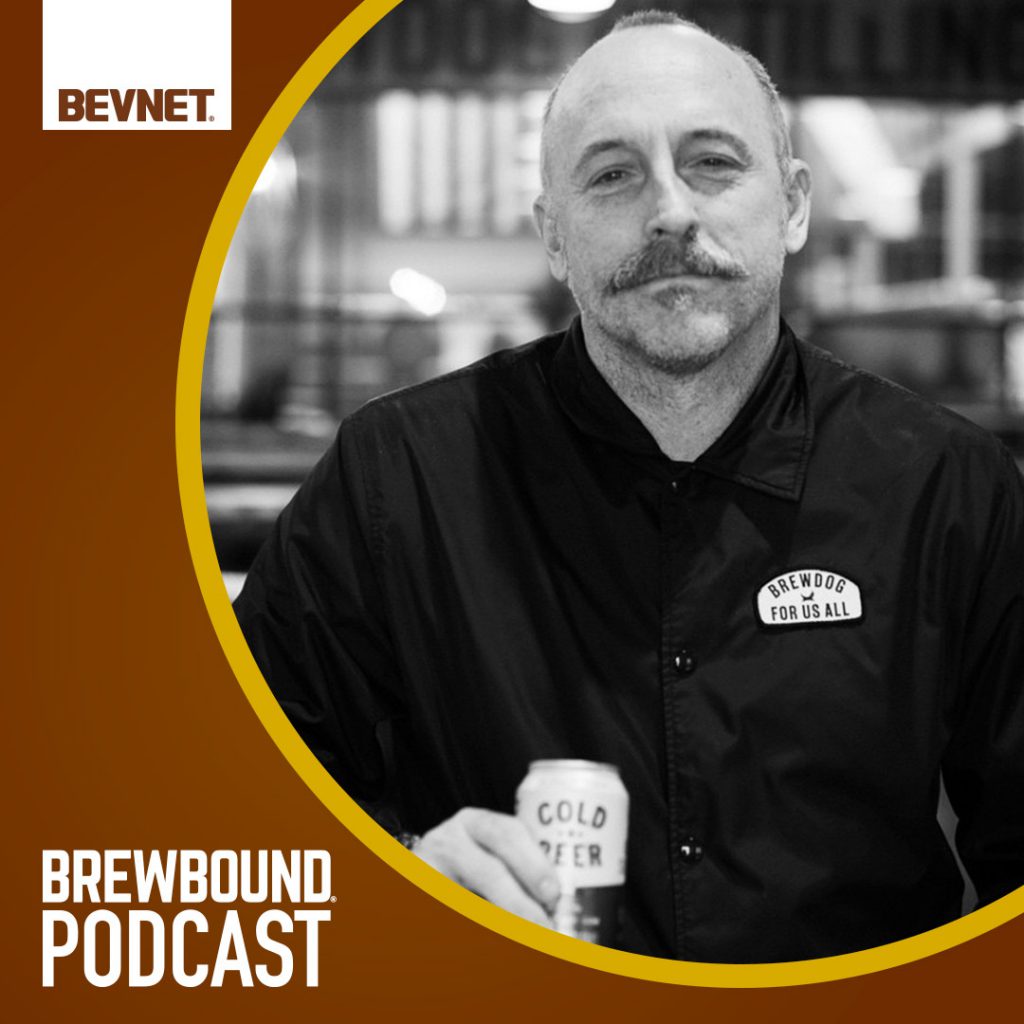
BrewDog USA’s Eric Franco on Gaining Greater Autonomy and Getting Focused
Less has been more with BrewDog’s U.S. business over the last year and a half.
On the latest episode of the Brewbound Podcast, BrewDog USA chief sales and marketing officer Eric Teodoro Franco explains how the business has “done fewer things better,” leading with a focus on its core brands, which helped the brand increase volume 26% last year, to 89,084 barrels of beer, according to data from the Brewers Association (BA).
“We were very, very famous and very willing to be famous for throwing a lot against the wall and seeing what would stick for many, many years,” Franco shared. “We can do that in the U.K. where you have a 50-plus share and you can develop a lot of things and trial and try new things.
“In this market, we did that and it didn’t work. We’ve really taken our range plan, we’ve taken our focuses down to really doing fewer and better things.”
That’s led to improved wholesaler partnerships and led to a redeployment of BrewDog’s teams to better support its core markets, Franco said.
Additionally, BrewDog USA has been given the opportunity to run its operations with some autonomy from its homebase in Scotland as its U.S. leadership team has earned the trust of the global team.
“We’re running things the way we need to run them,” Franco said. “Same on the food side and on the retail side of our business.
“For many years, we were very much driven by what the U.K. or international bars looked like, and we would apply that narrative, if you will, or business plan to the U.S. bars. That’s gone away as well.”
Franco also discusses how the exits of founders James Watt and Martin Dickie have affected the U.S. business, how the company is approaching innovation and how the company has rethought both its distribution footprint and its taproom strategy.
Before the interview, Brewbound’s Justin Kendall, Jessica Infante and Zoe Lica break down the impending closure of 21st Amendment Brewery, the removal of a study from the dietary guidelines process and the challenges of making an alcoholic version of better-for-you soda. They also dig into TikTok trends and the latest grousing about Generation Z’s bar habits.
Listen here or on your preferred podcast platform.
Listen
September 4, 202546 mins
Brewbound Podcast: Columbia Distributing Leaders On Building a Next Gen Pipeline of Beer Leaders
Columbia Distributing leaders believe they’ve tapped into a pipeline for the next generation of beer industry workers.
On the latest edition of the Brewbound Podcast, Columbia president and CEO Chris Steffanci, VP of sales, Portland Chris Watzig and former intern Rebecca Logan share the ins and outs of the Pacific Northwest distributor’s Beer Careers Program.
Watzig and Logan offer decades-apart experience of the 10-week paid internship program, which introduces participating students to all elements of Columbia’s business and operations. Watzig entered the program in 2015 and has worked his way up the ladder over the last decade. Logan recently graduated from Oregon State University and was in the program’s 2025 cohort.
The discussion covers how candidates are selected, why the company believes it’s important to invest in career development programs and what employers can learn from the emerging Gen Z workforce.
Before the conversation, Justin, Jess and Zoe share their Labor Day weekend adventures, including an unexpected encounter with a sandwich-hungry seagull. The trio also cover the latest news, including Sierra Nevada’s 2026 plans and Constellation Brands’ negatively revised guidance.
Listen above or on your preferred podcasting platform.
Listen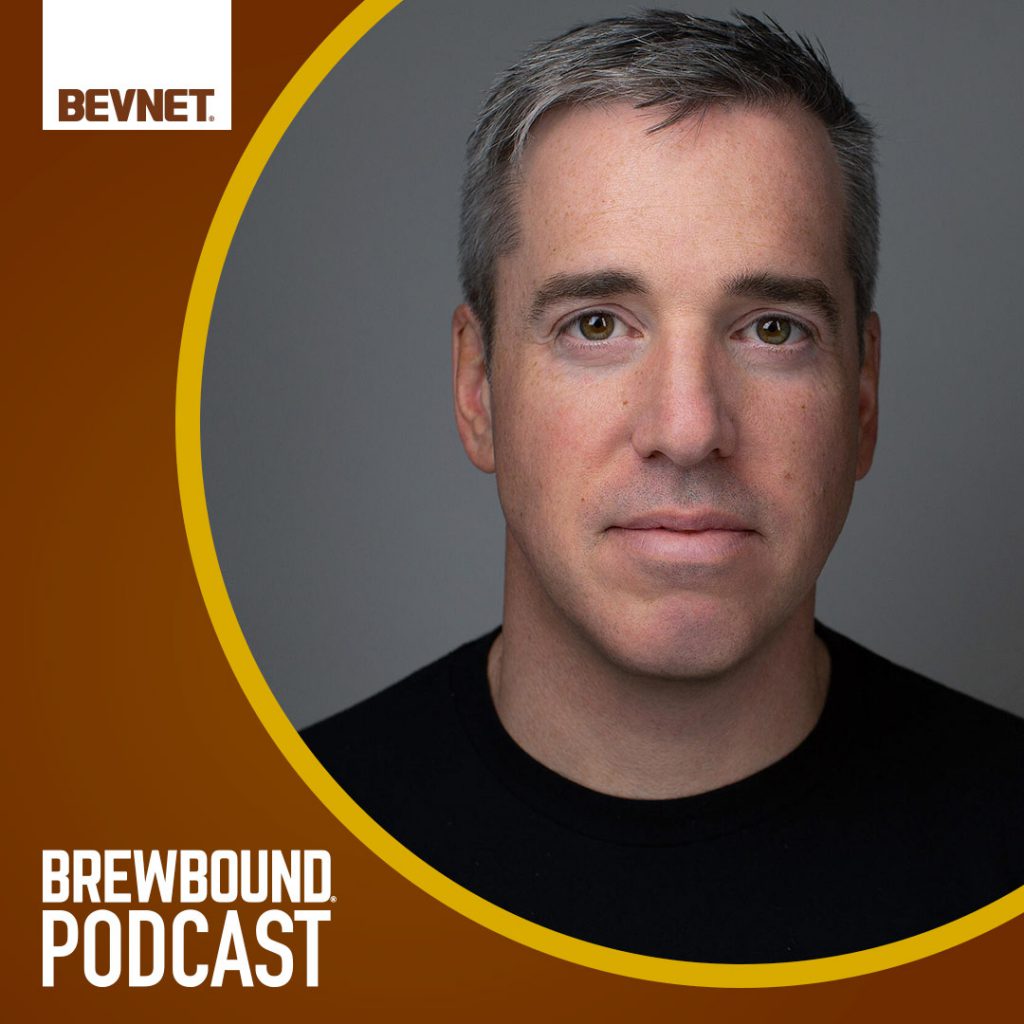
August 28, 20251 hr
Lessons on Navigating California’s Turbulent Craft Distribution Market with Kevin McGee
Kevin McGee used his law degree more than he expected when his family took over legacy California craft brewery Anderson Valley Brewing Company (AVBC), including in legal battles over distribution rights.
Now that the family has sold the brewery, a move announced in March, McGee is putting his degree to use full time.
On the latest edition of the Brewbound Podcast, McGee recounts recent franchise law cases and victories in the Golden State and shares his expectations for more challenges to craft brewers’ ability to switch distributors in the future.
McGee, who acted as AVBC’s president and CEO, also shares when he and his family knew it was the right time to sell the brewery. He explains what brewery owners thinking about selling need to consider, how they should prepare and what the current buyer market looks like.
Before the conversation, Brewbound editor Justin Kendall and senior reporter Zoe Licata discuss Anheuser-Busch InBev’s sale of its New York City wholly owned distributor to Southern Glazer’s Wine and Spirits and why they believe more moves are on the way.
Plus, Justin and Zoe play Another Round or Tabbing Out on Spindrift pulling the plug on its spiked seltzer brand and the crossover bev-alc market.
Listen here or on your preferred podcast platform.
Listen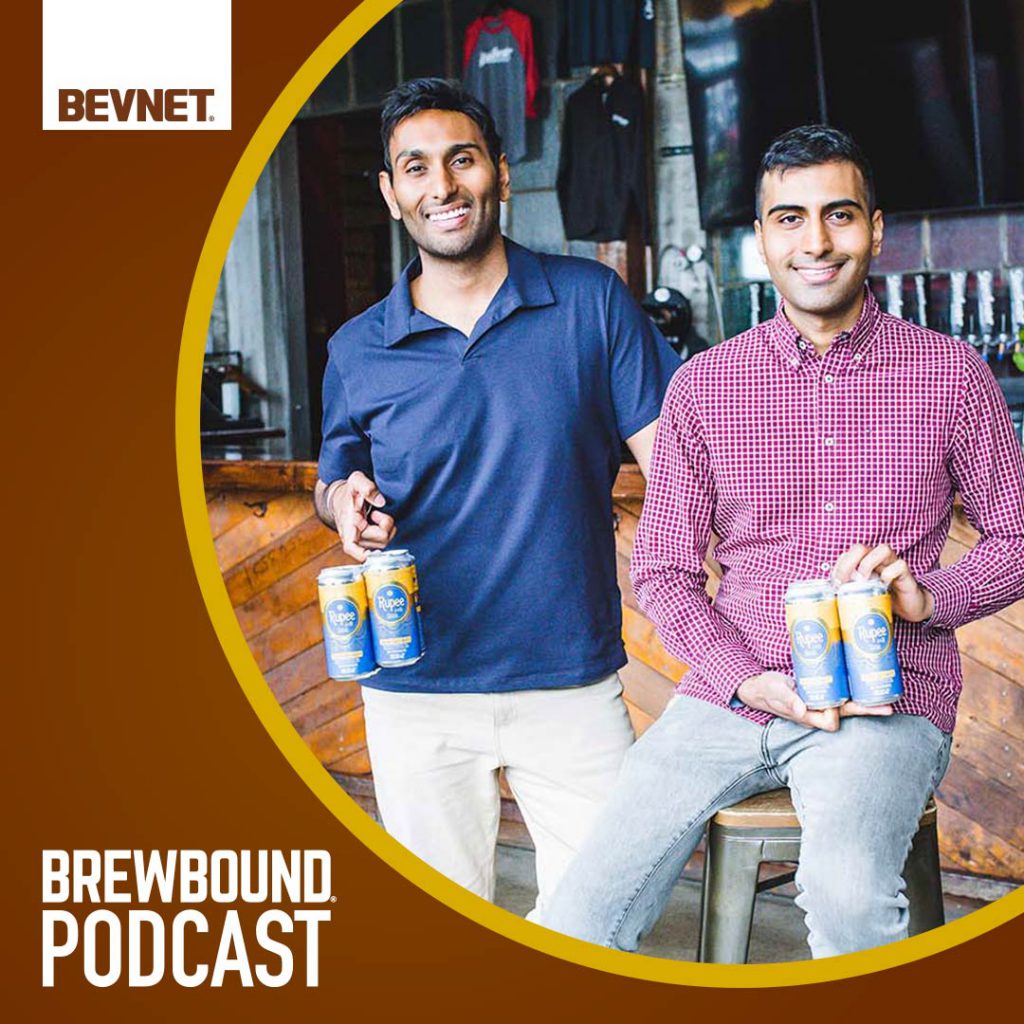
August 21, 202554 mins
Rupee Beer Poised for Indian Cuisine’s Breakout Moment
Rupee Beer founders Van and Sumit Sharma believe they’re ready to meet Indian cuisine’s moment.
On the latest edition of the Brewbound Podcast, the brothers share their journey of launching the Indian American beer brand during the COVID-19 pandemic as an add-on purchase at their family’s restaurant. Today, Rupee has expanded distribution to 18 states – most recently California – and the Sharmas are readying for an “explosion” of Indian restaurants entering the U.S market.
“We’re doing something that really directly ties it into the only story that we know, which is restaurants,” Van Sharma said. “That’s what we grew up in, more specifically, Indian restaurants.”
Rupee’s beer has found its way onto menus in Thai, Middle Eastern, Persian, Latin American and Caribbean restaurants.
“Anywhere global flavor, spice, those things hang out, that’s where we’re operating these days,” Van Sharma said. “Legacy brands out there definitely paved the way, but we’re doing something a little bit different, which also involves a little bit more of the local, craft American space as well.”
Although the Shamras built Rupee’s business primarily through the on-premise channel, they’re now getting the attention of national retailers and they’re leaning into their chain business.
Rupee is bringing new innovation to the Indian beer segment, which hasn’t seen an influx of new brands, Van Sharma added.
Later in the episode, the Sharmas discuss their strategy for engaging consumers and gaining their attention in retail stores, as well as their approach to building their distribution network and where they want to go next.
Plus, Justin, Jess and Zoe catch up on the latest headlines, including why it’s not time to panic despite the Gallup survey’s recent results on Americans drinking habits. They give a legal update on Uncle Nearest and the recipe agreement dispute between Schilling Cider and Incline. They also recap recent bev-alc experiences, from a growing dislike for black cherry flavors, to a sweaty trip to the Iowa State Fair.
Listen here or on your preferred podcast platform.
Listen
August 14, 202529 mins
Brewbound Podcast: A Look at Uncle Nearest’s Fight to Retain Control of Operations
Representatives of Uncle Nearest were in court last week fighting to retain control of the whiskey brand’s operations as its lender seeks the appointment of a receiver as the company has fallen into default on $108 million in loans.
BevNET spirits editor Ferron Salniker joins the Brewbound Podcast to share the latest on the case, including arguments made in court last week in favor of CEO Fawn Weaver remaining in charge, a gag order on comments to the media and on social channels and the timeline for a judge’s ruling.
Plus, the Brewbound team discusses aluminum can producer Ball Corporation cutting back on beer in its mix, and Boston Beer’s plans to shut down its Truly Hard Seltzer taproom in Los Angeles and sell the Angel City craft beer brand, as well as close its downtown LA taproom.
Justin, Jess, Zoe and Ferron also play Another Round or Tabbing Out on whether the attention the Spaghett – a bottle of Miller High Life with aperol and lemon juice added – is warranted.
Listen here or on your preferred podcast platform.
Listen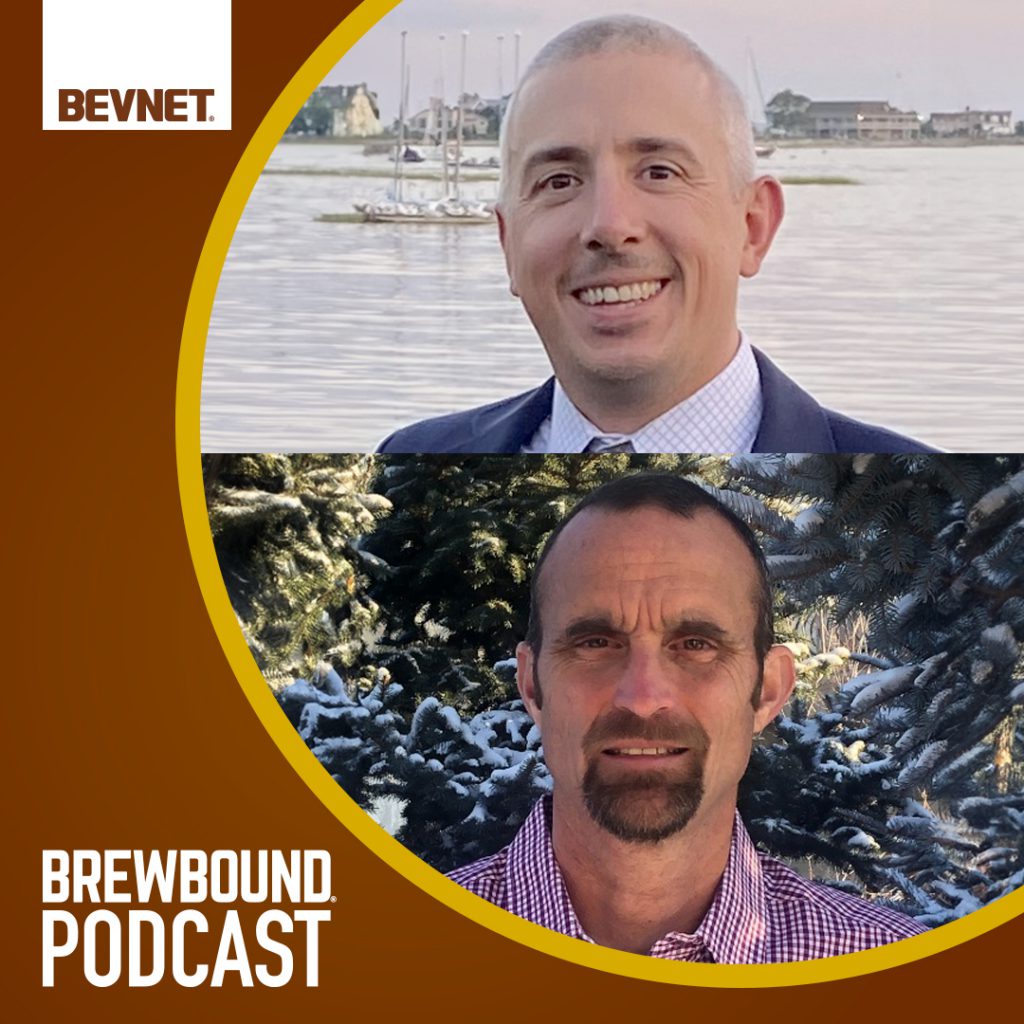
August 7, 202559 mins
Bump Williams Consulting on the Importance of Defending Display Space, 1st Half 2025 Trends
While defending shelf space remains important, suppliers need to make sure they’re also retaining lucrative display, floor, promotional and feature space, Bump Williams Consulting (BWC) president Dave Williams and VP of business development and portfolio strategy Brian “BK” Krueger shared in the latest edition of the Brewbound Podcast.
“That’s what really multiplies anything that you have on the shelf,” Krueger said.
Beer brands’ display losses aren’t just coming from competitors within the category – they’re coming from other mega alcohol categories and even non-alcoholic (NA) beverages.
“If you look at what’s on the floor on display now, it’s less alcohol across the board,” Krueger said. “You’re seeing more of the sodas, more of the flavor, more of the Olipops, more of the Poppis that are getting that space that used to be 50-, 60-case stacks of beer or seltzer or craft or domestic or import.
“Now, it’s gone, it’s out of the mix,” he continued. “And the frequency has also eroded away as well.”
Williams stressed that suppliers need to maintain alignment with their wholesaler and retailer partners to protect that space, which will be key to winning in the future. That alignment comes from being present in the market to maintain those relationships.
In their conversation with Brewbound senior reporter Zoe Licata, Williams and Krueger also discuss first-half 2025 trends in detail with a few reality checks along the way.
“It hasn’t gotten notably worse, but it hasn’t also gotten markedly better,” Williams said of early year trends. “The reality [is] that beer and malt in particular based products, that consumer isn’t coming back around in large droves.
“I don’t expect volume to come back in any meaningful way,” he continued. “There are certainly some individual winners … I think a lot of behaviors from consumers right now are drawing people outside of the beer/malt world. They’re slowing down their frequency of consumption or volume that they’re consuming when they do go out and make a purchase at the package store.
Krueger and Williams also share how craft brewers are leveraging other areas of bev-alc for growth, what’s contributing to flavored malt beverages’ (FMB) struggles this year and whether consumers are making pricing-based decisions.
Plus, the Brewbound team reconvenes to discuss Jim Koch’s return as CEO of Boston Beer and Michael Spillane’s forthcoming exit after 16 months.
Justin, Jess and Zoe explain why the CEO change felt out of left field, what it means for Koch to return to power after 24 years and how the conversation around internal candidates is being framed.
Listen here or on your preferred podcast platform.
Listen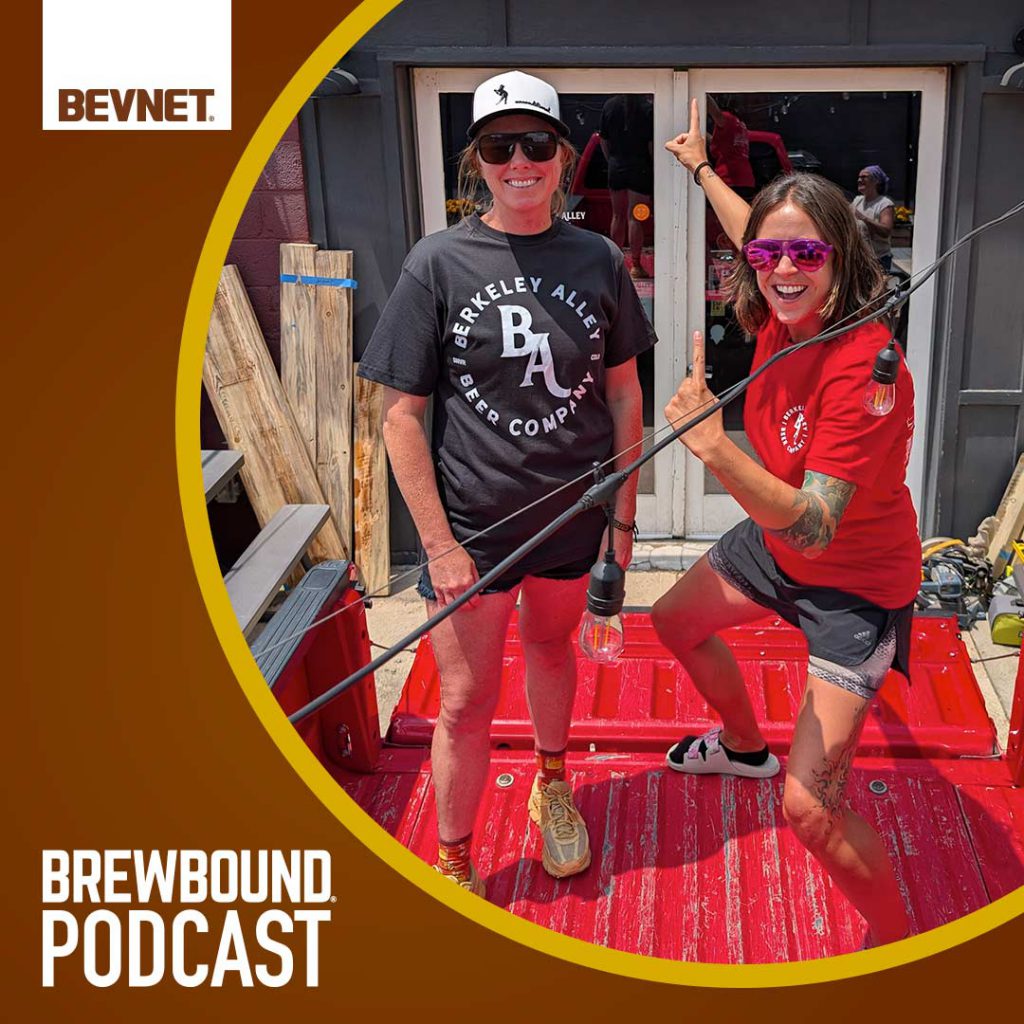
July 31, 202546 mins
Brewbound Podcast: Berkeley Alley Beer’s New Owners on Being ‘Crazy and Strategic’
After years working at various breweries and hosting their own craft beer podcast, Chelsea Rhoads and Liz Hess finally decided to take the plunge and buy a brewery.
The pair, who co-host the Body By Beer podcast, acquired Denver’s Berkeley Alley Beer Company earlier this summer and have put their own spin on the beloved local spot. They joined Brewbound managing editor Jess Infante for a conversation about why now was the time to become brewery owners and how they plan for Berkeley Alley to be a community gathering hub.
The brewery, which opened as De Steeg before being sold and rechristened Berkeley Alley in 2021, has a four-barrel brewhouse, which Hess runs.
“We get a chance to really play and learn and really get our feet wet, so I’m looking forward to that,” she said. “I’m not saying it’s not scary times, as far as expense goes, because it is, right? But we think that we can push people to come in and expand that by offering more than just beer.”
Ahead of the interview, Brewbound senior reporter Zoe Licata chats about the latest headlines, including Boston Beer’s tale of two teas and the Brewers Association’s midyear survey results. Plus, she details a recent taproom visit that blew her away.
Listen here or on your podcast platform of choice.
Listen