
Brewbound Podcast
The Brewbound Podcast is an extension of Brewbound's leading B2B beer industry reporting, featuring interviews with beer industry executives and entrepreneurs, along with highlights and commentary from the weekly news. New episodes are released every week. Subscribe on Apple Podcasts or your streaming platform of choice.
Podcasts
April 9, 202633 mins
Q1 Craft Scans, Platform Proliferation, BrewDog’s Identity Crisis – and What’s a Daycap?
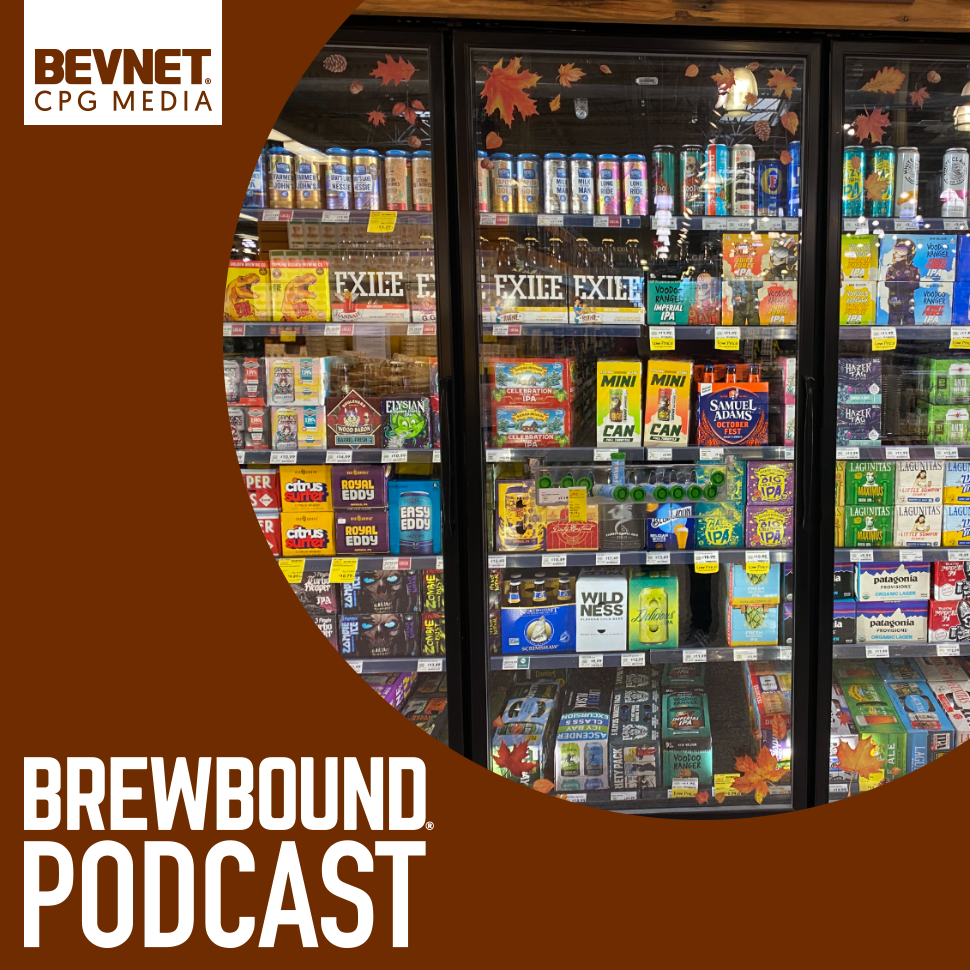
How did craft close out Q1 in scans? In this episode, the Brewbound team convenes to discuss the early read on trends in off-premise retailers with the first three months of 2026 in the books.
The conversation shifts to the latest platform builders, as Oklahoma City’s Coop Ale Works and Dallas’ Four Corners Brewing have created the Frontier Beverage Collective. Meanwhile, Abita Brewing Company is rechristening itself as the Abita Beverage Group, targeting 170,000 barrels this year, and potential mergers and acquisitions.
Then the focus turns to new BrewDog owner Tilray Brands’ Q3 earnings report and future plans with the Scottish craft beer brand in the fold. Justin, Jess and Zoe discuss BrewDog’s identity without its “punk” ethos, which now includes a residency in the Hamptons.
The show wraps with a conversation about the “Daycap,” following a Business Insider story on bev-alc brands targeting daytime occasions via some creative marketing to younger LDA consumers. . Is this really a thing with Gen Z?
Listen here or on your preferred podcasting platform.
Listen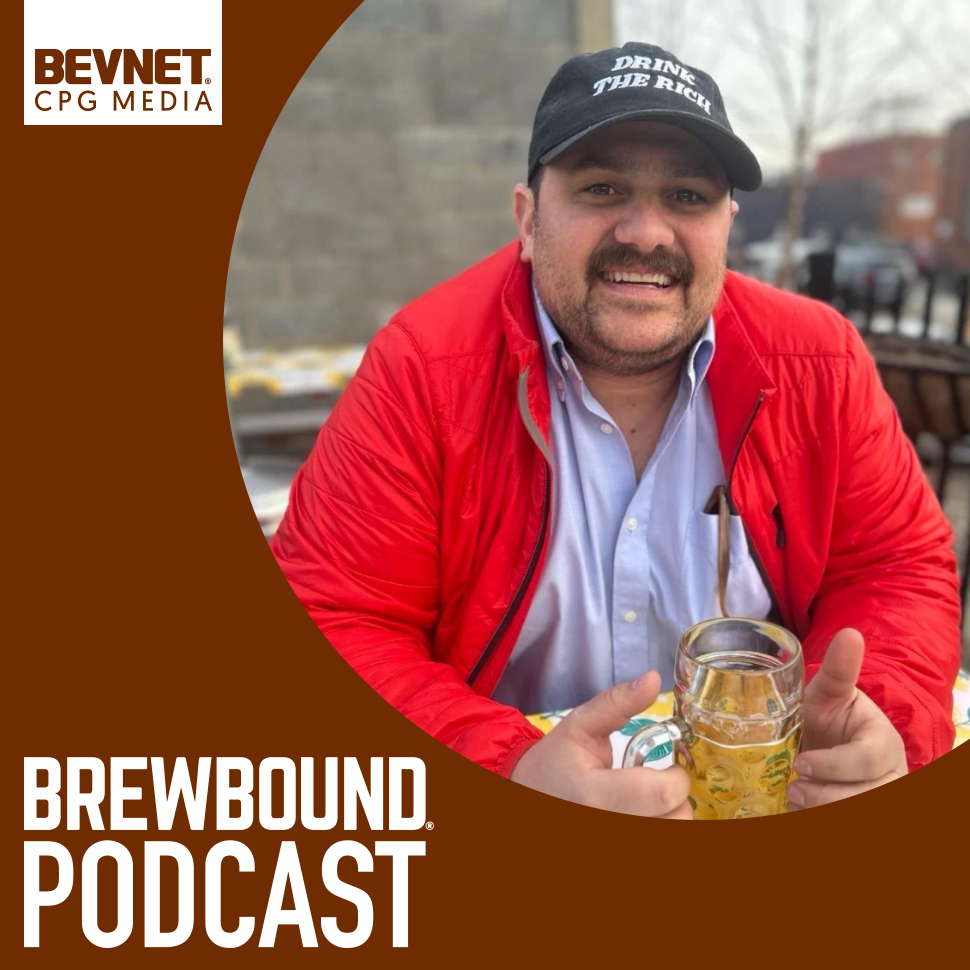
April 2, 202649 mins
Mega M&A Madness with Fingers’ Dave Infante
In the wake of major shakeups in the middle-tier that will see the largest distributors getting even bigger and major manufacturers adding brands to their portfolios, Fingers newsletter author Dave Infante joins the Brewbound Podcast to recap a wild couple of weeks in the bev-alc industry.
The Brewbound team and Infante cover recent distributor consolidations by the Reyes Beverage Group and Southern Glazer’s Wine & Spirits and whether this signals a new era of mega distributors. They also discuss the effect these deals could have on small producers, especially brewers who are now competing with a variety of products outside of traditional beer in their wholesalers’ books.
The crew also dissect recent brand acquisitions among suppliers, including Firestone Walker’s Trumer Pils pick up in the U.S. from Gambrinus and the potential fallout; Constellation Brands’ deal for HOPWTR; Molson Coors’ addition of Monaco; Pernod Ricard and Brown Forman’s flirtation; and Phusion Project’s purported interest in selling Four Loko.
The show wraps with a discussion of the upcoming Craft Brewers Conference and why everyone will be vibe-checking attendees later this month.
Listen here or on your preferred podcasting platform.
For more information on Fingers, follow this link.
Listen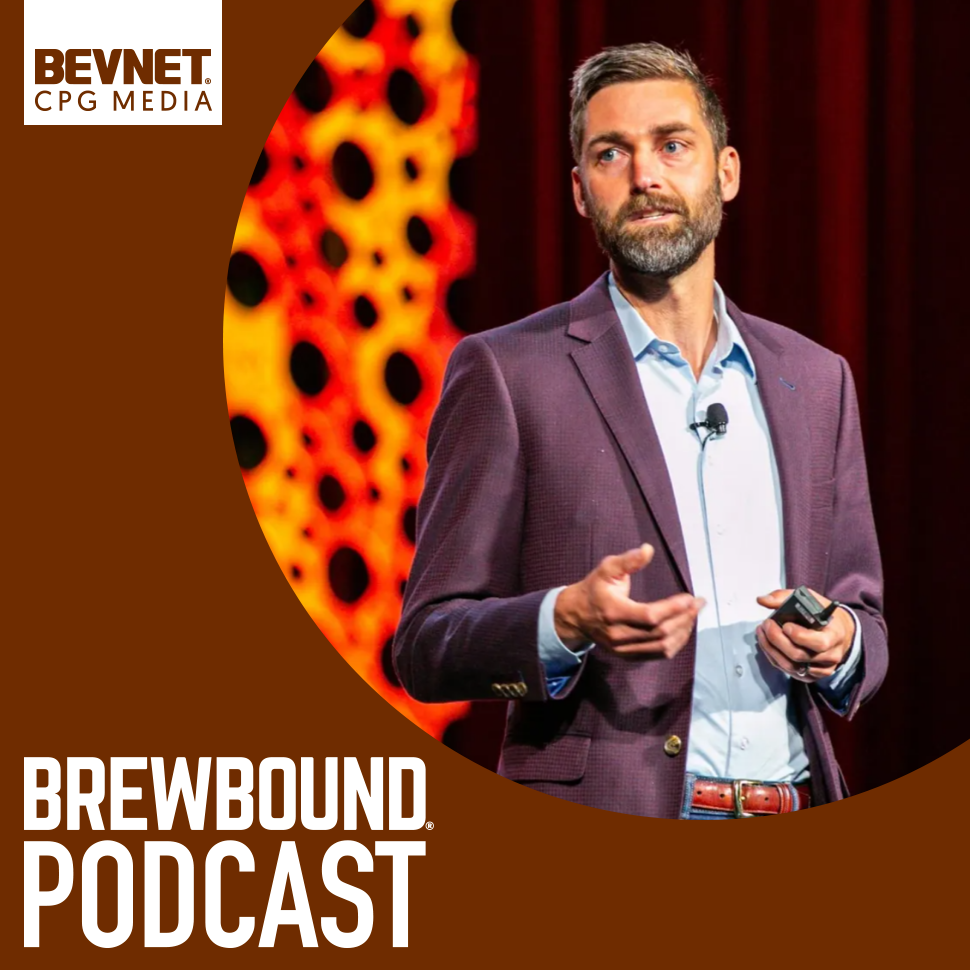
March 26, 202653 mins
A CBC Primer with Brewers Association CEO Bart Watson
Brewers Association president and CEO Bart Watson believes the Craft Brewers Conference works best when it’s “the big-tent event that everybody is coming to and connecting with.”
On the latest edition of the Brewbound Podcast, Watson explained that he views the largest annual gathering of craft brewers (April 20-22 in Philadelphia) in four buckets:
Commerce via the BrewExpo trade show, where brewers connect with suppliers and learn about trends;
Education, with a host of new voices on the speaker roster this year;
Networking, with a more intentional approach and dedicated sessions;
And fun.
“CBC should be that week where you do all four of those things,” he said. “But you come back recharged, energized with new ideas, new energy.”
The BA’s membership base is primarily made up of brewpubs and taprooms, making hospitality and customer traffic “the thing that makes or breaks their businesses,” he explained.
“Craft is gonna win or lose with people wanting to come into breweries and then having a great experience or not having a great experience,” Watson continued.
As such, hospitality will be a key theme of this year’s event, and the BA has tapped restaurateur Will Guidara, author of Unreasonable Hospitality, to give the event’s opening keynote speech.
“He’s like a hospitality business ‘Ted Lasso,’” Watson said. “He really brings a spirit and a positivity that is going to be welcomed in craft right now as people try to lean in, do better, grow in what’s a challenging time but one where many people are still finding opportunities to thrive.”
Watson offered more insights in the interview, including the state of the industry.
Before the interview, Jess and Justin recap a wild week of M&A, including Molson Coors finally nabbing its spirts-based RTD in Monaco/Atomic Brands and a flurry of big distributor consolidations with Southern Glazer’s Wine & Spirits, Anheuser-Busch InBev, Reyes Beverage Group and Republic National Distributing Company (RNDC).
Listen here or on your preferred podcast platform.
Listen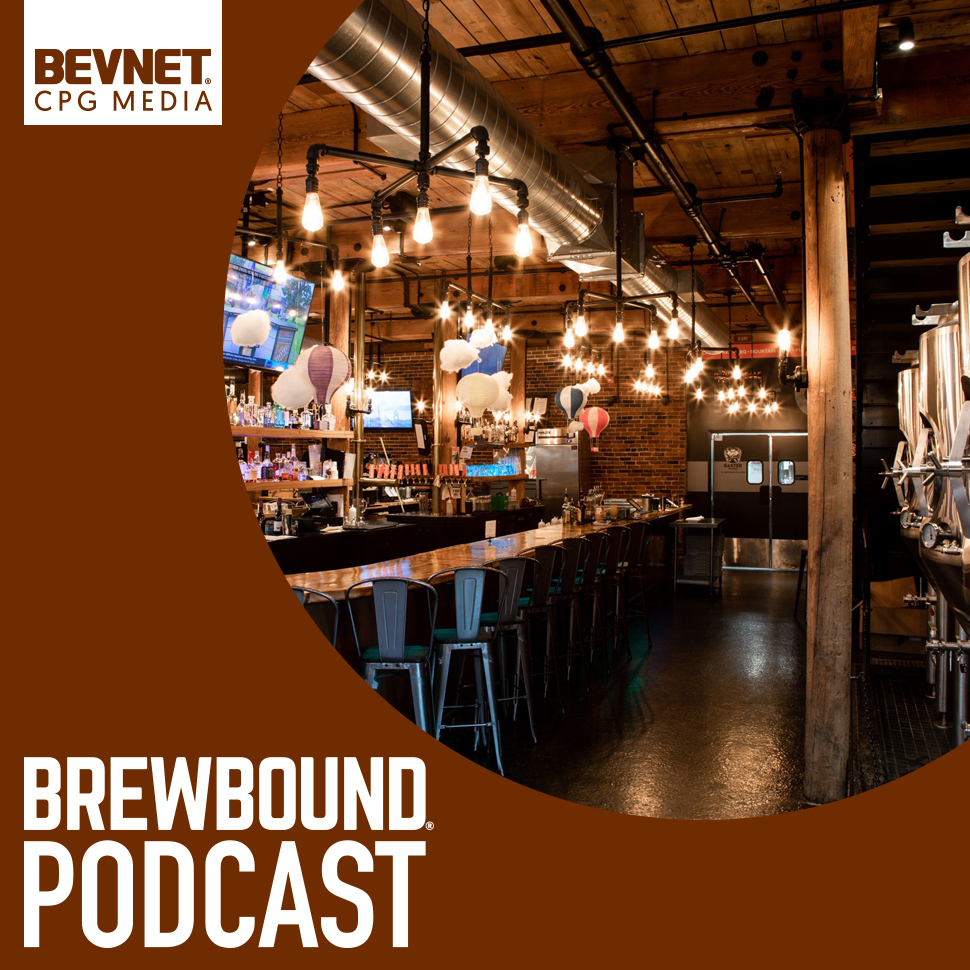
March 19, 202658 mins
From Blueberries to Boom Season: Baxter and Orono’s Maine Strategy
Maine’s craft brewing industry has always punched above its weight despite being among the smallest in population. The state ranked second in breweries (14.3 per 100,000 21+ adults) and economic impact per capita, and third in gallons (9.8) per 21+ adult in 2024, according to Brewers Association data.
That outsized impact along with the state’s robust tourism business gives Maine craft brewers a unique perspective on the industry’s ebbs and flows.
The latest edition of the Brewbound Podcast features two of those voices – Baxter Brewing president Jenn Lever and Orono Brewing co-owner Abe Furth – in separate conversations recorded during the New England Brew Summit. Both are also Maine Brewers Guild leaders and board members.
Up first, Lever explained what it’s like to navigate a business when seven months account for the lion’s share of volume.
“We’re so proud to represent Maine year-round, but we also recognize the challenges that come when your population quadruples for less than half of the year,” she said. “You’ve gotta be ready to activate and react as quickly as possible to that summer season.
“The people that come to Maine the first time, it’s never their last time.”
Lever also touched on how Baxter’s mix shifts during the busy season, the loss of Canadian tourism amid strained international relations and why blueberry-flavored offerings have become big business for the company.
Then, Furth discussed why guild participation remains important. He also shared why operating in a college town allows him to peer into the future and plan accordingly, and explained the importance of working through innovation plans with the brewery’s distributors to find products that fill real whitespace in their portfolios.
Before the interview, Justin and Jess recap Tilray’s purchase of BrewDog’s U.S. assets and the future of the platform. They also look at some not great shipment numbers to start the year and some not-so-bad scans.
Listen here.
Listen
March 12, 202640 mins
Brewbound Podcast: A Changing of the Guard at Oxbow
Two months into her role as president of Portland, Maine-based Oxbow Brewing Company, Bri Warner is finding her groove and taking on more of the hands-on, day-to-day operations. The leadership transition allows founder Tim Adams to spend more time evangelizing for Oxbow and Rising Tide, which the company acquired in early 2025.
Warner joined the brewery from Atlantic Sea Farms, the largest kelp farming operation in the country. The duo joined the Brewbound Podcast for a conversation recorded at Oxbow’s Portland taproom last week, ahead of the New England Craft Brew Summit.
“We’ve been very much focused on the art and the beauty and the flavors and all that has been priority No. 1 for a long, long time,” Adams said. “But in order for us to be in this for the long term, we’ve got to tighten things up behind the scenes on the business front. And Bri just is an absolute master at doing that.”
With Warner at the helm, Adams has been able to return to the field to represent the brands to trade partners and consumers. Most of this winter has found him at the Oxbow Beer Garden in Oxford, Maine, where the brewery serves beers and pizza in a 200-year-old barn alongside nearly 100 acres of cross-country ski tracks and a disc golf course.
“We have four locations, we have two brands, we have a lot of beers – there’s a lot to manage internally,” Warner said. “What that does is it keeps Tim from being out on the road, and I think probably the most power of this is the fact that we get to free him to do the work to continue to grow the brand in a really great and passionate way.
“And I think that you see a lot of breweries and a lot of people in the industry that are having a hard time bridging that gap, and hopefully this move will allow that to do that.”
Before the interview, the Brewbound team details the latest beer industry news, including Tilray’s acquisition of BrewDog’s Australian operations, Four Loko’s proposed sale and George Clooney and buds’ new NA brand, Crazy Mountain.
Listen here or on your preferred podcast platform:
Listen
March 5, 202641 mins
Brewbound Podcast: 42 North on Delivering a Total Guest Experience; Plus Tilray Acquires BrewDog’s UK Operations
New York’s 42 North Brewing has entered its second decade with a new mindset about what it means to be a craft brewer, founder John Cimperman said on the latest episode of the Brewbound Podcast.
“The days of having great liquid alone? Those days are behind us now,” he said. “It’s really that total guest experience, so we’ve really leaned into that and really focused on training our employees, making our environment as approachable and inclusive as possible, and just not taking any customer for granted.”
42 North Brewing celebrated its 10th anniversary last September. Business at its taprooms in East Aurora and downtown Buffalo has returned to pre-COVID-19 levels with some changes. Food and events make up a larger portion of revenue, and 42 North has embraced both by enlisting a restaurant partner to manage service and booking standing live music performances.
“The other part of it is kind of listening to our customers,” Cimperman said. “We’re seeing more younger families in our taproom, and while we’re not going to put a jungle gym in the beer garden, we are leaning into it, whether it’s programming that’s family oriented, smaller portions on the food side for the kids.
“We look around the taproom and we look at the demographic, and we say, ‘OK, what is going to appeal to this group and bring them back?’” he continued.
Before the interview, Zoe and Jess break down Tilray Brands’ acquisition of BrewDog’s Scotland brewery, global brand and IP and 11 pubs in the U.K. and Ireland, plus the closing of BeatBox’s sale to Anheuser-Busch InBev and the new leadership of the Brewers Association’s board of directors.
Listen here or on your preferred podcast platform.
Listen
February 26, 202641 mins
The Oregon Beverage Collective Finds Power in Numbers
The pack mentality isn’t going away anytime soon in craft brewing.
The Oregon Beverage Collective (OBC) – the tie up of Crux Fermentation Project, Cascade Lakes Brewing, Silver Moon Brewing, Goodlife Brewing and Tumalo Cider – launched a couple of weeks ago as one of the latest additions to this crowd.
OBC president Andy Rhine joined the latest edition of the Brewbound Podcast to share how those five brands are looking to build strength in numbers
Rhine explained that OBC’s formation wasn’t out of necessity even in a Pacific Northwest market facing challenges through distributor consolidation. Instead, the collective’s foundation was built via long-time relationships among brewery owners in Bend. And it was those relationships that led to Rhine acquiring Crux in a separate deal from founders Larry Sidor and Paul Evers.
Even with a portfolio of five brands and efforts to consolidate production, sales and marketing, Rhine said maintaining each brand’s “unique identity” will be key to the future of the collective. The conversation also covered Rhine’s view of OBC’s future and whether more members will be added to its ranks.
Before the interview, Justin and Zoe break down the latest headlines, including the fallout from Dry January, the Brewers Association’s 2025 financial results, Tilray’s licensing deal with Carlsberg, the Left Hand Collective’s newest member and the Supreme Court’s ruling on reciprocal tariffs.
Listen here or on your preferred podcast platform.
Listen