
As one joint is lit, another one is extinguished. I think that’s how the saying goes.
Or at least it loosely works as a metaphor for what we saw over the past week in the ever-busy world of state cannabis regulations: as Ohio slams the door shut (for the moment) on hemp, California passed a law attempting to wrangle its market into compliance. The one consistent in all these stories? Nobody is really happy.
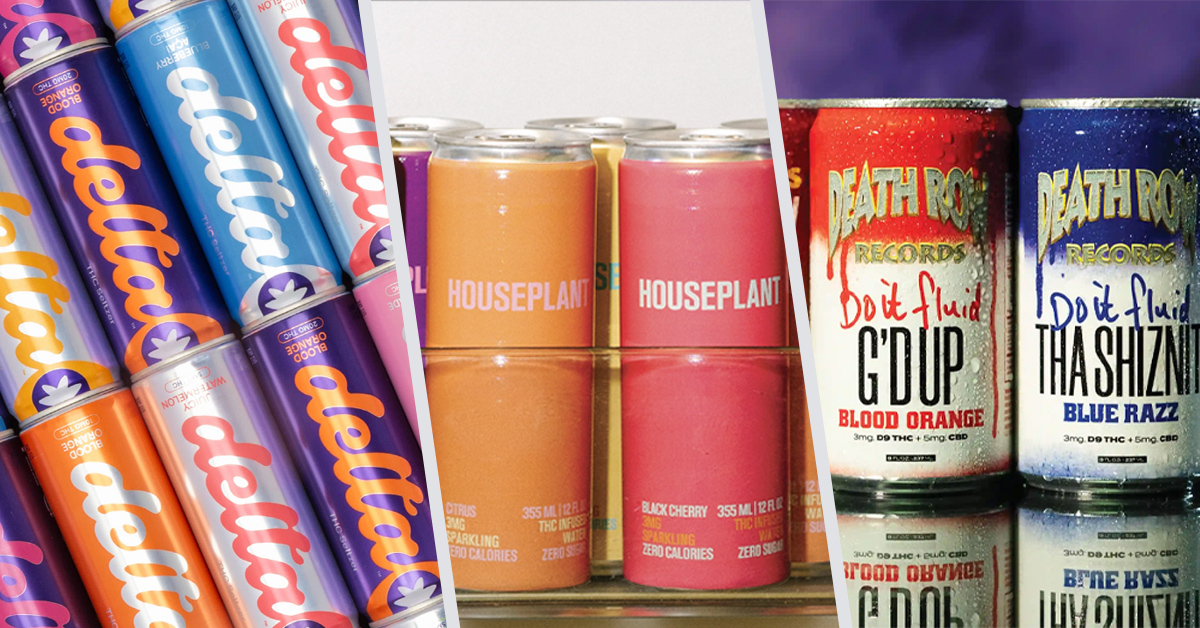
That’s because the growth of hemp THC has shined a light on the inherent weirdness of a system that allows the proliferation of legalized cannabis businesses in some states while also creating a thriving market for hemp THC beverages in states that are typically more, well, anti-stoner.
The result? A system that curtails the fastest-growing format for intoxicating THC – beverages using hemp – in states whose voters have been the friendliest to the idea of legal cannabis overall.
First stop is Ohio, where Gov. Mike DeWine signed an executive order temporarily halting all sale and public display of intoxicating hemp products for the next 90 days. Sound familiar? It’s similar to what we saw from governors in states like Massachusetts and California in recent months, where leaders justified their respective restrictions as an urgently needed response to an unregulated public safety hazard – while also facing the wrath of the legal cannabis businesses voters had asked them to spend years creating and regulating.
Two years ago, Ohio voters passed a measure that called for the statewide legalization of cannabis. Meanwhile, as the state takes the time to set that system up, the state has had such a flood of intoxicating hemp derived products that he’s called it a state of emergency.
DeWine has been asking his state to build a set of laws around hemp for almost two years, but nothing has yet reached his desk. He claims the conditions (i.e. the confusing availability of kid-candy-like ‘Stoner Patch Kids’) warrant a decisive response: “I think the danger to our children is clear,” he told reporters on Thursday, showcasing the requisite offending products.
Meanwhile, in Texas – where there is no legalization – Gov. Greg Abbott vetoed a ban on those very same products at the last minute, and compelled the state legislature to pass regulations by calling a special session; he eventually dropped an executive order outlining rules for legal hemp in September.
Maybe it’s got to do with which industry has the power. Early legalization state Colorado has long had a ban in place on hemp-based THC, while California’s Gov. Gavin Newsom made headlines when he authorized a block on intoxicating hemp sales last year.
Last Thursday, Newsom signed a bill that removes the distinction of source, regulating THC the same whether it’s from hemp or marijuana. When the law goes into effect in January 2028, intoxicating hemp products will only be available in licensed, age-gated cannabis retailers.
This leaves the burgeoning cohort of hemp CPG entrepreneurs caught in the middle — eager for “bad actors” and dangerous products to be held accountable, but angry to find themselves equally penalized. Jonathan Miller, general counsel at the U.S. Hemp Roundtable, called DeWine’s move a “crushing, job-killing blow to the state’s hemp industry.” Meanwhile, Vertosa’s Ben Larson delivered an impassioned indictment of California’s position while on stage at the IgniteIt Inc. conference on Thursday.
“This is not what we fought for when we said ‘legalize it,’ he said. “If California was once a lighthouse, we’ve now become a cautionary tale. And if we keep this up, protecting turf instead of purpose, we won’t just lose leadership. We’ll lose relevance.”
The fight between enacting outright bans and creating new rules reflects the underlying tension between urgency and patience, but also has significance when it comes to who ultimately profits off legalization. In anti-cannabis Tennessee, for example, proposed hemp regulation has been criticized as handing the power and profits to spirits distributors by creating a three-tier system in the state. Similar criticisms surrounded the attempted bans in Texas, where beer distributors remain strong players in the legal hemp business.
The same battles from the states are playing out in D.C., where competing pieces of proposed legislation are advocating for either the removal of all THC from the definition of legal hemp, or for rules governing a legal market for such products. President Trump has helped muddy the waters even amongst his own cabinet by occasionally teasing a potential rescheduling for cannabis or promoting the wonders of CBD.
It’s a stark reminder that despite the obvious consumer demand and excitement, the foundation that’s been built thus far in hemp CPG is riddled with cracks, if not outright holes.
Go Deeper: Could This Bill Legalize Intoxicating Hemp?