Search across the BevNET CPG Media network including BevNET, Nosh, Brewbound, Taste Radio, Nombase and CPG Jobs.
Martín Caballero
Managing Editor, BevNET
Martín writes news articles and feature stories covering the non-alcoholic beverage industry for BevNET. A graduate of Boston University, Martín's previous work has appeared in USA Today, The Boston Globe and The Boston Herald.
Kroger shoppers looking for Red Bull or Boar’s Head products may be out of luck for the time being, as the country’s largest supermarket chain grapples with pricing strategy amidst a grim economy.
Where most low-dose drinks come in at around 2.5 to 3 mg per container, Herb Light cuts that by more than half. But in the guise of a refreshing, session-friendly, non-alcoholic beer styled after classic American light pilsners, the concept is closer to “non-alcoholic-plus” than to a typical THC drink.
If rapper Wiz Khalifa’s new THC-infused beverage Kush & Orange Juice connects with an audience anyway similar to the album that inspired it, expect this one to be a breakthrough release.
One of the ad industry’s most lauded firms is jumping into beverages with a low-dose THC drink modeled after classic American beer. Herb Light is billed as a “crushable super-low-dose light beer-styled brew” with just 1 mg THC per 12 oz. can. “Big taste, little high” is the tagline.
Hemp beverages may have earned a temporary reprieve from upcoming federal restrictions after the U.S. Senate passed a continuing budget resolution over the weekend that extends the deadline until December 11.
After over a decade ball-hawking in the backfield, former NFL star Micah Hyde is taking on a new position: hemp beverage entrepreneur. Following his retirement in January 2025, the Ohio native stepped into the beverage arena with Hyde’s Hail Mary, a line of Shandy-style low-dose THC drinks that’s aiming to recruit both football and beer lovers alike.
After making a splashy debut in 2024, Más+ By Messi, the hydration drink brand co-launched by global soccer superstar Lionel Messi and Mark Anthony Brands, is officially out of the game.
Brooklyn-based non-alcoholic beverage maker St. Agrestis, best known for its Phony Negroni line of bottled RTD mocktails, has been acquired by The Wine Group (TWG) for an undisclosed sum.
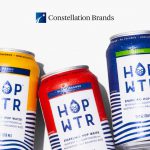
Constellation Brands has agreed to terms to acquire HOPWTR, expanding the beer and spirit giant’s presence in the fast-growing non-alcoholic space. The deal comes roughly five years after Constellation’s initial investment in HOPWTR in 2021 through its Venture division.
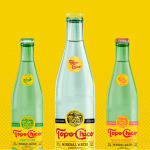
Sparkling water fans are bracing themselves for a prolonged drought after The Coca-Cola Company confirmed that Topo Chico mineral water is temporarily unavailable in the United States due to production issues at the source in Monterrey, Mexico.
New York may allow licensed alcohol retailers to sell THC-infused drinks if a new measure introduced in the State Legislature earlier this week gains passage.