
Last week in existential musings on the spirits industry, analysts asked the question: What if growth doesn’t return after destocking is done?
Following a year of flat spirit sales, wholesale inventories are at an all time high and retailers are pulling back on new products. In a new report, Jefferies analysts said they don’t expect destocking to remain an issue into 2025, but what happens then with spirit growth trends?
While the report is confident that spirits will likely continue to take share of total alcohol, some of the tailwinds pushing the category forward in the last 20 years are less pronounced (think the opening of Sunday spirits sales, advertising opportunities, even spirits tastings at distilleries). After the boom in the pandemic, there’s a risk that spirits will trend more in line with the growth of the legal drinking age population as opposed to taking from beer and seeing “outsized share of throat.”
There’s another possible risk to spirits: RTDs. While canned cocktails are helping to bring more consumers into spirits over the medium-term (recruiting from beer or wine), the report argues that they might harm spirits’ growth overtime.
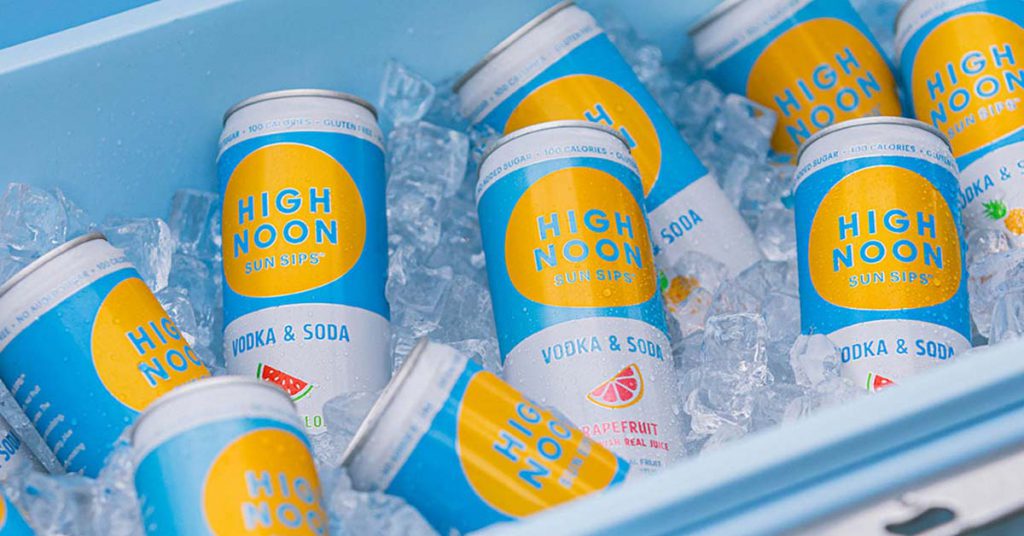
Why? Several reasons. New non-traditional spirit brands like High Noon, which Jefferies estimates accounts for roughly a quarter of the spirits-based RTD category, are driving growth.
“High Noon is taking spirits consumers away from the big spirits brands, similar to how White Claw took consumers away from the core light beer consumer,” reads the report (and big beer hasn’t quite brought them back).
The mixed quality of RTDs could also possibly harm the perception of spirits, as we know it’s not easy to make a craft cocktail in a can. The race to the bottom also risks the commoditization of the category, after spirits (thanks mostly to craft distillers), have spent the last two decades premiumizing. RTDs also create volatility in the supply chain by taking up shelf space. Despite all that, we should note DISCUS has been making more RTD channel access a legislative priority — and overall anti-alcohol sentiment and adult non-alc’s rise have been named as more of a threat to the industry.
So what to watch out for? Spirits-based RTDs are roughly one-fifth the size of malt-based seltzers in volume terms, and while they face more obstacles in terms of distribution, the category is comparatively not at saturation point yet, argues the report. It might feel like it, but RTDs haven’t peaked: Spirits-based RTDs had a 16% share of the RTD category at the end of 2023 versus 8% in 2021, according to DISCUS, which means there’s headroom, according to the report. Once it rolls over (possibly within the five-year period new RTD categories tend to spike and fizzle), that may provide more breathing room for the mother spirits to grow.