
In Japan, some of the country’s oldest sake brewers are eagerly awaiting a decision next month on their bid for the rice wine to win recognition as a UNESCO Intangible Cultural Heritage, a commendation reflecting the depth to which the beverage is tied to national pride and tradition. Other ambitious brewers, meanwhile, are just as eager to buck tradition altogether.
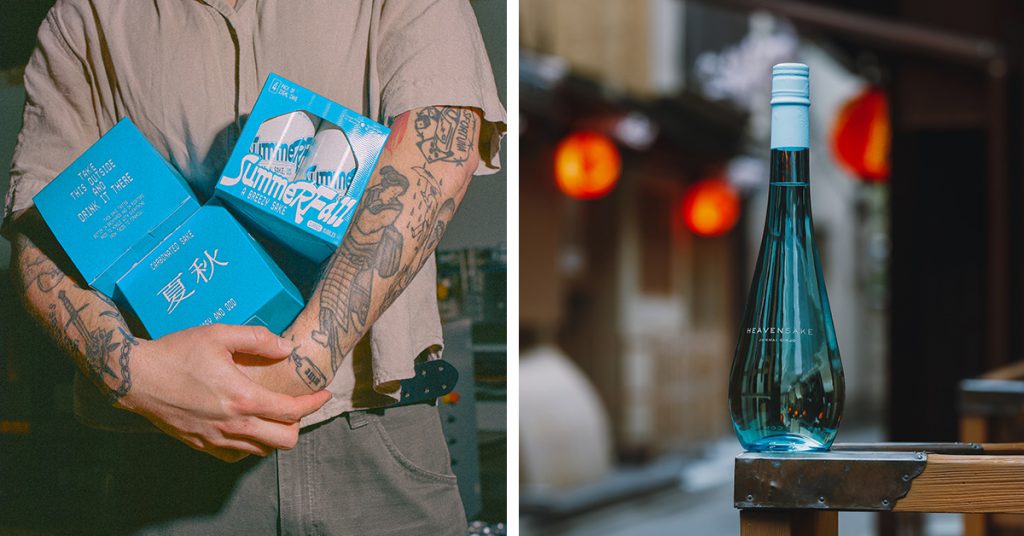
Among the shelves of packaged noodles and chili oils, shoppers at Fatty Mart, an LA neighborhood multicultural mega-bodega, might find a sampling for SummerFall, a sparkling yuzu and sake canned cocktail released this month. It’s one of several sake ready-to-drink (RTD) cocktails that have appeared on shelves in recent years, this one with the charge of spreading the founder’s vision of “sake for everyone.”
Sliding into the $10 billion RTD market in the U.S. is not the only way sake brewers are hoping to find inroads into American shelves and bars. A crop of sake producers have paired wine making techniques with traditional sake brewing– and positioned themselves against other high-end lower ABV beverages.
With a few major Japanese brands investing in U.S. breweries and education over the past year, there’s now a little more muscle for fighting the barriers to growing a beverage that has been losing traction in its home country and is still finding its footing in the U.S.
Ready-To-Sake
The volume of sake exports from Japan has almost doubled since 2014, with shipments to the U.S. up +107% year-on-year through July according to the Japanese Sake & Shochu Makers Association. Off-premise sake sales in the U.S. have grown consistently, rising +22.4% in the last four years according to NIQ. And like for plenty of others in bev-alc, RTDs might represent a shiny new way into sustaining that growth.
SummerFall isn’t the first canned sake or sake cocktail on the market. But the cocktail brand comes from Takuma Inagawa, founder of Wakaze, France’s top-selling sake, who is taking a page from his own playbook across the pond and from natural wine’s rise, an undefinable category except for its cool-factor and possible better-for-you/environmental attributes.
Inagawa’s plan to break in sake for new audiences is an approachable “take it on-the-go” message, simple ingredients (like California rice), and wine fermentation methods. Sake lovers and the Asian-American market have been receptive to SummerFall off the bat, Inagawa said, and the higher-acidity has perked the interest of natural wine lovers. The original SKU, an unflavored sake sparkler, launched in April. The goal with the new Yuzu Bubbles SKU is to continue to widen the new-to-sake audience one step at a time, he said.
“Because evolving perception and reception of sake is not an overnight feat, we need to focus on reaching different waves of consumers at a time,” Inagawa said.
To do that the founder is visiting nearly 100 accounts per week, where he holds tastings and speaks with retailers, on-prem accounts and consumers.
“An enormous focus for us during this stage is to remain iterative and adaptive, allowing ourselves to pivot when we discover enthusiasm from a potentially unexpected demographic,” he said.
The largest existing sake market is in California, especially Los Angeles, and the brand is focusing its efforts there as well as New York and Illinois. Inagawa aims for Yuzu Bubbles to expand to 1,000 more locations in California alone by Q2 2025, and will focus on the challenge of succeeding in the more mainstream American market (the brand is in 17 Total Wine & More locations and nine Erewhon outlets).
As for on-premise, SummerFall is going after fast-casual restaurants where it can confront sake’s largest hurdle: the misconception that it pairs well only with sushi or Japanese cuisine. Asian restaurants eclipsed total industry growth in 2024 so far, and their total industry share also rose slightly from January (11.97%) to October (12.19%), with Japanese food accounting for 28% of the submarket according to Pew Research. That provides a lot of room on menus for sake, but moving the category forward requires a wider audience.
“We really see growth potential with sake when we pair it with non-Japanese food, and that’s something we have a big focus on, trying to sell and introduce sake to non-Japanese restaurants,” said Timothy Sullivan, director of education at the Sake Studies Center at New York’s first sake brewery, Brooklyn Kura.
Riding the wave of overall Asian restaurant growth does offer low-hanging fruit for SummerFall, such as accounts featuring casual Asian dishes – like dumplings and Korean barbecue, Inagawa said. Casual noodle houses in Los Angeles such as Taiwanese Pine & Crane or Moto Ramen are building blocks as the brand tries to stretch the American imagination to eventually picture sipping on sake while enjoying a hamburger and fries.
“We began with Asian establishments at first, but we’ve begun to see an uptick in interest from all genres of fast casual,” he said.
RTDs are gaining the most share on-premise in night clubs and bars, followed by casual dining at 1%, up just under half a point in the 52 weeks ending September 7, 2024 compared to the same period last year.
Sullivan, who trains industry professionals on how to sell sake, sees the rice wine as an upsell opportunity across on-premise.
“Sakes tend to be priced a little bit higher than the average wine or beer, and servers and restaurants can get higher bill totals when you fold in some sake into the offerings for your restaurant,” he said.
Sure, but will a $12 SummerFall at 11% ABV seem like a better deal to diners than ordering an $8 beer or $22 half bottle of natural wine?
As SummerFall tests that theory, sake’s on-premise numbers are fairly resilient: with 2.4% of wine share and flat growth since last year, the segment is down 2% in dollars and down 3.6% in volume, but that’s better than table or sparkling wine – which may present an opportunity.
Low-ABV to “Japan-Adjacent”: New Trends Are Brewing
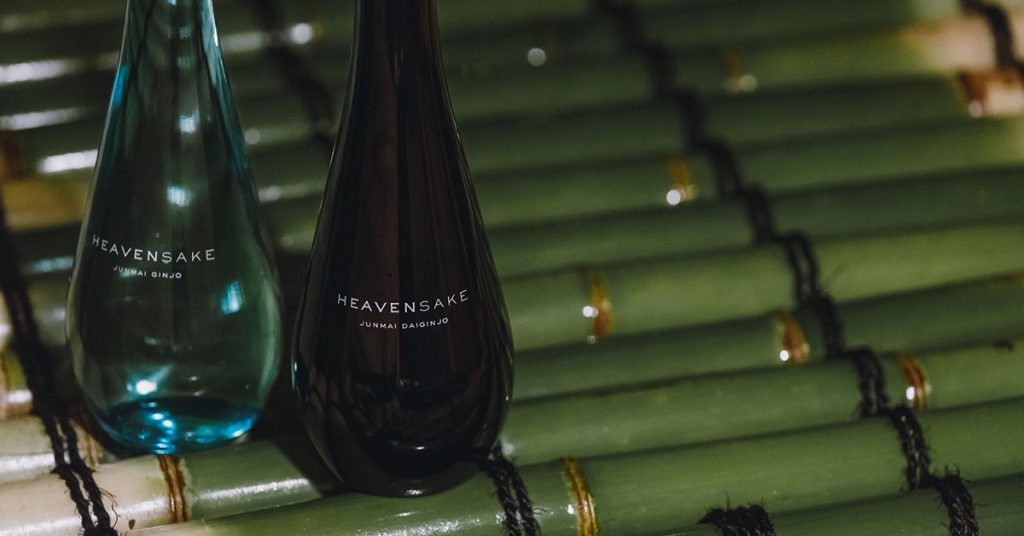
HeavenSake, which debuted in 2017 with a minimalist, elegant packaging, aims to resonate with consumers who are used to high-end wines and spirits; that’s why global manager Zak Gross recommends it to be served chilled in a wine glass. The brand’s approach is slightly different from other sakes that have pushed higher-end bars to use the rice wine as a substitute for vermouth or other cocktail bases.
The luxury brand comes from another France-based entrepreneur, Régis Camus, a renowned Champagne maker who was the first to bring assemblage, the art of blending, to premium sake in an aim to appeal to a broad international audience. It’s ending the year by collaborating with two of Japan’s most prestigious sake breweries, Katsuyama and Niizawa.
“Sake is no longer limited to Japanese or Asian restaurants—it’s showing up in Michelin-starred spots and upscale omakase rooms,” Gross said. “Chefs and sommeliers are featuring it alongside wine, pairing it with foods that aren’t traditionally associated with sake.”
A decade ago, sake wasn’t in these spaces, but now it’s finding its place in the global culinary conversation. Japan-adjacent food and drink trends have picked up in the last few years: “Japanese food is the cuisine all the other cuisines most want to hang out with,” wrote the New York Times in its 2023 food forecasting summary. Yuzu is one of the global flavors consumers were supposedly more thirsty for this year, inspired by an uptick in Japan travel from the U.S., which rose 153% in the first half of 2024 from the same period in 2019.
As no-additives and low-ABV become buzz words, Gross is hoping those trends also aid the brand’s traction. Presenting sake as a wine occasion may also move the category more than fighting for a placement in cocktail programs.
“Sake is a very interesting and useful ingredient in cocktails, but after several years of seeing stories on sake cocktails, we haven’t seen the traction that it is the motivator that gets people to love it and order it in a wine glass,” Sullivan said. “I don’t know how much Sangria you have to drink before you become a fine wine enthusiast.”
For many foreign beverages, what has often pushed them over the edge into the mainstream is education backed by big budgets.
“The Juice Is Worth The Squeeze”
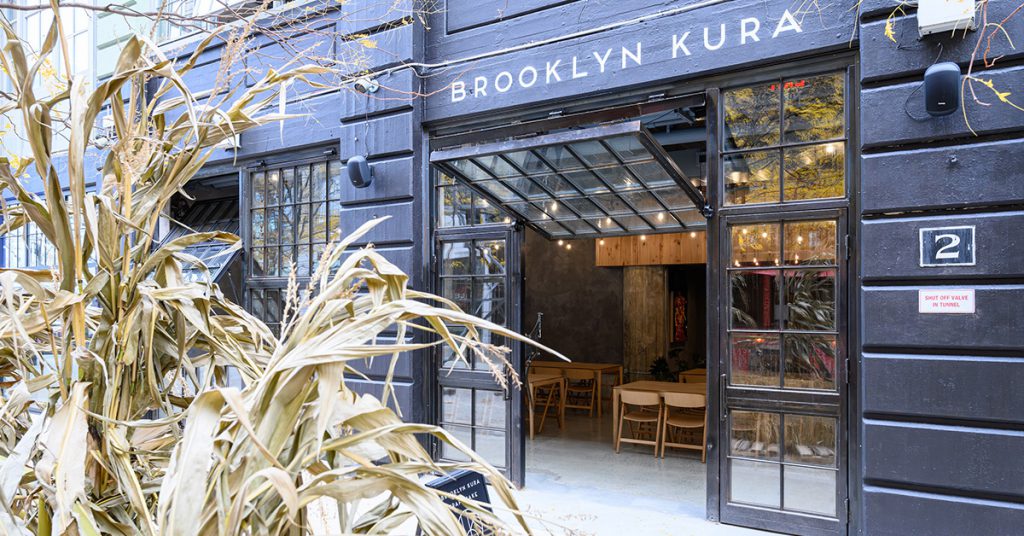
Brooklyn Kura is one of the nearly 30 craft sake brewers now in North America, a number that has shot up as the number of Japanese breweries has shrunk. Together with exports from Japan, higher-quality sake is now more readily available to Americans than ever, and a good portion of it is being made in the States.
Founded in 2016, Brooklyn Kura got a boost when it received an investment from Japanese sake brewer Hakkaisan, and used that money to fund the opening of a 20,000 square-foot production facility that’s home to the Sake Studies Center.
Hakkaisan isn’t the only Japanese brewery to make a big investment in the U.S. Last September, the company behind the popular sake brand Dassai opened an $80 million facility near the Culinary Institute of America (CIA), in Hyde Park, New York and began collaborating with the CIA on classes about sake.
Since Brooklyn Kura’s studies center opened a year ago, Sullivan has trained over 400 consumers and 150 industry professionals, offering certifications for sake sellers. He notes developing an industry-wide proficiency to sell sake is slow grind, especially as restaurants struggle under larger economic pressure and may not have budget or time for staff training.
“I think staffing for restaurants is a big challenge, and selling sake is a big challenge, it takes effort to bring everyone up to speed with education,” he said. “We’re working very hard to try to convince restaurants that the juice is worth the squeeze.”