As Editor-in-Chief of BevNET, Jeff Klineman oversees the organization's reporting across all of its web sites, as well as BevNET Magazine. Jeff also plans, curates, and hosts the BevNET Live and NOSH Live conferences.
Jeff previously worked as a newspaper reporter for the Lawrence Eagle-Tribune, the Boston TAB and the Metrowest Daily News, and has freelanced for publications like Slate, Boston Magazine, Self, George, Commonwealth, and the Chronicle of Philanthropy. He is a graduate of Yale University and Columbia University’s Graduate School of Journalism.
A frequently-cited expert on the beverage industry, Jeff has also twice been named in Forbes as one of the 25 Most Influential when it comes to Consumer and Retail Companies.
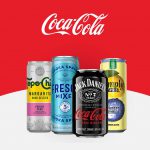
The Coca-Cola Co. is consolidating many of the emerging, non-sparkling businesses in its portfolio – including brands like BodyArmor, Dunkin’ coffee, and its nascent RTD spirits project, Red Tree Beverages – under its Atlanta-based North American Operating Unit.
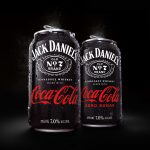
Coke’s New Revenue Streams unit is transferring control of its Red Tree Beverages bev-alc play to different structural leadership, according to Beer Business Daily.
by
Lukas Southard, Jeffrey Klineman and Martín Caballero
One of the largest retailers in the country is dipping its toe into the intoxicating hemp beverage category. In its home state of Minnesota, Target has stocked the shelves of 10 stores in the Twin Cities region with intoxicating hemp drinks from 10 different brands, marking a potentially seismic shift in distribution for the category.
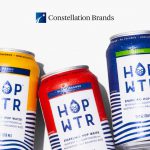
Spirits and Mexican import beer giant Constellation Brands put its official stamp of interest on the trend by investing in HOP WTR, an emerging brand of zero-calorie sparkling water infused with the fruity bittering agents as well as some on-trend functional or adaptogenic ingredients like L-Theanine (potentially providing relaxation and focus) and Ashwagandha (a purported stress reliever).
Former Anheuser-Busch Beyond Beer vice president Randy Ornstein is moving to the retailer side of the desk, taking a job with convenience store delivery company goPuff. Ornstein will be goPuff’s director of alcohol, he confirmed to Brewbound.
A growing number of craft beer drinkers would describe themselves as being “health-conscious” and are interested in striking a balance between regular alcohol consumption and routine exercise, according to a new survey jointly developed by Nielsen, The Harris Poll and Brewbound. According to the study — which surveyed nearly 1,400 respondents who drink alcoholic beverages several times per month — 60 percent of millennial craft beer drinkers (those who consume at least one beer per month) said they only drink alcohol on the weekends, while 44 percent of millennial monthly craft drinkers said they take time off from drinking entirely in order to maintain a healthy lifestyle.
The research also features the stunning revelation that “This year, brewers and beer importers hope to see beer again be the top choice for Americans celebrating the occasion.”
In an editorial broadside launched both in print and online, the Brewers Association lashed out at “crafty” beers produced by international brewing conglomerates yesterday as part of what the BA promises will be a long battle to increase consumer awareness of the definition of craft beer.
Craft brewers have had a great time in the past decade as the public’s excitement over their products has led to a massive increase in demand. But with that growth has comes the need for more capacity. For many early stage companies, that has meant adding additional fermentation tanks, purchasing larger brewhouses, even expanding into… Read more »