
Brewbound asked retailers, distributors and data analysts which trends they’re watching and why at the start of 2025.
From non-alcoholic (NA) adult beverages and imports to draft and on-premise shifts, here are the trends our respondents will be tracking this year.
Non-Alcoholic Beer Leads the Way
NA beer has been a growth driver within the beer category, with off-premise sales in Circana-tracked retailers increasing +28.6%, to more than $471 million, in 2024. The segment now holds a 1.03% share of beer dollar sales.
In the throes of Dry January, NA was the most frequently cited trend to watch this year.
NA beer, “especially draft,” was on the mind of John Lane, owner of the Winking Lizard Tavern chain in Ohio. For January, all 15 Winking Lizard locations are offering Athletic Brewing’s NA beer on draft.
“Will that translate into the future of always having an NA on draft?” he asked.
Matthew Poffel, director of beerology for SPB Hospitality (the parent company of Old Chicago Pizza & Taproom), is also closely “watching the NA and ‘better for you’ trend.”
“We expanded our NA beer footprint across our system by 5x to cover multiple flavor profiles and styles,” he told Brewbound. “We have less of an emphasis on local craft NA and are leaning into recognizable national brands.”
The “increased penetration” of NA beer into the on-premise is a trend that BeerBoard chief strategy officer Brandy Rand is following.
“NA share of total beer is still small but making gains as moderation becomes the new norm among consumers,” she added.
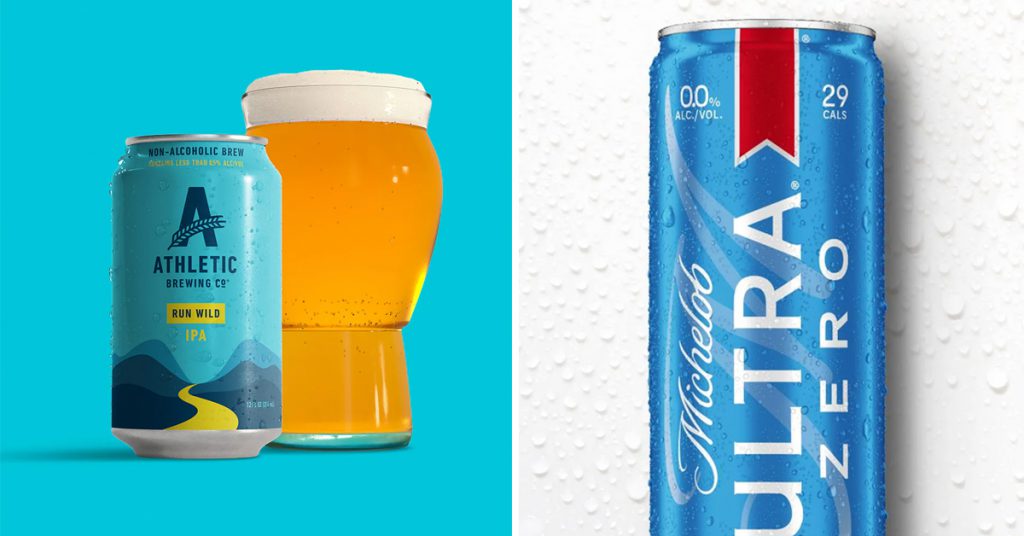
Mary Mills, consultant for 3 Tier Beverages, is keeping an eye on no- and low-alcohol trends.
“The space we haven’t talked about as much is low-alc, that 1-3% [ABV] space. It is still very small, but growing, and I think [is] an interesting option as consumers look to cut back, but maybe still want a little something.”
Mills pointed to adult NA (beer, wine and spirits) sales topping $820 million in 2024, posting +27% growth in NIQ-tracked channels.
“There is still a huge runway, as this is only about 1% of total bev-al,” she said. “So I think you’ll continue to see this grow through established players like Athletic, but also with new national entrants (hello, Mich Ultra Zero) and craft entrants alike.”
Mills sees hop waters gaining “more traction” and serving as “an easier option for craft brewers to create,” given the food safety requirements for NA beer.
“I think it will be rare to see a brewer that doesn’t have some sort of NA option, as consumers are looking for that more and more,” she continued.
On-Premise Performance and Focus
The health of the on-premise channel and draft beer was also on the minds of respondents.
“We believe that there is still ‘recovery’ to be found from COVID,” Aaron Caffey, EVP of Carolina Premium Beverage, told Brewbound. “On a rolling-12 [month basis], we are observing a +6.4% increase in our on-premise business.”
BeerBoard’s Rand also pointed to suppliers’ “renewed focus on draft beer.”
“This isn’t about filling empty lines, but about the right assortment to maximize velocity and revenue,” she explained. “Empty or underperforming draft lines are often indicative of a misaligned assortment strategy, not a lack of options. On-premise operators are facing pressure to optimize their tap lineups with high-margin, high-performing brands.”
Jennifer Hauke, founder and president of Draftline Technologies, is also tracking the “increased competition among the top 20 brewery suppliers in the on-premise draft beer market.”
“This will likely drive continued SKU rationalization as breweries strive to optimize their portfolios and distributors look to carry less SKUs,” she said. “Despite this consolidation, craft breweries with strong execution and a focus on quality, like Sierra Nevada, will continue to thrive.
“The winners in this space will be those who prioritize not just product excellence but also draft quality and maintenance at the point of dispense – a critical factor in ensuring a great customer experience.”
Other Trends to Watch: Imports, Novelty Products, Growing Beverage On-Prem
Several other trends were on our respondents’ radars. Here is what else they’ll be watching.
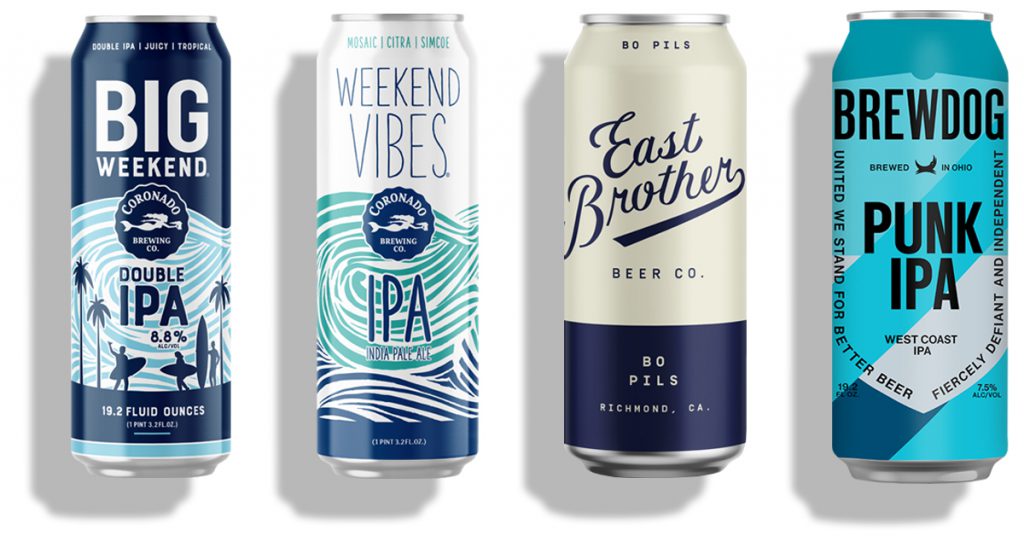
Sinead Carey, director of beer at Breakthru Beverage California: “19.2 cans are still trending up, with the bigger brands in this format continuing to grow even as more brands look to invest in the format. While the craft category is focused on getting back to growth, we expect brewers to put more emphasis on their core and work on formats and brands that resonate with consumers in the market.
“Spirits based RTDs, particularly the large brands are still leading the growth. This category will continue to evolve, and we expect high single-digit growth.”
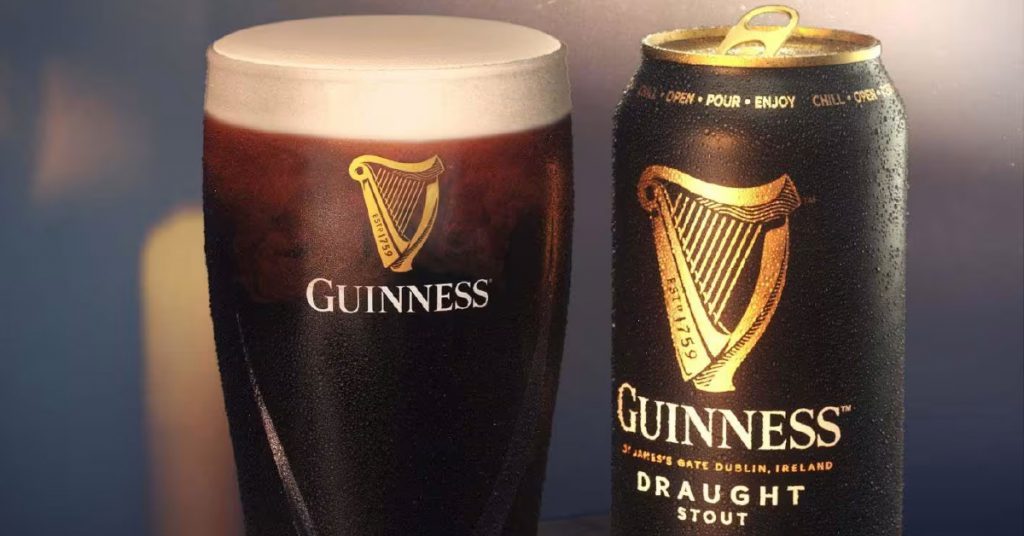
Asa Hanrahan, general manager of the Flying Saucer in Houston: “We have seen Belgian/European beers gaining a lot of steam in our locations. Guinness’ popularity, for instance, is soaring right now. I think we will see more beer fans hungry for true German Hefeweizen, Irish Stouts and Belgian beers in 2025. Their authenticity is unmatched and is something that I’m proud has always been well represented, along with the best craft beer selection in America, on our menu.”
Aaron Caffey of Carolina Premium Beverage: “At the end of 2024, we eclipsed 3 million cases of CBI on a rolling-12 and are seeing positive percentage growth in most areas of the portfolio, especially with Pacifico and Victoria. We are looking forward to growing those brands even more in 2025.
“I’ll also be watching with a keen eye the growth trends of imports, specifically, imports from Asia (Asahi, Tsingtao, Tiger, Sapporo, Kirin, etc.).”
Andrea Starr, Total Wine & More senior director, merchandising: “A key trend we’re focusing on is the rise of novelty products and innovative packaging, which are driving both growth and consumer excitement. From unique flavor profiles to packaging that enhances the drinking experience or sustainability, these products capture attention and create buzz in an increasingly competitive market.”
John Lane of the Winking Lizard: “Top priority is to get the entire beverage category to grow commensurate with food sales as the margins are better and easier to execute than cooking a hamburger well done. Food is driving the bus as people’s occasions to drink are less. Later hours that people are out are less, inflation has eroded the ‘extras’ people can afford, marijuana usage, younger people’s drinking habits, all have contributed to less in house drinking occasions.”