
With 38 investments since its founding in 2022, Pronghorn – the accelerator focused on cultivating the next generation of Black entrepreneurs and executives in spirits – has been one of the most active funds in the bev-alc space.
But things have been fairly quiet on the investment front lately. That’s because, according to Pronghorn president Ron Cole, the firm has been refocusing on how to achieve its mission.
Backed by anchor investor Diageo North America, Pronghorn was co-founded by Dia Simms, CEO of Lobos 1707, alongside Erin J. Hall and Dan Sanborn. The firm’s target is to create $2.4 billion in economic value for the Black community by investing in 57 Black-owned spirits brands by 2032.
Cole took over as CEO in late 2024, after his predecessor, Jomaree Pinkard made strides toward the company’s goals.
In its inaugural year, Pronghorn took on an ambitious effort to change the statistics stacked against Black Americans in the spirits business, who represent 12% of all consumers but only about 7% of the spirits labor force and 2% at the executive level. The company invested in a portfolio of brands, including companies such as Ego Tequila, founded by one of the few Black women to own a tequila company, and Delta Dirt, Arkansas’ first Black-owned distillery and America’s only Black-owned farm distillery.
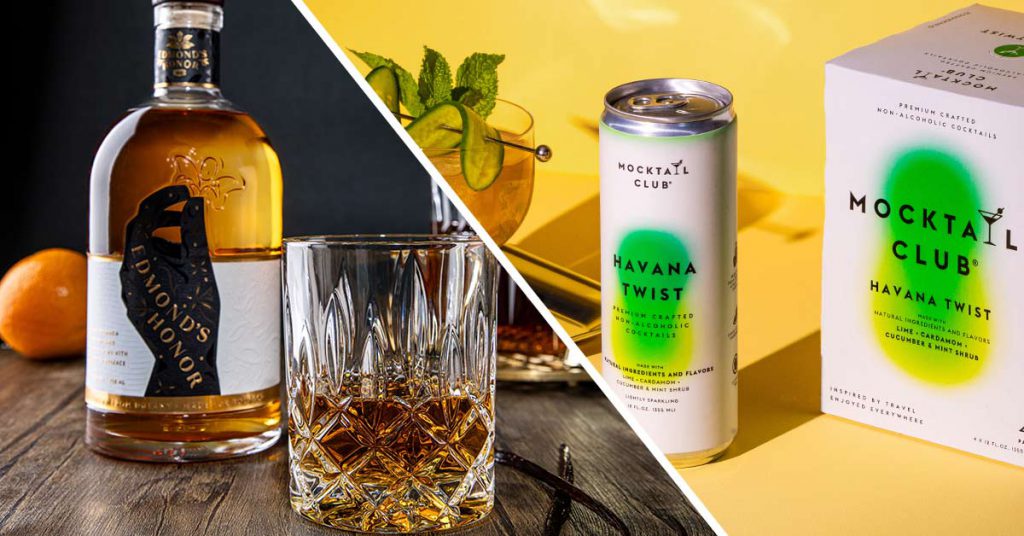
Its portfolio is now home to a mix of spirits, dominated by tequila and whisky, at least one adult non-alc brand, and a range of companies in various different growth stages. Some of the larger names include Ten to One Rum, backed by artist Ciara. Among the portfolio is now a spirit brand launched by Pronghorn itself, Edmond’s Honor Bourbon, which gives the team a chance to learn as it develops a brand, and “pool some of our resources and bring some brands along as we’re interacting in the market,” said Cole.
Pronghorn now is “heads down” on working with some of the firm’s largest investments to find additional ways that it can unlock growth through its resources. Acquiring the right talent and managing supply chains have been top issues for that segment of companies over the past year.
To ride out the spirits slowdown, Cole says they’ve been driving smaller brands to “be better where you’re at and go deeper where you’re at.”
“Just like any industry, you’ll go through your ups and your downs, how you stay focused on your consumer and what you’re really, really good at and what you’re really targeted towards becomes how you get through those moments, so that when things do pick up even more, you’re well poised to take advantage of that,” he said.
There’s been an investment slowdown overall in spirits over the past year, so Pronghorn’s gaze inward isn’t necessarily surprising. Backed by anchor investor Diageo North America, Cole said he’s confident in the spirit giant’s continued support – despite that it’s now a lonelier accelerator post the shuttering of Distill Ventures.
As for future investments, the accelerator is shifting its criteria to focus on businesses that have demonstrated growth and viability, who are not at the “very beginning of their journey, but maybe a third of the way there.” That new priority mirrors other firms, but certainly represents a change from many of the startups in its portfolio.
The firm is also still working on its internship and mentorship programs geared at placing Black employees within 1,800 industry roles, during a time when DEI programs have come under pressure from President Trump and during a “tougher job environment” in the spirits industry. Those programs include an internship program – Cole was just off a week of a bootcamp focused on training 50 participants as they head into placements with employment partners.
Cole stressed that despite the overall industry slowdown and as organizations adapt to “changing political narratives,” diversity and equity has economic impact: on reaching consumer bases, innovating, and hiring talent that offers different ways of thinking.
“We believe this should be a trillion dollar industry,” he said. “You don’t get to a trillion dollars by doing the same old, same old all the time.”