
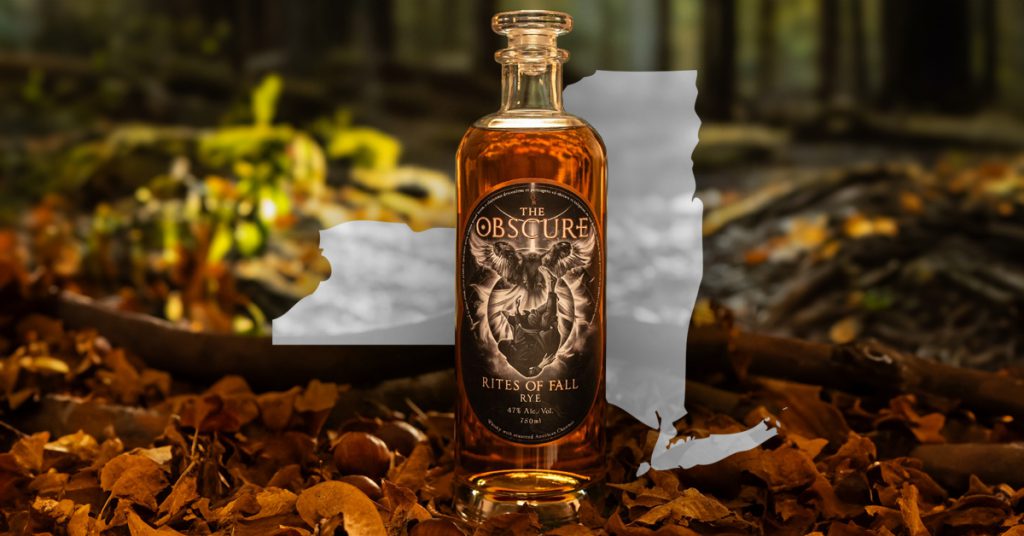
A Los Angeles craft spirits producer is taking on the Empire State in a federal lawsuit filed yesterday challenging direct-to-consumer shipping laws prohibiting distillers in California from sending spirits to customers in New York.
The complaint, filed by The Obscure Distillery in the U.S. district court for the Southern District of New York, comes less than a year after New York distillers and cideries celebrated a bill making New York the ninth state to allow direct-to-consumer shipments within its borders. But the new law has some caveats, including that out-of-state distilleries can only ship to New York consumers if their home state offers reciprocal privileges. To the plaintiff’s dismay, California does not.
Launched in 2020 in downtown Los Angeles, The Obscure Distillery has made its ticketed tasting room and cocktail experience a local tourist attraction, bringing in over 30,000 visitors annually. Founder Théron Regnier argues in the complaint that many of those visitors are New Yorkers, who have requested direct shipments in the last three years.
“The Obscure has a special tie to New York that makes it appealing to New York consumers: it produces a rye whiskey with tree trimmings harvested from American Chestnut trees from New York,” wrote the complaint, adding that distillery donates a portion of the proceeds from its rye whiskey to the American Chestnut Foundation, which works to rehabilitate the American Chestnut tree in New York.
By allowing in-state distilleries privileges that out-of-state distilleries don’t have, the complaint argues New York has created an unfair trade barrier, violating the Constitution’s Commerce Clause, which prevents states from granting privilege to in-state businesses over out-of-state ones.
The law was likely written that way to put pressure on other states to open up their markets to New York distilleries, said Jeff Jennings, an attorney at Pacific Legal Foundation, which is representing The Obscure Distillery.
“But the Constitution is clear that the U.S. is a free trade zone amongst the states, between each other, and you can’t discriminate against out of state businesses, even if the other state is discriminating against your businesses,” Jennings said.
The clause has been invoked in several landmark bev-alc lawsuits, such as Tennessee Wine and Spirits Retailers Association v. Thomas, which struck down the state’s law that residents seeking retail licenses needed to live in the state for two years before receiving them, and Granholm v. Heald, which paved the way for broader DTC shipping of wine.
“The interesting issue in this case is the challenging of the reciprocity requirement,” said Sean O’Leary, a Chicago-based liquor lawyer, who called into question the constitutionality of the New York bill on the same premises before it made its way to the Gov. Kathy Hochul’s desk.
There is some legal precedent that may give this case some wings: In 2023, The U.S. District Court of the Eastern District of Washington rejected a motion from Washington state to dismiss a lawsuit challenging the state’s ability to restrict out-of-state distillers from shipping spirits directly to Washington consumers. Another case in California is currently in discovery.
The proportion of alcohol buyers shopping online rose by 4% over the prior year according to the latest IWSR consumer survey, conducted in Q3 of 2024. A high number of current non-users (especially Millennials) indicate a likelihood of adopting online purchasing in the future as well.
Despite the cost of shipping and limits, the ability to ship direct has been described as a lifeline for smaller or craft distillers, who are increasingly challenged to find routes to market via distributors. Other distillers have shared that the direct conversations with customers helps create community and provides useful data for expanding a footprint.