Justin Kendall provides daily coverage of the beer industry on Brewbound.com, conducts live-streamed interviews during Brewbound’s events and co-produces the Brewbound podcast. Kendall is a nearly 20-year career journalist who led alt-weekly newspapers in Kansas City, Missouri, and Des Moines, Iowa.
New Belgium Brewing Company turned down the innovation firehose to a drip – for the most part – to start 2025. Yes, the company did add “Mini Rippers,” 7.5 oz. 8-pack cans of Voodoo Ranger Juice Force and Tropic Force (both 9.5% ABV). And it rolled out LightStrike, a 5% ABV non-carbonated hard refresher line, aimed at Millennials and Generation Z consumers.
Beverage-alcohol sales are down 3% year-to-date (YTD) in off-premise channels, market research firm NIQ shared in its “Halftime Report.” Beer, wine and spirits dollar sales topped $53 billion as of July 5, the firm reported. Declines occurred across all off-premise measured channels.
The Consumer Price Index (CPI) for June reflected higher inflation as the impact of the Trump administration’s tariffs began to take hold. The CPI for all goods increased 2.7% year-over-year before seasonal adjustment, growing 0.3% from May’s CPI of 2.4%, according to data released today by the Bureau of Labor Statistics.
by
Justin Kendall, Jessica Infante, Zoe Licata and Ferron Salniker
Boston Beer revealed a new 10-year sponsorship deal with the Boston Red Sox last Friday for its Samuel Adams brand; Spirits giant Proximo has shifted its California distribution to Breakthru Beverage, which it is with already in CO, MO and NV; New Belgium alum Ramon Tamayo joined Calicraft (Walnut Creek, CA) as head brewer in May; and more headlines
Outlaw Light Beer is aiming to be a disruptor in what its CEO believes is a stale light beer segment. Ari Opsahl, CEO of Outlaw’s parent company, Tivioli Brewing, is a former Anheuser-Busch InBev (A-B) executive. He believes Outlaw has provided light beer drinkers “an alternative at the price point that they were accustomed to” paying.
The parent company of Hulk Hogan’s Real American Beer is being sued by a licensing firm that alleges the concept for the lager brand was swiped by its former executives. Carma Holdco, a Chicago- and Las Vegas-based branding house, filed the lawsuit in U.S. District Court for the Northern District of Illinois on July 8… Read more »
All 178 Ohio Eagle Distributing employees are expected to be laid off once the company’s sale to Redwood Holdings closes on September 8, Ohio Eagle president Devyn Dugger wrote in a July 7 Worker Adjustment and Retraining Notification (WARN) Act notice to the state.
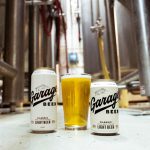
Garage Beer – an “internet darling” turned mainstream lager brand, with the backing of Jason and Travis Kelce – is on pace to ship around 4 million case equivalents (around 300,000 barrels of beer) by the end of 2025.
President Donald Trump signed a sweeping omnibus package dubbed the “One Big Beautiful Bill Act” into law on July 4. Included in the legislation are provisions that benefit businesses such as beer distributors.
Winners of the July 4 holiday weekend are expected to mainly fall within the non-alcoholic (NA) beverages, domestic beer and and ready-to-drink (RTD) segments – all segments that have been able to find growth in 2025 despite industry-wide headwinds – according to the latest monthly report from Bump Williams and Bump Williams Consulting.
Founders Brewing Company is rolling into its new three-year business cycle with upgrades to its facilities, plans to invest in its core brands and efforts to build future offerings in and outside of traditional beer. Mahou is investing around $3 million to upgrade its Grand Rapids, Michigan-based brewery.
If you’re looking for a bright spot heading into the July 4 holiday weekend, Circana EVP Bev-Al Scott Scanlon has you covered. In the latest weekly off-premise scans recap from the market research firm, Scanlon wrote that we’re “starting to see pockets of growth developing.”
Non-alcoholic beer, Italian imports and fruit-forward offerings are just a few of the summer trends popping in Total Wine & More and Whole Foods Market stores. Total Wine’s Adrea Starr and Whole Foods Market’s Mary Guiver offered insights into what they’re seeing as summer sets in.