Joel Gott Wines Bets on an Electrolyte-Infused Spritz for Its RTD Debut
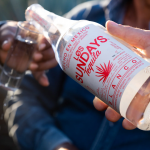
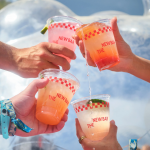
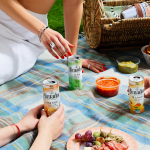
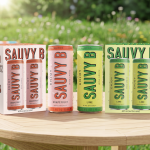
Joel Gott Wines, a powerhouse producer of entry-level supermarket staples, is tapping ready-to-drink (RTD) and functional trends with a new release launched today.

Search across the BevNET CPG Media network including BevNET, Nosh, Brewbound, Taste Radio, Nombase and CPG Jobs.

Ferron Salniker is the Spirits Editor, guiding our coverage of the spirits and RTD cocktail space. She reports for BevNET.com and Brewbound.com on everything from new subcategories in established liquor types to the growth of the craft spirits business.
Joel Gott Wines, a powerhouse producer of entry-level supermarket staples, is tapping ready-to-drink (RTD) and functional trends with a new release launched today.
As many companies across the beverage aisle run towards wellness, one alcohol replacement brand is backing away from it.
Brown-Forman president and CEO Lawson Whiting will retire, effective once the company names a successor, the Jack Daniel’s parent announced today.
A new counterclaim filed by the receiver overseeing Uncle Nearest Premium Whiskey case alleges lender Farm Credit Mid-America ignored years of red flags while a rogue CFO falsified financial reports, misappropriated funds for personal purchases and increased the whiskey brand’s credit line from $35 million to $67 million.
The near-complete wind-down of Republic National Distributing Company’s (RNDC) national operations is sending shockwaves through the three-tier system – triggering a wave of transitions and emboldening distributors to delay payments, according to suppliers. Meanwhile, the country’s largest spirits distributor has cut staff.
Philadelphia-based Top Dog Cocktails is putting $1.3 million behind a new joint venture with St. Croix-based Flamboyant Water to launch a four-flavor rum ready-to-drink (RTD) line across the Caribbean and select U.S. markets this fall.
Cristian Molina built the flavors for Hugo’s Cocktails with the premise that his 20 years of bartending put him more in touch with trends than a focus group.
Columbia Distributing has completed its acquisition of certain wine and spirits distribution rights from Republic National Distributing Company (RNDC) in Oregon and Washington, adding approximately 850,000 cases to its portfolio across both states.
Most founders build to scale, but Adam Kost, founder of ready-to-drink brand Dirty Shirley, built to prove. In a saturated market, Dirty Shirley was structured from day one as a market-validation project that was lean, disciplined, design-led and deliberately positioned for an early strategic exit – which it got.
The founders who built NÜTRL into Canada’s top vodka soda are putting that playbook to use again, this time with tequila.
The Zero Proof, a leading adult non-alc beverage platform, today announced the acquisition of The New Bar, a West Coast-based non-alc hospitality and discovery program. Terms of the deal were not disclosed.
Brown-Forman and Sazerac are doubling down on ready-to-drink (RTD) with brand extensions and new-to-world brands launching today.
Republic National Distributing Company’s (RNDC) Illinois operation – one of its remaining markets – is headed toward a shut down, as the distributor’s territory fire sale continues across the country.
Spec’s Wines, Spirits & Finer Foods has acquired Lee’s Discount Liquor, Nevada’s largest independent liquor chain, marking the Texas-based retailer’s first expansion outside its home state, the companies announced today.