Search across the BevNET CPG Media network including BevNET, Nosh, Brewbound, Taste Radio, Nombase and CPG Jobs.
Brew Talks Denver 2023 - Panel Discussion: Deep Diving Regional Draft Trends
Panel Discussion: Deep Diving Regional Draft Trends
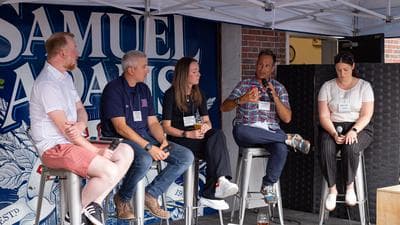
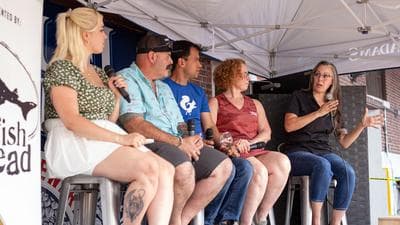
Featuring: Dave Thibodeau - Co-Founder & President, Ska Brewing
Karen Hertz - Founder, Holidaily Brewing
Katie Nierling - Account Manager, Elite Brands of Colorado
Transcript
Note: Transcripts are automatically generated and may contain inaccuracies and spelling errors.
Speaker 1 [00:12] Hello, everybody. Welcome back. Exciting stuff. Everyone take your seats. Make sure you have your beer refills for our final discussion, really our final Brettox discussion of 2023. It's a big deal. Um, yeah, no pressure, everybody. Uh, we heard earlier, we heard this great conversation talking about kind of national trends in draft, what's going on there, but we really wanted to focus in on a regional level and take advantage of being in Colorado, which you have such a great craft beer market here. Some of the Trends happening in Colorado can really inform what might be happening or might happen in the future for the craft scene, and so we want to talk about them and dive into that more focused level. So joining me today, I have these 3 lovely panelists here who have some great insights for all of you. I would recommend maybe taking out a notepad and some paper because they're going to have some information. Uh, our, our male representative, I guess I just realized on this stage, Dave Thibodeaux, co-founder and president of Sky Brewing. Welcome, Dave. Thanks for being here. And right next to Dave, we have Karen Hertz who is the founder of Holly Daily Brewing. Welcome, Karen. And right next to me, we have Katie Nearling, who's an account manager for Elite Brands of Colorado. Welcome, Katie. So really representing, we got breweries going on, we got wholesalers going on. I got a lot of fun information. If you have any questions for them, I'm going to plug that text line again. It's 617-336-8560. Ask away. I'll say that again a little later on. In case you forget, um, but let's kind of start off here, focus in what even does draft look like in Colorado. Um, Dave, I wanna start with you. Scott's been around for a while now, so I'm sure you've seen some trends of 95. That was a year before I was born. Uh No shade, no shade. Um, but I'm sure you've seen a, a lot of changes happen over the years, Dave. So what, what is the draft beer scene look like in Colorado now? How is it different right now?
Speaker 2 [02:37] Oh, I think, well, I mean, I hate to keep beating this horse because I wish it were just truly dead, but the pandemic changed a lot for us and I think probably two key things as far as draft goes, so talking about the on-prem, um, I think a big thing in Colorado and a lot of, we're, we're, we're a mountain brewery and we're strongest in the mountain towns of Colorado. It's um It's true, I think also in the Front Range and in Denver and Boulder as well, but I think a lot of what has happened since the pandemic is, is, are things like staffing issues where bars and restaurants and those in the hospitality industry are, are having a hard time staffing up and actually getting back open to the point where they were. Uh, pre-pandemic. So for example, you know, like in, in Durango, or I spent a lot of time in Crested Butte, you know, smaller mountain towns, but a fair amount of volume for us. A lot of those restaurants and, and, and our, our Colorado sales manager Scott is here too, and he lives in Summit County, but up there it's the same deal. A lot of restaurants that were open 7 days a week are now open 5 days a week. And if you think about that, that's about what, 28, 29%. Increase in days open. So if all things, other things being equal, you know, that's, you're gonna sell 28, 29% less draft just because places aren't open on Sunday or Monday or Monday and Tuesday now in a lot of Colorado, specifically in the restaurant and, and bar world. And the other thing I think that is a big change from the last few years is uh consumer behavior and I think in. Places like a place like, even like our, our tasting room for example, which we used to sell about 75% draft, you know, if we're talking specifically draft, 75% draft versus 25% food in our tasting room, and then once the pandemic started, everyone had to sit at the table. The tables had to be 6 ft apart. All that cornhole playing and just mingling around the bar went away. And it still hasn't really come back. So we're now over 50% food, just under 50% draft beer, and we've seen that happen in a lot of our, uh, a lot of our bars and kind of the bar restaurant world where it's not so much a just a, just a restaurant space, but a space where there's, there's more going on, sports bars, things like that, and I think uh. I think a lot of the people that still that go there, you know, they're, they're waiting to sit at a table, they're planning on eating food, whereas before they were just. Whoa, OK, 2 or 3 beers, you know, so I think those are a couple of the big changes that have really affected us. Unfortunately it's, it's for the worst, but, um, those are challenges that, that I think a lot of Colorado and, and being a tourist economy, especially in the mountain towns, um, that's what saves us in, in times like the summer and the winters that, you know, we do get a lot of tourists, but as far as locals go, when they come out, um, they're. They're going to sit at a table and they're going to eat food and they're not going to just stand around, drink beer or play games, drink beer or mingle around the entire pub like they used to.
Speaker 1 [06:08] Karen, what does draft look like for Holidaily and what are you seeing in that environment?
Speaker 3 [06:13] Yeah, so for anybody that doesn't know of Hola Daly, we are from Golden, Colorado and we produce entirely gluten-free beer. Um, and we have 2 taprooms here in, in one in Golden and one in the Denver Tech Center, and then we distribute to 7 states in the southwestern US and really we started out with not a lot of draft in our company. Um, we really were focused on package initially, but we've had a really big draft push lately. One of the highlights where we push draft is in breweries, so we're in about 80 different taprooms in the Front Range of Denver because they want to have a gluten-free beer option. And they don't want to deal with having to brew gluten-free beer, so we get to do that for them, and then they have a gluten-free option for their gluten-free guests, which is awesome and a great niche for us. So a lot of our draft is through that. But in addition, we have been pushing draft a lot this year in bars and taprooms. One thing that we have to think of that other breweries don't worry about as much, although I know breweries do, um, is tap lines because we cannot be hooked up to a tap line that had. A regular beer on it. So let's say a tap line has fat tire on it and then they hook up our Fat Randy's IPA. People can get sick from those beers. So we really have to be careful with the accounts. We go in and train them. And that's why we feel really comfortable with the breweries because we know they're cleaning their tap lines and taking care of them and a lot of our draft is on there, but we're starting to expand our draft program really throughout the state of Colorado and then we're hoping to continue expanding it into other states as we get more comfortable with how do we train these staffs and make sure that consumers can be entirely safe, and they've, they've had some practice with ciders over the past. You know, 10 years knowing that this is a dedicated line, so we feel like there's some good opportunity for us to go in and get some gluten-free world-class beer on these lines.
Speaker 1 [08:06] Great, Katie, you bring the wholesaler perspective in here. What are you hearing at Elite Brands about what is being prioritized and what draft looks like right now in Colorado?
Speaker 4 [08:19] I think for us and for any wholesaler it's incumbent upon us to add a value statement behind any draft keg we're selling. I like to preach that there should be an and statement behind everything that we as a sales team are projecting in the marketplace. We can tell you the story of the brewery. We can tell you the story of the brand, and then also how we as a distributor wholesaler partner are going to support that. Account whether it is setting up activations like the first beer Friday or if we are doing staff trainings or if we're being conscious of the price and walking them through, there's, I found a lot of retailers, we have to go back to old school, we have to teach them that you can make more money on a premium keg and walk them through the profit that they can make on that keg, but then also use the tools in your back pocket of keg. You may have in your portfolio that you can do some price programming on and go back and forth between the two. You really have to become a consultant in their business because people still buy from people and we have to really work a little bit harder to earn that business, but let's earn it in the best possible way that gets our supplier partners a long-term handle versus a rotating handle. And that they trust us because my other big soapbox moment is we are in the alcohol business, but now I find that woo, we are in the information business because suppliers are facing supply chain issues still. Somebody may not get the cardboard for their six packs, or they may face cooperage issues, or a truck can break down. There's a lot of things still behind the scenes. are going on and if we as wholesale partners can give that information to our partners, we can come up with a pivot point and we can come up with a solution oriented pitch to them so that we're saving that business because somebody will swoop it in and take it. If you are not providing a solution, so it's not just selling a keg anymore, it's the and statement and everything else that goes with it. So it's incumbent upon us to provide that education and those tools to our sales teams and to one another and then rely on suppliers to help us out in those things. If we do that, I do believe that we can prove there is business to be gained again in draft beer, and there are reasons to work with small and independent craft brewers again, because we will be that value add to your business. We will be the consultant partner. We will grow mutually together again.
Speaker 1 [10:55] I told you you'd have to take notes. This is important information we're getting off here. Um, it's so much of the, this, so many of the discussions that we have within the industry that even Asa Ruban reporting about all the time it has to do with the off-premise and with scan data and not as much discussion about the on-premise, and we know that off-premise is struggling too, and we're trying to work to bring back beer there and craft there. I want to hear from you first, Dave. What I mean, is draft even really a priority? Like how important is draft to SC right now?
Speaker 2 [11:31] I, I like that question and I like that, that, that we kind of touched on some of that on the panel earlier. I it's, for us, it's. You know, I, and I think I'm sure most breweries think of themselves this way, but there's an experience and a lifestyle that goes along with your brand, and, uh, and I think for us, the, the pub atmosphere and the social aspect to it and the idea of being in a bar or a restaurant and sharing a beer with friends, um. To us, that's, that's pretty crucial. It's kind of a I think when we look at like RTDs or anything beyond beer or even wine now on draft. I, to me it doesn't, it just doesn't, doesn't make sense. It doesn't, it doesn't compute for me and I, when I go, when I go to the bar or the restaurant. I want to be around people that I can socialize with. I love that beer does, can and, and does present in a lot of different ways on draft, um, whether it's color, glassware, or whatever it might be, and it's something to talk about, and I think that always will give us an advantage, and we heard that earlier when Laurie was talking about beer first Fridays and everything that goes along with that. And I think it's, uh, for us it's kind of, it's only, we're about 30% draft. To 70% package, which I'd love to see that number change. I mean, it, it, it was a lot different many years ago for us. It's, I still feel all right about it, but it's, it's. I love that aspect of being out and the social side to it and not that, you know, with, with cans and everything, whether you're on the river or doing whatever Colorado mountain thing you might be doing, cans are great. It's always a fantastic thing, but I love the going out part and it's what I miss and it's what we're slowly getting back to, but for us it's We're putting more and more effort into it every day, and we talk about it more and more every day, and I think draft is crucial to our future success and uh it's really where I want to focus moving forward and Colorado's got its its challenges with, with the landscape on the off-prem. And um navigating that is, is difficult now and it's, it's not necessarily a good or a bad thing as far as grocery stores having wine or full strength beer. We, we knew that was going to probably happen one day and uh it's, it's kind of working out, but. The on-prem and the drafting is, that's our game moving forward and working with our, our partners on the retail side in those bars and restaurants is, I think, crucial for the future and bringing back that business for them, you know, and, and I think there's a few other things we could touch on about that as we go through this conversation, but, you know, they're struggling as well and whether it's cash flow or whether it's just business in general, beer's losing like we heard, um, I think, uh. That's where, I mean, that's where our focus really, really needs to be, and we can't drop the ball on the off-prem, but I think we really need to be focusing on our retail partners that have that social side with a large group of people that we can really share that experience with friends.
Speaker 1 [14:46] Karen, you mentioned that Holi Daily was focused more on package a lot at the beginning. Why was it important for you to bring draft onto it and get a draft program? Yeah,
Speaker 3 [14:54] draft is really important to Hola Daily and brands like Hola Daily. I think primarily because we're a premium product. Um, we sell in a 4-pack 12 ounce, and it sells right around 12.99 to 1,399 on the shelf, and people are a little hesitant to spend that kind of money for a 4-pack 12 ounce, so. Being able to buy a beer at a bar and confirm that there is really good gluten-free beer is really important to breweries like Hola Daily, um, and I think too, you know, um, Sam and Jason were talking about it earlier, but we have to fight for draft, and, and one of the biggest reasons we got to fight for this is because it's very important to small breweries and craft breweries because really back in the day, historically, draft was pushed. In the beginning by Miller's, Coors, Anheuser-Busch's because they realized that the bigger the package, the bigger the profit for those guys, right? So they were making more money on draft, so they led us all to believe, and Dave and I are like, we love beer on draft, um, that draft beer is where it's at. It's so good and so they really put You know, marketing dollars into that and, and pushed for it almost as a team even though they were competitors, um, so that we would all be drinking draft and what it means also for the little guys is the same thing. It's a great profitable product for us to to provide to bars and restaurants and we, I think the damage is that if we get if draft goes away. A lot of breweries are not going to be able to keep up with the costs for cans and boxes that are short or lids or all the things that go into these packaged products, um, and so I think as a community, as a beer community, we've got to fight for draft and we have to, you know, work with these retailers, work with our distributors, and make sure that we hold our draft lines.
Speaker 1 [16:41] Katie, what are you hearing from all of your various partners of what is draft being prioritized? Are you looking to try to grow that area or is it just a lot of focus on what's happening in package?
Speaker 4 [16:53] No, I think the best thing that you can do is ask your retail partner what's important to them, right? I think a lot of people have lost the connection in COVID to spend time with your buyers, getting to know them, what's important to them, what they get excited about, but then also what their business is because I have a lot of conversations with buyers like, It actually sometimes doesn't matter if you like this beer, do your consumers like this beer? Will they buy this beer? Can this help grow your business? Because I think pre-COVID maybe we had the luxury of doing a lot of things. We, you know, we're like we loved and I was a buyer once and I bought beers that you couldn't catch me drinking because I just don't like high ABV barrel aged stouts with 5 different adjuncts in them. That's not my flavor profile, but that doesn't matter. What matters is what grows your business, and what matters is what moves the needle, and honesty and transparency and good conversations with your buyers, which I think we got away from in COVID, need to happen again so that you can figure out their needs, you can figure out their wants, and you can figure out where you fit in that space. And for a distributor too, a lot of elites business, it was driven. And still is driven by craft beer, but in full disclosure, sometimes we go in and we're talking about wine first, but again, you can add value as a distributor by introducing them to beers that they may not know about, right? Like what are you doing and what are those conversations so that you are going into an account with multiple things to talk to them about. Because then you're just going to become a more trusted partner in their business, and they're going to seek out you when maybe somebody else runs out of a draft line or their truck can't deliver that day. Like if you are their go to person, then if you've established that trust in that relationship, then you can grow your business. My top accounts personally. I have beer, wine, NA, and spirits in those accounts, and that's been a personal goal of mine to grow each one of those segments because then you can do more with them and you can build that programming and you can come up with the cool beer activation ideas when they have that trust in you. So no, I think draft is still very important and you just kind of have to spend the time with people, slow down. Get to know them, get to know what drives their business, and get all the bartenders on your side, get the servers on your side. I'm a huge fan of, you know, bringing coffee to somebody that I, you know, has had a bad day or had a rough week. Um, I talk about it all the time in our staff, um, meetings like You know, is somebody having one account having an anniversary party that you can buy pizza from another account? Like, how can you, you know, how can you become integral into their business because they will trust you and they'll give you more business in the long run and just get back to that. The old school stuff still works.
Speaker 3 [20:05] Just one more thing on that, uh, a challenge right now, I think post-COVID especially is that buyers are rotating like, as soon as you get a relationship, they're gone, and I don't know if it's just a post-COVID thing or whatever, right? But the importance, and, and you alluded to it or, or talked about a little bit is you have to get to know the whole staff, so. We do tastings, right? We'll do them at Whole Foods or whatever. And yes, it's great that we're there and we're selling some beer to some customers, but I always say to our staff like, no, every staff member in there by the time you leave because even if that beer buyer leaves, um, a new one might come in and the whole staff will be like, oh yeah, you gotta keep supporting Holiday. We love them, they're great. So whatever you know you've got to, it's not just one person that you're spending your time with because they're rotating too much right now. And then the other is that you have to go back. Like you can't go see somebody once a year and think that's going to be enough. So our sales staff is, you know, they're continually going in and visiting accounts because you don't know what buyer's going to be there and it's so frustrating. You get in and you think you're good and then they're gone and so that seems to be at even a higher rate than pre-COVID. Um, so we just have some strategies to try and hold those accounts even if buyers are rotating by knowing the staff and promoting our brand to everybody versus just that one person.
Speaker 4 [21:26] And if you have a proven track record of sales, right, your book of business has contributed to their success, they're not going to turn away from that. So if you have that data and that story to tell and your suppliers to back you up as a wholesale partner, you can keep that business even with a rotating buyer.
Speaker 1 [21:44] I want to plug the text line again. Um, it's 617-336-8560, um, and we have a question in there. Um, post-pandemic, what are you seeing in draft sales trends in your out of state markets? This is directed at Dave and Karen or from your out of state suppliers to Katie?
Speaker 2 [22:05] Trends in out of state markets on draft? Yeah. The, the trend is not, not much for us. Um. We're, uh, we, we're really struggling with, with draft, um, out of, out of state. And The, the couple of things that do work, um, seasonals work, and I was gonna maybe touch on that in a little bit, but it's, I think, uh, that's something, you know, an Oktoberfest is a good example since that's the season right now, pumpkin beers probably as well. Um. Something where you, you have a unique story to tell and there's a lot of, obviously, there's a lot of on-prem accounts that take advantage of seasons. And I think it's a smart move for an off-prem or on-prem account. Um, so I think seasonals are kind of a, I mean, For us in general, 37% of our beers on draft are seasonal, which is a huge number. Um, unfortunately, they don't all link together and hold that handle. Throughout the entire year, but, uh, but I think that's the one place where we can see success. We can certainly sell in to any of our wholesalers, you know, our Oktoberfest or our Mexican lager, um. To get through a season, but it's not a tap handle we can hold very well. We're definitely struggling in out of state markets with, with our other stuff, you know. We have our biggest flagship, our modus operandi IPAs, is OK. There's some steadfast accounts, but getting new accounts with newer beers is very difficult for us. So it's hard for me to spot trends out of state, and we're only in about. 10 other states, so it's kind of a, it's a difficult thing, but our volume is just not what it used to be in those states, unfortunately.
Speaker 3 [23:56] For us, we don't distribute much keg and draft. We are out of state. One thing that we have to do is be careful of the kegs. So, um, other things that we have to think about like we can't do Microstar, um, so if we do have a draft state or a draft account, we send one-way kegs and they can recycle it once it gets there. We're not big enough to. Gather all the cooperage and get it back to us. So, we do very little bit out of state. We're probably like not good people to ask this question to, but that's OK. Um, but what I do think, um, post-COVID especially is there's just like PTSD. I mean, in the retailers, and the distributors, and we talked about this on our call, but when COVID happened. There were hundreds of thousands of kegs in bars and restaurants that were not going to get drank, and the distributors were like, you pay for it, and the retailers were like, you pay for it. And there's, it's almost like there's this fear a little bit that that could happen again or now they know, so like, let's be a little tempered on how much we buy or how much we distribute, um, and I do think like resources were cut on both sides and we haven't quite caught up. I, I think optimistically, I just, I believe everything's cyclical and. I think we're gonna come back to getting people back out there and getting them social again, um, but for Hola Daly, just in terms of draft outside the state, we have a lot more safety beer wise that we have to think about and so we want to do it right when we go out of state with beer, with draft beer.
Speaker 4 [25:24] I think for us, we believe very strongly just integrity and quality of product and pitching that regardless if you're in state or out of state, right? Like, I believe in every brand that I sell, and I want to communicate that to anyone who will listen, and I am happy to have that discussion with folks because Colorado is very much founded on an extremely strong local business and we love that, and we support that, but I always tell accounts that some of the reasons that these local breweries are in existence are because of people like Sam. And so we owe a debt of gratitude to a lot of out of state suppliers, and if the integrity and the quality of product is there, give it a shot. Prove me that it won't sell. And you have to kind of push sometimes and put the ownership back on them, but if you believe in what you're doing and you have the right suppliers, then it, the proof should be in that pudding.
Speaker 1 [26:31] Dave, you talked earlier about the experience of having a draft beer and how important that was and how I used to really focus on that and it's kind of drifted away. Have you seen the new consumers, to the younger consumers, do they care about that at all? Are they looking for that? For those, those younger ones maybe coming in and trying SCA and draft.
Speaker 2 [26:53] That's a, that's another good and difficult question. Um, I think, uh, it, it's Thinking about kind of, well, we all know that the the Gen Z has a, a, a third of them aren't drinking alcohol at all. And um And if that's kind of who you're talking about, um, you know, those people that are just of drinking age and maybe, you know, in their early to mid-twenties, we're definitely seeing. Across the board, and Durango is kind of like this little micromarket of Colorado, but I, I feel like we're in a little bit of a bubble, but I feel like it gives us a kind of a, kind of a parallel read on the rest of the state. Um, and it's interesting because that is where You know, I was talking about how kind of unfortunate it is, maybe that so much of our, our, our overall revenue is food now as far as that ratio of food to beer goes, because the margins are so much lower. But um, But at the same time, that's where we are seeing that younger generation come in. They're coming in to eat our food. And, ah, and I think we're seeing that around town too. It's kind of the, the people that are drinking the beer that are younger. It's just not, doesn't seem to be the beer that's bringing them in to begin with. And I think that's probably something we should all be thinking about because, you know, maybe it doesn't necessarily have to be food, but, but other things that can bring people in that can lead them to our beer. You know, later in, later in within that experience and um I think draft and on-premise and once they get there and they get that feel for it, if they can feel something else there, and it's once again, it's the, it's the things that we've been talking about that might be a little bit out of the ordinary and kind of starting to think out of the box again about it's not, maybe it's just not the beer dinner like it used to be. Maybe it is, you know, something a little different like, like the Mad Libs or whatever it might be and uh I think that's maybe how you can introduce people to that environment and um and then maybe we'll succeed, see some success there. I certainly made a strong mental note of that earlier with the first panel and uh I think moving forward because that's, that's the challenge we're all facing. I mean, things are, things are challenging right now. I think there's things that are going to. will naturally get over through time. But when you're facing a generation where over a third of them aren't drinking alcohol at all, um, that's, that's a really big challenge. And I think that experience is, I mean, that's what That's a lot of what brought me into craft beer was friends and having that experience with them out in a social setting, and I think that's kind of where we need to focus as far as the trends I'm seeing. It's difficult, but I think it's the other things that are leading them in, at least what I'm seeing, you know, in our neighborhood. It's It's, it's other things that drive them there first, and I, and I'll be honest, I, I am seeing repeat younger people, you know, and it's, and it's good and uh, they're becoming part of the family, and I think that's, that's the way forward.
Speaker 1 [30:08] Let's talk about the margins for a second here because that's something we haven't really touched on too much, but that's a, a big part of draft is that the margins are a lot better on draft than they are in off-premise. I want to hear from you, Karen, because you talked about this on our prep call and I really enjoyed it, but it's, what are the are you having conversations about that with the council? Are people talking about that in industry, in the industry at all?
Speaker 3 [30:30] Not, I mean, not, not as much as they should, right? And I think, I mean, we definitely are with our distributors, um. And, and Katie alluded to it earlier, sometimes you have to do the math for people, you know, they're very set on like, I'm gonna make 20%, I'm gonna make 20%, and I'm like, well, if you make 15%, you actually are putting more dollars in your pocket than if you make 20% or whatever it might be, right? So we have to walk them through that math, you know, we are, uh, a higher margin product and, um, so that's a battle we're up against all the time, even if it is a keg, um, so there's a lot of education that goes into. These buyers, and I know they're being held like your bonus is held on your average is 30% or whatever it might be, but I'm like, well, you don't take 30% to the bank. You take the $20 versus $15. So, um, that's where a lot of our conversations are with our distributors and with retail and, and just trying to educate people on like everyone's gonna make more money if we can. Figure this out and sell this beer. Obviously it has to move in order for that to make sense too, but At least from my perspective, I, I think that's more like where the conversation is right now.
Speaker 1 [31:45] Katie, we've, you touched on at the beginning in your opening statement about kind of what accounts are looking for and everything, but throughout this whole conversations, we're kind of touching on what, what breweries need to be doing or to help with their draft or help the industry overall. Is there anything? That you're hearing that are like big headaches or things that, that accounts really want brewers to know. A lot of the people listening are here really should be in the know on when it comes to either just getting draft and handles or making sure that relationship is as good as it needs to be.
Speaker 4 [32:20] I, I think they said it pretty critically and key in the first panel that um we need to get back out there and support our businesses again, you know, going and having lunch, even if I'm notorious for going to accounts and drinking iced tea at the bar and having a sandwich, uh, because I don't like to drink during the day and drive in my car all afternoon, right? Um, but going up and showing and supporting their business and Doing things like supporting them on social media when appropriate, asking if you can have little table tents or flyers made, or, uh, again, I use the example of part of my expense accounts almost always go to buying something of, you know, a coffee or a breakfast for the staff or whatever, like all those little things add up and they make a difference and people buy from people. They, they really and truly do and the right, the right on-premise partner will pay attention to that stuff. And I think the other thing that we could all use a little re lesson on is like some places you should just stop spinning your wheels, right? Like there are some people that are either set with their draft list and they're happy with it and that is just fine for them. Or they don't like this particular style or this whatever it is. If you're asking the right questions from your buyers and gaining that information, you know how to spend your time there as a supplier or as a distributor, and sometimes you just have to wave the white flag and train your account and say, I am 100% available to you by phone, email, text. Message if you want to set up an appointment. Otherwise, maybe I'll just come see you every other week, and that is OK because you can still be available, you can still provide the service, but you're going to stop spinning your wheels and invest your time with the supplier and an account that will make more sense long term. It is OK to wave the white flag every so often and just accept where you may not sell a keg. Go spend your time where you're going to sell to.
Speaker 1 [34:23] We have a little under 10 minutes left, so I want to focus on the future. How are we going to try to change trends? What is working or not working? Dave, have you implemented, you talked about food is working to bring in some consumers. Have you implemented any other strategies to try to encourage people to be drinking sk and draft?
Speaker 2 [34:43] Yeah, I think, uh, I mentioned the seasonal thing earlier. Um, I think what we need to do as, as, as a supplier is kind of dial in our, our seasonal portfolio where we don't necessarily, and we, we've got hopefully something in place this fall that we'll see if it works, um, where we maybe don't lose our Mexican lager seasonal handles, you know, until the next summer, um. But being able to keep that year-round with seasonals, the seasonals I think are a key thing. The other key thing I think that's worth talking about is we've seen. So a lot of, at least in Colorado, uh, probably everywhere, bars and restaurants, they're, they're, they're cash strapped at the same time. So, even if you're getting something for less or over time you're paying less, the cash flow issue, at least from an owner's perspective or a buyer's perspective, everybody should understand this, if they're a buyer at a, at a bar or a restaurant, um. Maybe right now at this point in time, a smart thing to do is start looking at Sixels, um, and maybe paying a little bit more. Over the long term, but a little bit less, more frequently and it's almost, it's almost like a credit card, you know, you buy 3 sixtals and you pay weekly and you pay a little interest charge, it's a little more expensive, but you're not dumping out that lump sum of cash, you know, every, every once a month or once, however often it is, you sell a half barrel, you know, it's like, it's, it's like a payment plan. Um, it might be worth that for people. I, I know we're doing that as a business right now with our supplies. We had a conversation about it just this morning talking about six-pack rings. You know, do we need 2 years' worth of 6-pack rings because we get a better price? No, let's get 3 months and pay a dime more and just get through this cash flow crunch. So I think 60s, uh, and we're actually Um, we're up in 60s and slightly down in half barrels right now, and it's, I think it's, the proof is in the pudding there. It's actually, it's real. Um, you know, I hate to tell people to do the things that I think might work for us that I feel like we're really talking about, but those are, those are the two things I think that are kind of big on draft for us right now is working on that seasonal draft and then, and things like a smaller, smaller package, and it's, it's the same thing you said, you know, there's With the rotation world and even space or whatever it might be, or even diversity, a smaller, a smaller package as far as draft goes, still might be a really smart thing to do. We're definitely focusing on that right now.
Speaker 1 [37:22] Karen, you bring a unique perspective because you both have this kind of niche product that's gluten-free, but you also, I mean, Holidaily was founded in 2016, so I guess like half of your life has been in this more package-focused industry environment. What are you doing to not only encourage Holidaily consumers to drink that on draft, but also retailers to bring you on and get a draft handle?
Speaker 3 [37:46] I love that you thought 8 years was half of my life, so we're gonna start there. Um, yeah, we're doing a couple of things. I mean, really what we're optimistic about is a lot of younger beer drinkers and even older beer drinkers, you know, seltzer's been hot for a while and people are finding that they care about what's in their product or how it makes them feel, and more and more people are discovering that gluten-free makes them feel a little bit better. They're saying 30% of the population. is eliminating gluten from their diet. That's a heck of a lot bigger than 1%, which is celiac disease. Um, so we are really aiming at getting people to know that there's a gluten-free beer option out there. I think, you know, they think, oh, I'll drink a seltzer or a cocktail or wine, and when they're ready for a beer, Hola Daly wants to be the one that they think of. So we, you know, we want to be the leader and obvious choice of the whole category. Um, and we continue to push that, and I think draft and on-premise is a really big place that we can do that. A lot of bars, restaurants have. $2 extra hamburger that's gluten-free, they need to have a beer that goes with it. And so that's really where we lead our conversations and push the draft piece. And like I said, it's huge to us because then people learn about it, um, and then they go buy it hopefully at Whole Foods or, or in the store. And, um, I will say one other thing. I was at a restaurant, I don't know, two weeks ago, and there was, um, and I think you guys talked about it earlier, but like wine on draft or cocktails, Jason was talking about it. And Shawni and Chaz got a text from me for freaking out like we have to do something about this right now. This can't happen. Uh, we have to save, you know, save these taps for beer, um, and I think just the biggest way for all of us to do that, and this was alluded to earlier, we've got to be innovative and we've got to be making products that attract. Everybody and these younger groups and hopefully Holiday can help be a leader in that. A in the gluten-free piece, B, we're women-owned, and we really lead with that because that, you know, they're saying, oh, your story and diversity and better for you is really where a lot of people are looking at brands right now and so we, we lead with that in every single conversation.
Speaker 1 [39:58] Katie, what are you hearing? What are people implementing? What strategies are out there that seem to be working or helping to encourage more draft sales?
Speaker 4 [40:06] I think everybody's kind of uh set, picked apart something, and I will just echo back in that value statement and the end question and figuring out what your retailers and on-premise people want that helps their business because if you're asking the right question, uh, a keg from. Brewery A might work better here, but Brewery B over there and and listening and intaking that information and making intelligent sales pitches back. I tell a lot of our newer reps that it's OK to have a moment of awkward silence to really intake what somebody said to you, and I do believe very much that innovation. is a key and critical component to this business. This is how we were all founded. This is how we were successful, right? It's because we came as disruptors to a category. So we can still focus again on something that helped build this, why all of these people in this lovely room are here is we were disrupted. and we were critical thinkers and we like to have fun. Like, let's get back to fun. I know that last year when JABF came back, one of my coworkers, um, dear friend of mine, he and I were kind of the counterparts in the sales team between the Denver and Highlands area and He and I had done JBF for years in many of our lives because we've been supplier reps, we've been buyers. He and I kind of did the whole thing and he and I sat and looked at each other and we were like, it's like the world forgot how to GABF. Why are we explaining this to everybody? Like, and, and I felt this year was a little different. I've Felt like people came to me a little bit bit more that didn't last year and so we can just kind of have fun again and think of the quirky things and go out and support and, and get together, you know, I, I have many friends in this room who are with different distributors or suppliers that we don't work with and that is OK. That is truly OK because a rising tide will lift all boats, and we can as a collective group if we're all out there preaching the same message and if we're all educating one another and we're making our consumers smarter, we can move the needle. I have a lot of friends from college that have nothing to do with this business. We've been friends for 20 years and a lot of them still really don't understand what I do for a living. And then they make what I feel are poor choices in their purchase in beer, and I see it in their refrigerators, and they will find that I just take it away from them and replace it with some of our brands, and they want, and then they're like, huh, well this is really good too. I'm like, Yeah, I know. You're welcome. Like, make that choice when you use your dollars next time and so you can just have personality, right? Like that's how half of us are here. I remember coming to BrewTalks years ago because I love listening to Sam tell a story, and I still love listening to Sam tell a story, and it is why I am here and I think why a lot of us are here. And so let's just talk about that.
Speaker 1 [43:16] Look at that. Just putting a nice little bow on that for us, Katie. I appreciate. I know, mic drop. That's it. Beautiful.
Speaker 4 [43:24] Mic drop. Can I go off stage now?
Speaker 1 [43:28] Well, listen, we can't, you guys all can have a presence at GABF this year, right? So everyone can come kind of check you guys out, see you on the floor as things kick off this year. I wanna say thank you guys again and thank you guys for the final brew talks of 2023. Round of applause for all of our panelists. Thank you again to our presenting sponsor, Dogfish Head. Can't do it without them and to our additional sponsors, e-premise, Encompass, and uh Rays. We can't do it without any of you. We can't do it without all of you here in person and watching on the live stream to our beautiful AV team that is making me sound beautiful, I hope. Now let's go drink some beers and enjoy the rest of GABF. Thank you guys.