
Search across the BevNET CPG Media network including BevNET, Nosh, Brewbound, Taste Radio, Nombase and CPG Jobs.
Brewbound Podcast
The Brewbound Podcast is an extension of Brewbound's leading B2B beer industry reporting, featuring interviews with beer industry executives and entrepreneurs, along with highlights and commentary from the weekly news. New episodes are released every week. Subscribe on Apple Podcasts or your streaming platform of choice.
Podcasts
Alcohol
September 30, 202643 mins
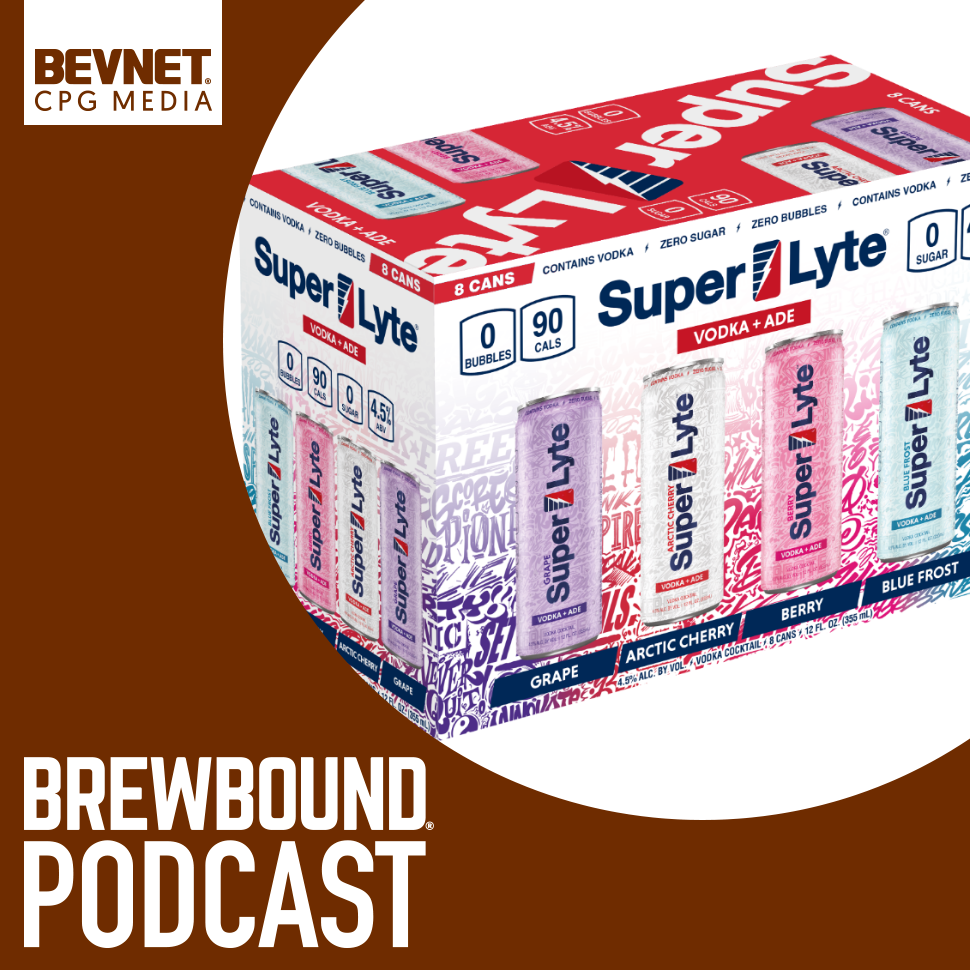
Stateside’s Matt Quigley on Super Lyte Summer as Hard Sports Drinks Explode
How do you balance two brands that are runaway successes? Stateside Brands president Matthew Quigley explained on the latest edition of the Brewbound Podcast how the maker of vodka iced tea brand Surfside is juggling the addition of Super Lyte, a non-carbonated hard sports drink (vodka + ade).From a marketing perspective, Stateside has created dedicated teams for each brand, he explained. On the sales side, the company has built a national accounts team and stable of state managers who, after two years, finally have the bandwidth to take on another brand. The result is another brand in Super Lyte that is being dubbed the drink of the summer, while Surfside is on pace to sell 13 million cases this year, Quigley shared. Meanwhile, Super Lyte is expected to sell four million cases by year’s end, making it the largest spirits-based ready-to-drink (RTD) launch of all time, he added.“It shot the lights out in our core in Pennsylvania, Jersey, New York,” he said. “It just went gangbusters and it’s still doing incredibly, incredibly well.”Stateside is now pushing Super Lyte into 40-plus states to gain a “first-mover advantage” with a host of new challenger brands entering the hard sports drink segment, Quigley said. The target now is for both brands to cross the 25-million-case threshold. “If they both get over 25 million cases, which is like High Noon’s highwater mark, I’m a happy guy,” Quigley said. “I think I’ve done my job. Time will tell.”Ahead of the interview, Brewbound’s Jessica Infante and Zoe Licata breakdown the the latest headlines, including:Samuel Adams front of house workers’ successful unionization effort;Mark Anthony’s termination of Coors Distributing in the Denver metro;The end of Stateside’s lawsuit against Anheuser-Busch InBev over its Skimmers brand.The duo also tackles the NFL’s crackdown on player celebrations pantomiming drinking a beer (or juice). Listen here or on Spotify or Apple Podcasts
Listen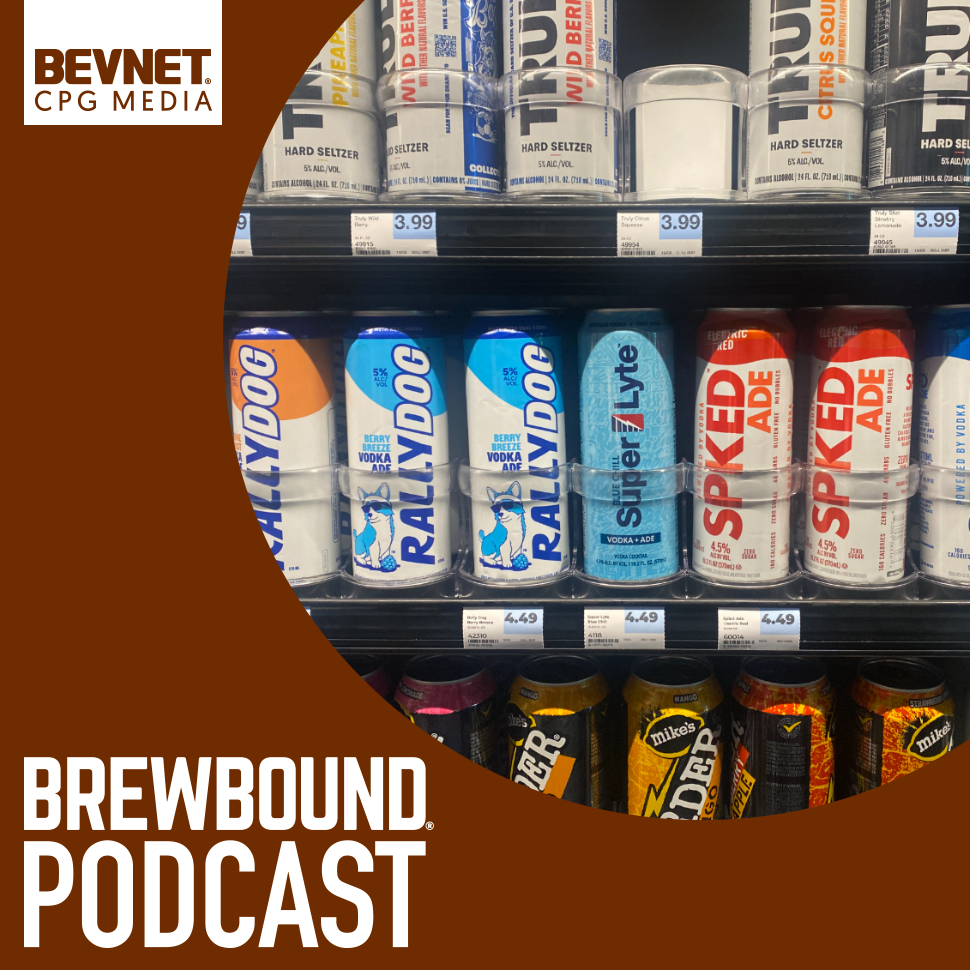
Brand Strategy
September 2, 202628 mins
Hard Sports Drinks, Industry Layoffs and Pabst’s Stolen Beer
The summer selling season wraps up this weekend with Labor Day Monday, and one of the hottest segments of the summer has been hard sports drinks. Brewbound editor Justin Kendall and senior reporter Zoe Licata dive into the fast-growing segment and how their views have shifted on it over the last year. They look at who is leading the segment now and new entrants looking to fast-follow, including Boston Beer Company. The duo also recap several rounds of layoffs, including Sapporo USA’s wind-down of the Stone Brewing-branded locations in Escondido, California; Mark Anthony’s integration of the Finnish Long Drink and coming sales team cuts; and Diageo’s ongoing $1.2 billion restructuring effort hitting its NYC headquarters. Plus, Justin and Zoe discuss low-ABV beers (and Justin cracks Sierra Nevada’s new Go-Two IPA) and Pabst’s viral stolen beer marketing campaign. Listen here.
Listen
Alcohol
July 22, 202656 mins
The Magic of Airport Beers with Experience Threee’s Liz Einhorn
The Magic of Airport Beers with Experience Threee’s Liz EinhornThe pre-flight beer ranks high on many people’s lists of simple pleasures, but what does it take for that beer to end up in a pint glass?Experience Threee founder Liz Einhorn joins this week’s episode of the Brewbound Podcast to discuss the complexities of beer service in airport concessions. She shares the pros and cons of brewery-branded, airport taprooms and what it takes to secure (and keep) a draft line in a busy airport bar.Before the interview, Justin and Jess break down the latest beer industry headlines, including a lawsuit between Ballast Point’s owners over allegedly ill-gotten business loans, new leadership at the National Black Brewers Association and James Watt’s second attempt to buy back BrewDog. Listen here or on your preferred podcast platform.
Listen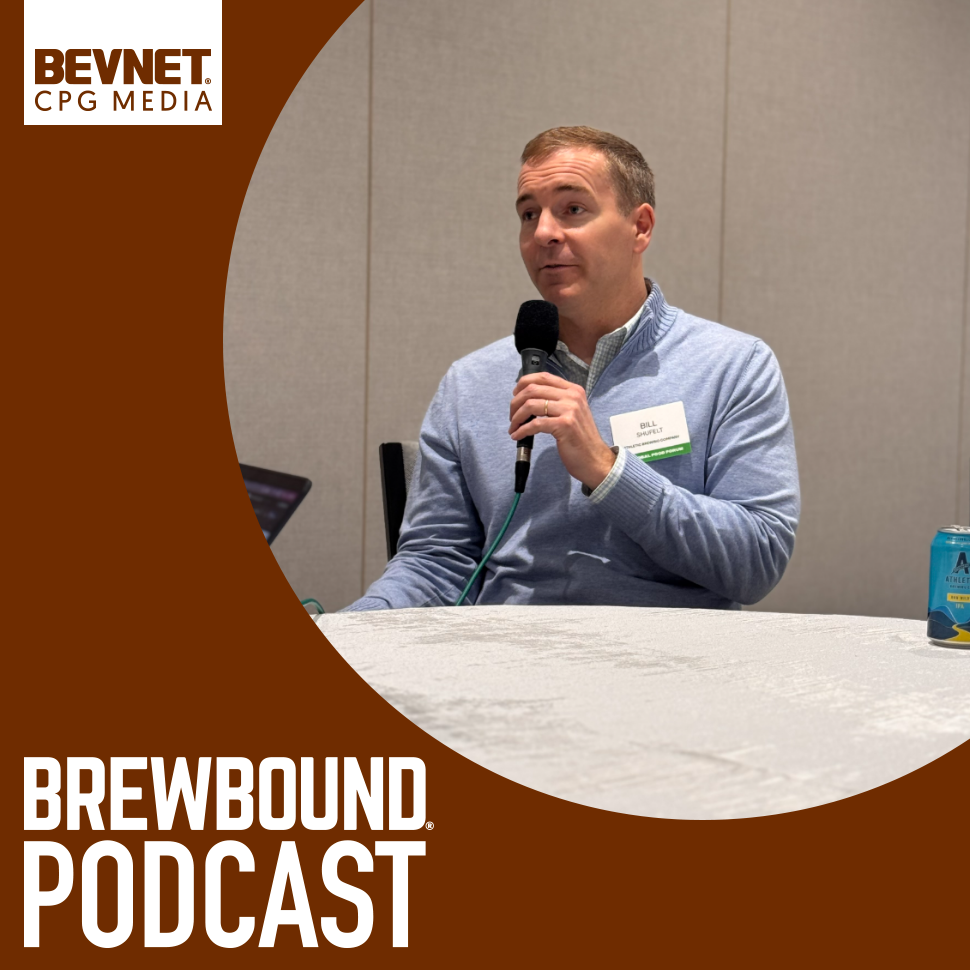
Industry Leader
June 17, 202652 mins
Athletic’s Bill Shufelt is Bullish on the Future of NA Beer – and the Beer Category
Athletic Brewing co-founder and CEO Bill Shufelt is “the most excited” he’s felt since founding the dedicated non-alcoholic (NA) beer brand.On the latest edition of the Brewbound Podcast, Shufelt shared what’s driving his hyped feeling, with a foundation he and co-founder John Walker laid about a decade ago. That foundation is built on a team of 300 co-workers, bicoastal brewing facilities, a strong distribution base for its core beers, a slate of new products hitting retailers and marketing campaigns beginning to ramp up.“I’m very bullish on the long-term health and growth of the category and our part in growing that,” Shufelt said. “It was very hard to get non-alcoholic beer from zero to 2% of beer, but there are actual retailers in the U.S. [where] non-alcoholic beer is touching up against 20% of their beer sales.”Those retailers lend credence to Shufelt’s belief that NA beer can be a much bigger part of the beer category. Shufelt explained that consumers are very early in the NA beer discovery curve, with the vast majority unaware how the product has changed in the last decade. Even with the stage set for growth, Shufelt acknowledged that Athletic still has work to do for the company and the segment to reach some of his loftier goals. For Athletic in particular, which holds around 22% of the NA beer segment, distribution remains its biggest opportunity. “In independents, no matter how much our distributors smile at us and tell us we’re a priority, we’re in like 10% of their independents,” Shufelt said. “And I can go into stores in almost any state in the country and look at a shelf that is controlled by our distributor that has five-plus non-alcoholic beer products on it, and Athletic will have none. There’s just such untapped distribution out there still.”For now, Shufelt is focused on driving Athletic and NA beer forward. But could the future include an IPO? An Athletic led by someone else? Shufelt said it’s possible, but he doesn't want to be on the outside looking in on an opportunity he was one of the few people to see.Before the interview, Justin, Jess and Zoe discuss the latest headlines, including the mixed results craft brewers are seeing from the World Cup, the American Cider Association co-locating its 2027 CiderCon conference with the Brewers Association’s Craft Brewers Conference, the closure of Nebraska’s largest craft brewery and the top new products of so far this year.
Listen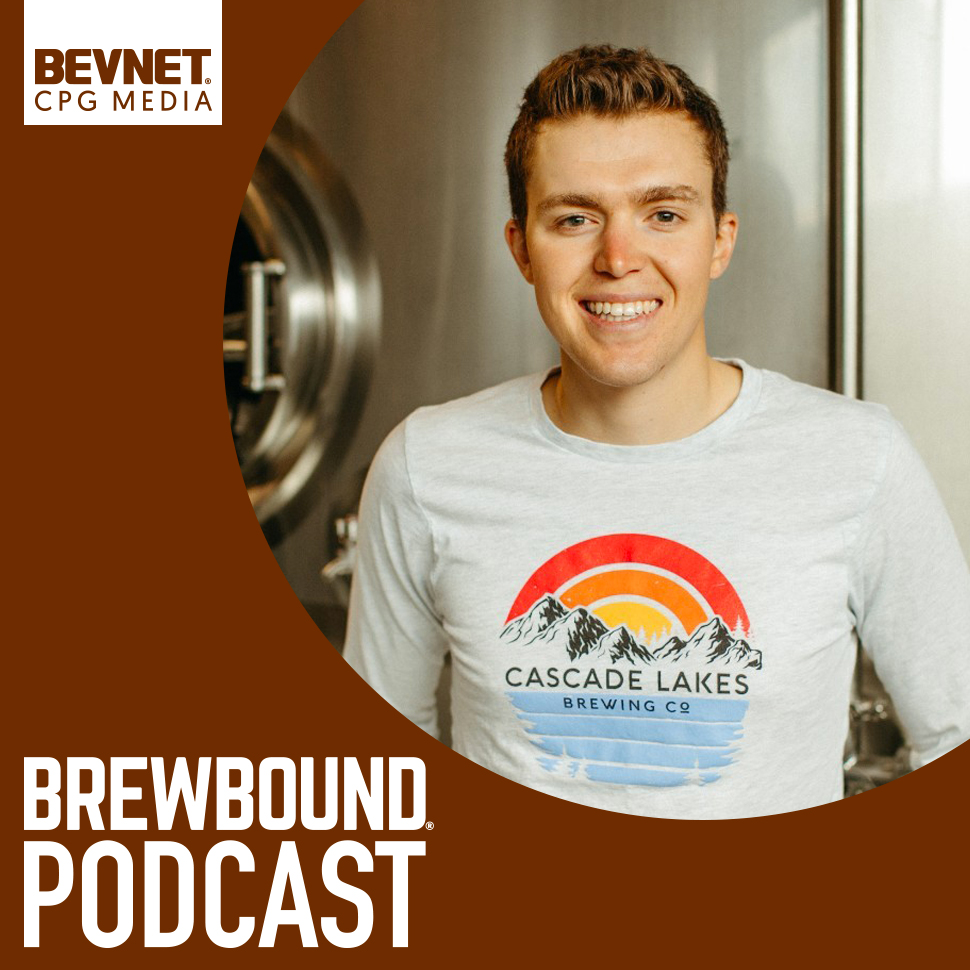
February 26, 202641 mins
The Oregon Beverage Collective Finds Power in Numbers
The pack mentality isn’t going away anytime soon in craft brewing.
The Oregon Beverage Collective (OBC) – the tie up of Crux Fermentation Project, Cascade Lakes Brewing, Silver Moon Brewing, Goodlife Brewing and Tumalo Cider – launched a couple of weeks ago as one of the latest additions to this crowd.
OBC president Andy Rhine joined the latest edition of the Brewbound Podcast to share how those five brands are looking to build strength in numbers
Rhine explained that OBC’s formation wasn’t out of necessity even in a Pacific Northwest market facing challenges through distributor consolidation. Instead, the collective’s foundation was built via long-time relationships among brewery owners in Bend. And it was those relationships that led to Rhine acquiring Crux in a separate deal from founders Larry Sidor and Paul Evers.
Even with a portfolio of five brands and efforts to consolidate production, sales and marketing, Rhine said maintaining each brand’s “unique identity” will be key to the future of the collective. The conversation also covered Rhine’s view of OBC’s future and whether more members will be added to its ranks.
Before the interview, Justin and Zoe break down the latest headlines, including the fallout from Dry January, the Brewers Association’s 2025 financial results, Tilray’s licensing deal with Carlsberg, the Left Hand Collective’s newest member and the Supreme Court’s ruling on reciprocal tariffs.
Listen here or on your preferred podcast platform.
Listen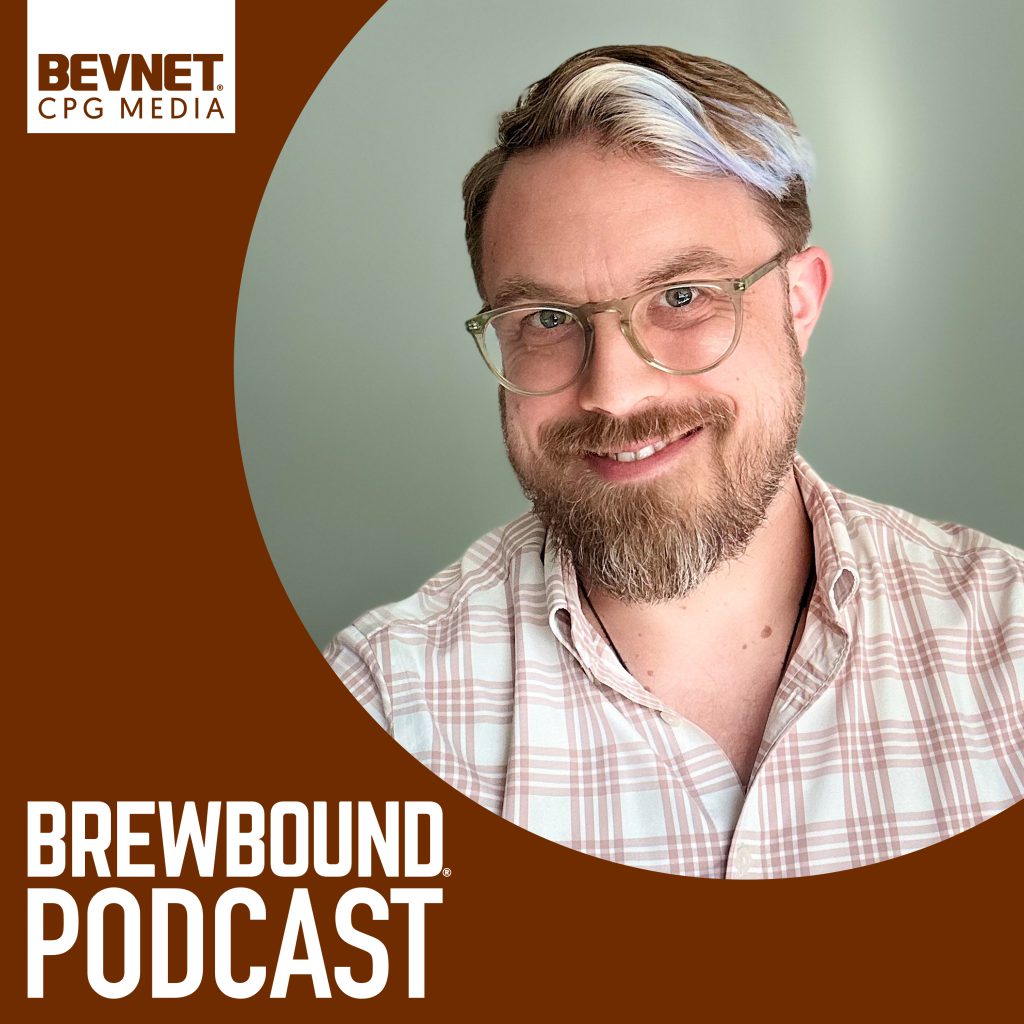
January 15, 202656 mins
Brewbound Podcast: What the New Dietary Guidelines Mean for Bev-Alc
After a lengthy delay that included much fretting among industry insiders, the 2025-2030 Dietary Guidelines for Americans (DGA) were unveiled earlier this month. Any fears that anti-alcohol activists had infiltrated the quinquennial process were eased, as the new guidelines preach moderation over specific daily drink allowances.
Beer Marketer’s Insights senior editor Christopher Shepard, who has followed the process closely, joined the Brewbound Podcast to discuss the DGA, the fraught path to publication and what this could mean for brewers.
“The overall guidance didn’t really change,” Shepard said of the DGA’s move to recommend moderation over the former standard daily limit of two drinks for men and one for women. “They just decided to take the specifics away.”
Industry trade groups have celebrated the DGA’s embrace of moderation, particularly as it pertains to beer, which has long been touted as an alcoholic beverage that can be consumed in moderation.
“One of the reasons it’s been viewed as a win by the industry writ large, and by a coalition of industry trade organizations that came together, is that they came together because there was a very real threat that the Dietary Guidelines were going to tilt towards or embrace a ‘no safe level’ [of alcohol consumption] rhetoric,” Shepard said. “That threat was, in fact, real.”
The prior recommendation of two or one daily drinks detailed a drink as 12 oz. of 5% ABV beer, 5 oz. of 12% ABV wine or 1.5 oz. of liquor. Shepard posited that the move away from that method may not sit well with the spirits industry.
“There are probably some folks in the distilling world that are not so pleased that that’s gone,” he said. “There are probably some folks in the brewing world that are a little bit happier that that’s no longer on the books.”
Before the featured interview, Zoe and Jess discuss recent beer industry headlines, including a proposed deal between the Reyes Beverage Group and Republic National Distributing Company, 2 Towns Ciderhouse’s acquisition of Seattle Cider and the somewhat heartening data Circana published in the past month.
Listen here or on your preferred podcast platform.
Listen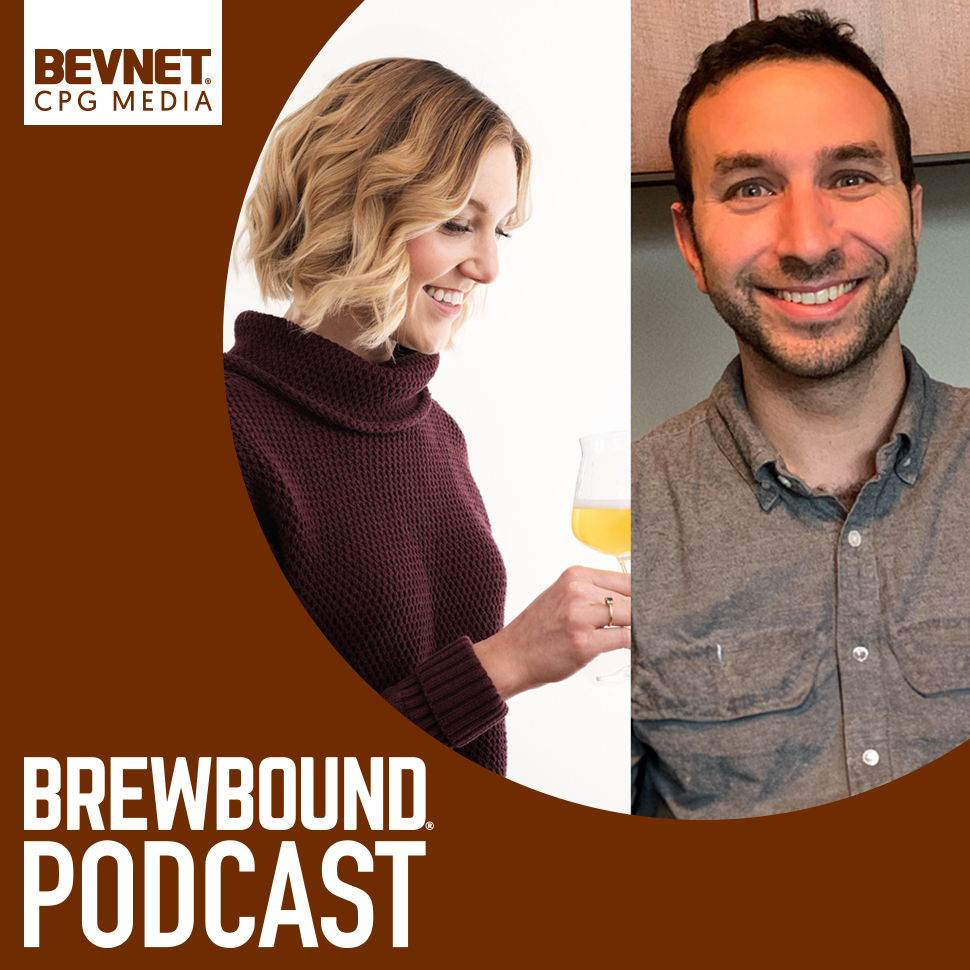
January 8, 202643 mins
Brewbound Podcast: The Year in Booze News
A new year means it’s Brewbound’s annual roundtable conversation with our peers in beer industry journalism.
This year, the Brewbound team is joined by Kate Bernot, lead analyst for Feel Goods Insights, and David Steinman, VP and executive editor of Beer Marketer’s Insights. The discussion covers the biggest bev-alc news stories of 2025, including middle-tier consolidation, overall category health and consumer sentiment.
Although full-year scan data has yet to arrive, the beer category is poised to finish 2025 with low- to moderate-single-digit declines in dollar sales and volume, if the trends of the first 11 months hold.
“We’re looking at decline after decline after decline – it’s something like 30 million barrels down from our recent peak,” Steinman said, adding that “some of that was inflated from the pandemic gains.”
“It felt like it was going to normalize at least multiple times over, and it just keeps on declining at this rate,” he continued. “It’s hard to really put a finger on exactly one thing, but it’s easy to look at the broad-brush of impacts on the trends, and it’s just a tougher business now than it really ever has been for a consistent stretch.”
The usual suspects of health and wellness trends, Gen Zs’ alleged broad aversion to alcohol and the rise of intoxicating hemp dominate conversations elsewhere, but Bernot posited that there’s something bigger at play.
“The story that maybe went under-discussed for me last year was the broader macroeconomic factors going on in the U.S. and the pressure on the average consumer and how that fits into the choices people are making,” she said. “We hear so much about health. We hear so much about cannabis, THC, etc, competing categories.
“I just didn’t hear enough about how pressured the average U.S. consumer feels,” Bernot continued. “We’ve known for a long time that well-off Americans are carrying a lot of water for the U.S. economy, but they can’t do it forever, and especially not in general CPG. You can only go out to a restaurant so many times. You only need so many cases of beer if you’re a wealthy family.”
In addition to high-level impacts on the beer business, the conversation also explored granular topics, such as the rise of Guinness in the on-premise, seismic shifts in California distribution and Anheuser-Busch InBev’s growing strength in beyond beer.
Listen here or on your preferred podcast platform.
Listen