
Brewbound Podcast
The Brewbound Podcast is an extension of Brewbound's leading B2B beer industry reporting, featuring interviews with beer industry executives and entrepreneurs, along with highlights and commentary from the weekly news. New episodes are released every week. Subscribe on Apple Podcasts or your streaming platform of choice.
Podcasts
Distribution
May 22, 202651 mins
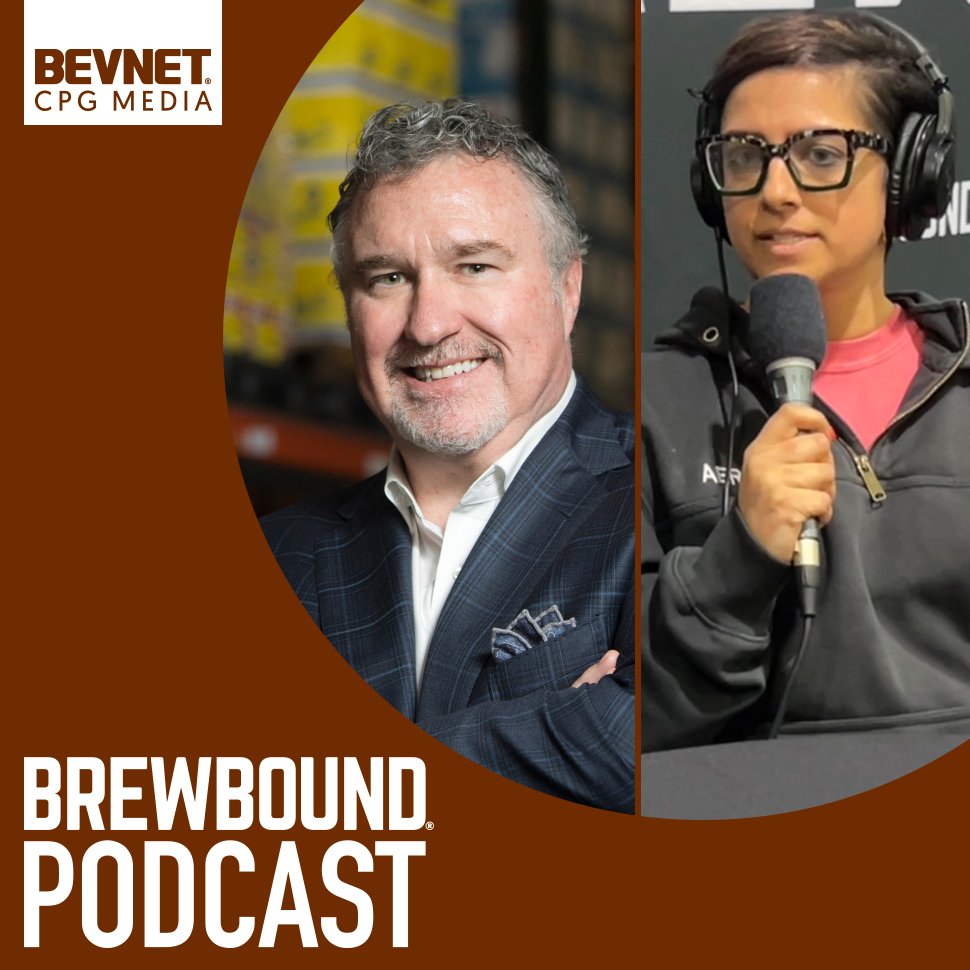
NBWA’s Craig Purser Talks Middle-Tier Hot-Button Issues; Aeronaut's Deepa Chungi on a Successful Events Biz
As middle-tier M&A dominos fall this summer, National Beer Wholesalers Association (NBWA) president and CEO Craig Purser joins the latest Brewbound Podcast to discuss the tectonic shifts in the distribution landscape following Republic National Distributing Company’s (RNDC) fire sale.Purser is part of a double-shot of interviews this week, including Aeronaut director of programming Deepa Chungi, who shares how the Massachusetts craft brewery created a booming events business.First, Purser offers insights into what middle-tier consolidation means for small producers and distributors and how the power structure has been reshaped with mega spirits distributor Southern Glazer’s Wine & Spirits picking up Anheuser-Busch InBev’s distribution rights in major markets. Purser also explains what he believes the intoxicating hemp beverage industry needs to do to help get lawmakers onboard and potentially avert the ban coming in November. Then, Chungi explores the keys for small breweries looking to add private and public events to their businesses, and why events such as “Pitch a Friend” and Dungeons & Dragons have led to packed nights in Aeronaut’s taproom. Plus, the Brewbound team discusses the demise of Schlitz, the closure of Minneapolis’ Bauhaus Brew Labs and a helluva partnership for Mike’s Dirty Lemonade.
Listen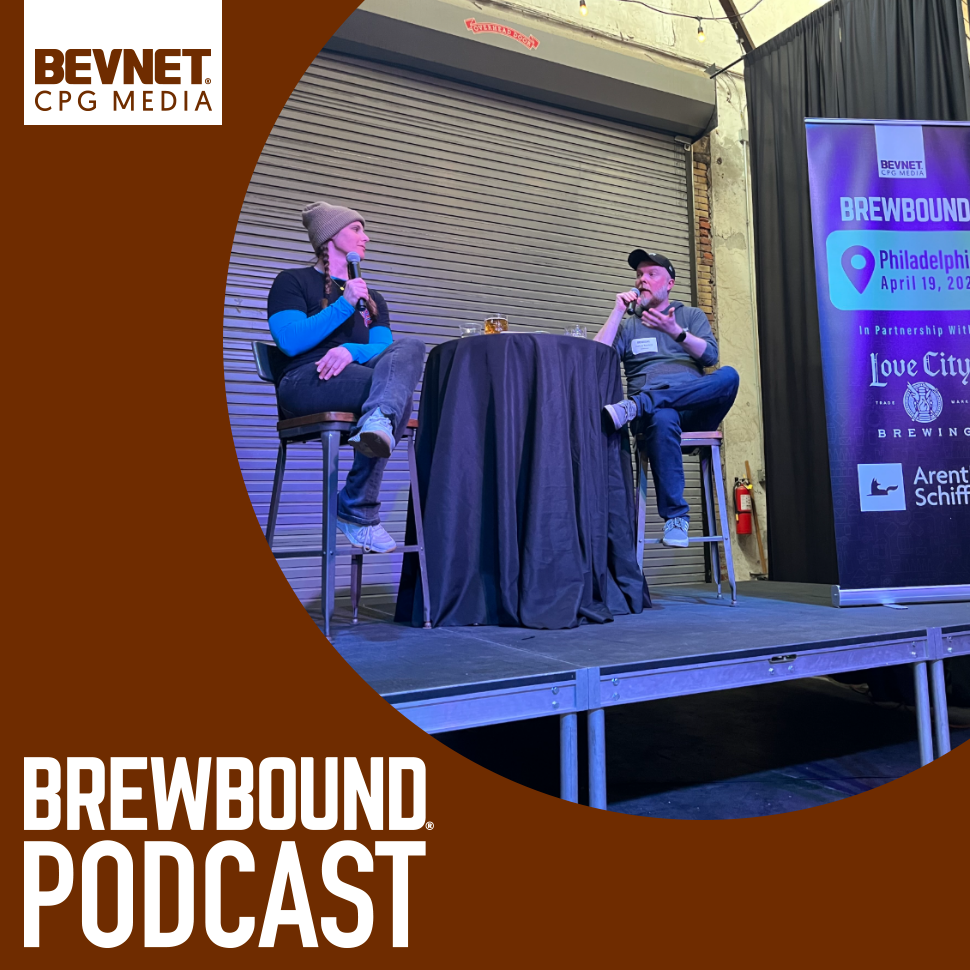
Marketing
April 30, 202640 mins
Wrapping Up CBC 2026; Plus, Chats with Carbon Copy, Brewers of PA and Love City
After a week of good (dare we say sunny?) vibes in Philadelphia, the Brewbound team regrouped to put a bow on the 2026 Craft Brewers Conference (CBC). Jess, Zoe and Justin discussed the overall feel of this year’s event compared to the previous two CBCs in Indianapolis and Las Vegas, as well as the Brewers Association attempting to change the narrative around craft beer. They discuss president and CEO Bart Watson’s nudge to tell some of the more positive stories around craft beer, and his own attempts during the State of the Industry speech.Plus, the trio explored RNDC’s fire sale this week, as the distributors struck deals with Martignetti for 11 control state markets and Columbia Distributing for certain wine and spirits brand rights in Washington and Oregon, as well as an agreement in Alaska. Then, we bring you a trio of Pennsylvania-centric interviews, starting with a check in with Carbon Copy co-founder Brendon Boudwin on the Philadelphia brewery’s less pretentious approach compared to some legacy craft brewers.After that, we shift gears with snippets of interviews recorded during Brewbound’s happy hour at Love City Brewing. In the first chat, Brewers of PA executive director Hannah Ison explained the guild’s work to modernize the state’s malt beverage tax credit program, which would allow craft breweries that have made facility upgrades or equipment purchases to sell those credits to other Pennsylvania producers or gain extensions. The show wraps up with Love City Brewing co-founder Kevin Walter’s take on modern craft drinkers and how the brewery is pulling those drinkers into its taprooms with niche events.
Listen
April 9, 202633 mins
Q1 Craft Scans, Platform Proliferation, BrewDog’s Identity Crisis – and What’s a Daycap?
How did craft close out Q1 in scans? In this episode, the Brewbound team convenes to discuss the early read on trends in off-premise retailers with the first three months of 2026 in the books.
The conversation shifts to the latest platform builders, as Oklahoma City’s Coop Ale Works and Dallas’ Four Corners Brewing have created the Frontier Beverage Collective. Meanwhile, Abita Brewing Company is rechristening itself as the Abita Beverage Group, targeting 170,000 barrels this year, and potential mergers and acquisitions.
Then the focus turns to new BrewDog owner Tilray Brands’ Q3 earnings report and future plans with the Scottish craft beer brand in the fold. Justin, Jess and Zoe discuss BrewDog’s identity without its “punk” ethos, which now includes a residency in the Hamptons.
The show wraps with a conversation about the “Daycap,” following a Business Insider story on bev-alc brands targeting daytime occasions via some creative marketing to younger LDA consumers. . Is this really a thing with Gen Z?
Listen here or on your preferred podcasting platform.
Listen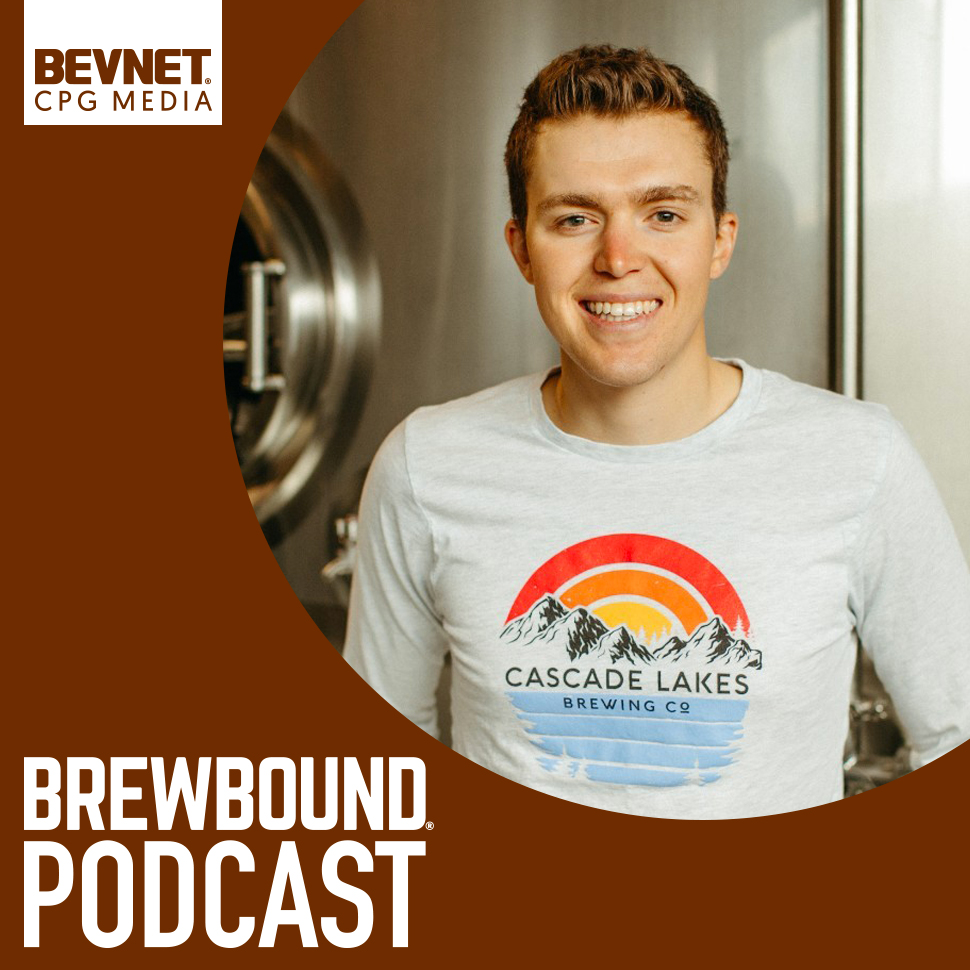
February 26, 202641 mins
The Oregon Beverage Collective Finds Power in Numbers
The pack mentality isn’t going away anytime soon in craft brewing.
The Oregon Beverage Collective (OBC) – the tie up of Crux Fermentation Project, Cascade Lakes Brewing, Silver Moon Brewing, Goodlife Brewing and Tumalo Cider – launched a couple of weeks ago as one of the latest additions to this crowd.
OBC president Andy Rhine joined the latest edition of the Brewbound Podcast to share how those five brands are looking to build strength in numbers
Rhine explained that OBC’s formation wasn’t out of necessity even in a Pacific Northwest market facing challenges through distributor consolidation. Instead, the collective’s foundation was built via long-time relationships among brewery owners in Bend. And it was those relationships that led to Rhine acquiring Crux in a separate deal from founders Larry Sidor and Paul Evers.
Even with a portfolio of five brands and efforts to consolidate production, sales and marketing, Rhine said maintaining each brand’s “unique identity” will be key to the future of the collective. The conversation also covered Rhine’s view of OBC’s future and whether more members will be added to its ranks.
Before the interview, Justin and Zoe break down the latest headlines, including the fallout from Dry January, the Brewers Association’s 2025 financial results, Tilray’s licensing deal with Carlsberg, the Left Hand Collective’s newest member and the Supreme Court’s ruling on reciprocal tariffs.
Listen here or on your preferred podcast platform.
Listen
February 19, 202651 mins
A Supplier’s Guide to Middle-Tier Consolidation
As the distribution tier continues to shrink, what must brewers and bev-alc brands do to protect their routes to market? ArentFox Schiff partner Nichole Shustack and senior associate Isabelle Cunningham joined the Brewbound Podcast to discuss how suppliers can navigate the turbulence that comes with wholesaler consolidation.
Instability across the middle tier shows no signs of letting up. Breakthru Beverage Group announced a restructuring this week that will result in about 500 jobs cut. Last fall, Republic National Distributing Company (RNDC) abandoned its California business after several major spirits suppliers terminated it.
Earlier in 2025, the craft distribution business in Southern California got a seismic shock when Hand Family Companies acquired Stone Distributing and Classic Beverage to form Sunset Distributing. An aftershock from that deal reverberated when Sunset acquired boutique craft house Scout Distributing in June 2025.
These deals and countless others like them can represent a loosening of otherwise tight contracts between suppliers and distributors.
“When you’re notified of a transaction, you should look at that as an opportunity,” Shustack said. “It’s an opportunity to evaluate the market. It’s an opportunity to maybe get a new contract in place. It’s an opportunity to maybe get some additional marketing commitments.
“You have leverage and there’s not a lot of time in a supplier-wholesaler relationship where you have leverage,” she continued. “This is one of the few times that you do. You want to make sure that you’re thinking about it early.”
Shustack and Cunningham also share updates on the uncertain future of the intoxicating hemp industry, which is slated for prohibition in November 2026. Congress is weighing several bills to delay the ban or establish a regulatory framework. The former seems more likely than the latter – especially with midterm elections on the horizon, Cunningham said.
“I think eventually someday we’ll end up with a regulatory framework for it just because of the demand and the money,” she said. “Coming into a midterm election year, I do not see anyone taking this up in earnest, but I don’t see them letting the ban go into effect, either.”
Before the interview, Justin and Zoe discuss a bevy of beer news, including the formation of the Oregon Beverage Alliance, year-end shipments data from the Beer Institute, BrewDog’s looming liquidation, Constellation Brands’ incoming CEO and global layoffs at Heineken.
Listen here or on your preferred podcast platform.
Editor’s Note: While the guests featured in this conversation are attorneys, the discussion does not constitute legal advice. Please consult your own legal counsel as needed.
Listen
January 29, 202640 mins
Brewbound Podcast: Minneapolis’ Insight Brewing on Supporting a Community in Crisis
Minneapolis has dominated national headlines for weeks as area residents protest the Department of Homeland Security’s heightened crackdown on Minnesota’s large immigrant population. Tensions have intensified as agents from Immigration and Customs Enforcement (ICE) have killed two American citizens in shootings that have been recorded by observers.
Local businesses such as Insight Brewing have taken a stand against ICE’s occupation of the city. Insight marketing manager Joey Steinbach joins the Brewbound Podcast to discuss how the brewery has stepped up as a community hub by collecting food and other donations to distribute to mutual aid groups, supporting neighbors who participated in last week’s general strike and emphasizing its role as a friendly third space.
“That day was so truly inspiring,” Steinbach said of the strike. “We did shut down for regular business. We weren’t serving or selling anything. Any staff that we had there was volunteering their time just to gather donations from the community.
“We had so many people come through before and during the protests that day,” he continued. “We had just hundreds of pounds of food come through – diapers, winterwear, people donating hand warmers, donating more coffee.”
The impact of ICE’s presence in the Twin Cities hit close to home for Insight at the beginning of the surge, when an employee of one of the brewery’s resident food trucks was detained. That coupled with the killings of Renee Good and Alex Pretti made speaking out imperative, Steinbach said.
“It’s just the right thing to do,” he said. “We do have a platform, and we do have a voice. We’re not one of the biggest names in the game by any means, but we’ve got a decent social media reach and, watching everything happening in our direct community – Insight brewing is a northeast Minneapolis brewery – and it’s just so hard.”
Insight has walked a tightrope between using its social media accounts to call for an end to the ICE occupation and request donations for its community pantry (in exchange for a complimentary beer), while still promoting its ongoing taproom programming.
“It just felt wrong to stay silent about it, despite people thinking that politics and beer don’t really align,” Steinbach said. “If you go back to the origins of taprooms – pubs – it’s a public house, it’s a community space. It’s not just about pushing a product. It’s not just about the bottom dollar. It’s definitely a community space for everyone, especially including our immigrant neighbors.”
Before the interview, Zoe and Jess discuss recent news, including takeaways from the Beer, Wine & Spirits Summit and a sneak peek at Budweiser’s upcoming Super Bowl commercial.
Listen to the episode here or on your preferred podcast platform:
Listen
September 11, 202554 mins
BrewDog USA’s Eric Franco on Gaining Greater Autonomy and Getting Focused
Less has been more with BrewDog’s U.S. business over the last year and a half.
On the latest episode of the Brewbound Podcast, BrewDog USA chief sales and marketing officer Eric Teodoro Franco explains how the business has “done fewer things better,” leading with a focus on its core brands, which helped the brand increase volume 26% last year, to 89,084 barrels of beer, according to data from the Brewers Association (BA).
“We were very, very famous and very willing to be famous for throwing a lot against the wall and seeing what would stick for many, many years,” Franco shared. “We can do that in the U.K. where you have a 50-plus share and you can develop a lot of things and trial and try new things.
“In this market, we did that and it didn’t work. We’ve really taken our range plan, we’ve taken our focuses down to really doing fewer and better things.”
That’s led to improved wholesaler partnerships and led to a redeployment of BrewDog’s teams to better support its core markets, Franco said.
Additionally, BrewDog USA has been given the opportunity to run its operations with some autonomy from its homebase in Scotland as its U.S. leadership team has earned the trust of the global team.
“We’re running things the way we need to run them,” Franco said. “Same on the food side and on the retail side of our business.
“For many years, we were very much driven by what the U.K. or international bars looked like, and we would apply that narrative, if you will, or business plan to the U.S. bars. That’s gone away as well.”
Franco also discusses how the exits of founders James Watt and Martin Dickie have affected the U.S. business, how the company is approaching innovation and how the company has rethought both its distribution footprint and its taproom strategy.
Before the interview, Brewbound’s Justin Kendall, Jessica Infante and Zoe Lica break down the impending closure of 21st Amendment Brewery, the removal of a study from the dietary guidelines process and the challenges of making an alcoholic version of better-for-you soda. They also dig into TikTok trends and the latest grousing about Generation Z’s bar habits.
Listen here or on your preferred podcast platform.
Listen