
Search across the BevNET CPG Media network including BevNET, Nosh, Brewbound, Taste Radio, Nombase and CPG Jobs.
Brewbound Podcast
The Brewbound Podcast is an extension of Brewbound's leading B2B beer industry reporting, featuring interviews with beer industry executives and entrepreneurs, along with highlights and commentary from the weekly news. New episodes are released every week. Subscribe on Apple Podcasts or your streaming platform of choice.
Podcasts
Alcohol
July 29, 202634 mins
RNDC’s Unpaid Tab, Craft’s Mid-Year Number and Boston Beer’s Rally Dog
Republic National Distributing Company (RNDC) is leaving a big unpaid tab. The distributor filed for Chapter 11 bankruptcy this week, with liabilities between $1 billion and $10 billion, and more than 100,000 creditors.In this episode of the Brewbound Podcast, Brewbound editor Justin Kendall and senior reporter Zoe Licata dive into the bankruptcy filing, as well as the fallout, with many suppliers left wondering if they’ll ever get paid back.Justin and Zoe also catch up on the other big headlines, including the Brewers Association’s (BA) 2026 mid-year report, with projected craft volume declines of 4%. They discuss why the news isn’t all bad – with a majority of respondents reporting growth – and why it’s not all good.The conversation shifts to Boston Beer’s second-quarter results and Sun Cruiser’s growing importance to the company’s bottomline. They also explore Boston’s growing fast-follower innovation strategy, including Rally Dog, a potential hard sports drink challenger brand. Plus, they touch on if beer companies might be walking back their opposition to the spirits industry’s equalization efforts.Finally, seasonal creep is here and real as pumpkin beers are already popping up on store shelves.It’s a quick, fun recap of the latest news. Listen here.
Listen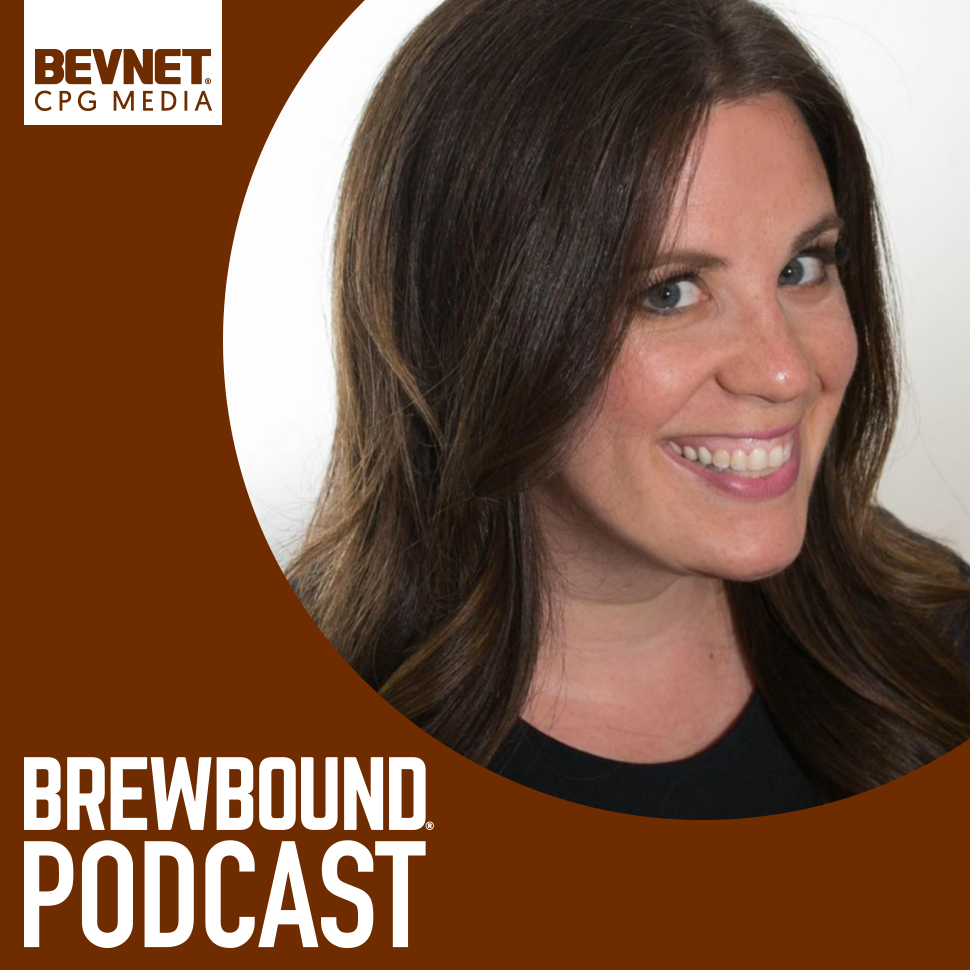
Alcohol
July 22, 202656 mins
The Magic of Airport Beers with Experience Threee’s Liz Einhorn
The Magic of Airport Beers with Experience Threee’s Liz EinhornThe pre-flight beer ranks high on many people’s lists of simple pleasures, but what does it take for that beer to end up in a pint glass?Experience Threee founder Liz Einhorn joins this week’s episode of the Brewbound Podcast to discuss the complexities of beer service in airport concessions. She shares the pros and cons of brewery-branded, airport taprooms and what it takes to secure (and keep) a draft line in a busy airport bar.Before the interview, Justin and Jess break down the latest beer industry headlines, including a lawsuit between Ballast Point’s owners over allegedly ill-gotten business loans, new leadership at the National Black Brewers Association and James Watt’s second attempt to buy back BrewDog. Listen here or on your preferred podcast platform.
Listen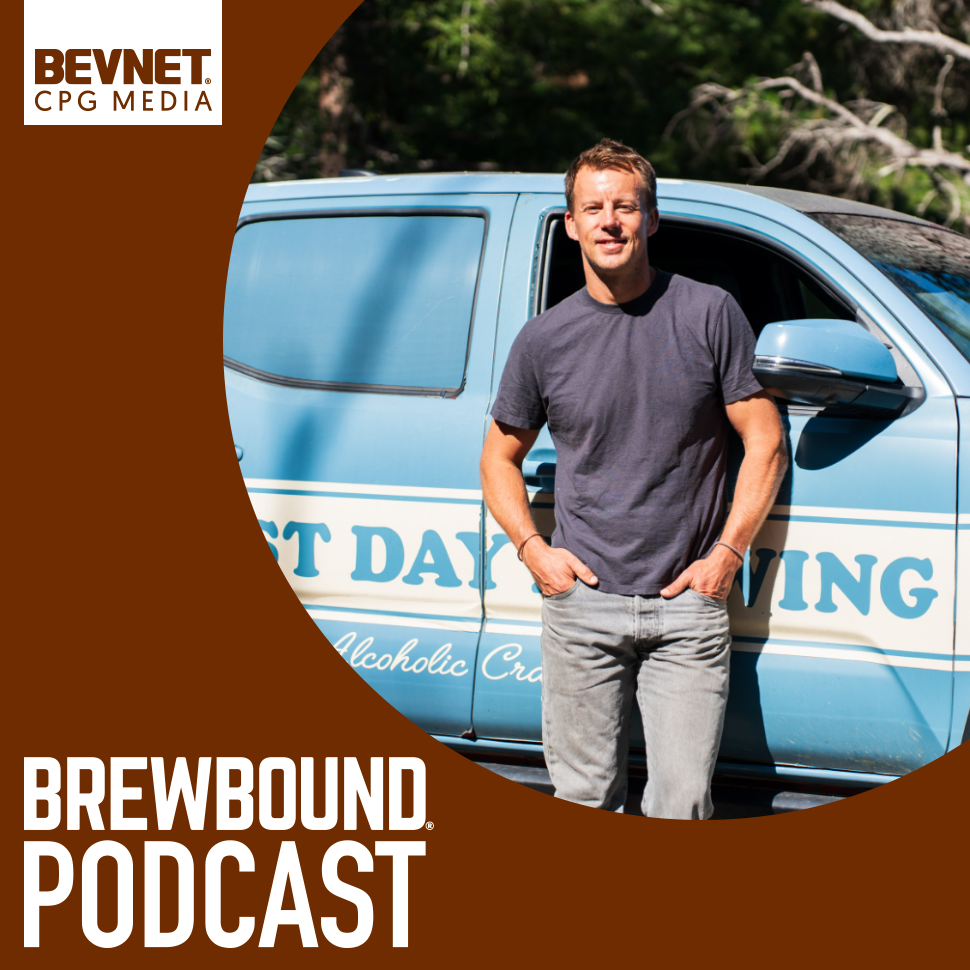
Brand Strategy
July 15, 202649 mins
Best Day’s Tate Huffard on Fitting Into Non-Alc Beer’s ‘Belonging’ Phase
Best Day Brewing founder and CEO Tate Huffard believes the modern non-alcoholic (NA) beer movement is now in its second wave – one characterized by “belonging.”“What we see now is that non-alcoholic beer belongs on menus, it belongs in beer sets,” Huffard said on the latest edition of the Brewbound Podcast. Best Day was made for NA beer’s second wave in which coolers on boats in the summer are stocked with NA and alcoholic beer and fridges at parties also include both options, Huffard said. “All of these beer occasions warrant a great non-alcoholic beer and yet part of the magic is unpacking and uncovering these new occasions that deserve a beer,” Huffard said. “Case in point for me is a lunch beer.”The first wave – driven by the rise of Athletic Brewing Company – helped normalize NA beer and remove the penalty box elements of old-school offerings, Huffard explained. “I give those guys an incredible amount of praise for creating an environment where people could participate in the category and it wasn’t weird,” he said. “And the concept of non-alcoholic craft beer was born in that first wave.”The second wave is about growing the pie, expanding grocery baskets and taking NA beer’s share upward from 2% to 10% and beyond, Huffard said. In the episode, Huffard discusses Best Day’s 30% distribution growth this year and retail expansion, finding luck in craft brewery taprooms, navigating the disruption caused by the launch of Anheuser-Busch InBev’s Michelob Ultra Zero and much more. But first, the Brewbound team also catches up on the latest news, including July 4 scans, exec moves at New Belgium and a Jersey banner plane and patio tent update.
Listen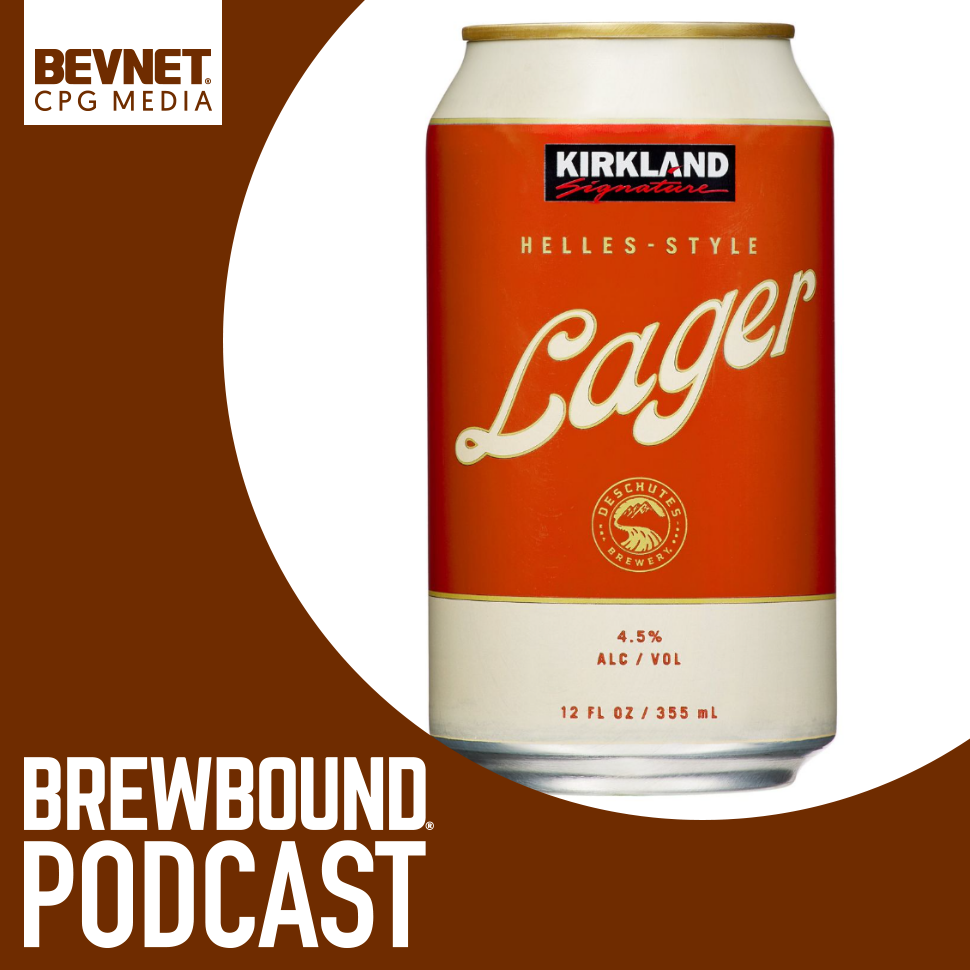
Alcohol
July 8, 202626 mins
Pour One Out For Deschutes’ Kirkland Helles
Can a letter writing campaign save Deschutes’ co-branded Kirkland Signature Helles, the same way Brewbound's Jessica Infante saved her childhood zoo? The Brewbound team and weekend newsletter writer Sean McNulty discuss the end of the cult favorite lager on the latest edition of the Brewbound Podcast, including an outpouring of somber reactions to the news. Brewbound editor Justin Kendall recaps his conversation with Deschutes CEO Peter Skrbek and why he’s not sweating the decision as the company’s portfolio is growing. But could a public show of support from Costco members flip the decision? Jess shares that it worked for her hometown zoo. The team also shares their personal July 4 experiences, including a view from the Jersey Shore, and the mixed results by channel for the World Cup and surge of imported beer. Brewbound senior reporter Zoe Licata also explains why quality is a default expectation for consumers now, and shouldn’t be a marketing talking point in 2026.
Listen
Trends
July 1, 202629 mins
Shootin’ the Breeze Ahead of the Fourth
Days ahead of the Fourth of July holiday, the Brewbound team catches up on beer prices – at home and across the pond – and how Independence Day is stacking up as a heat wave sets in for much of the country.Zoe shares just how different beer prices are in the U.K., learned from her experience seeing Harry Styles and buying drinks at Wembley Stadium. Jess offers an eye on the skies from the Jersey Shore, where only one bev-alc company is flying banner ads over the beaches so far (and it isn’t a beer company). And Justin breaks out the latest grocery circular for a big meat-and-beer promo in Iowa. The trio discusses the latest headlines, including Allagash’s new Maine-centric ad campaign, the World Cup’s impact and just how much Boston misses the Tartan Army and why now is the right time for ready-to-drink (RTD) brands to explore a sale.
Listen
Alcohol
June 25, 202647 mins
Kilts, Bagpipes and Lots of Lagers – How Hendler Family Brewing Welcomed World Cup Fans
Mass Appeal Draught House and Grille opened on the eve of the kick-off of FIFA World Cup 2026 at its neighbor, Gillette Stadium. Hendler Family Brewing co-founder and CEO Sam Hendler joined the Brewbound Podcast to discuss how the multi-branded taproom handled an influx of guests, what Scottish fans prefer to drink (Jack’s Abby House Lager) – and what they’re not drinking. “The majority of the audience who's been down there on game day has been the international fan base, and House Lager has been consistently the No. 1 seller, and it's not particularly close,” Hendler said. “We're selling 6 or 7x the House Lager than we are of the top-selling IPA in that taproom right now.”Hendler shared insights into the World Cup-driven boost at the company’s Night Shift taprooms and beer gardens and how they prepared their brands (Jack’s Abby, Wormtown, Masshole Light and Sloop) to stand out in the trade during this high visibility time.In the Boston area, hosting the World Cup and thousands of spectators who have come to support their teams has been a boon for the hospitality industry, particularly beer distributors and breweries.“On the ground, the atmosphere has been fantastic. People have been showing up, people are having a great time, and they're drinking a lot of beer as it goes on,” Hendler said. “There's been so much talk in beer about winning occasions that are beyond what the beer occasion has always been, and the industry still obviously needs work to do on that, because the World Cup, unfortunately, won't last for 365 days a year forever. But it's clear that beer is a winner for this occasion, and it's been absolutely fantastic.”Before the interview, Justin and Zoe discuss the results of the Brewers Association’s annual Harris Poll of consumers’ views on craft beer, recent developments in the ongoing collapse of Republic National Distributing Company and a first impression of Keystone Light Apple.After the interview, stay tuned for a conversation with ArentFox Schiff partner Nichole Shustack, who leads the law firm’s beverage-alcohol practice. She detailed navigational options for suppliers during times of wholesaler consolidation and best practices for the creation of brand platforms. Listen here or on your preferred podcast platform.
Listen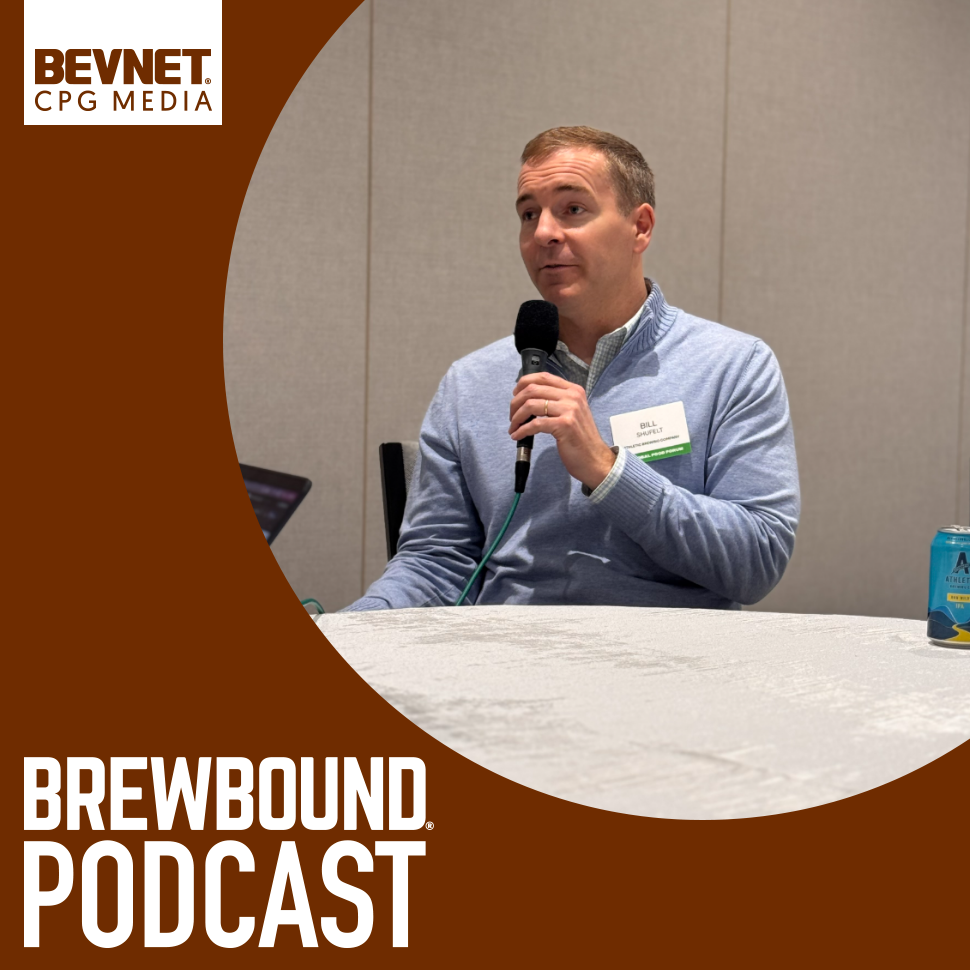
Industry Leader
June 17, 202652 mins
Athletic’s Bill Shufelt is Bullish on the Future of NA Beer – and the Beer Category
Athletic Brewing co-founder and CEO Bill Shufelt is “the most excited” he’s felt since founding the dedicated non-alcoholic (NA) beer brand.On the latest edition of the Brewbound Podcast, Shufelt shared what’s driving his hyped feeling, with a foundation he and co-founder John Walker laid about a decade ago. That foundation is built on a team of 300 co-workers, bicoastal brewing facilities, a strong distribution base for its core beers, a slate of new products hitting retailers and marketing campaigns beginning to ramp up.“I’m very bullish on the long-term health and growth of the category and our part in growing that,” Shufelt said. “It was very hard to get non-alcoholic beer from zero to 2% of beer, but there are actual retailers in the U.S. [where] non-alcoholic beer is touching up against 20% of their beer sales.”Those retailers lend credence to Shufelt’s belief that NA beer can be a much bigger part of the beer category. Shufelt explained that consumers are very early in the NA beer discovery curve, with the vast majority unaware how the product has changed in the last decade. Even with the stage set for growth, Shufelt acknowledged that Athletic still has work to do for the company and the segment to reach some of his loftier goals. For Athletic in particular, which holds around 22% of the NA beer segment, distribution remains its biggest opportunity. “In independents, no matter how much our distributors smile at us and tell us we’re a priority, we’re in like 10% of their independents,” Shufelt said. “And I can go into stores in almost any state in the country and look at a shelf that is controlled by our distributor that has five-plus non-alcoholic beer products on it, and Athletic will have none. There’s just such untapped distribution out there still.”For now, Shufelt is focused on driving Athletic and NA beer forward. But could the future include an IPO? An Athletic led by someone else? Shufelt said it’s possible, but he doesn't want to be on the outside looking in on an opportunity he was one of the few people to see.Before the interview, Justin, Jess and Zoe discuss the latest headlines, including the mixed results craft brewers are seeing from the World Cup, the American Cider Association co-locating its 2027 CiderCon conference with the Brewers Association’s Craft Brewers Conference, the closure of Nebraska’s largest craft brewery and the top new products of so far this year.
Listen