
Brewbound Podcast
The Brewbound Podcast is an extension of Brewbound's leading B2B beer industry reporting, featuring interviews with beer industry executives and entrepreneurs, along with highlights and commentary from the weekly news. New episodes are released every week. Subscribe on Apple Podcasts or your streaming platform of choice.
Podcasts
Innovation
April 16, 202637 mins
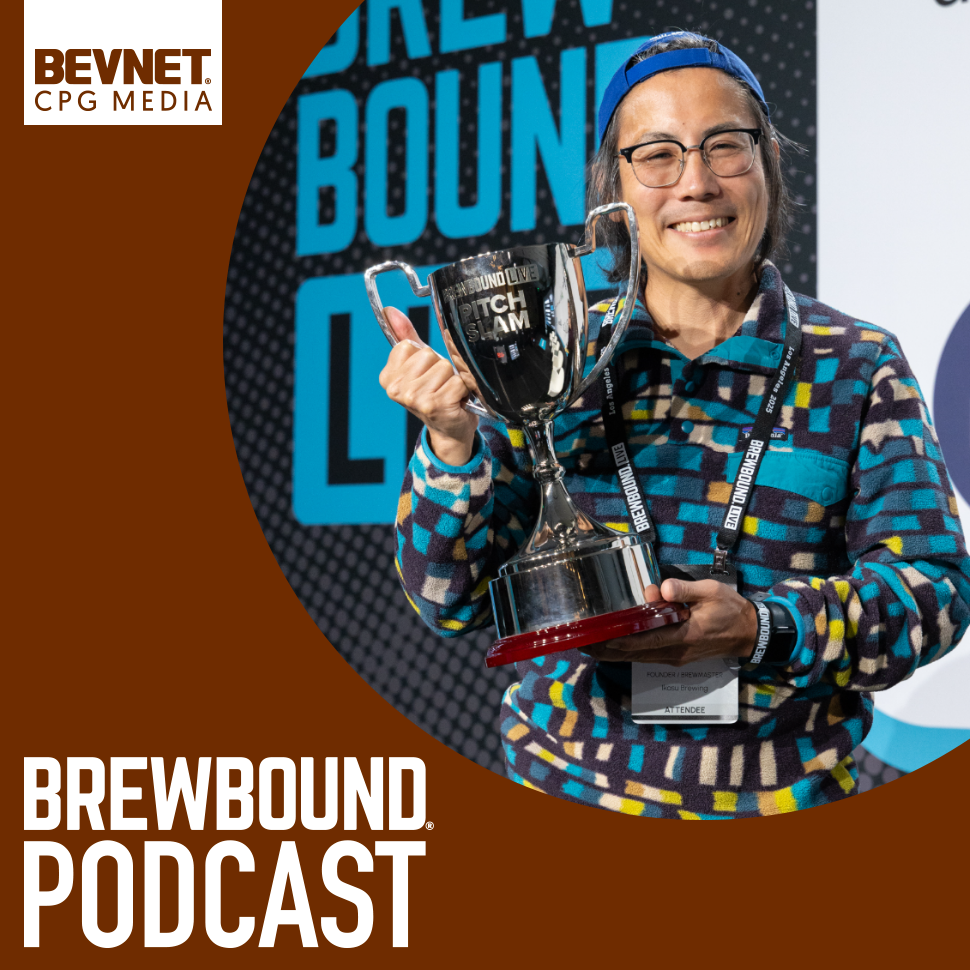
Ikasu Brewing Leans into ‘Weird,’ ‘Good Beer’ and Japanese Culinary Ingredients
Ikasu Brewing founder Masahiro “Masa” Kitano believes his Los Angeles-based, contract-brewed brand's plans to lean into “weird and good beer” that taps into Japanese culinary ingredients.Kitano’s history as a home brewer helped him craft out-of-the-ordinary beers, such as a matcha-infused gose.“It’s a sour beer with the aroma of matcha, but it doesn’t look green,” he said. “You smell it and it’s super unique. No one’s thought about combining sour beer with matcha.” Kitano’s beer, as well as his story of leaving a career as a medical researcher to chase his brewing dream, coupled with his infectious personality, propelled him to victory during Brewbound’s Pitch Slam competition at the 2025 Brewbound Live business conference last December.On this week’s Brewbound Podcast, Kitano shares an update on the business following the win and why he believes his pitch resonated.“I tried to make the pitch as simple as possible, a little bit stupid and a little be funny – magically it worked out,” he said. “I’m so glad that happened.”In the months since, the draft-only brand added several bar and restaurant accounts following the win and recently signed with L.A. Distributing Co., Kitano said. Ikasu continues to operate out of Los Angeles-based Native Son, where the brand has six taps dedicated to its beer. The relationship has helped Ikasu test new offerings and connect with a built-in audience. In this episode, Kitano goes deeper into his innovation process, as well as his aspirations for Ikasu, including plans to can Larigato, Ikasu’s Japanese rice lager, later this year for distribution.Before the conversation, the Brewbound team discusses craft beer’s 2025 production report released earlier this week by the Brewers Association. They dive into why Sierra Nevada leapfrogging Boston Beer as the No. 2 independent craft brewery by volume highlights the successes of one brewery and the shift in focus away from beer of the other.The trio also explore Mark Anthony Brands’ deal for the Finnish Long Drink, and which RTD dominos are left to fall/cash in.
Listen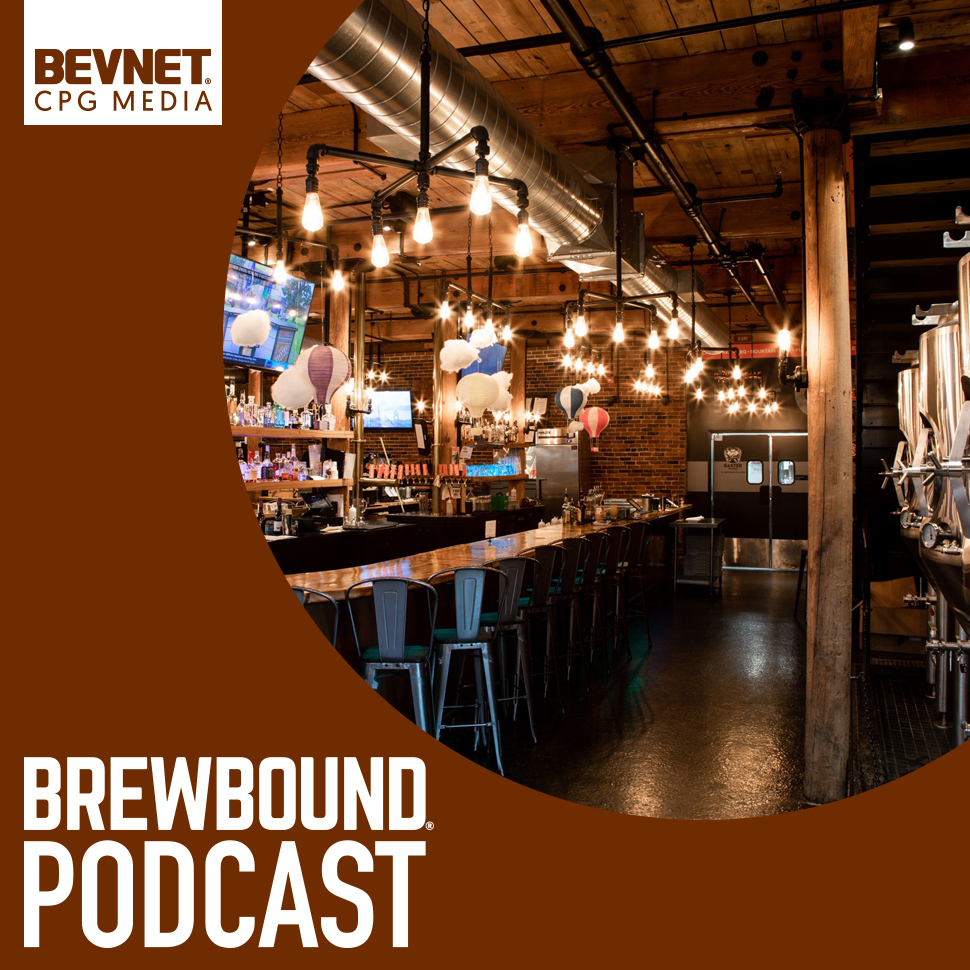
March 19, 202658 mins
From Blueberries to Boom Season: Baxter and Orono’s Maine Strategy
Maine’s craft brewing industry has always punched above its weight despite being among the smallest in population. The state ranked second in breweries (14.3 per 100,000 21+ adults) and economic impact per capita, and third in gallons (9.8) per 21+ adult in 2024, according to Brewers Association data.
That outsized impact along with the state’s robust tourism business gives Maine craft brewers a unique perspective on the industry’s ebbs and flows.
The latest edition of the Brewbound Podcast features two of those voices – Baxter Brewing president Jenn Lever and Orono Brewing co-owner Abe Furth – in separate conversations recorded during the New England Brew Summit. Both are also Maine Brewers Guild leaders and board members.
Up first, Lever explained what it’s like to navigate a business when seven months account for the lion’s share of volume.
“We’re so proud to represent Maine year-round, but we also recognize the challenges that come when your population quadruples for less than half of the year,” she said. “You’ve gotta be ready to activate and react as quickly as possible to that summer season.
“The people that come to Maine the first time, it’s never their last time.”
Lever also touched on how Baxter’s mix shifts during the busy season, the loss of Canadian tourism amid strained international relations and why blueberry-flavored offerings have become big business for the company.
Then, Furth discussed why guild participation remains important. He also shared why operating in a college town allows him to peer into the future and plan accordingly, and explained the importance of working through innovation plans with the brewery’s distributors to find products that fill real whitespace in their portfolios.
Before the interview, Justin and Jess recap Tilray’s purchase of BrewDog’s U.S. assets and the future of the platform. They also look at some not great shipment numbers to start the year and some not-so-bad scans.
Listen here.
Listen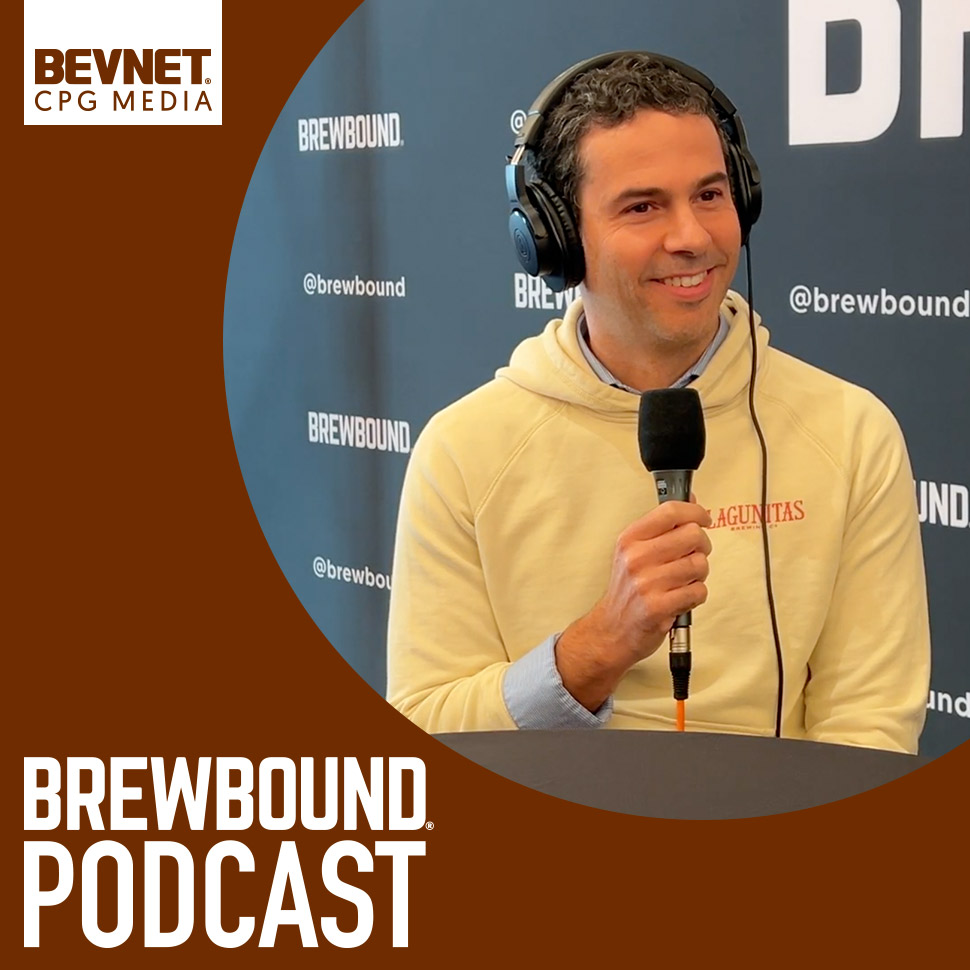
November 20, 202536 mins
Lagunitas CEO Bernardo Spielmann on Green Shoots and Party Legends
Nearly a year on the job, new-ish Lagunitas CEO Bernardo Spielmann is seeing opportunities for the legacy California craft beer brand.
Those opportunities include expanding Lagunitas Hazy IPA from a draft-only release to package, building on the successful launch of 9% ABV Hazicus Maximus hazy IPA, which now boasts 20,000 points of distribution, and revamping the packaging for non-alcoholic hop water Hoppy Refresher.
On the latest edition of the Brewbound Podcast, Spielmann shares that it’s also about listening to consumers, who demanded the return of seasonal Unrefined Shugga’, the 10% ABV strong ale that returned this year as a national play in bottles and club packs.
Spielmann tells Brewbound managing editor Jess Infante that the goal is to see what resonates and respond quickly.
“More and more as the craft segment matures, we’re going to have to be sharper per channel, per market, per SKU how you want to build your proposition,” he said. “There will be a rationalization and that’s the expected approach. We need to facilitate that for retailers but also our distributors. It’s also part of our strategy to be very sharp on how we launch or roll out innovations and the tradeoffs.”
Spielmann also discusses the beer category’s need to bring back socializing and capture those occasions. He explains how Lagunitas is doing its part with its “Party Legend” brand activation, which celebrates consumers who are the life of the party.
But first, Brewbound editor Justin Kendall and managing editor Jess Infante discuss the sudden closure of Rogue Ales & Spirits and why the shuttering of a top 50 craft brewery is jarring for the public and industry. They also dig into the rumored sale talks of party punch maker BeatBox to Anheuser-Busch InBev.
Jess and Justin also share their experiences, including a visit to Tree House’s country club/golf course/taproom and the scuttlebutt from the California Craft Brewers Association’s Summit and the Iowa Craft Brewers Guild’s I-Best meeting.
Listen here or on your preferred podcast platform.
Listen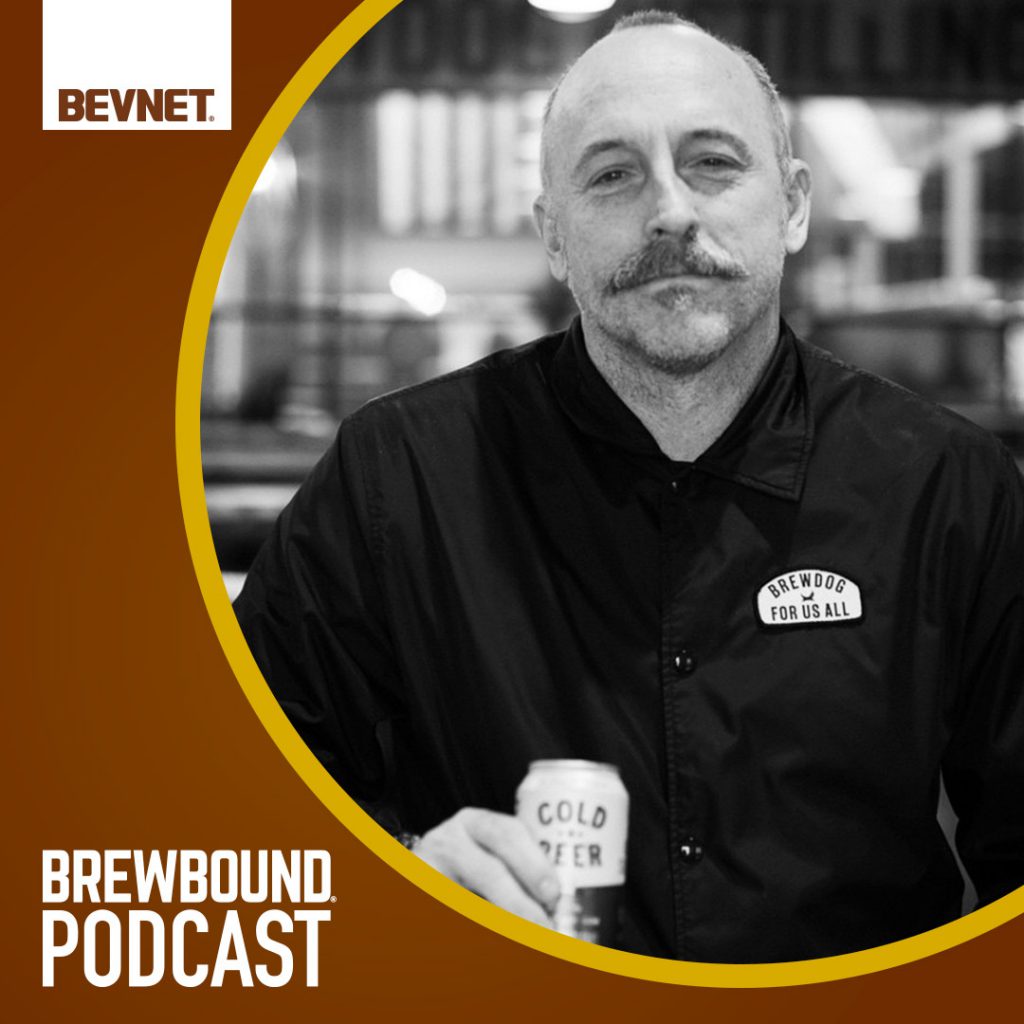
September 11, 202554 mins
BrewDog USA’s Eric Franco on Gaining Greater Autonomy and Getting Focused
Less has been more with BrewDog’s U.S. business over the last year and a half.
On the latest episode of the Brewbound Podcast, BrewDog USA chief sales and marketing officer Eric Teodoro Franco explains how the business has “done fewer things better,” leading with a focus on its core brands, which helped the brand increase volume 26% last year, to 89,084 barrels of beer, according to data from the Brewers Association (BA).
“We were very, very famous and very willing to be famous for throwing a lot against the wall and seeing what would stick for many, many years,” Franco shared. “We can do that in the U.K. where you have a 50-plus share and you can develop a lot of things and trial and try new things.
“In this market, we did that and it didn’t work. We’ve really taken our range plan, we’ve taken our focuses down to really doing fewer and better things.”
That’s led to improved wholesaler partnerships and led to a redeployment of BrewDog’s teams to better support its core markets, Franco said.
Additionally, BrewDog USA has been given the opportunity to run its operations with some autonomy from its homebase in Scotland as its U.S. leadership team has earned the trust of the global team.
“We’re running things the way we need to run them,” Franco said. “Same on the food side and on the retail side of our business.
“For many years, we were very much driven by what the U.K. or international bars looked like, and we would apply that narrative, if you will, or business plan to the U.S. bars. That’s gone away as well.”
Franco also discusses how the exits of founders James Watt and Martin Dickie have affected the U.S. business, how the company is approaching innovation and how the company has rethought both its distribution footprint and its taproom strategy.
Before the interview, Brewbound’s Justin Kendall, Jessica Infante and Zoe Lica break down the impending closure of 21st Amendment Brewery, the removal of a study from the dietary guidelines process and the challenges of making an alcoholic version of better-for-you soda. They also dig into TikTok trends and the latest grousing about Generation Z’s bar habits.
Listen here or on your preferred podcast platform.
Listen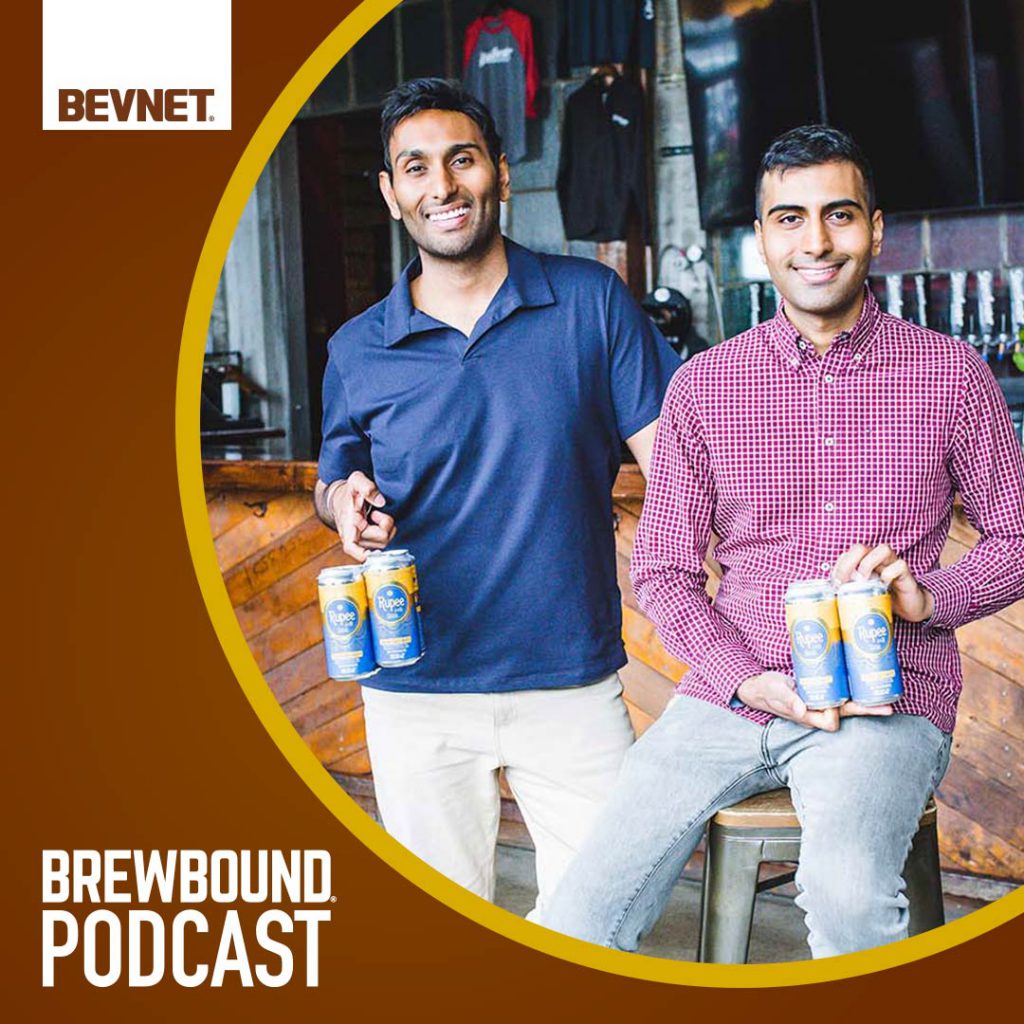
August 21, 202554 mins
Rupee Beer Poised for Indian Cuisine’s Breakout Moment
Rupee Beer founders Van and Sumit Sharma believe they’re ready to meet Indian cuisine’s moment.
On the latest edition of the Brewbound Podcast, the brothers share their journey of launching the Indian American beer brand during the COVID-19 pandemic as an add-on purchase at their family’s restaurant. Today, Rupee has expanded distribution to 18 states – most recently California – and the Sharmas are readying for an “explosion” of Indian restaurants entering the U.S market.
“We’re doing something that really directly ties it into the only story that we know, which is restaurants,” Van Sharma said. “That’s what we grew up in, more specifically, Indian restaurants.”
Rupee’s beer has found its way onto menus in Thai, Middle Eastern, Persian, Latin American and Caribbean restaurants.
“Anywhere global flavor, spice, those things hang out, that’s where we’re operating these days,” Van Sharma said. “Legacy brands out there definitely paved the way, but we’re doing something a little bit different, which also involves a little bit more of the local, craft American space as well.”
Although the Shamras built Rupee’s business primarily through the on-premise channel, they’re now getting the attention of national retailers and they’re leaning into their chain business.
Rupee is bringing new innovation to the Indian beer segment, which hasn’t seen an influx of new brands, Van Sharma added.
Later in the episode, the Sharmas discuss their strategy for engaging consumers and gaining their attention in retail stores, as well as their approach to building their distribution network and where they want to go next.
Plus, Justin, Jess and Zoe catch up on the latest headlines, including why it’s not time to panic despite the Gallup survey’s recent results on Americans drinking habits. They give a legal update on Uncle Nearest and the recipe agreement dispute between Schilling Cider and Incline. They also recap recent bev-alc experiences, from a growing dislike for black cherry flavors, to a sweaty trip to the Iowa State Fair.
Listen here or on your preferred podcast platform.
Listen
June 2, 20258 mins
The Future of Hops: New Varieties and Technologies from Clayton Hops
Brian Clayton, CEO of Clayton Hops, discusses the company’s growth to four farms in New Zealand and their innovative hop products. He highlights their Amplifire™ pellets and oil, which boost flavor and aroma, increase beer yields, and offer environmental benefits like a low carbon footprint due to direct oil extraction from wet hop cones. These products are ideal for cold-side applications and also work well in hop waters and non-alcoholic beers.
Clayton also shares their rapid processing of T90 hop pellets, achieving completion within seven days of harvest. The company is introducing new hop varieties in partnership with Plant & Food Research, with commercial availability expected in 2025, offering unique “kiwi” flavors for brewers. Despite a 10% US tariff, the favorable foreign exchange rate helps maintain affordability. He invites interested parties to learn more and order through their website, which includes an e-commerce platform for US customers.
About Clayton Hops:
We are New Zealand’s largest hop grower, producing flavourful aromatic hops that we process in our world-class hop processing, packaging and cool store facility. We supply our hop products to brewers around the globe.
We have an impressive innovation line up, with brewers in mind. This includes the Southern Hemisphere’s first and only cryogenic processing line to make concentrated hop pellets. We also produce concentrated fresh hop oil products here in New Zealand.
It’s not just products, there are new and exciting hop varieties that we are bringing to the market, thanks to our partnership with Plant & Food Research, our country’s leading hop breeder.
Clayton Hops has brought real scale, sophistication and innovation to the New Zealand hops industry, being key pillars to producing a reliable supply of premium quality hop products and continually improving environmental outcomes.
Listen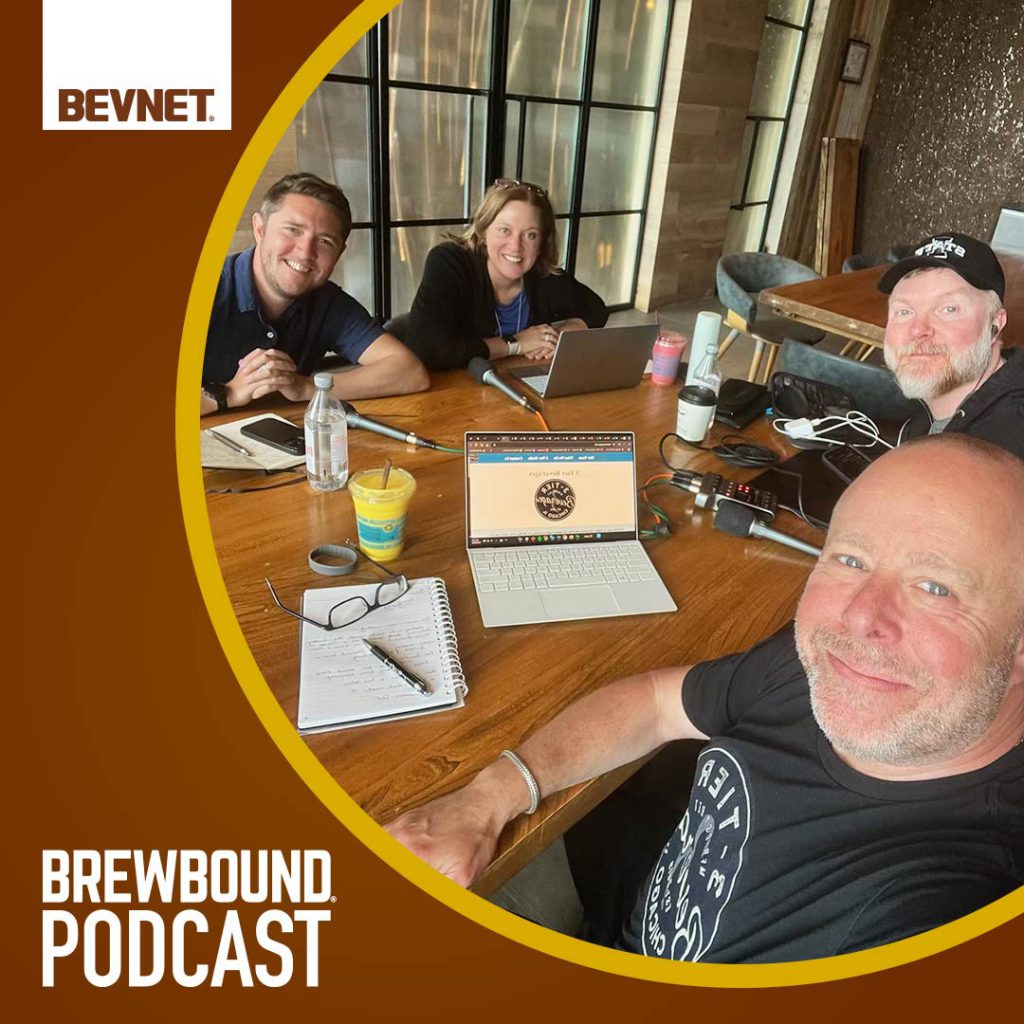
May 29, 202553 mins
Brewbound Podcast: 3 Tier Beverages on Key Bev-Alc Trends for Summer 2025
The team at 3 Tier Beverages breaks down hot trends in bev-alc heading into the summer selling season on the latest edition of the Brewbound Podcast.
3 Tier Beverages founder Donn Bichsel, consultant Danelle Kosmal and CGA VP Matthew Crompton share a complete look at trends in the off- and on-premise, including continued momentum for non-alcoholic beer, hard juice’s rocketing growth and the growing simplicity movement within craft.
“The biggest opportunity for this summer and within the next year is just engaging new consumers and creating new drinking occasions,” Kosmal said of NA beer.
Kosmal also covers why craft lagers are working, how flavored lagers such as lime are performing and what opportunities still exist in the space. Bichsel cautions craft brewers against playing the pricing game with mainstream lager brands.
“When most of your revenue is coming from 4-packs, 6-packs and you start playing in the 12-packs, 15s, 18s, 24s, I think you’re chasing a losing proposition,” he said. “You’ve got to be very careful or be prepared to have a high price and just give up some of your turns.”
Kosmal and Crompton explore why ABV and style remain among the key factors driving consumer purchases. They also cover the three pillars of innovation growth – NA beer, flavor and craft line extensions – and explain why flavor is leading the way within new products, led by AriZona’s Jumex Hard Nectar.
Before the conversation, Brewbound editor Justin Kendall and senior reporter Zoe Licata analyze 2024 craft brewery production data, which the Brewers Association released last week, including New Belgium leapfrogging Anheuser-Busch InBev’s craft portfolio, big losses for Boston Beer, big gains for Athletic Brewing and the regional craft breweries leveling up.
Listen here or on your preferred podcasting platform.
Listen