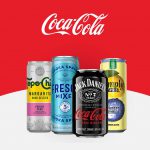
The Coca-Cola Company is taking another step into the beverage alcohol market, announcing today the launch of a global partnership with spirits conglomerate Pernod Ricard to introduce Absolut Vodka & Sprite as a ready-to-drink pre-mixed cocktail in 2024.
Industry members heard numerous calls for beer to fight against threats from spirits this week during the National Beer Wholesaler Association’s (NBWA) Annual Convention in Las Vegas.
The Consumer Price Index (CPI) for beer at home in September increased +4.7% year-over-year (YoY) and +0.4% compared to August, according to the U.S. Bureau of Labor Statistics.
Seattle-based Two Beers Brewing Co. will begin winding down operations after 16 years and close in the coming months, the company announced Wednesday evening.
Monster Energy is “all-in on alcohol” and “thinks it could be big for them by 2025,” according to Goldman Sachs equity analyst Bonnie Herzog’s report from the National Association of Convenience Stores (NACS) trade show. The energy drink maker, which entered beverage-alcohol with the acquisition of CANarchy in January 2022, displayed its forthcoming hard tea, Nasty Beast Hardcore Tea during the show, Herzog wrote.
Co-founder and CEO Colin Schilling, CCO Eric Phillips and EVP of marketing Rachel Thomas join the Brewbound team to discuss the cidery’s participation in National Cider Month, as well as its debut at the Great American Beer Festival and a retail activation with Whole Foods.
Domestic tax paid shipments from U.S. breweries continued their six-month streak of declines, with a -5.1% dip in August 2023 compared to August 2022, the Beer Institute (BI) reported, citing numbers from the Alcohol and Tobacco Tax and Trade Bureau (TTB).
Incoming National Beer Wholesalers Association (NBWA) chairman Jim Fabianao II stressed that distributors “must control our own destiny,” in his first speech during Tuesday’s Annual Convention general session in Las Vegas.
Many of the conversations on stage this week at the National Beer Wholesaler Association’s Annual Convention made some mention of Anheuser-Busch InBev’s (A-B) sales declines and the impact on beer distributors.
From Generation Z to the silver tsunami, keeping up with consumers and their rapidly changing drinking habits isn’t easy. The 2023 Brewbound Live business conference (December 6 + 7 in Marina del Rey) will try to break the mystique with a presentation by NIQ beverage alcohol vertical director of thought leadership Kaleigh Theriault and 3 Tier Beverages analytics and client success consultant Stephanie Roatis.
This year has been “nothing short of tumultuous” for the beer industry, National Beer Wholesaler Association (NBWA) outgoing chairman Gordon Green said during Monday’s general session at the trade organization’s Annual Convention in Las Vegas.
After 35 years in business in downtown San Diego, Karl Strauss Brewing finally owns the keys to its original brewpub. The company closed on its brewery at Columbia and B streets on October 1, it announced yesterday.
The health of the beer category is the top concern across all distributor networks “by a significant margin,” per a biannual survey conducted by the National Beer Wholesalers Association (NBWA), president and CEO Craig Purser shared in his remarks during the opening General Session of the trade group’s 2023 Annual Convention.
The Coca-Cola Company is “not here to crash [beer distributors’] party,” Dan White, Coca-Cola, North America chief of new revenue streams, said in a fireside chat with National Beer Wholesaler Association (NBWA) president and CEO Craig Purser Monday during the NBWA’s annual convention.