
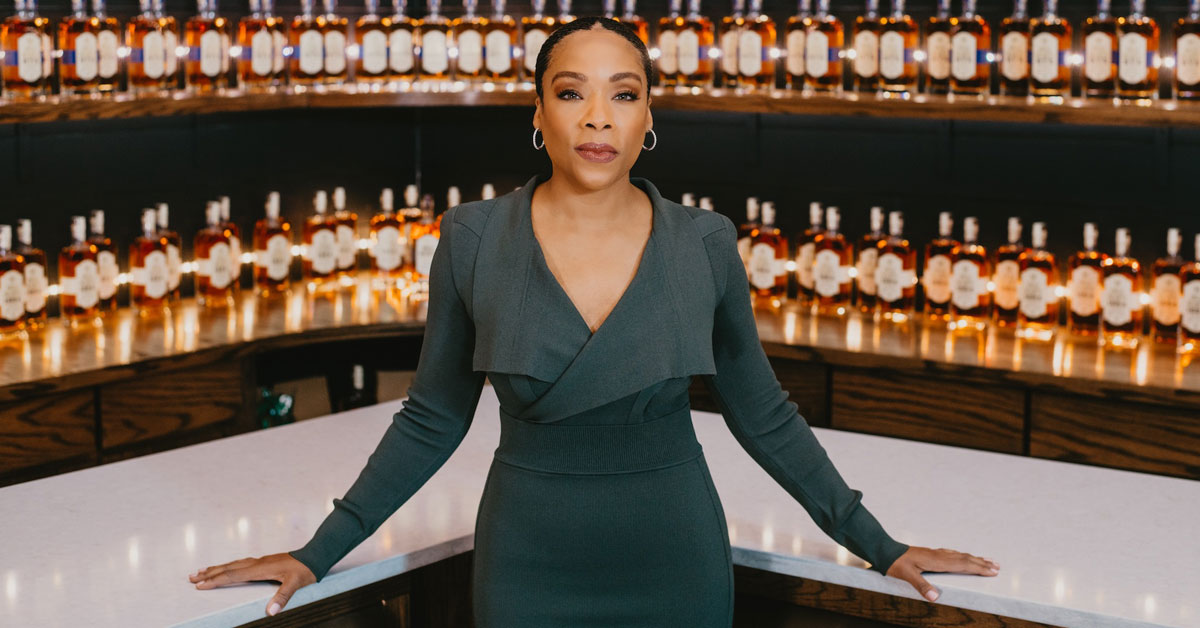
One of the most prominent voices in spirits is at the center of a new lawsuit with control of a storied Tennessee distillery on the line.
Farm Credit Mid-America, a primary agricultural lender, is seeking the emergency appointment of a receiver to take control of operations at Nearest Green Distillery – the business founded by Uncle Nearest CEO Fawn Weaver, according to a complaint filed Monday in the U.S. District Court for the Eastern District of Tennessee in Chattanooga.
The lender alleges that the whiskey company has failed to meet its financial obligations for more than a year, resulting in debts totaling an estimated $100 million. The complaint claims Uncle Nearest significantly misused multiple loan funds in several ways, and names the business itself, Uncle Nearest, Inc., Nearest Green Distillery, Uncle Nearest Real Estate Holdings, as well as Fawn and partner Keith Weaver.
As a result, Farm Credit Mid-America is requesting that the court immediately remove leadership from control during the proceedings and install a “reputable turnaround firm at the helm of Uncle Nearest and determine whether there is a path forward to a profitable business.”
Uncle Nearest has yet to legally respond, but in a phone call to BevNET co-founder Keith Weaver said that case seems a deliberate effort to malign the husband and wife team, and that there are “an enormous number of factual inaccuracies in the complaint.” He added that radical transparency is a core principle of Uncle Nearest.
Founded by Weaver in 2016, Uncle Nearest is the country’s largest Black-owned distillery and one of the fastest-growing whiskey companies in history. The brand pays tribute to Nathan “Nearest” Green, an enslaved whiskey distiller who taught the craft to Jack Daniel.
In October 2023, Uncle Nearest became an acquirer with the purchase of Domaine Saint Martin, a historic Cognac property, and continued by purchasing Square One Organic Spirits in May 2024. Forbes valued Uncle Nearest at $1.1 billion in 2024, with Weaver’s ownership stake at the time giving her a net worth of $470 million.
Weaver has also threaded mentorship into her rise: the spirits company created an initiative with Jack Daniel’s Tennessee Whiskey to increase leadership diversity in whiskey, as well as the annual Spirits on The Rise conference. The Uncle Nearest Venture Fund was also set up to invest in minority-owned brands.
Now, the complaint threatens to fracture one of the spirit industry’s most celebrated stories of representation.
Farm Credit Mid-America is a financial services cooperative and a member of the Farm Credit System– a national network of lending institutions owned by borrowers – specializing in agricultural lending and financial services for farmers, rural residents, and agribusinesses.
The lender alleges Uncle Nearest failed to pay interest and principal payments, among other accusations:
- Purchased a $2.2 million Martha’s Vineyard home through a non-loan party and mortgaged that property to another lender.
- Sold barrels of whiskey – which were collateral – for cash to pay other parties.
- Sold millions in future revenue streams at a discount to at least four parties without informing the lender (reducing the value of Farm Credit’s collateral).
- Overstated the value of its inventory in borrowing base reports, inflating its loan eligibility and avoiding required repayments.
- Failed to maintain required financial conditions under loan terms, including a minimum net income of $1 at the end of each calendar month and a net worth of $100 million during 2024.
The complaint details the parties’ attempts to reconcile the debt and restructure, but argues that ultimately Uncle Nearest leadership was unable to provide reliable financial information and “continued its pattern of delay and obfuscation.”
“Given the lack of any reliable financial information and uncertainty with respect to any verifiable source of capital to keep Uncle Nearest maintaining business operations, a receiver is necessary to take over managerial control of Uncle Nearest,” reads the case.
But the numerous “inaccuracies” outlined in the case include “payments to the bank and suggestive allegations that we use corporate resources for personal benefit,” Keith Weaver told BevNET.
In reference to the house on Martha’s Vineyard, the company worked with the bank in coordination on that purchase, said Weaver.
“So they were very well aware, and leadership from the bank has visited the property, and this is all substantiated,” he said. “We’re a little disappointed at the level of bad faith on the bank’s part to go so far as to malign the company, but even further, to malign me and my wife personally. It seems deliberate.”
A public and legal response is forthcoming, he added.
The initial hearing on the receivership request is scheduled for August 7.
A post on Weaver’s Instagram account may have offered her first sign of rebuttal.
“When you’re in the midst of high stakes negotiations, sometimes one of the best things you can do is let the other side play their hand first, then you see their hand, and when you respond, it’s a doozy. Stay tuned. Don’t blink,” she said.
The post read, “when you pay $7.5 million in advance and offer another $71 million cash – and they decide a deceptive smear campaign may get you to raise your price…Clearly, they’ve never met #ThePeoplesCEO. Countdown to the response. Hold on to your hats for this one!”
The post continued, “Love y’all! And how do I feel at this moment, you ask? Truly outstanding! BUILT for such a time as this.”