
Search across the BevNET CPG Media network including BevNET, Nosh, Brewbound, Taste Radio, Nombase and CPG Jobs.
Beer Is Art: A Documentary Film on American IPA and Birria in South Africa
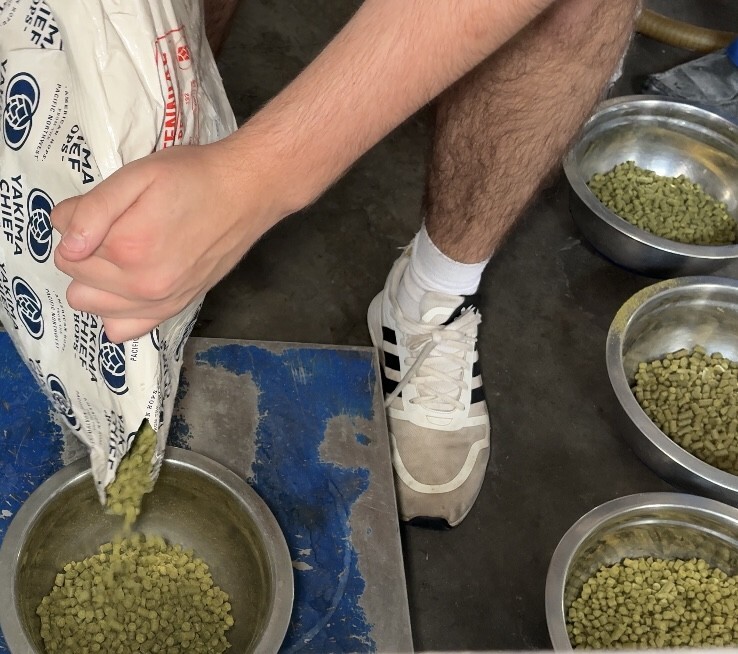
There is something quietly romantic about an India Pale Ale. Pale in colour, bold in spirit, and restless by nature, the IPA has always been a beer shaped by distance, endurance, and reinvention. It is a beer born of travel, made stronger not for excess but for survival, and refined over centuries by curiosity and intent.
In South Africa, that same curiosity led us to brew an American-style India Pale Ale—one that respects history while embracing modern expression. Our documentary follows this journey from grain to glass, not only exploring how an IPA is brewed, but why it still matters. And more importantly, how it can live at the table in unexpected ways.
Traditionally, IPAs are paired with strong, spicy foods—classic curries, bold sauces, and dishes that demand bitterness and carbonation to cut through richness. They are also known to work beautifully with sweet, spiced desserts like carrot cake or ginger spice cake, and even with milder blue cheeses such as Gorgonzola or Cambozola. Convention would suggest that rich lamb birria belongs with something darker, perhaps a stout. But beer, like food, is not governed by rigid rules.
Nothing is set in stone—especially when the explanation is honest.
Brewing the American IPA in South Africa
In any brewer's portfolio, the IPA sits just beyond the pale ale: a little paler, a little stronger, and unmistakably more bitter. The line between the two is often hazy. What defines an IPA is not intensity alone, but intent—a deliberate lean toward hops, dryness, and aromatic expression.
Historically, India Pale Ale evolved in the late 18th century from October ales shipped from Britain to India, most famously by George Hodgson around 1780. By the 1830s, brewers in Burton-on-Trent refined the style further, using their mineral-rich water to sharpen bitterness and dryness, setting the foundation for what IPA would become.
Modern American IPAs echo that legacy while pushing it forward. They are louder, more aromatic, and unapologetically hop-driven, showcasing pine, grapefruit, citrus, and tropical fruit notes. The malt provides structure and quiet sweetness, but the hops lead the conversation.
In our South African brew, attenuation was key. The beer finishes crisp and dry, allowing bitterness to snap cleanly across the palate, refreshing even as it challenges. Much of that character comes from the hops themselves.
Columbus hops bring a pungent, old-school American bitterness—resinous, earthy, and sharp, with notes of grapefruit rind, black pepper, and pine sap. Mosaic hops layer complexity: blueberry, mango, passionfruit, citrus zest, and stone fruit, creating aroma that feels almost kaleidoscopic. Cascade offers familiarity—grapefruit peel, lemon, soft florals, and gentle pine—while Amarillo adds warmth with sweet orange and tangerine notes. Centennial ties everything together, balancing citrus brightness with clean bitterness.
The result is an IPA that is assertive yet balanced, bitter yet refreshing—designed not just to be tasted, but to cleanse.
From Brewery to Culinary School
Obakeng, founder of Beer Is Art, was present at both ends of this journey. She stood in the brewery as the IPA was brewed, tasting the hops, smelling the grains, and understanding the beer at its rawest stage. Later, she stepped into a culinary school kitchen, where the same attention was given to food—starting from scratch, building flavour layer by layer.
The dish was ambitious: lamb birria with green mole, spiced corn ribs, pickled onions, and freshly made tortilla chips. At first glance, it seems indulgent, rich, and heavy—everything you are told not to pair with an IPA. But observation changes everything.
Cooking the Dish: Layer by Layer
The birria begins with lamb, seasoned simply with salt and pepper. In a heavy pot or Dutch oven, oil is heated until shimmering, and the meat is seared on all sides. This step is not rushed. Browning builds depth, creating the savoury foundation that will carry the dish.
In a separate pot, dried chillies, bell peppers, fresh chillies, tomatoes, onion, cinnamon stick, bay leaves, and peppercorns are covered with water and brought to a boil. After ten minutes of simmering, the softened ingredients are lifted out and blended with chile-soaked water, beef stock, vinegar, garlic, cumin, oregano, and cloves. The result is a smooth, deeply aromatic sauce.
This sauce is strained back over the seared lamb, discarding the solids, and brought to a gentle boil before settling into a long, slow simmer—three to three and a half hours—until the meat collapses at the touch. Once tender, the lamb is shredded and returned to the consommé, intensifying flavour and richness.
Alongside it, a green mole takes shape. Pumpkin seeds are toasted in a dry skillet until golden and popping, then ground into a fine paste. They are blended with tomatillos, stock, onion, jalapeños, coriander, dill, oregano, lettuce, and garlic. The puree is cooked slowly in oil until thick and concentrated, then loosened with stock and simmered into a sauce that is herbal, nutty, and vibrant.
Corn is cut lengthwise into ribs, then braaied over high heat or roasted in a hot oven until charred. While still warm, the corn is tossed in spices, clinging to the ridges created by the knife. Pickled onions are sliced thin and submerged in vinegar, salt, sugar, pepper, and bay leaf, left to soften and sharpen for at least an hour.
Tortillas are mixed by hand—flour, salt, and hot water kneaded into a dough, rolled thin, dry-fried until blistered, then cut and deep-fried into crisp, golden chips.
Every element is intentional. Every texture matters.
Why the Pairing Works
Based on her observations—from brewing the beer to cooking the dish—Obakeng confirms that an American IPA can be paired with lamb birria and green mole, for two key reasons.
First, fat is a flavour. Lamb is rich and fatty, and that richness coats the palate. Second, carbonation cleanses. The bubbles formed by carbonation quite literally scrub the palate, lifting fat and resetting the taste buds. Alcohol also increases the solubility of certain flavour compounds, enhancing perception while rinsing the mouth clean.
The IPA's bitterness cuts through the lamb, its dryness sharpens the herbal mole, and its citrus-forward hops echo the acidity of pickled onions and tomatillos. Each sip prepares the palate for the next bite.
What was once considered unconventional becomes intuitive.
Beyond Rules
Despite suggested pairings that lean toward spice, sweetness, or cheese, the IPA proves itself versatile. Strong curries, bold desserts like caramel apple tart or ginger spice cake, milder blue cheeses, and even slow-cooked lamb all find balance when bitterness, carbonation, and aroma are understood rather than feared.
Ultimately, an IPA is simply a paler, stronger, hoppier version of a pale ale—but that simplicity hides depth. It is a beer born of necessity, refined by geography, and endlessly reinterpreted by creativity.
From historic voyages to South African brewhouses, from breweries to culinary schools, the IPA continues to travel well—across oceans, across cultures, and across plates.

Stay Informed, Stay Competitive
Unlock the articles, expert interviews, and data reports that power the beer and beyond industry. Join our community and stay ahead with exclusive insights from Brewbound.