
Brewbound Podcast
The Brewbound Podcast is an extension of Brewbound's leading B2B beer industry reporting, featuring interviews with beer industry executives and entrepreneurs, along with highlights and commentary from the weekly news. New episodes are released every week. Subscribe on Apple Podcasts or your streaming platform of choice.
Podcasts
January 14, 202151 mins
Brewbound Podcast: Changing American Drinkers
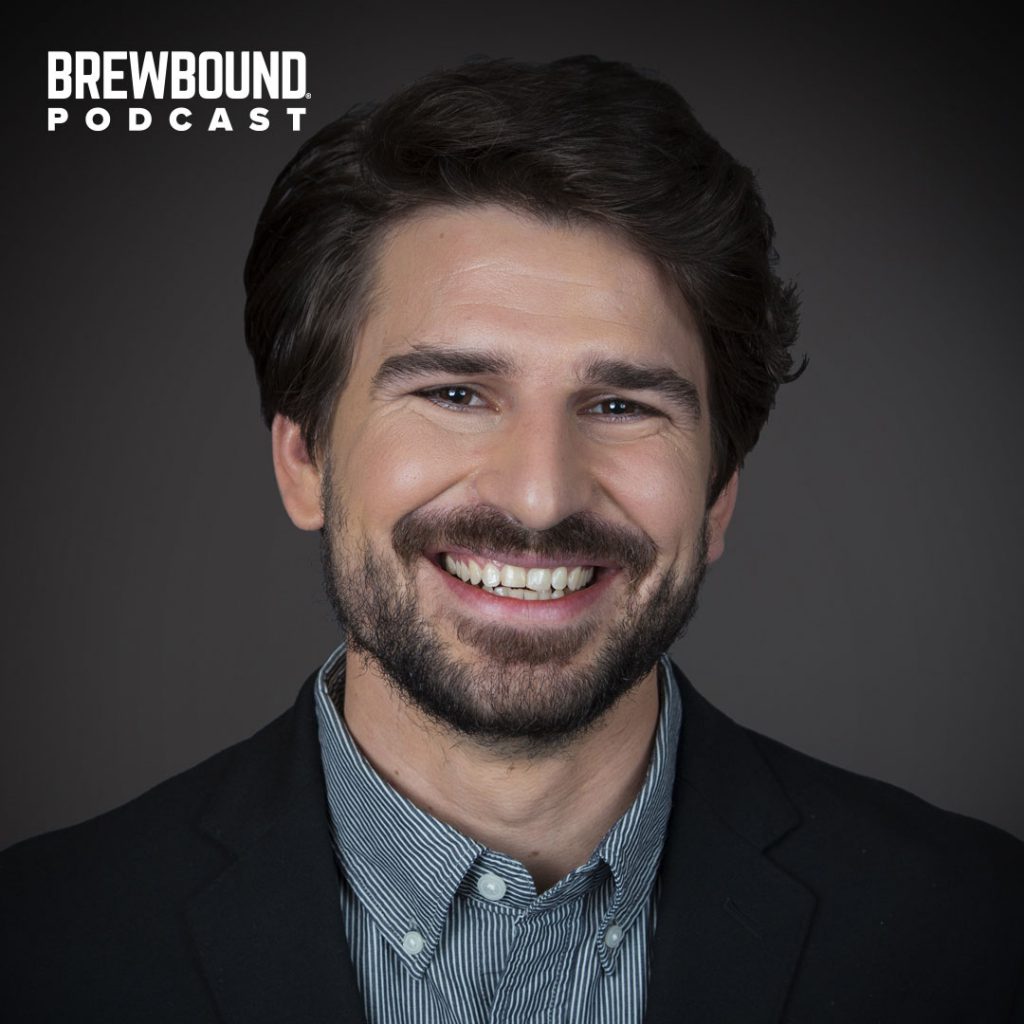
Rabobank beverage analyst Bourcard Nesin joins the Brewbound Podcast to discuss his new report that details how drinker demographics are changing and how beverage companies can welcome these new consumers, who are more female, more diverse and older.
“There’s really these seismic shifts at the consumer level,” Nesin said. “The changes are particularly among the consumer groups that alcohol companies have either ignored or actively avoided in some cases in the most terrible way.
“A lot of it has to do with economic empowerment, and a lot of it has to do with shifting cultural norms,” he continued.
In 2019, women accounted for 50.1% of alcoholic beverage drinkers younger than 25, surpassing men for the first time ever. Since 2004, the number of women of color regularly consuming alcoholic beverages has increased 84%. People of color represented 31% of alcohol consumers in 2019, increasing 8% over the past decade and a half.
Nesin shares insights gleaned during interviews with executives at beverage alcohol companies and discusses the evolution of beer marketing.
The Brewbound team and Nesin also discuss the Capitol Hill riot and its implications for the beer industry, including how the largest beer manufacturers and trade organizations are approaching future political contributions.
Other topics covered include Jim Beam’s new campaign to recruit beer drinkers, the Brewers Association’s decision to move Craft Brewers Conference to Denver in September, FIFCO USA shuttering of Portland Brewing Company after 34 years and Molson Coors’ partnership with Dwayne ‘The Rock’ Johnson to launch a new energy drink.
Listen to the episode above, or find it on popular platforms such as iTunes, Google Play, Stitcher and Spotify.
New episodes of the Brewbound Podcast are published every other Thursday.
Email [email protected] with questions, comments or suggestions for future shows and guests.
Listen
January 7, 202136 mins
Brewbound Podcast: A New Year
This week’s edition of the Brewbound Podcast looks back at headlines from late December 2020 and the start of the new year.
The Brewbound Team discuss the federal government making the excise tax cuts permanent; the U.S. Departments of Agriculture and Health and Human Services maintaining the daily servings of alcohol at two drinkers per day for men; the Sheehan family lawsuit; and Brewers Association chief economist Bart Watson’s 2020 recap.
Listen to the episode above, or find it on popular platforms such as iTunes, Google Play, Stitcher and Spotify.
New episodes of the Brewbound Podcast are published every other Thursday.
Email [email protected] with questions, comments or suggestions for future shows and guests.
Editor’s Note: This podcast was recorded days before the attempted insurrection at the U.S. Capitol on Wednesday.
ListenDecember 3, 202025 mins
Brewbound Podcast: The Brewbound Live Schedule Reveal
With the annual Brewbound Live business conference less than two weeks away, the Brewbound team shares the schedule for the two-day event during the latest edition of the Brewbound Podcast.
Brewbound Live on December 14 and 15 will feature discussions from New Belgium CEO Steve Fechheimer, Denizens Brewing co-founder Julie Verratti and market research firm Nielsen and Nielsen CGA, as well as panel discussions with leaders from retailers (goPuff, Walgreens), emerging beverage companies (Five Drinks, Lone River Beverage Company, Cann, Future Proof) and more.
The conference will also delve into mental health issues in the beer industry, with psychiatrists and authors Carlin Barnes and Marketa Wills, and Allagash Brewing HR director Celine Frueh and Hidden Springs Ale Works co-owner and psychotherapist Jacqueline Warner Garman.
Day One will wrap with a happy hour and networking opportunity with industry leaders, including Tomme Arthur (the Lost Abbey, Port Brewing, The Hop Concept, Tiny Bubbles), Sinead Carey (Wine Warehouse), Dharma Tamm (Rogue Ales & Spirits), Donn Bichsel Jr. (3 Tier Beverages) and more.
The conference will wrap up December 15 with a toast, featuring business leaders who have made a difference in 2020, including Allagash founder Rob Tod, Crowns & Hops founders Benny Ashburn and Teo Hunter, Border X and Mujeres Brew House founders David and Carmen Favela, Brewability founder Tiffany Fixter and Beer Kulture president and CEO Latiesha Cook.
Brewbound Live is free for subscribers to Brewbound.com.
Also on this post-Thanksgiving episode of the podcast, the Brewbound team discusses Thanksgiving eve trends and the latest headlines.
Listen to the episode above, or find it on popular platforms such as iTunes, Google Play, Stitcher and Spotify.
New episodes of the Brewbound Podcast are published every other Thursday.
Email [email protected] with questions, comments or suggestions for future shows and guests.
Listen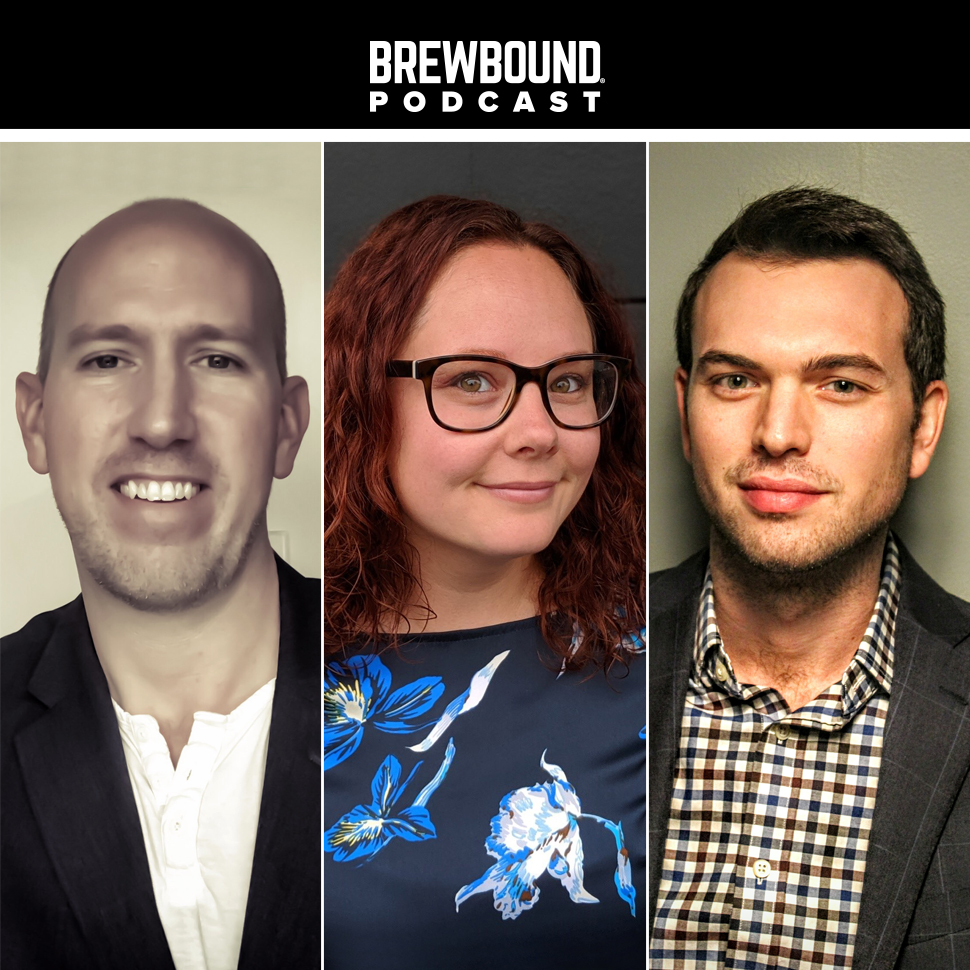
November 19, 202057 mins
Brewbound Podcast: A Canadian Cannabis Company Swallows Sweetwater
In early November, Canadian cannabis company Aphria struck a $300 million deal to acquire Atlanta’s Sweetwater Brewing Company — the maker of the 420 Extra Pale Ale brand and other cannabis-themed products.
This week’s edition of the Brewbound Podcast discusses the opportunities and challenges ahead for the combined company, the size of the cannabeer market and more with:
Liz Connors, director of analytics for Headset, a firm that tracks cannabis data and analytics;
Rick Maturo, associate director of client services for the cannabis practice at Nielsen;
And Sean McNulty, host of the Selling Craft Beer podcast.
McNulty and the Brewbound team also discuss growing e-commerce player goPuff’s deal to acquire BevMo, Tree House branching out in Massachusetts, Mark Anthony investing in another production facility to make White Claw, Diageo recalling Guinness 0.0 and more.
Listen to the episode above, or find it on popular platforms such as iTunes, Google Play, Stitcher and Spotify.
New episodes of the Brewbound Podcast are published every other Thursday.
Email [email protected] with questions, comments or suggestions for future shows and guests.
Listen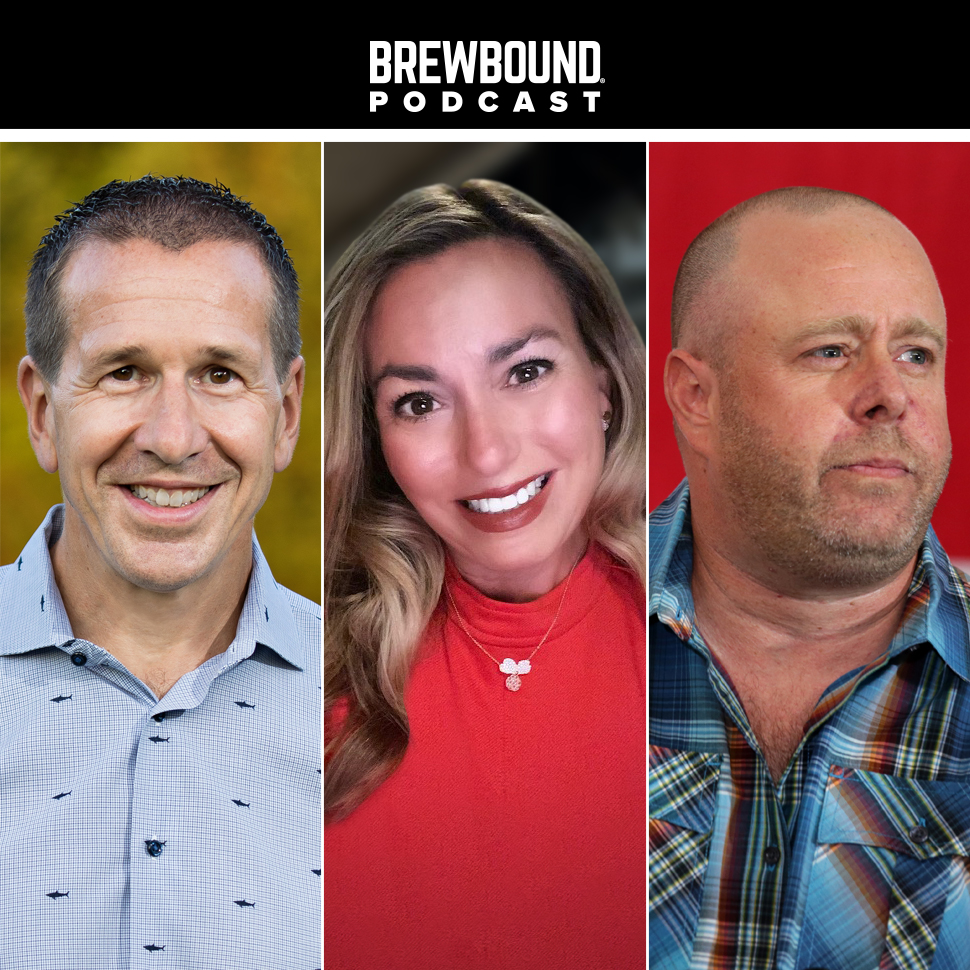
October 22, 202051 mins
Brewbound Podcast: The Middle Tier, It’s Shrinking
The wholesaler landscape has been shaken up in several states, as industry giants Reyes and Anheuser-Busch continue to merge, acquire and swap wholesaler businesses and distribution rights in major markets such as Chicago, California, and Indiana.
This week’s edition of the Brewbound Podcast brings together industry experts to share their perspectives on what it means for smaller craft breweries and if there’s an end in sight to the disruptions.
Joining this week’s panel are:
Marc Sorini, general counsel for national trade group the Brewers Association
Kimberly Clements, co-founder and managing partner of Pints LLC, a beverage advisory firm based in Tucson, Arizona;
And Donn Bichsel, the founder of 3 Tier Beverages, a consulting firm based in Chicago.
The panel weighs in on the ramifications of Reyes’ acquisition of 16.1 million cases from Monarch Beverages, merger of Windy City and Chicago Beverage Systems and other moves in California. Additionally, they weigh in on think tank pieces calling for the end of the three-tier distribution system, the role of independent wholesalers, and ways the distribution system could be evolved to better meet market demand.
Listen to the episode above, or find it on popular platforms such as iTunes, Google Play, Stitcher and Spotify.
New episodes of the Brewbound Podcast are published every other Thursday.
Email [email protected] with questions, comments or suggestions for future shows and guests.
Listen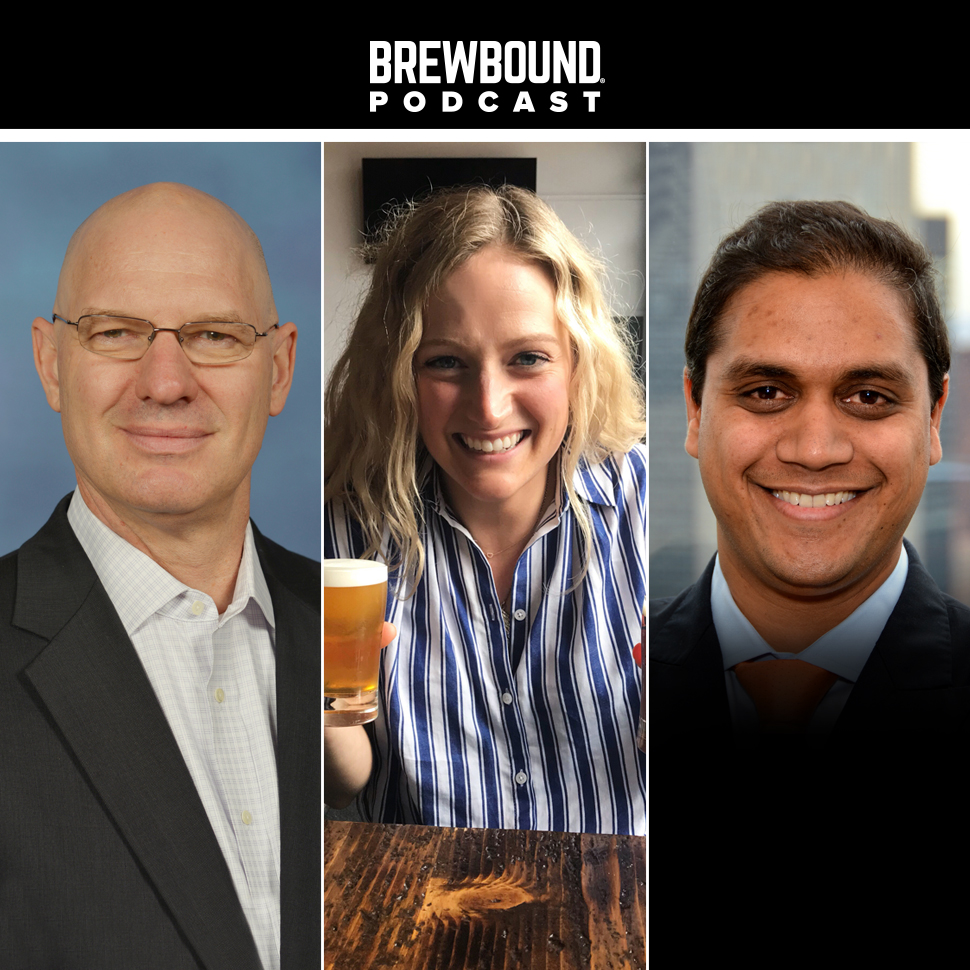
October 8, 202040 mins
Brewbound Podcast: Hard Seltzer, It’s Just Another Word for Innovation
Large beer and CPG companies are trading on the equity of their top brands to try to get a piece of the $3.49 billion hard seltzer segment.
The latest edition of the Brewbound Podcast brings together industry experts to discuss new introductions from Anheuser-Busch InBev (Michelob Ultra Organic Seltzer, Bud Light Lemonade Seltzer), Mark Anthony Brands (Mike’s Hard Lemonade Seltzer), and New Belgium (Fruit Smash), as well as Molson Coors’ partnership with Coca-Cola on Topo Chico Hard Seltzer.
This week’s panel features:
Lester Jones, chief economist of the National Beer Wholesalers Association (NBWA);
Lisa Derus, communications consultant and certified Cicerone;
And Kaumil Gajrawala, managing director of equity research at Credit Suisse.
The panel shares their thoughts on if these products can be incremental to existing products, potential for cannibalization and how regional players can gain a foothold in the segment.
Additionally, the panel discusses the completion of Anheuser-Busch’s acquisition of Craft Brew Alliance and what it means for the world’s largest beer manufacturer’s 23 craft beer brands, the NBWA’s 83rd Annual Convention, the shortage of aluminum cans and Molson Coors’ flurry of partnerships.
Listen to the episode above, or find it on popular platforms such as iTunes, Google Play, Stitcher and Spotify.
New episodes of the Brewbound Podcast are published every other Thursday.
Email [email protected] with questions, comments or suggestions for future shows and guests.
Listen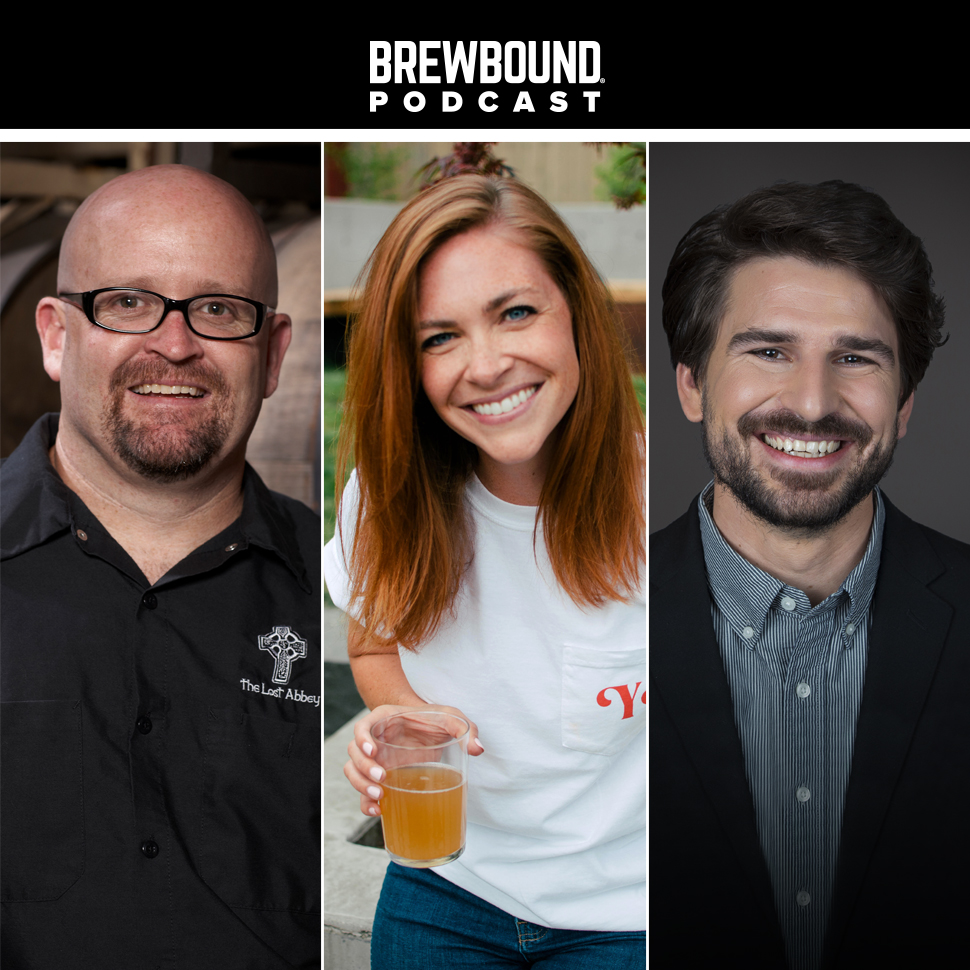
September 24, 202043 mins
The First Episode of the Rebooted Brewbound Podcast is Available Now
The Brewbound Podcast is back.
After taking a hiatus from new episodes during the COVID-19 pandemic, the Brewbound Podcast returns with a new format, moving away from how-I-built-this-style interviews to bring you fresh takes and context on the latest news stories from executives, entrepreneurs and experts.
In our first roundtable discussion, Brewbound editor Justin Kendall and reporter Jess Infante are joined by:
Tomme Arthur, the co-founder of the Lost Abbey, the Hop Concept, Port Brewing and now Tiny Bubbles in San Diego;
Caitlin Braam, founder of Yonder Cider and co-founder of the Source Cider in Seattle;
And Bourcard Nesin, a beverage analyst at Rabobank and the co-host of the Liquid Assets podcast.
On this week’s episode, the crew discusses the joint venture between Yuengling and Molson Coors; the U.S. Department of Justice approving Anheuser-Busch InBev’s acquisition of Craft Brew Alliance; a bleak report on the state of the industry due to the COVID-19 pandemic; and the reality of e-commerce sales trends.
Listen to the first episode of the revamped Brewbound Podcast above, or find it on popular platforms such as iTunes, Google Play, Stitcher and Spotify.
New episodes of the Brewbound Podcast are published every other Thursday.
Email [email protected] with questions, comments or suggestions.
Listen