
Search across the BevNET CPG Media network including BevNET, Nosh, Brewbound, Taste Radio, Nombase and CPG Jobs.
Brewbound Podcast
The Brewbound Podcast is an extension of Brewbound's leading B2B beer industry reporting, featuring interviews with beer industry executives and entrepreneurs, along with highlights and commentary from the weekly news. New episodes are released every week. Subscribe on Apple Podcasts or your streaming platform of choice.
Podcasts

December 17, 202157 mins
Brewbound Podcast: Bev Alc Predictions for 2022
On one of the final Brewbound podcasts of 2021, Jeff Carroll, general manager of Avalara for Beverage Alcohol, joins the Brewbound team to discuss his predictions for 2022, from e-commerce growth and evolution to state DTC shipping changes (or lack thereof).
Carroll predicts continued growth in the e-commerce channel as online shopping for alcohol becomes more normalized across generations of 21+ adults. In particular, marketplaces such as Drizly and Instacart that connect consumers to licensed retailers will continue to expand their reach.
“Not only do you see the spikes in volume and sales, but you also see the spikes in investment – Drizly being one of the the recipients – but there’s been billions of dollars that have poured into some of these companies,” Carroll said.
More than half (54%) of online alcohol shoppers in the U.S. made their first purchase during the pandemic, Carroll said, citing drinks research firm IWSR.
“That tells me that the attitudes and behaviors are changing, and there’s new buyers out there to be had,” he said.
The team also runs down recent beer news, and shares an exciting Brewbound team announcement!
Listen to the episode above and on popular platforms such as iTunes, Google Play, Stitcher and Spotify.
New episodes of the Brewbound Podcast are published about every week.
Email [email protected] with questions and feedback.
Listen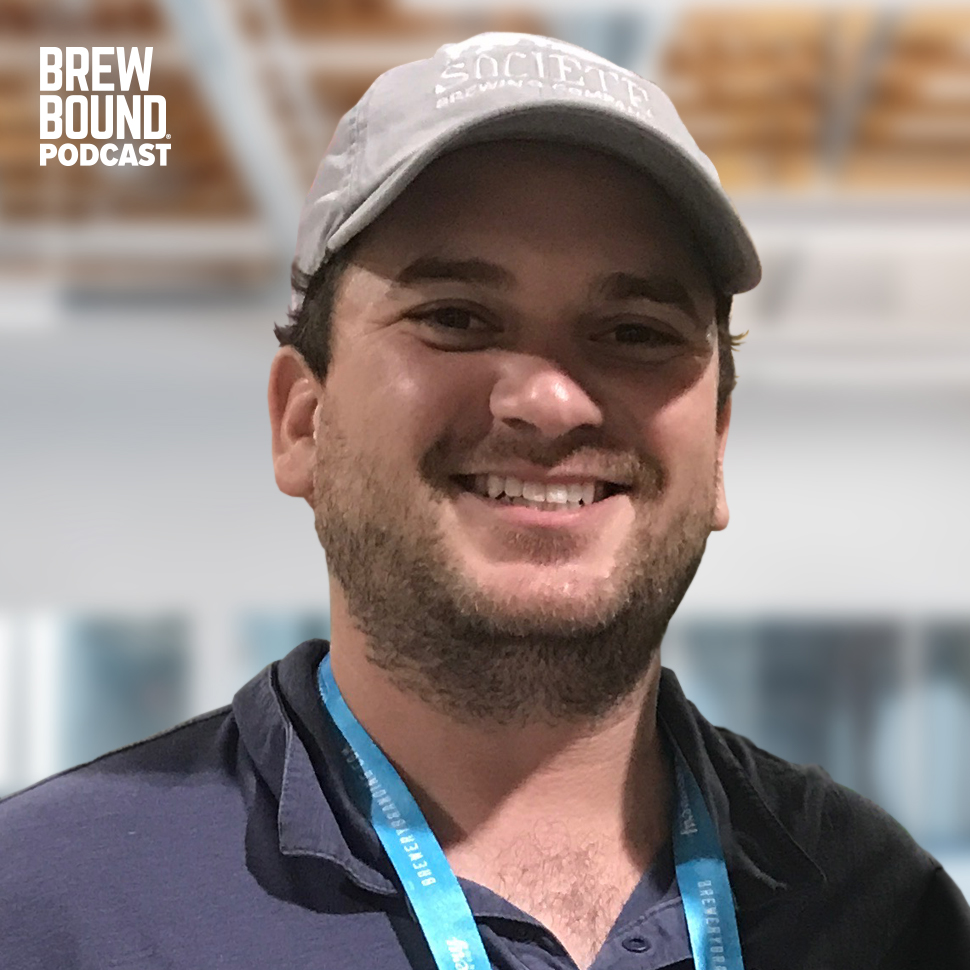
October 17, 201941 mins
Brewbound Podcast S2 E1: Societe Brewing’s Douglas Constantiner on His Entrepreneurial Journey and Organizational Changes
2019 has been a transformational year for San Diego’s fast-rising Societe Brewing.
Long available only on draft via its own taproom and self-distribution, Societe, which started in 2012, signed with upstart San Diego wholesaler Scout Distribution in May. Starting sometime next year, the company plans to release cans of its popular offerings, including The Pupil IPA.
But those weren’t the only changes at Societe, as co-founder Travis Smith departed the company earlier this year.
Societe co-founder and CEO Douglas Constantiner discusses those changes with editor Justin Kendall on this week’s edition of the Brewbound Podcast.
“San Diegans want The Pupil in a can so they can take it home,” Constantiner said in the first episode of season two of the Brewbound Podcast, which was recorded during the California Craft Brewers Association’s annual Beer Summit in Long Beach this past September. “We’re doing a disservice to our own citizens to make it draft only.”
Constantiner also shared the difficulties of going through a “brewery divorce,” how the company has moved forward and what it’s like to “fail and die or succeed” based on his decisions.
“I like the risk,” he admitted.
Constantiner also shared his personal journey from investment banking to craft brewing. Listen to Episode 1 of the Brewbound Podcast’s second season above, as well as on iTunes, Google Play, Stitcher, Spotify, and Soundcloud. New episodes of the Brewbound Podcast are published Thursdays.
For questions, comments or suggestions, please email [email protected].
Listen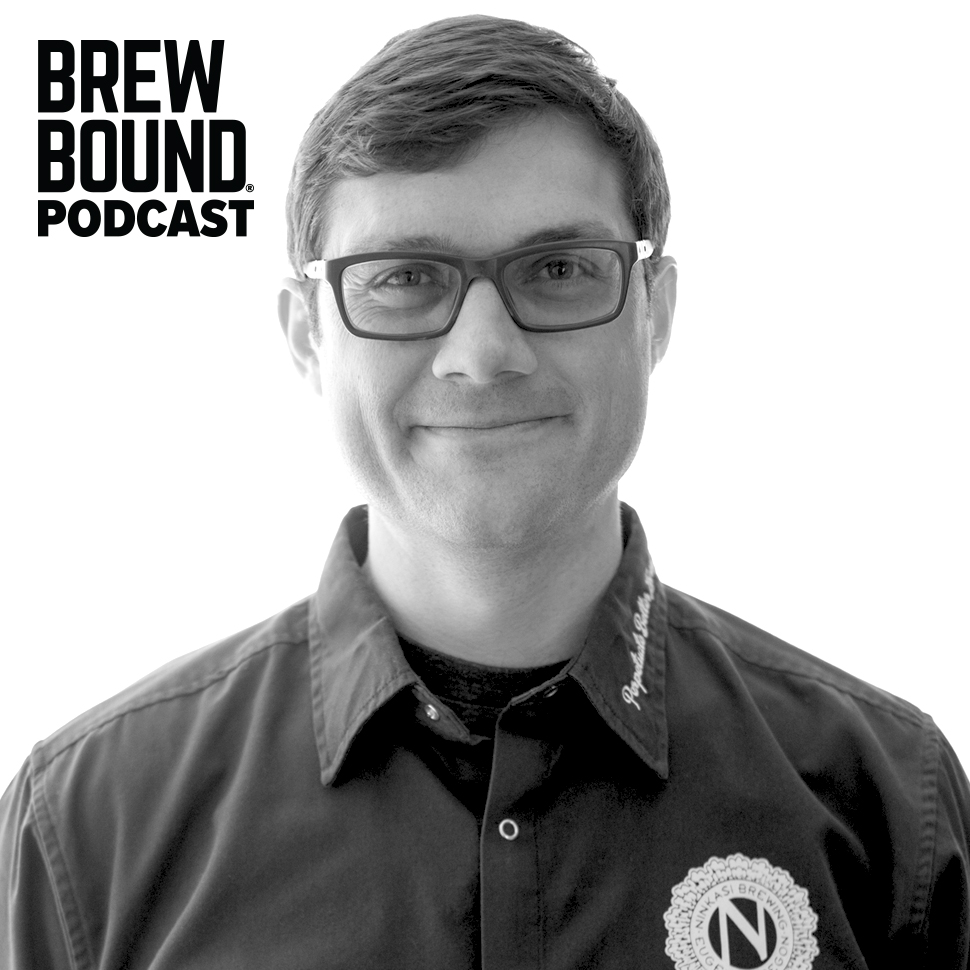
May 2, 20191 hr 21 mins
Brewbound Podcast Episode 34: Nikos Ridge on Acquisitions, Debt Management and the Future of Craft
Although Oregon’s Ninkasi Brewing has scaled production to about 100,000 barrels annually over the last 13 years, the company’s growth and expansion strategy has remained rather modest compared to some other U.S. craft breweries.
It never chased a national distribution footprint. It never attempted to build a brewery on the opposite coast. And it never took on too much debt to grow.
“In retrospect, ‘thanks former self’ for being at least somewhat moderate in scope and decision-making,” Ninkasi co-founder Nikos Ridge joked during a recent interview for the Brewbound Podcast.
Ridge — referring to his company’s tactic of selling 85 percent of its beer across three states (it has distribution in 12) and not growing too quickly — said Ninkasi always had a vision of becoming a “super-regional” craft brewery that didn’t need to rely on 20 percent year-over-year growth to service a larger chunk of debt.
“Having gone through the process of negotiating a lot of the debt through our expansion, there were a lot of models that we passed on that would have been heavily impactful,” he said.
“I can’t imagine what it’s like to try to manage 50 states of distribution where you’re thin and not really relevant across a giant territory,” he added.
That’s not to say Ninkasi didn’t tap into bank financing to fund its expanded operations. In fact, the company completed a $24 million expansion in 2014, the last year it grew by double-digits.
In 2015, the company’s growth slowed to 5 percent. Over the next two years, production declined 1 percent and 8 percent, respectively.
Nevertheless, Ridge said Ninkasi’s decision not to expand beyond its means allowed the company to explore a variety of options when it came time to determine its next move.
Ultimately, Ninkasi opted to sell a majority stake to Legacy Breweries, an upstart venture led by former Yakima Chief CEO Don Bryant that aims to acquire U.S. craft breweries.
“Certainly, de-levering as a result of this partnership and putting ourselves in a position to be making investments again – in terms of potential acquisitions and other partnership discussions – is a great result, and part of why we did it, but it wasn’t driven by the need to de-lever.”
In episode 34 of the Brewbound Podcast, Ridge shares his vision for the Legacy Breweries platform and explains some of the transaction options that are available to brewery owners. He also discusses how the proliferation of smaller craft breweries is impacting regional breweries, Ninkasi’s new hard seltzer offering, and how he sees the better-for-you alcohol space developing.
Listen to episode 34 of the Brewbound Podcast above, as well as on iTunes, Google Play, Stitcher, Spotify, and Soundcloud. New episodes of the Brewbound Podcast, which is co-hosted by Chris Furnari and Justin Kendall, are published every Thursday.
Episode 35, which features an interview with Lawson’s Finest Liquids owner Sean Lawson, will be released on Thursday, May 9.
For questions, comments or suggestions, please email [email protected].
Show Notes:
0:00 – 20:48: Furnari and Kendall introduce episode 34 and discuss the latest news
20:48 – 58:30: Furnari interview Nikos Ridge
58:30 – 1:21:31: Furnari and Kendall share their takeaways from the interview and rundown segments
Listen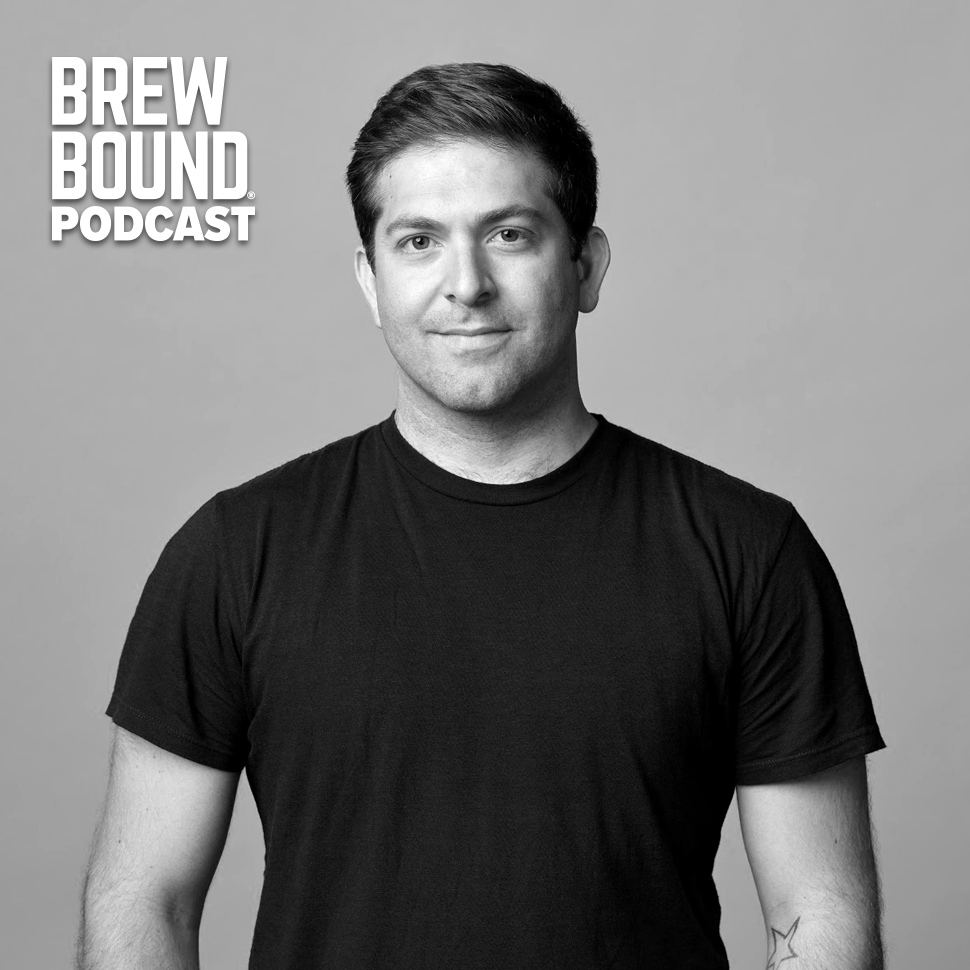
March 14, 20191 hr 10 mins
Brewbound Podcast Episode 27: Fort Point Beer’s Justin Catalana on Self-Distribution and Saying No
Fresh off a $3 million capital infusion from investment firm Circle Up, Fort Point Beer Company appears poised for another year of double-digit growth.
Since its launch in 2014, the San Francisco-based craft beer company has grown its revenue from less than $2 million in 2015, to $14.6 million in 2018, and its production has swelled to nearly 35,000 barrels.
Along the way, Fort Point’s employee count has also grown to about 200, largely due to a robust self-distribution division that has helped give the company a competitive advantage in a crowded marketplace.
During a conversation with Brewbound editor Chris Furnari, Fort Point founder and CEO Justin Catalana said self-distribution has been “tremendously helpful” when it comes to setting a go-to-market strategy.
“Not to squash any of the distributors that are here, they are just frankly not able to take a new brewery and bring them to market as effectively as doing it yourself,” he said.
In episode 27 of the Brewbound Podcast, Catalana shares his plan to grow Fort Point’s revenue to as much as $22 million in 2019, while hiring another five dozen employees.
He also discusses the pros and cons of self-distribution, why the company takes a debt-averse approach to financing growth, and how it builds strong core brands at a time when breweries and consumers alike are chasing new beer offerings.
Listen to episode 27 of the Brewbound Podcast above, as well as on iTunes, Google Play, Stitcher, Spotify, and Soundcloud. New episodes of the Brewbound Podcast, which is co-hosted by Furnari and Justin Kendall, are published every Thursday.
Episode 28, featuring Brewers Association chief economist Bart Watson, will be released on Thursday, March 21.
For questions, comments or suggestions, please email [email protected].
Listen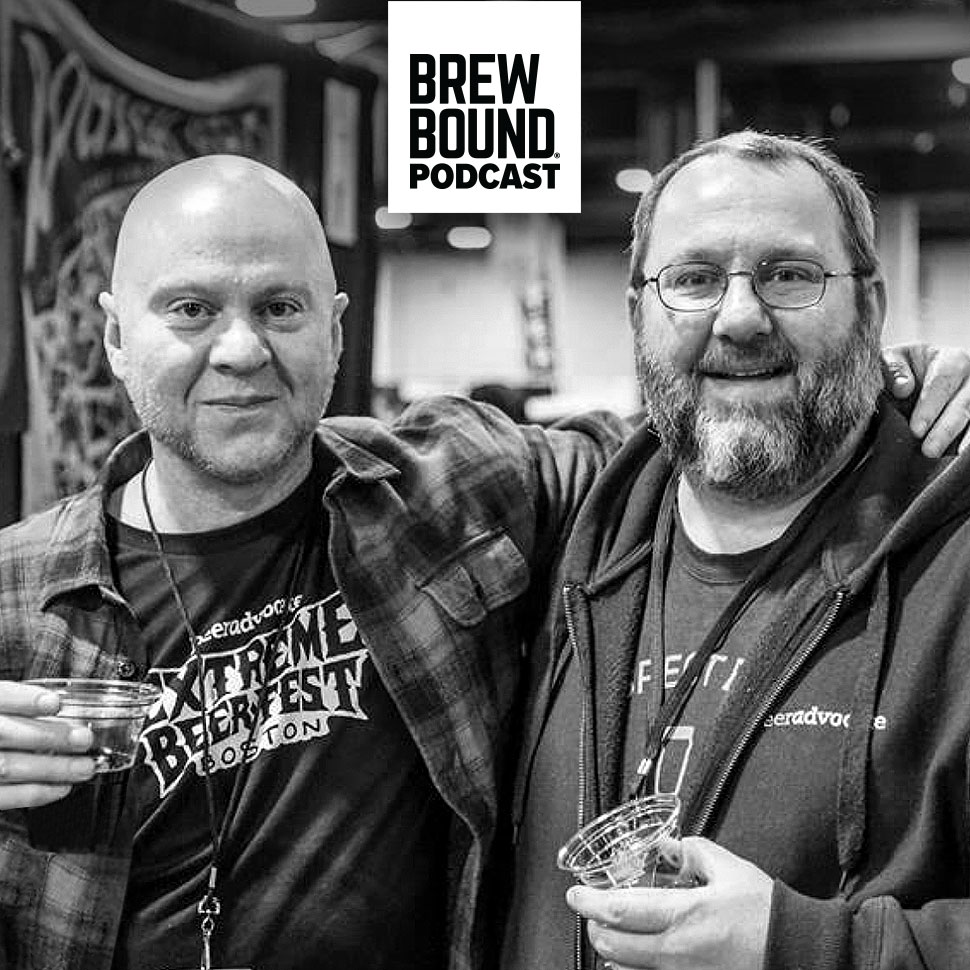
February 14, 20191 hr 5 mins
Brewbound Podcast Episode 23: BeerAdvocate Founders on the Future of Print Journalism and the Business of Beer Festivals
BeerAdvocate founders Jason and Todd Alström are “planning for the end” of their company’s print publication.
Launched in 2006, BeerAdvocate Magazine has long served as one of the country’s premier print publications covering an array of topics that beer industry professionals and enthusiasts alike have come to enjoy.
Along the way, the magazine has established itself as a reputable platform for beer writers such as Andy Crouch, Ken Weaver, and Joshua Bernstein, among many others, to not only hone their skills as writers and develop their personal brands but also to share compelling stories from all corners of the craft beer community.
But rising production costs have forced the Alströms to begin preparing for what they said in late 2017 was inevitable — the shift to an exclusively digital publication.
In anticipation of that eventual change, in 2018, the Alströms moved from a monthly to a quarterly publication and raised the subscription price.
However, those changes weren’t enough to help BeerAdvocate avoid ceasing publication of its print magazine, a fate All About Beer, Draft Magazine and Celebrator Beer News have already come to terms with.
The reality, according to Todd Alström, is that costs associated with running a print publication are high, and advertising revenue is dwindling.
“The last year has been a struggle,” he said. “Advertisers are moving away from it, so we have to as well.”
As BeerAdvocate, which was established in 1996, prepares for the eventual end of its print publication, the Alströms have begun focusing more energy and investment behind their beer festivals, a key revenue driver for their company. They’re also preparing to overhaul the BeerAdvocate website and launch a new mobile app.
In episode 23 of the Brewbound Podcast, Jason and Todd Alström sit down for a discussion about the business of beer festivals, the future of print journalism within beer, A-B InBev’s investment in competitor beer ratings website RateBeer, and what it’s like to be at the center of a controversy that is unfolding on the BeerAdvocate forum.
Also in this episode: Brewbound editors Chris Furnari and Justin Kendall discuss forthcoming acquisitions by a well-funded cannabis company, brewery closures in Portland, Oregon, and the disturbing allegations of sexual misconduct by the owner of a small craft brewery in Ohio.
Listen to episode 23 of the Brewbound Podcast above, as well as on iTunes, Google Play, Stitcher, Spotify, and Soundcloud. New episodes of the Brewbound Podcast, which is co-hosted by Furnari and Kendall, are published every Thursday.
Episode 24, featuring Seismic Brewing’s Chris Jackson and Patrick Delves, will be released on Thursday, February 21. For questions, comments or suggestions, please email [email protected].
Listen
December 27, 20181 hr
Brewbound Podcast Episode 16: Eric Ottaway on the Global Craft Landscape and Product Innovation
Speaking to hundreds of attendees who traveled to Santa Monica for the Brewbound Live business conference in November, Brooklyn Brewery CEO Eric Ottaway addressed a number of top-of-mind issues that beer industry professionals are keeping a close eye on as they prepare to flip their calendars to 2019.
Chief among them, however, was increasing consumer interest in functional or “better-for-you” products such as low- or no-alcohol beer and kombucha.
“I think that opportunity is enormous,” he said.
In 2016, Brooklyn Brewery sold a minority stake to Kirin Brewery. The Japanese beer producer’s parent company, Kirin Holdings, already has “a number of investments in the health and wellness space,” Ottaway noted, and Brooklyn is “having some real interesting conversations” about how the broader consumer trend toward healthier lifestyles will impact beer.
“The consumer is looking for ways to improve themselves, ways to improve their health and ways to live better, and I think that space is virtually unlimited,” he said.
Ottaway believes that more beer companies need to “start thinking bigger,” and look beyond beer as a means of staying competitive.
“If you look at some of the more successful companies that operate in the brewing space, they are actually multi-beverage, multi-segment, multi-brand companies,” he said, pointing to Boston Beer Company, which makes alcoholic tea and seltzer products, as well as hard cider, as an example.
Ottaway’s comments at Brewbound Live came just days before Brooklyn Brewery launched its first alcohol-free beer, Special Effects, in Sweden.
In episode 16 of the Brewbound Podcast, Brooklyn Brewery CEO Eric Ottaway discusses the growing consumer interest in low- and no-alcohol products, the overall state of the beer business, his company’s global partnership strategy and the shrinking international opportunities for U.S. craft breweries.
Also in this episode: Brewbound editors Chris Furnari and Justin Kendall discuss the latest news, including information about Anheuser-Busch InBev’s recent partnership with Canadian cannabis company Tilray, layoffs at Oregon’s Deschutes Brewery, the Brewers Association’s “craft brewer” definition change and ongoing legal disputes for the Craft Beer Cellar retail franchise.
Listen to episode 16 of the Brewbound Podcast above, as well as on iTunes. The episode is also available on Google Play, Stitcher, Spotify, and Soundcloud. New episodes of the Brewbound Podcast, which is co-hosted by Furnari and Kendall, are published every Thursday.
Episode 17, featuring Brewery Ommegang president Doug Campbell, will be released on Thursday, January 3, 2019.
For questions, comments or suggestions, please email [email protected].
Listen
November 8, 20181 hr 6 mins
Brewbound Podcast Episode 009: Victory Brewing’s Bill Covaleski on M&A and Future Growth Opportunities
When Brewbound sat down with Victory Brewing co-founder Bill Covaleski in late August, the longtime industry veteran wouldn’t quite tip his hand about potential future acquisitions within the craft beer space after his company partnered up with the family office-backed brewery collective Artisanal Brewing Ventures.
“We sort of see ourselves as a safe harbor for breweries that want to stay in the game but at the same time want to do so with a platform that gives them more stability,” he said, noting that ABV had an interest in adding more partners to the collective.
Covaleski declined to share what criteria the company used to determine who those partners might be, but he did suggest that geography played a role.
“In terms of protecting or preserving geography, I think the term relevance is used too often,” he said. “I think the term defensible should be used. Or executable.”
So, in an effort to defend ABV’s strong East Coast presence – it also owns Southern Tier Brewing in Lakewood, New York, and operates breweries and taprooms in Charlotte, North Carolina; Pittsburgh, Pennsylvania; and Cleveland, Ohio – ABV yesterday announced the purchase of New York City’s Sixpoint Brewery.
“Adding Sixpoint to the ABV family is consistent with our strategy of working with successful regional brands that have great local market penetration, passionate fans, and opportunity to grow,” John Coleman, the CEO of Artisanal Brewing Ventures, said via a press release.
According to ABV, the addition of Sixpoint will give the rollup a “strong presence in the fast-growing New York City market.”
Sixpoint, which is on pace to produce more than 50,000 barrels in 2018, most of it under contract at City Brewing in Memphis, is based in Brooklyn. The deal with ABV will enable the company to build a new brewery and taproom at a yet-to-be-determined location in a borough which has become a hotbed for craft beer. In addition to stalwart Brooklyn Brewery, popular craft producers Threes Brewing, Other Half Brewing, Grimm Brewing and Evil Twin, among others, are located in the area.
In episode nine of the Brewbound Podcast, Covaleski discusses ABV’s appetite for M&A, and shares his thoughts on how craft breweries can reach a broader base of beer consumers as well as opportunities he sees ahead for the Victory brand.
Also in this episode: Brewbound editors Chris Furnari and Justin Kendall discuss the proposed changes to the Brewers Association’s (BA) craft brewer definition, and rundown a grab bag of segments.
Listen to episode nine of the Brewbound Podcast above, as well as on iTunes. The episode is also available on Google Play, Stitcher, Spotify, and Soundcloud. New episodes of the Brewbound Podcast, which is co-hosted by Furnari and Kendall, are published every Thursday.
Episode 10, featuring Independence Brewing co-founder Amy Cartwright, will be released on Thursday, November 15.
For questions, comments or suggestions, please email [email protected].
Listen