
Search across the BevNET CPG Media network including BevNET, Nosh, Brewbound, Taste Radio, Nombase and CPG Jobs.
Brewbound Podcast
The Brewbound Podcast is an extension of Brewbound's leading B2B beer industry reporting, featuring interviews with beer industry executives and entrepreneurs, along with highlights and commentary from the weekly news. New episodes are released every week. Subscribe on Apple Podcasts or your streaming platform of choice.
Podcasts
Alcohol
August 5, 202637 mins
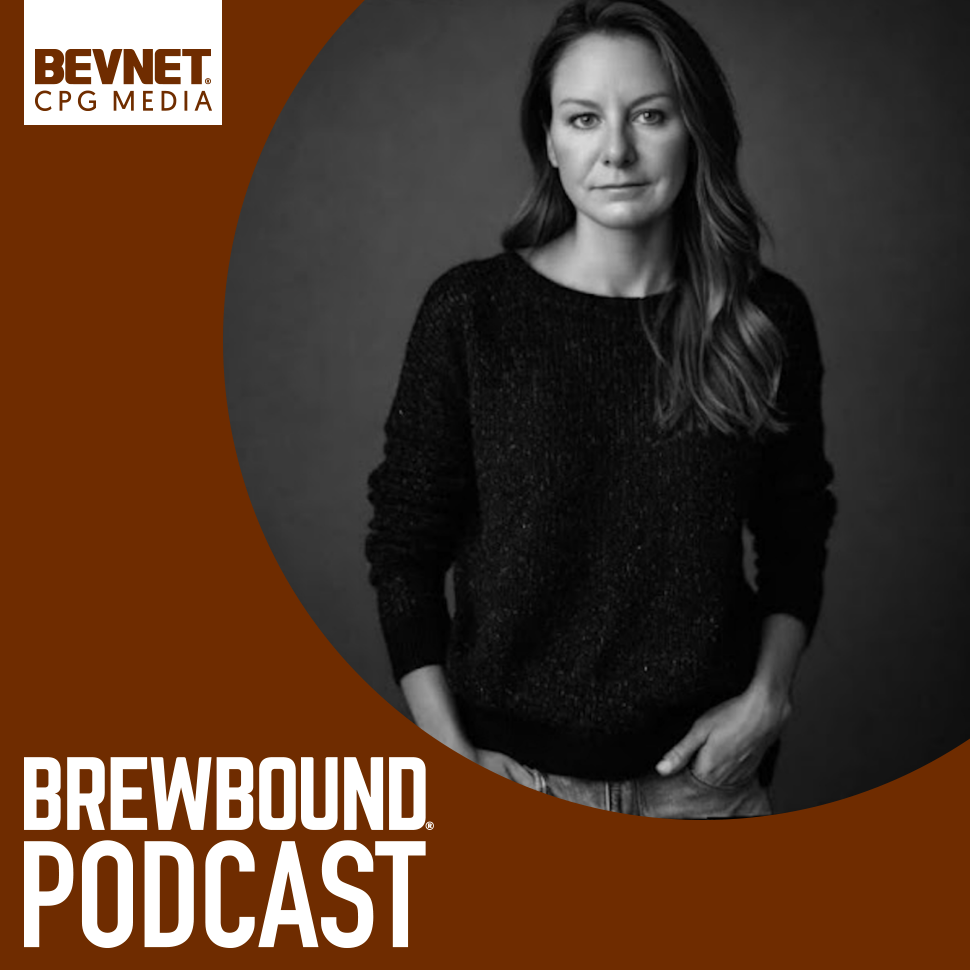
CEO Michelle Ivey Dives Into Lake Hour’s Strategy
How can a new brand make a splash in the increasingly crowded ready-to-drink waters? A winning combination of differentiated flavors, artistic packaging and a willingness to work the market day in and day out. That’s what has been working for Lake Hour, according to CEO Michelle Ivey, this week’s featured guest. Ready-to-drink (RTD) canned cocktail brand Lake Hour launched three years ago amid the segment’s meteoric rise. Its co-founders – actor Wyatt Russell and film producer Rich Peete – had no prior beverage experience, and tapped Ivey, an industry vet, as CEO in late 2025.“I was blown away with the brand that they built, the fact that they had built this beautiful feeling of family and slowing down and the lake concept,” Ivey said. “Once I tried it, I realized it was one of those, ‘actually’ brands that when you take a sip, you're like ‘Wow, actually, this is great. This tastes so good.’ And so, I was so impressed with what they did and what they built two years in as startup founders that have had no experience in the industry.”Lake Hour recently entered Texas via Reyes Beverage Group-owned Capital Reyes Distributing. Being a young brand in the book of one of the largest bev-alc distributors in the country isn’t daunting for Ivey, because she sees securing mind share and growing the brand as Lake Hour’s job.“That is the brand's responsibility – distributors don't build for you,” she said. “You have to build for you. You have to earn that attention and you do that through proper investment in the market, in my opinion. You have to invest in the sampling, the retail execution, on-premise activation, your social media and consumer awareness and proper field support.Ivey acknowledged that “probably sounds really boring, because it's not magic.” “You have to just be there daily and do the everyday work that it takes to build and sell your brand,” she said. Before the interview, the Brewbound team discusses recent headlines, including a proposed reprieve for intoxicating hemp beverages, how many retailers sold out of various bev-alc products during the World Cup and how Anheuser-Busch InBev views itself relative to spirits giants. Listen here or on your preferred podcast platform.
Listen
Alcohol
July 29, 202634 mins
RNDC’s Unpaid Tab, Craft’s Mid-Year Number and Boston Beer’s Rally Dog
Republic National Distributing Company (RNDC) is leaving a big unpaid tab. The distributor filed for Chapter 11 bankruptcy this week, with liabilities between $1 billion and $10 billion, and more than 100,000 creditors.In this episode of the Brewbound Podcast, Brewbound editor Justin Kendall and senior reporter Zoe Licata dive into the bankruptcy filing, as well as the fallout, with many suppliers left wondering if they’ll ever get paid back.Justin and Zoe also catch up on the other big headlines, including the Brewers Association’s (BA) 2026 mid-year report, with projected craft volume declines of 4%. They discuss why the news isn’t all bad – with a majority of respondents reporting growth – and why it’s not all good.The conversation shifts to Boston Beer’s second-quarter results and Sun Cruiser’s growing importance to the company’s bottomline. They also explore Boston’s growing fast-follower innovation strategy, including Rally Dog, a potential hard sports drink challenger brand. Plus, they touch on if beer companies might be walking back their opposition to the spirits industry’s equalization efforts.Finally, seasonal creep is here and real as pumpkin beers are already popping up on store shelves.It’s a quick, fun recap of the latest news. Listen here.
Listen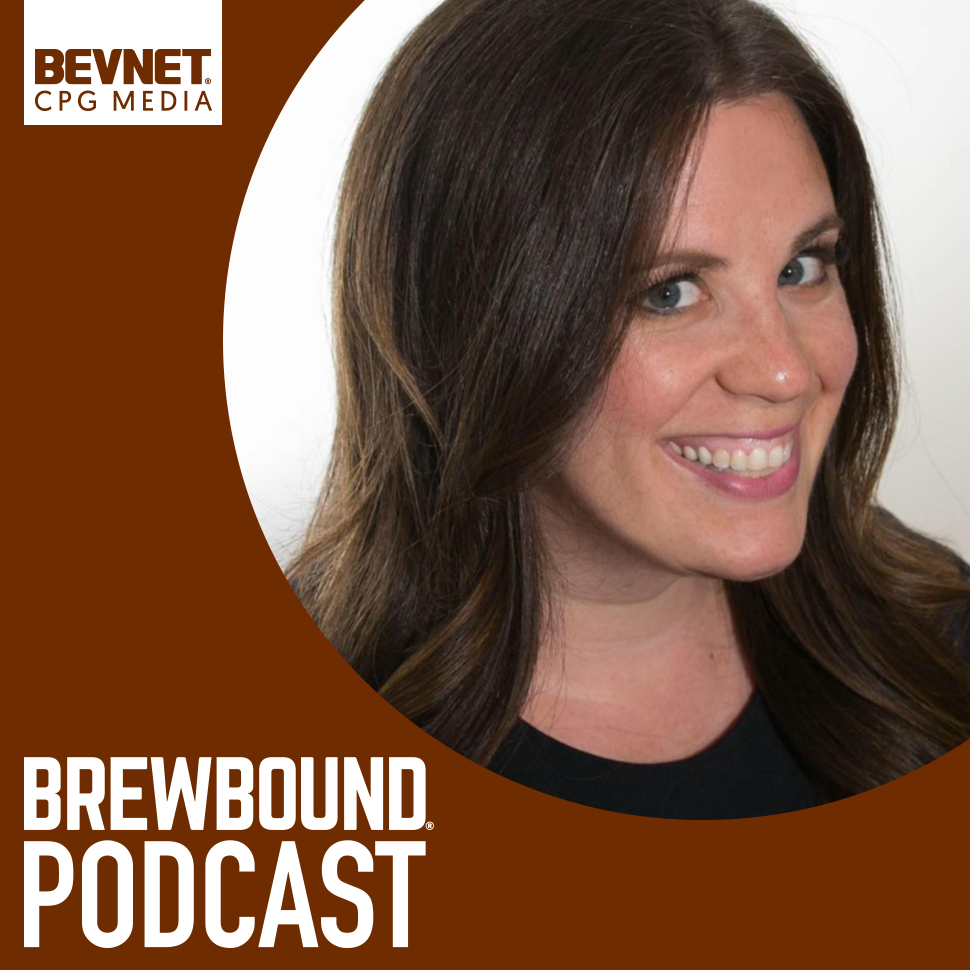
Alcohol
July 22, 202656 mins
The Magic of Airport Beers with Experience Threee’s Liz Einhorn
The Magic of Airport Beers with Experience Threee’s Liz EinhornThe pre-flight beer ranks high on many people’s lists of simple pleasures, but what does it take for that beer to end up in a pint glass?Experience Threee founder Liz Einhorn joins this week’s episode of the Brewbound Podcast to discuss the complexities of beer service in airport concessions. She shares the pros and cons of brewery-branded, airport taprooms and what it takes to secure (and keep) a draft line in a busy airport bar.Before the interview, Justin and Jess break down the latest beer industry headlines, including a lawsuit between Ballast Point’s owners over allegedly ill-gotten business loans, new leadership at the National Black Brewers Association and James Watt’s second attempt to buy back BrewDog. Listen here or on your preferred podcast platform.
Listen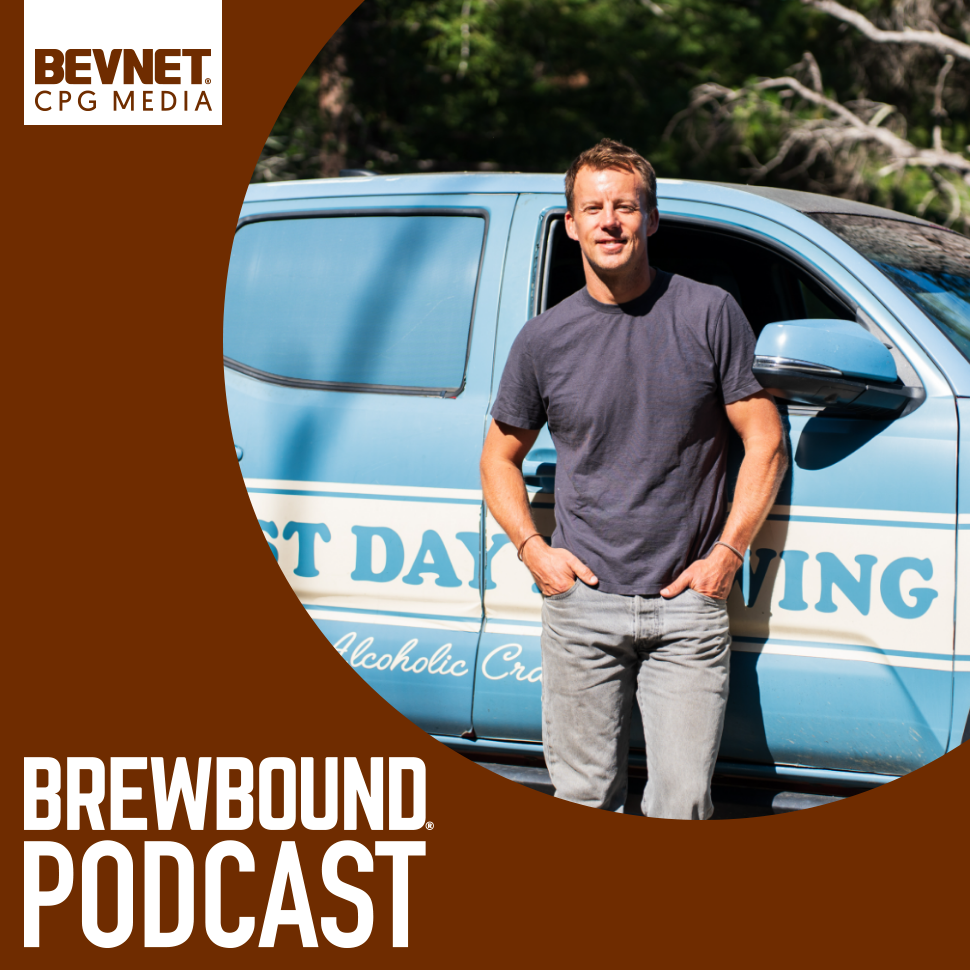
Brand Strategy
July 15, 202649 mins
Best Day’s Tate Huffard on Fitting Into Non-Alc Beer’s ‘Belonging’ Phase
Best Day Brewing founder and CEO Tate Huffard believes the modern non-alcoholic (NA) beer movement is now in its second wave – one characterized by “belonging.”“What we see now is that non-alcoholic beer belongs on menus, it belongs in beer sets,” Huffard said on the latest edition of the Brewbound Podcast. Best Day was made for NA beer’s second wave in which coolers on boats in the summer are stocked with NA and alcoholic beer and fridges at parties also include both options, Huffard said. “All of these beer occasions warrant a great non-alcoholic beer and yet part of the magic is unpacking and uncovering these new occasions that deserve a beer,” Huffard said. “Case in point for me is a lunch beer.”The first wave – driven by the rise of Athletic Brewing Company – helped normalize NA beer and remove the penalty box elements of old-school offerings, Huffard explained. “I give those guys an incredible amount of praise for creating an environment where people could participate in the category and it wasn’t weird,” he said. “And the concept of non-alcoholic craft beer was born in that first wave.”The second wave is about growing the pie, expanding grocery baskets and taking NA beer’s share upward from 2% to 10% and beyond, Huffard said. In the episode, Huffard discusses Best Day’s 30% distribution growth this year and retail expansion, finding luck in craft brewery taprooms, navigating the disruption caused by the launch of Anheuser-Busch InBev’s Michelob Ultra Zero and much more. But first, the Brewbound team also catches up on the latest news, including July 4 scans, exec moves at New Belgium and a Jersey banner plane and patio tent update.
Listen
Industry Leader
June 11, 202635 mins
F.X. Matt Brewing’s Fred Matt on Mid-Strength Beer and Generating Retail Energy; Plus, Changes Coming to GABF
At 138 years old, F.X. Matt Brewing isn’t slowing down. President Fred Matt joined the Brewbound Podcast to discuss the Utica, New York-based craft brewery’s plans for 2026 and beyond, which include Saranac Weekend Warrior Mid-Strength, a 3% ABV hazy IPA and Right Coast Spirits Italian Ice, a vodka-based RTD produced in partnership with Barrel One Collective. In addition to both those relatively new products, the company is also riding a wave behind Utica Club, the pilsner it has produced since Prohibition ended in 1933. Its 5% ABV has made it attractive to craft drinkers looking to “down-shift” after a round or two of higher ABV products, Matt said.“It's a phenomenon that's really happening in the craft community that has brought Utica Club back,” he said. “You also get the nostalgic side of it – everybody's grandfather loved Utica Club, because Utica Club, at one time, was a 10 million case brand.”The notion of moderation is putting wind in Weekend Warrior’s sails as well. The company took a hint from Australia and New Zealand, where mid-strength beers account for nearly 35% of the beer market, Matt said. As the country’s 14th largest regional craft brewery by volume, F.X. Matt has different challenges ahead than the majority of Brewers Association (BA) members, whom Matt serves as BA board of directors chairman. “We’ve got to be more focused in what we bring to the distributor,” he said. “We’ve got to create the energy at retail.”For taprooms and brewpubs, which account for the bulk of the BA’s membership, Matt advised “do what you do best,” which is to focus on guests’ experience. “They’ll keep coming back,” he said. Plus, Jess and Zoe discuss news highlights, including changes coming for the Great American Beer Festival and 2025 production data for taprooms and brewpubs.
Listen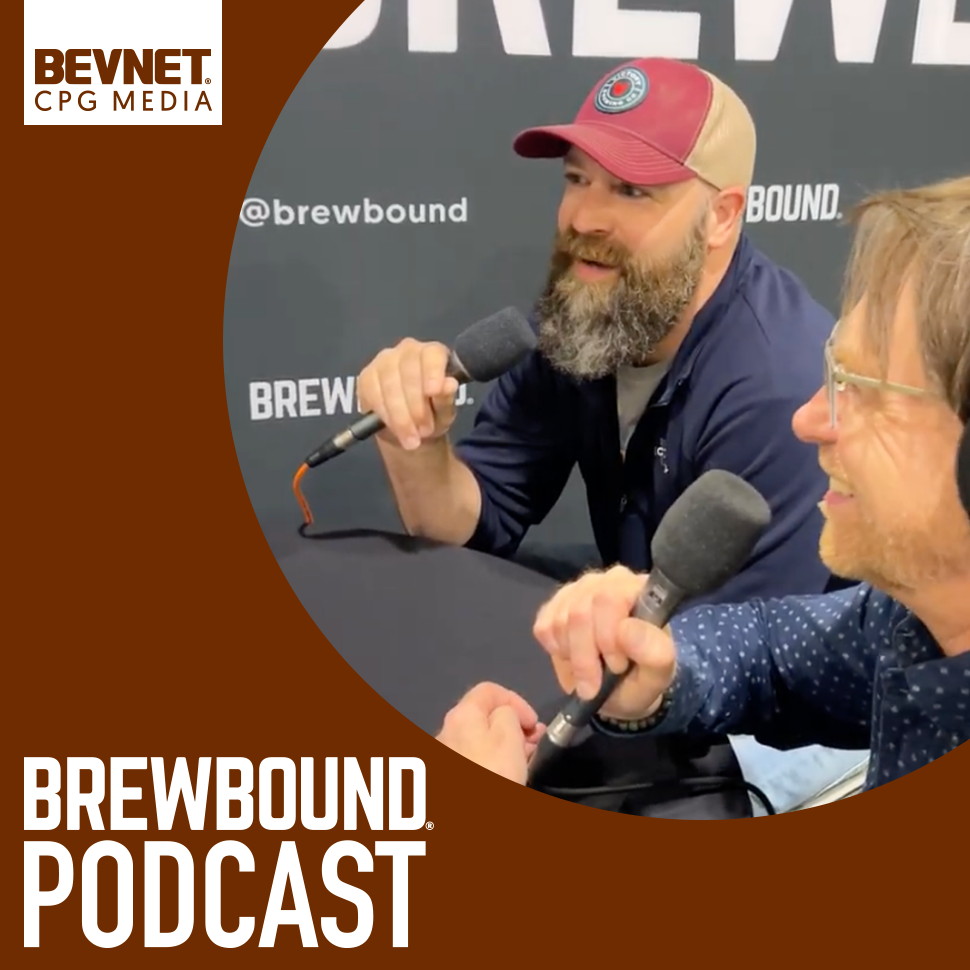
Brand Strategy
June 4, 202655 mins
Revised Craft Production Data, Plus Chats with Victory and Odell
Was craft brewers’ 2025 less bad than we thought? The Brewers Association (BA) issued a revision to its annual production report, which places the industry at -4%, up from previously published -5.1%. In this Brewbound Podcast episode, Zoe and Jess break down what the changes mean for the challenged craft beer industry, as well as several middle-tier deals and recent scan data.This week’s featured interviews highlight Victory Brewing co-founder Bill Covaleski and director of brewing operations Joe Slavick, as well as Odell Brewing CEO Eric “Smitty” Smith. Both conversations were recorded during the Craft Brewers Conference in Philadelphia in April.Covaleski and Slavick discussed the Downingtown, Pennsylvania-based craft brewery’s 30-year journey, from its self-distribution in its early days to the formation of its parent company Artisanal Brewing Ventures (ABV) 10 years ago. Victory, which Covaleski founded in 1996 with childhood friend Ron Barchet, distributed its own beer for nearly four years, Covaleski said. The experience inspired Victory to band with fellow Pennsylvania breweries to oppose a bill that would have outlawed the practice – a legislative episode that spurred the formation of the Brewers of Pennsylvania state guild.“It was phenomenally important because no one wanted to pay what they needed to pay for our beer at a wholesale level,” he said. “We had to go out and prove that there was a market for it, and then, all of a sudden, they got it.”Victory was an early trendsetter in craft breweries’ march toward mulit-brand platforms, which have become near ubiquitous. It merged with Lakewood, New York-based Southern Tier Brewing in 2016 to form ABV, backed by Ulysses Management LLC. ABV added Brooklyn, New York-based Sixpoint Brewery in 2018, and Nellysford, Virginia-based Bold Rock Hard Cider in 2019. “From a business standpoint, it hits a lot of different avenues,” Slavick said of ABV’s brand recruitment. “They did a really good job of being selective of who they brought in, when they brought them in.”In 2025, ABV was the 11th largest craft brewer by volume in the country, according to data from the BA. Its output declined 6% year-over-year (YoY), to 238,697 barrels, excluding hard cider and other non-beer offerings. Odell was the country’s 31st largest craft brewery by volume last year, declining 9% YoY, to 89,364 barrels. 2026 opened with a “good Q1” as the Fort Collins, Colorado-headquartered craft brewery focuses its attention on its core offerings, Smith said. “We had a pretty large portfolio and so it takes some time – you can’t cut everything at once,” he said. “It’s been that slow, methodical getting rid of brands, getting rid of packages, putting our emphasis on the right brands at the right time in the right places.”For Odell, that has meant a laser-focused on flagship Odell IPA in 6-packs, 12-packs and 19.2 oz. single-serve cans in the convenience channel. To bolster that beer, the company has also launched Mountain Standard IPA, Hazer Tag hazy IPA and MDRN IPA.
Listen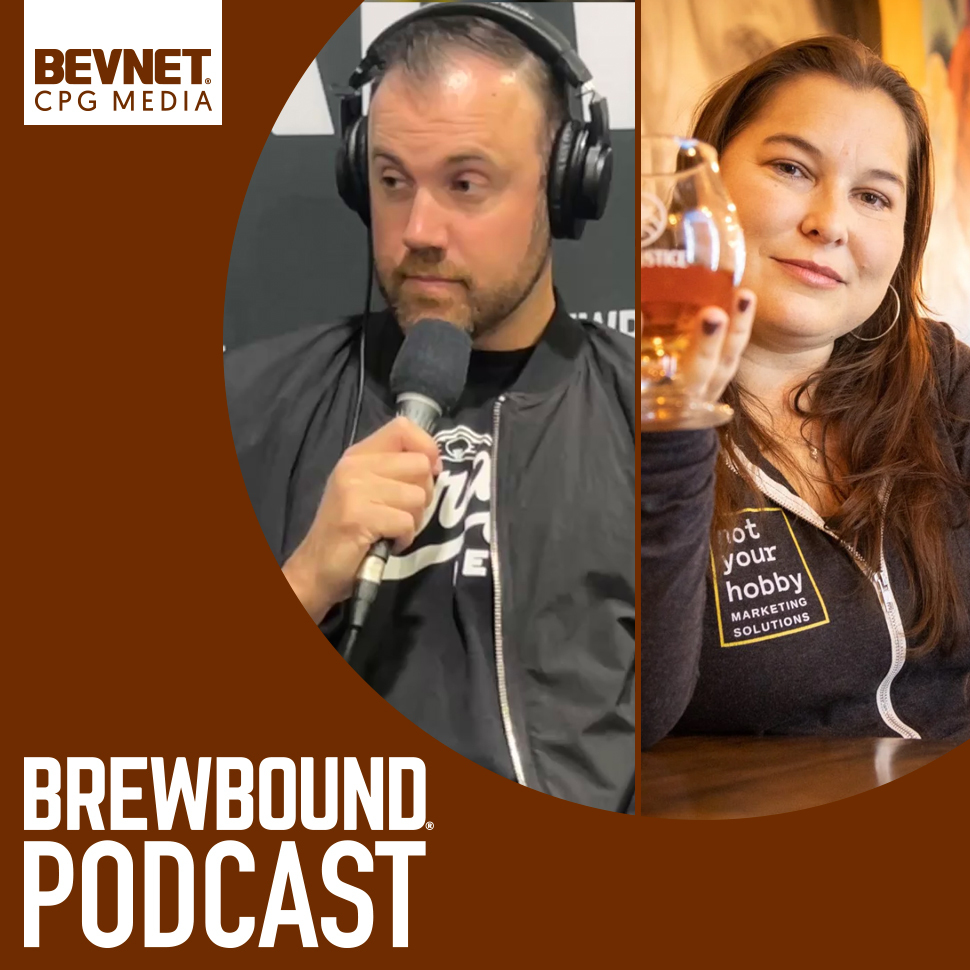
Brand Strategy
May 28, 202643 mins
Off-the-Wall Marketing With Garage Beer’s Andy Sauer; How Occasions Drive Julie Rhodes’ Kick Fizz
One of the hottest beer companies in the U.S., along with a budding THC-infused beverage entrepreneur, join the latest edition of the Brewbound Podcast in back-to-back interviews.Garage Beer owner Andy Sauer shares upcoming plans for the fast-growing lager brand, including the introduction of Home Depot-style buckets and stubby bottles. Garage Beer is riding a growth wave, posting 193% year-over-year gains in 2025, to 220,000 barrels of beer. Garage ranked as the 12th-largest craft brewery last year, but the company has intentionally kept “craft” out of its messaging. Sauer discusses striking the balance in marketing with celebrity owners Jason and Travis Kelce and some of the more off-the-wall campaigns the brand has deployed through its writer’s room approach to marketing. But first, Julie Rhodes, co-founder of THC-infused beverage brand Kick Fizz, explains how she’s preparing for the federal government’s November ban of most THC drinks. Rhodes, who also runs consulting firm Not Your Hobby Marketing Solutions, digs into creating an occasion-focused brand, the misconceptions about infused beverages and the challenges small producers face at retail. Before the interviews, Justin, Jess and Zoe discuss the Brewers Association’s 2025 production data release. They discuss the top 10 brands that posted growth last year and jockeying among them.
Listen