
Search across the BevNET CPG Media network including BevNET, Nosh, Brewbound, Taste Radio, Nombase and CPG Jobs.
CBC 2024: 3 Tier Beverages on the Importance of a Total Bev-Alc Perspective
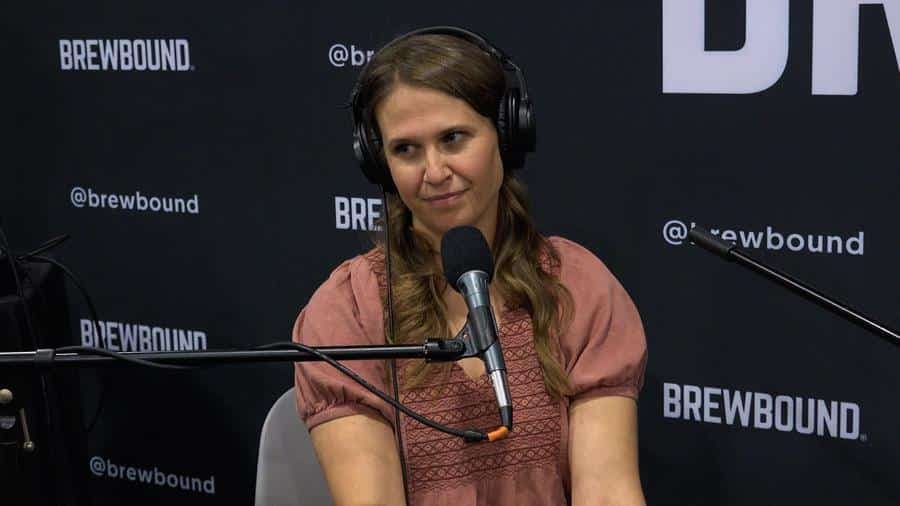
This conversation was recorded on the BrewExpo floor of the 2024 Craft Brewers Conference in Las Vegas.
Transcript
Note: Transcripts are automatically generated and may contain inaccuracies and spelling errors.
Speaker 1 [00:05] Well, I am super psyched to be joined by our, our dear friends here from Three Tier Beverages. We have Three-ier founder Don Bixel. How are you doing, bud?
Speaker 2 [00:14] Doing very good, my friend.
Speaker 1 [00:15] Oh, that's great. You are fresh here from Europe on a whirlwind trip, you.
Speaker 2 [00:22] London via Chicago to Las Vegas.
Speaker 1 [00:25] Wild. I don't know how you're
Speaker 3 [00:26] on 3 hours of
Speaker 1 [00:27] sleep. Oh my
Speaker 2 [00:28] God, it was good. It was a good 3 hours.
Speaker 1 [00:31] Nice. Well, you know, qua quant quality over quantity. And joining us, uh, the whole brains behind this operation and what's gonna happen in this conversation is Mary Mills, 3-tier beverages consultant. What's going on,
Speaker 3 [00:43] Mary? Hi Jess. So good
Speaker 1 [00:45] to
Speaker 3 [00:45] see you.
Speaker 1 [00:45] It's
Speaker 3 [00:45] so
Speaker 1 [00:45] good to see you. It's so nice to all be together. So, 3 tier is. The one of the premier data providers to craft beverage producers and you guys have worked out a really cool relationship with brewers Association members. So what can you tell our listeners about the three-tier dashboard that uh the BA. Provides,
Speaker 3 [01:11] yeah, we're super excited about our relationship with the brewers Association as well. So for about 1 year now we've been providing dashboards that is free for all BA members. Um, it's updated on a quarterly basis and it provides high level trends of what's going on in craft. We break out the what we call regional views, so we strip out the top 15 brands so folks can get kind of that. Understanding of, you know, differences that we're seeing with small to mid-size brewers versus the big national ones that might be driving some of the trends, and then we look at different styles and pack sizes, different geographies, so it's a great way for members to kind of dip their toe into the scan data world.
Speaker 1 [01:49] That's awesome. Now why is it important to pull out the top 15? I
Speaker 3 [01:52] think, you know, when you see what's going on with brands like Voodoo Ranger and, you know, other big national brands, they're often gonna show. Those trends of, you know, double IPAs are growing, or, you know, we see Kona Big wave driving the golden ale trend. So when you take that out, sometimes it's a different story. So I think that's important for the mid to small size brewers to be able to see what might be a feel a little bit more specific
Speaker 1 [02:18] to them. That's awesome. That's so, so important, and I know, you know, we get our own three-tier dashboard. That we cherish and use all the time. So it's really helpful data, and I know that data can be expensive for craft producers, but it is really necessary in crafting a selling story.
Speaker 3 [02:36] Yeah, it absolutely is, and we talked about that. We did a sponsored session, uh, yesterday here and talked a lot about the importance of data and certainly depletion data is important shipment. Data, you know, your own internal metrics are, are really important, but to get the full picture of what's going on in the category, you need to be able to see that competitive data and how you stack up against others. So we think it's important, um, and you know, to your point, I know people think it is somewhat prohibitive, but we, we have been able to, you know, work with suppliers of all sizes. So just a quick plug for us there.
Speaker 1 [03:06] Yeah, Donn, how many clients are you at now?
Speaker 2 [03:09] The real number or the number? Jesus
Speaker 1 [03:11] Christ, we need something
Speaker 2 [03:13] in between. No, I, I, I, I think as of last count we've uh touched 271 different supplier partners and, uh, full time I think that we're working with about 180 currently. So anything across both beer, wine, spirits, non-alk, um, and, and a lot of the emerging categories right now. So we've been able to make data approachable and. You know, to kind of follow up a little bit with what Mary said, I think that there's this belief that, uh, data is, isn't affordable at all, and I think with the unique relationships that we've got with our, um, providers with both Nielsen IQ and then working with Vermont Information Processing, I think we've been able to provide solutions that are affordable for, um, suppliers and distributors and retailers of all sizes.
Speaker 1 [03:56] Awesome. I mean, so you get the high level like cross category Bev Alk view. What are some things that are playing out, say for spirits that could be, you know, helpful or insightful for craft brewers?
Speaker 3 [04:08] Yeah, I, I think it is important to, to see that, and we've talked to, to Bart about that as well as, you know, how can we incorporate some of that wine and spirits data for members to see too, because, you know, understanding the. The bigger picture of what's going on, not even in just in Bev Alc but total beverage too, so we do try to get a sense of what those trends are. Obviously for spirits, the big thing in recent years has been the RTD spirits and, um, you know, I, I, we haven't really seen that start to slow down yet. I think from a brand standpoint there's some saturation. Um, but certainly I think flavor is, is kind of the big thing. So, um, you know, we've certainly seen that in F&Bs and other things within the malt space, um, but yeah, there's certainly things to, to understand, um, and take away from adjacent categories.
Speaker 1 [04:57] That's great.
Speaker 2 [04:59] Yeah, I think the unique thing, I mean, flavor and, and, and, and definitely pack size as well. I mean, I think that we're seeing some very unique pack sizes out there in the industry right now. I think the retailers are more willing to take a chance on something. That is beyond the norm, not necessarily an innovation as far as flavor or style, but innovation in pack size, making sure that that shelf position that they're holding is very profitable for them so that whatever they put in that space in both turns and in overall dollars generated is working for them at the retail level as well.
Speaker 1 [05:29] What's up in pack sizes lately? I've gotten a few press releases. For 15 packs and it's a little bit like wait, am, am I in a time machine? What has happened?
Speaker 3 [05:37] It feels like everything comes full circle in this business, doesn't it? But yeah, 15s are having a moment, um, certainly singles, right? I mean the 192 trend and convenience, um, but again, a lot of that's driven by voodoo and other big brands. So when we strip that out, it is a little bit different and I think one point we made. Yesterday in our talk is obviously data is important. We think data is important, but it is an art and a science, and you, you as a brewer know your business better than anybody else. And so you have to consider that too. So just because 192s are having a moment or 15 packs are having a moment, that doesn't mean you need to jump into it. There's a lot of other things to consider, of course.
Speaker 1 [06:13] What's up with the 16 ounce 4
Speaker 2 [06:14] packs? Overall, as far as um new innovation packages or just as far as new distribution out into the marketplace? Well, you know, you know, it's, it's kind of interesting because the fact that I think that there's a lot of um people that have kind of shied away from it, but what I've really found is that a lot of the kind of middle tier brands are actually using 16 ounce cans, um, whether or not they're in a 4 pack or not as they're offering in the on-premise. I think that that has been a big change, uh, seeing brands that are uh having their main. Instead of it being available in 12 ounce, um, and in 192, we're seeing a lot of 16 ounces gravitate to the on premise. I think that we saw brands such as Bell's, especially with two-hearted, uh, out of the Chicago market through the Midwest, do such a great job as everybody kind of gravitated to cans and grab and go during the pandemic. I think, uh, consumers are looking for those larger pack sizes, especially in on-premise experiences.
Speaker 3 [07:11] Yeah, it's funny too, we were talking about, um, on premise yesterday and. A stat that CGA, who's Nielsen's on-premise partner, has, um, from some survey work they did is that they're actually seeing younger consumers are gravitating towards those can packages as opposed to draft. And so, you know, I, I think at first people hear that and it's like some concern because draft is so key to the on-premise, but when you think about it from a brand, that's free branding, you know, a young consumer walking around with your can, um, that's a good thing. So it's interesting.
Speaker 1 [07:44] That's so interesting. I mean, oh, God, so much to unpack there that I don't think we really have the time, but, you know, Bart has been talking a lot about how the decline of draft beer should be extremely concerning to craft brewers, and it absolutely should be. But what I'm hearing from you guys is that there is still, there's a crack in the door in the on-premise to get in there through sixteen-ounce cans, and that's really interesting because. Yeah, draft systems are a lot. They're a lot to maintain, and you have to,
Speaker 3 [08:17] yeah, and if the younger consumers are gravitating towards those cans, maybe that's a good place to pivot.
Speaker 2 [08:22] Yeah, Mary, you bring up such a great point when it comes to branding. I know that that's the biggest struggle you've got. You've got that one opportunity obviously with the tap handles with a lot of bars and restaurants pre-pandemic we're moving away from. They were going for a cleaner look. So if you don't have that opportunity for branding, you're trying to. Push it into a glass and once again, a lot of retailers were pushing against that, but when you are talking about branding, there is nothing more impactful than seeing that can or bottle in somebody's hands in the on-premise. And then, you know, to think about what's happening with draft, there's a lot of factors at play. Draft pricing continued to rise and, uh, the retailers had to push that pricing to the consumer at the on-premise and back to what happened during the pandemic. Like a lot of consumers were grabbing that one or two in a 19.2 ounce at a much more cost preferable rate from an off-premise location. They got used to being able to have that kind of feel and that opportunity when they drank a craft beer, that look and feel and that experiential was all drinking out of a can. So I think a lot of that is a carryover, and then there's some price factors involved as well.
Speaker 1 [09:31] It's really interesting. What is one takeaway that if you could give to every craft brewer who has trekked out here to Las Vegas that will help them in their business this year, what would you tell them?
Speaker 3 [09:41] I think what we talked about yesterday is, and I'm probably stealing this from Don, he'll be mad because this is probably the point he wanted to make, but he, we talk a lot about, and Nielsen talks a lot, and I he talks a lot about the full view and so making sure that when you are utilizing data, you're looking at the full picture. And so that's what we focused on a lot yesterday was the. Consumer side of the data, so you've got 3 tiers of beverages, you've got 3 tiers of data and you know, not forgetting sort of that last piece of it and really trying to understand who your consumer is and we can help you do that, um,
Speaker 1 [10:17] the 3 tier beverages branding you just snuck in here at Pro Move. That's right,
Speaker 3 [10:22] thank you. You're welcome, Donn. It was well
Speaker 2 [10:25] done. Um, I, I wasn't going to go with the fuller, the fuller view with the utilization of VIP, but I'll sneak that one in as well. But I, I, I think the biggest takeaway is to remember this is it's time to kind of slow everything back down. I think that beer is going to do what beer does. Um, I think that Lester does a great job of making sure that when he talks about the fact that beer keeps the lights on for all the distributors for the retailers. but I would go back to slowing down and focus on your mainstays. I think that there's always a place in your tap rooms for innovation. I don't think that all that innovation needs to be pushed out into the marketplace. I think to concentrate on your branding. And push all in with your mainstays, your, your flagship brands, and flagship isn't necessarily a word that I necessarily have always embraced, but if there ever was time for you to really concentrate on that one brand, that one brand in your portfolio that you're gonna push out there, this is the time to do it.
Speaker 1 [11:27] Amazing flagship. Perhaps the second best word there is. Uh, well, thank you both. This was delightful and always good to catch up with you and I am so excited to hang out with you in Vegas.
Speaker 2 [11:39] Can't wait to see you tonight. A lot of great events happening on. Great seeing you,
Speaker 1 [11:41] Jess. Thanks guys.