
Brewbound Podcast
The Brewbound Podcast is an extension of Brewbound's leading B2B beer industry reporting, featuring interviews with beer industry executives and entrepreneurs, along with highlights and commentary from the weekly news. New episodes are released every week. Subscribe on Apple Podcasts or your streaming platform of choice.
Podcasts
Sustainability
May 8, 20261 hr 1 min
RNDC’s Dismantling; Plus, Interviews with Eco Beverages and Russian River
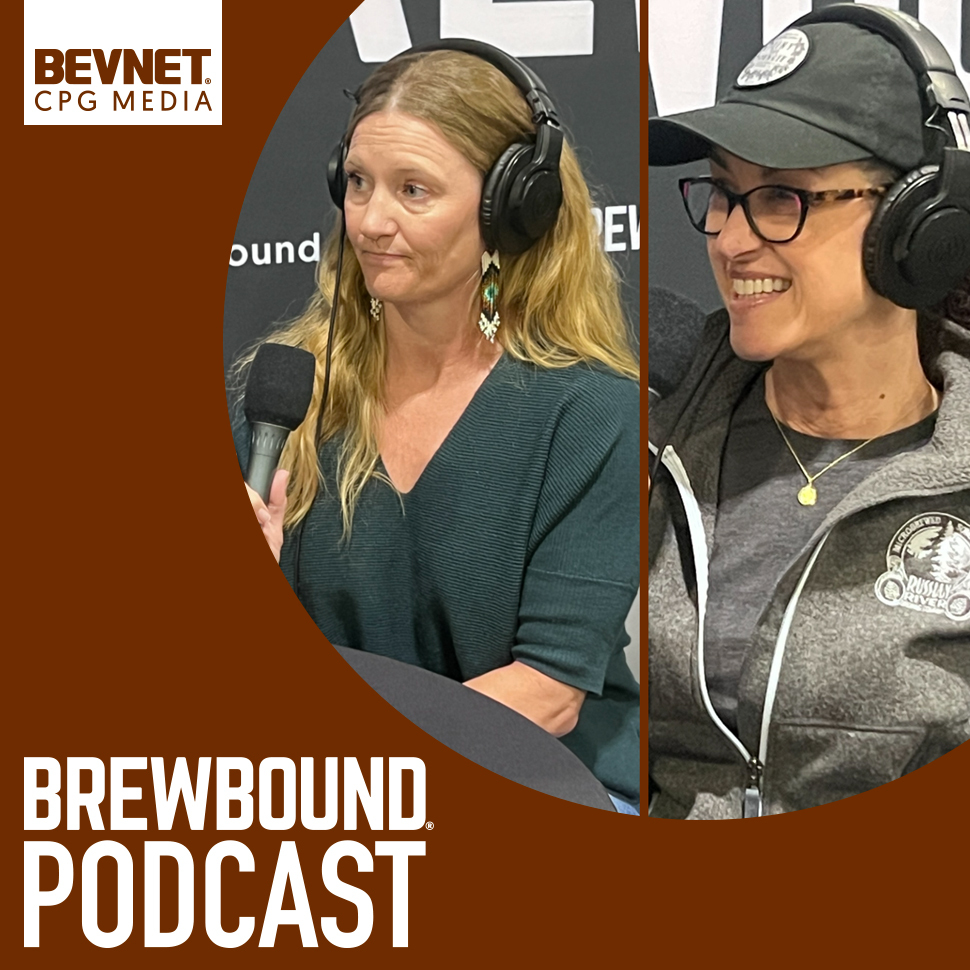
Republic National Distributing Company (RNDC) continues to unwind, so BevNET spirits editor Ferron Salniker joined the Brewbound Podcast to break down the latest.RNDC, once the country’s second-largest wine and spirits distributor, has been selling-off markets piecemeal to competitors from coast to coast. Announced deals have included 11 markets to the Reyes Beverage Group, brand rights and some assets to Columbia Distributing, operations in 17 control states to Martignetti. (Note: this conversation took place before Breakthru announced it would acquire RNDC operations in Kentucky and Indiana or that it was revealed Quality Beverage would buy RNDC assets in Nebraska, North Dakota and South Dakota.)RNDC’s current state can be traced to the butterfly effect of a host of suppliers leaving its California operations over the last several years, resulting in the company exiting the state.“It’s no surprise that if your biggest suppliers leave your biggest state and beyond, then the rest of your business is going to be affected,” Salniker said. “What’s happening now is no surprise, but it feels like it’s happening all of a sudden.”In addition to her analysis, the episode features conversations with Eco Beverages co-founder Anna Nadasdy and Russian River Brewing co-owner Natalie Cilurzo. Nadasdy discusses her organization’s push to help craft beverage manufacturers navigate Extended Producer Responsibility laws.Cilurzao recapped her brewery’s recent Pliny the Younger launch and Russian River’s latest push to share its sustainability work.Justin and Jess also break down recent beer news, including Lord Hobo and Lone Pine’s pivot to contact production and Q1 earnings from Boston Beer and Molson Coors.
Listen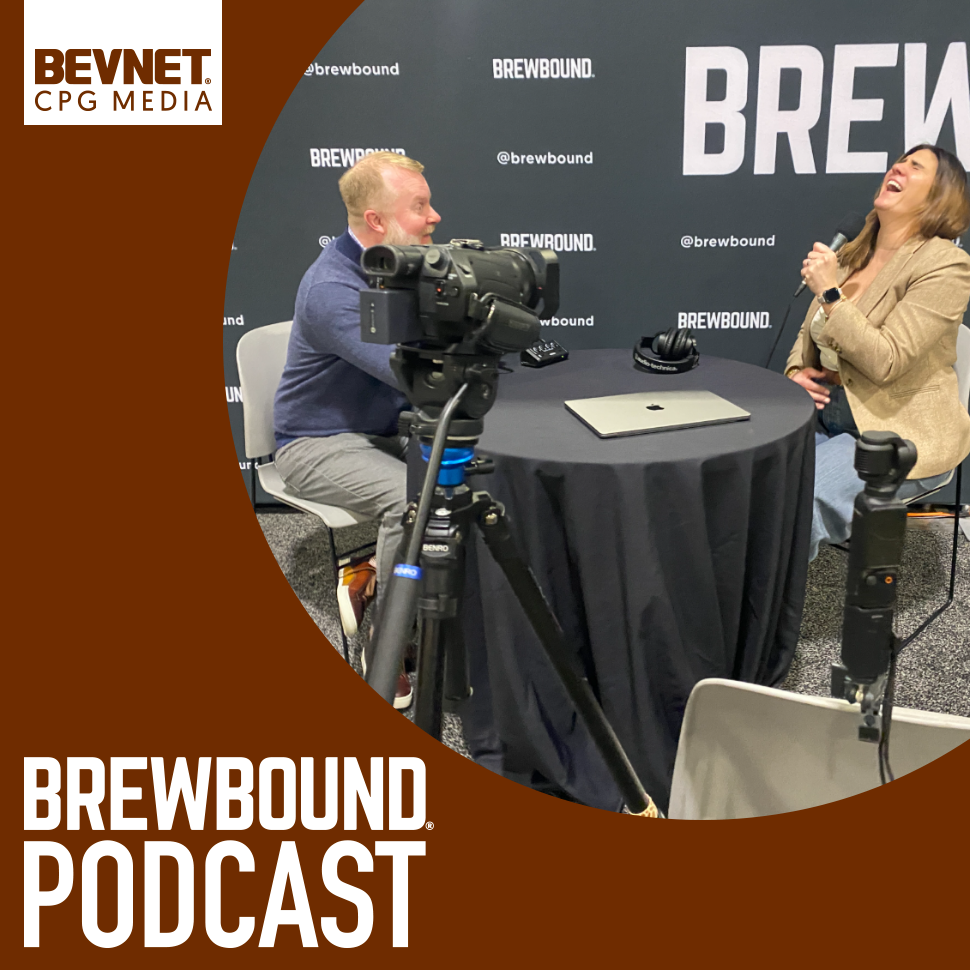
Trends
April 23, 202623 mins
CBC Week + a Blockbuster Brewery Deal
The Brewers Association’s Craft Brewers Conference (CBC) rolled into Philadelphia this week – and so did the Brewbound Podcast On Location Studio. In this episode of the Brewbound Podcast, the team shares their early reads on a week in which the vibes seem high compared to previous years. Zoe recaps the opening keynote speech by Unreasonable Hospitality author and former restaurateur Will Guidara, including his hyper-experiential approach to customer service and what a “dream weaver” is and whether you should be concerned that your server is eavesdropping on you. But first, Justin provides details on Firestone Walker and Duvel USA striking an agreement to acquire the Stone Brewing brand and four California taprooms from Sapporo USA – just under four years after the Japanese brewing giant acquired the San Diego craft brewery. Justin, Jess and Zoe dig into what the deal means for craft market share in California, how the combined company plans to approach distribution and which taprooms are on the move, as well as what this means for Sapporo in the U.S. and what happens with the Escondido production brewery. The trio also share takeaways from Brewbound’s party at Love City Brewing.
Listen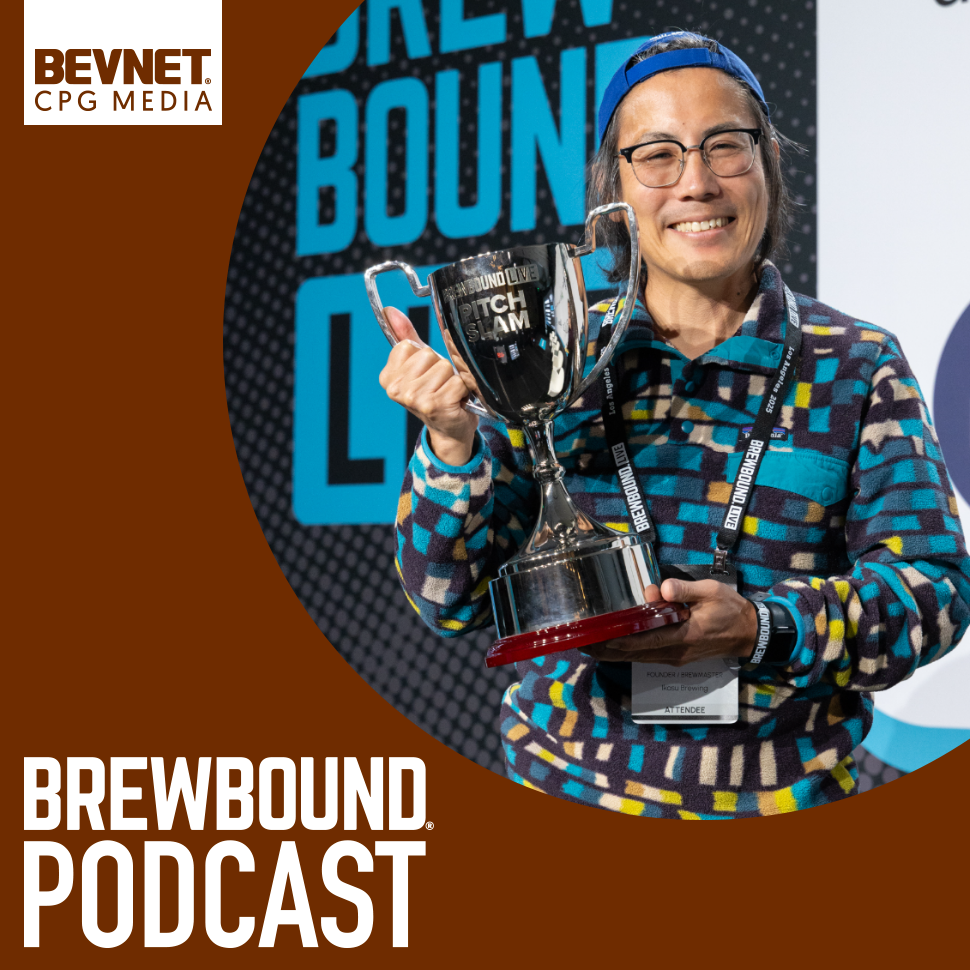
Innovation
April 16, 202637 mins
Ikasu Brewing Leans into ‘Weird,’ ‘Good Beer’ and Japanese Culinary Ingredients
Ikasu Brewing founder Masahiro “Masa” Kitano believes his Los Angeles-based, contract-brewed brand's plans to lean into “weird and good beer” that taps into Japanese culinary ingredients.Kitano’s history as a home brewer helped him craft out-of-the-ordinary beers, such as a matcha-infused gose.“It’s a sour beer with the aroma of matcha, but it doesn’t look green,” he said. “You smell it and it’s super unique. No one’s thought about combining sour beer with matcha.” Kitano’s beer, as well as his story of leaving a career as a medical researcher to chase his brewing dream, coupled with his infectious personality, propelled him to victory during Brewbound’s Pitch Slam competition at the 2025 Brewbound Live business conference last December.On this week’s Brewbound Podcast, Kitano shares an update on the business following the win and why he believes his pitch resonated.“I tried to make the pitch as simple as possible, a little bit stupid and a little be funny – magically it worked out,” he said. “I’m so glad that happened.”In the months since, the draft-only brand added several bar and restaurant accounts following the win and recently signed with L.A. Distributing Co., Kitano said. Ikasu continues to operate out of Los Angeles-based Native Son, where the brand has six taps dedicated to its beer. The relationship has helped Ikasu test new offerings and connect with a built-in audience. In this episode, Kitano goes deeper into his innovation process, as well as his aspirations for Ikasu, including plans to can Larigato, Ikasu’s Japanese rice lager, later this year for distribution.Before the conversation, the Brewbound team discusses craft beer’s 2025 production report released earlier this week by the Brewers Association. They dive into why Sierra Nevada leapfrogging Boston Beer as the No. 2 independent craft brewery by volume highlights the successes of one brewery and the shift in focus away from beer of the other.The trio also explore Mark Anthony Brands’ deal for the Finnish Long Drink, and which RTD dominos are left to fall/cash in.
Listen
February 19, 202651 mins
A Supplier’s Guide to Middle-Tier Consolidation
As the distribution tier continues to shrink, what must brewers and bev-alc brands do to protect their routes to market? ArentFox Schiff partner Nichole Shustack and senior associate Isabelle Cunningham joined the Brewbound Podcast to discuss how suppliers can navigate the turbulence that comes with wholesaler consolidation.
Instability across the middle tier shows no signs of letting up. Breakthru Beverage Group announced a restructuring this week that will result in about 500 jobs cut. Last fall, Republic National Distributing Company (RNDC) abandoned its California business after several major spirits suppliers terminated it.
Earlier in 2025, the craft distribution business in Southern California got a seismic shock when Hand Family Companies acquired Stone Distributing and Classic Beverage to form Sunset Distributing. An aftershock from that deal reverberated when Sunset acquired boutique craft house Scout Distributing in June 2025.
These deals and countless others like them can represent a loosening of otherwise tight contracts between suppliers and distributors.
“When you’re notified of a transaction, you should look at that as an opportunity,” Shustack said. “It’s an opportunity to evaluate the market. It’s an opportunity to maybe get a new contract in place. It’s an opportunity to maybe get some additional marketing commitments.
“You have leverage and there’s not a lot of time in a supplier-wholesaler relationship where you have leverage,” she continued. “This is one of the few times that you do. You want to make sure that you’re thinking about it early.”
Shustack and Cunningham also share updates on the uncertain future of the intoxicating hemp industry, which is slated for prohibition in November 2026. Congress is weighing several bills to delay the ban or establish a regulatory framework. The former seems more likely than the latter – especially with midterm elections on the horizon, Cunningham said.
“I think eventually someday we’ll end up with a regulatory framework for it just because of the demand and the money,” she said. “Coming into a midterm election year, I do not see anyone taking this up in earnest, but I don’t see them letting the ban go into effect, either.”
Before the interview, Justin and Zoe discuss a bevy of beer news, including the formation of the Oregon Beverage Alliance, year-end shipments data from the Beer Institute, BrewDog’s looming liquidation, Constellation Brands’ incoming CEO and global layoffs at Heineken.
Listen here or on your preferred podcast platform.
Editor’s Note: While the guests featured in this conversation are attorneys, the discussion does not constitute legal advice. Please consult your own legal counsel as needed.
Listen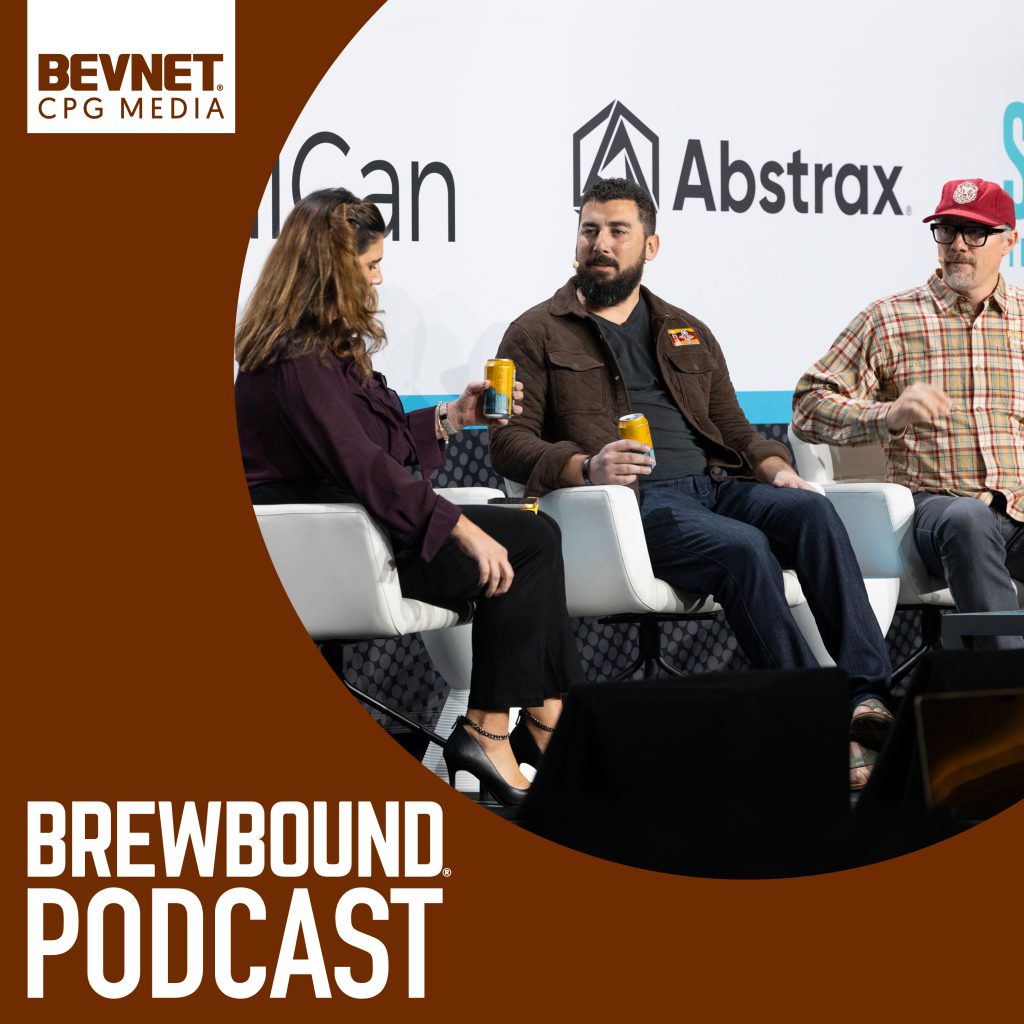
January 22, 202651 mins
Brewbound Podcast: How pFriem Family Brewers and New Trail Win the Home Games
How can craft brewers expect to win away games if they’re not winning at home? That’s the sports analogy pFriem Family Brewers co-founder and CEO Rudy Kellner used to describe the Hood River, Oregon-based brewery’s strategy when it comes to expanding its distribution footprint.
This week’s Brewbound Podcast highlights a stage conversation from Brewbound Live featuring Kellner and Mike LaRosa, COO and partner at Williamsport, Pennsylvania-based New Trail Brewing. Both breweries have secured impressive volume growth within footprints that don’t stretch far beyond their neighboring states.
Family-owned pFriem was founded in 2013, just as craft was riding another growth wave.
“We had a sense then that at some point in time, there was gonna be really, really good beer everywhere, and that, if you can’t win the home games, it’s gonna be really hard to win the away games,” Kellner said.
The ethos, combined with pFriem’s “scrappy, organically built operation” led the brewery to focus on winning in the Pacific Northwest before thinking about expanding. Today, Oregon and Washington account for 95% of the brewery’s business, with satellite markets in Idaho, Los Angeles, San Diego and Las Vegas making up the remaining 5%, Kellner said.
On the East Coast, New Trail has a similar breakdown, with its home state of Pennsylvania accounting for about 85% of its volume. Combined, Maryland, New Jersey, West Virginia and Delaware make up the remaining 15%, LaRosa said.
Since its founding in 2018, New Trail’s definition of local has evolved.
“When we started eight years ago, we were thinking local was the 10 counties that surrounded Williamsport,” LaRosa shared. “Then as time went on, we’re like ‘Well, could local be larger? Could it be Philadelphia? Could Philadelphia be local to us? Can Pittsburgh or Erie be local to us?’ So it just grew and grew and grew.”
Before the featured conversation, Justin – freshly returned from parental leave – and Jess discuss recent headlines, including the return of Dos Equis’ Most Interesting Man in the World, and whether or not nostalgia can bring in new beer drinkers.
Listen here or on your preferred podcast platform.
Listen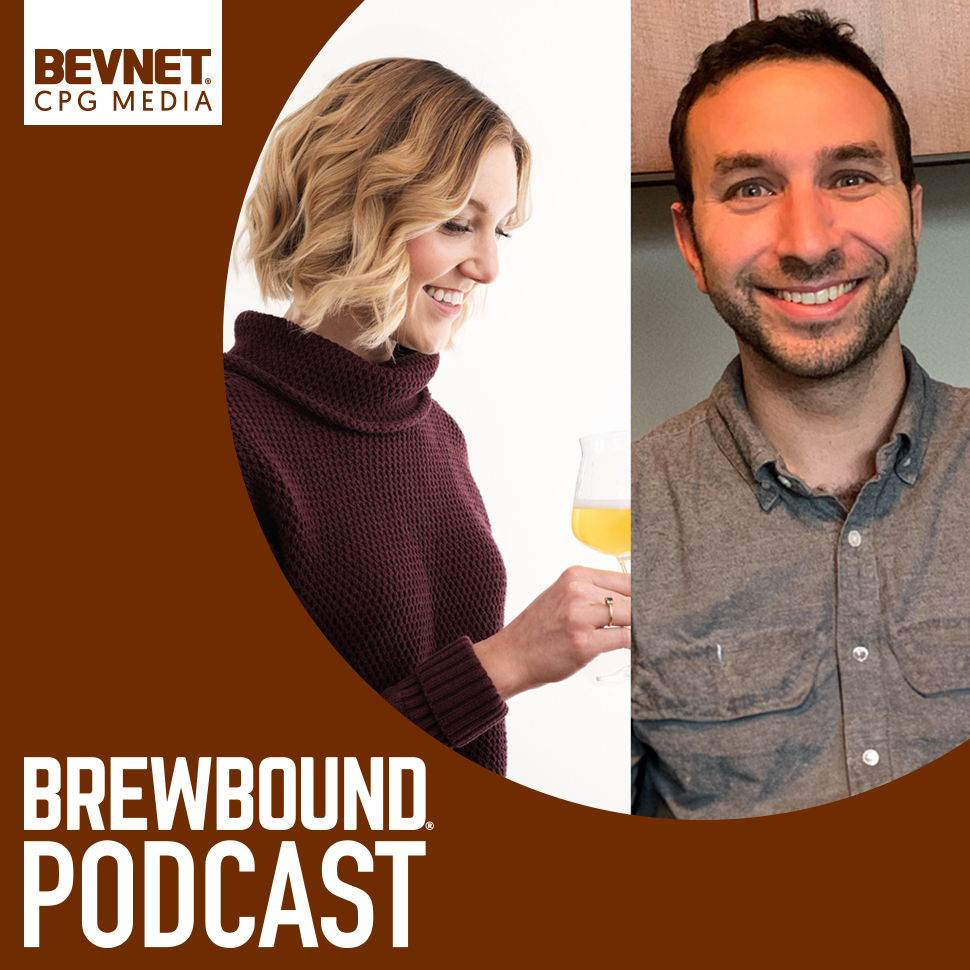
January 8, 202643 mins
Brewbound Podcast: The Year in Booze News
A new year means it’s Brewbound’s annual roundtable conversation with our peers in beer industry journalism.
This year, the Brewbound team is joined by Kate Bernot, lead analyst for Feel Goods Insights, and David Steinman, VP and executive editor of Beer Marketer’s Insights. The discussion covers the biggest bev-alc news stories of 2025, including middle-tier consolidation, overall category health and consumer sentiment.
Although full-year scan data has yet to arrive, the beer category is poised to finish 2025 with low- to moderate-single-digit declines in dollar sales and volume, if the trends of the first 11 months hold.
“We’re looking at decline after decline after decline – it’s something like 30 million barrels down from our recent peak,” Steinman said, adding that “some of that was inflated from the pandemic gains.”
“It felt like it was going to normalize at least multiple times over, and it just keeps on declining at this rate,” he continued. “It’s hard to really put a finger on exactly one thing, but it’s easy to look at the broad-brush of impacts on the trends, and it’s just a tougher business now than it really ever has been for a consistent stretch.”
The usual suspects of health and wellness trends, Gen Zs’ alleged broad aversion to alcohol and the rise of intoxicating hemp dominate conversations elsewhere, but Bernot posited that there’s something bigger at play.
“The story that maybe went under-discussed for me last year was the broader macroeconomic factors going on in the U.S. and the pressure on the average consumer and how that fits into the choices people are making,” she said. “We hear so much about health. We hear so much about cannabis, THC, etc, competing categories.
“I just didn’t hear enough about how pressured the average U.S. consumer feels,” Bernot continued. “We’ve known for a long time that well-off Americans are carrying a lot of water for the U.S. economy, but they can’t do it forever, and especially not in general CPG. You can only go out to a restaurant so many times. You only need so many cases of beer if you’re a wealthy family.”
In addition to high-level impacts on the beer business, the conversation also explored granular topics, such as the rise of Guinness in the on-premise, seismic shifts in California distribution and Anheuser-Busch InBev’s growing strength in beyond beer.
Listen here or on your preferred podcast platform.
Listen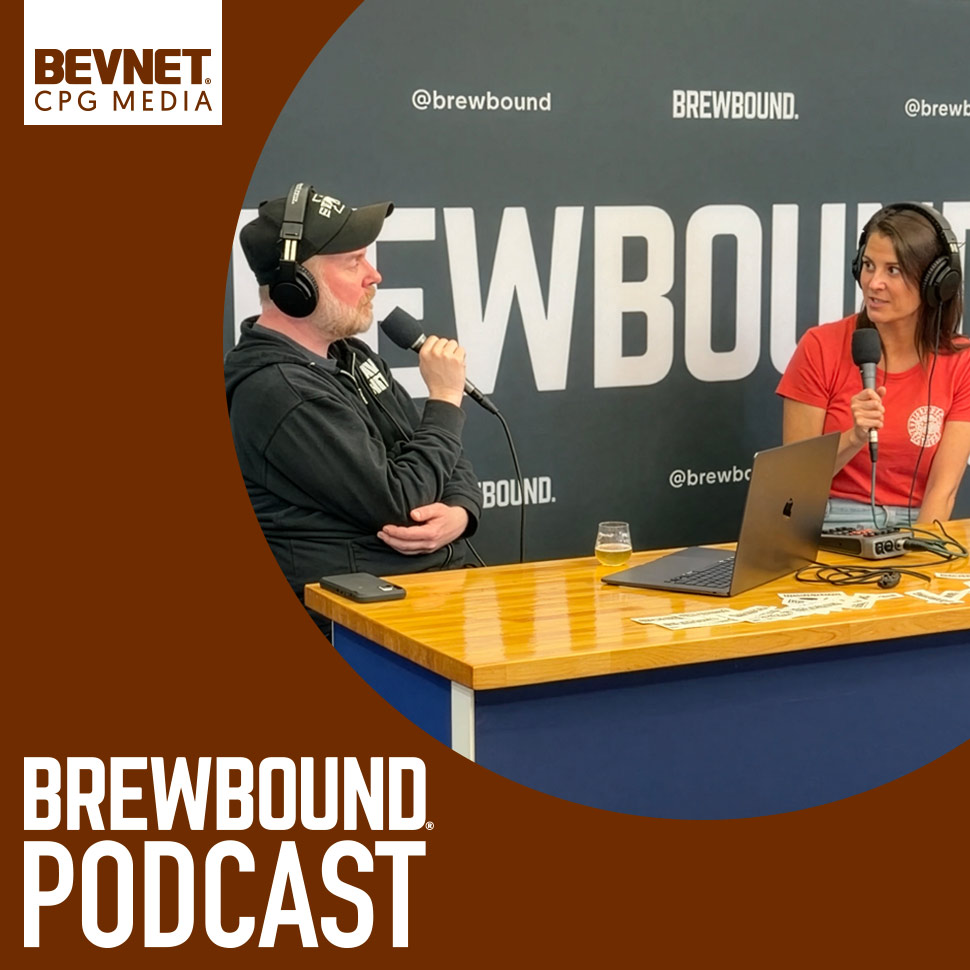
December 10, 202539 mins
Brewbound Podcast: A SoCal Vibe Check with Pizza Port’s Jill Olesh
Pizza Port wants to be a staple of your Southern California grocery run.
“I call it the Southern California grocery basket,” Pizza Port director of sales Jill Olesh said on the latest episode of the Brewbound Podcast. “It’s your chicken, your tortillas, your black beans, your spinach and your 6-pack of Swami’s [IPA].”
Pizza Port is riding a wave of momentum as the 38th-largest craft brewery by volume in 2024, growing 9% to 53,450 barrels of beer. Olesh credited the connection the brewery has forged across generations, as well as the value of the brewery’s flagship 16 oz. can 6-pack format, which the company launched in 2013.
“Part of the magic recipe, the lightning in the bottle of Pizza Port, is we’ve been so many things to so many people throughout their lives and a lot of those people who were coming as kids are now bringing their kids here,” she said.
In the conversation, Olesh discussed the pillars of Pizza Port’s sales pitch – “consistency, quality, affordability, availability” – as well as the mindset that carried her through the recent SoCal distributor consolidation as Hand Family Companies bought and merged Stone Distributing, Classic Beverage and Scout Distributing into Sunset Distributing earlier this year and why she’s optimistic for 2026.
Plus, hear the real-time reactions from the Brewbound team on Anheuser-Busch InBev’s $490 million deal for 85% of party punch maker BeatBox, as well as quick recaps on a proposed class-action lawsuit against Boston Beer and how the night before Thanksgiving busted this year.
Justin, Jess and Zoe also share their Spotify Wrapped results, with some surprising – and not-so-surprising – results.
Listen here or on your preferred podcast platform.
Listen