Search across the BevNET CPG Media network including BevNET, Nosh, Brewbound, Taste Radio, Nombase and CPG Jobs.
Pitch Slam Finals
Transcript
Note: Transcripts are automatically generated and may contain inaccuracies and spelling errors.
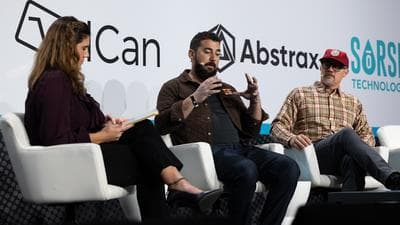
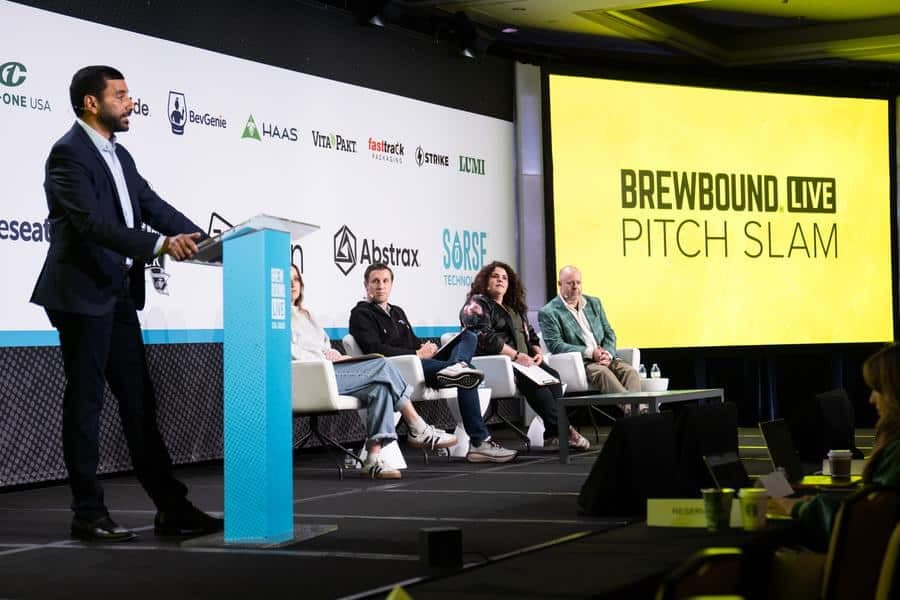
Ray Latif [00:23] All right. Thanks for joining us for Bevnet Live's Pitch Slam. My name is Ray Latif. I'm the editor and producer of Bevnet's Taste Radio podcast, the number one podcast for the food and beverage industry. I'm also the host of today's competition. The Brewbound Pitch Slam is a one-of a-kind business pitch competition that gives entrepreneurs behind the beer industry's next breakout brands an opportunity to sample their innovative products and showcase their business plans to an expert panel of judges, the audience here in Marina del Rey, and those watching the live stream. The entrepreneur with the best overall pitch and product will be awarded a $10,000 industry awareness package from Brewbound. We have founders representing 8 early stage brands presenting today. Each will have 4 minutes to present and receive 4 minutes of immediate feedback from the judging panel. If the presenters attempt to go over the 4 minutes, they will hear this sound, which is kind of dreaded and awful. You don't want to hear this sound, Ed. No. Don't get gonged. The judges have already sampled all of the products. After all the brands have presented, the judges will convene and we will announce the winner live on stage tomorrow at 12:15 p.m. Pacific time, not today, tomorrow. All right, let's meet our panel of esteemed judges beginning. This wonderful person directly to my left, Ray Bebuck, who is the founder and CEO of Hooray's Girl Beer, a female-led brand redefining how women are seen, spoken to, and celebrated in the beer industry. He brings a sharp blend of corporate experience and beverage industry insight to building a bold flavor-driven beer designed to challenge old stereotypes. Ray's Girl Beer won the 2024 Brewbound Live pitch slam, which of course propelled the brand's rapid rise. Ray,
Speaker 2 [02:20] it was all because of you guys.
Ray Latif [02:25] Next we have a veteran of the pitch slam. His name is Ryan Lake. He's a managing director with JPMorgan. Ryan advises breweries, wholesalers, and beverage platforms on M&A, capital raising, and portfolio strategy. He partners with founders and executives to navigate three-tier distribution, retailer dynamics, and consolidation, unlocking growth while protecting brand equity. We're really lucky to have Ryan Lake. We're also very lucky to have Samantha Fletcher, who is the senior category merchant for adult beverages at Whole Foods. In her role, Samantha oversees adult beverage categories for one of the most influential retailers in the country, giving her a unique perspective on what drives sales. You got to wait till I finish. I think that was giving her a unique perspective on what drives sales, shelf placement, and consumer engagement, Samantha Fletcher. And last but not least, the man, the myth, the legend Don Bixel. He's the founder of Three Tier Beverages, a Chicago-based fractional data analytics and sales consulting firm. Don has been in the beverage industry for over 3 decades, and his career spans retail, national suppliers, and leading craft breweries. He has built, managed sales, marketing, and distribution teams with SAB, Goose Island, Heineken USA, Dogfish Head, and Revolution Brewing, where he helped grow the business from the ground up, Don Bixel. I can. I, I, I think it goes without saying that this is a stellar judging panel and I cannot wait for them to hear the pitches that we have from our entrepreneurs today who are also equally awesome. Let's get to our first contestants for the pitch slam, Brenna Turner and Joey Laibs, the co-founders of Sake High. Come on up. Hello, nice to meet you. You got one microphone. Joey, good to see you. We'll do that. There's your clicker. Please keep an eye on your timer.
Speaker 3 [04:34] Hello. Hey Joey, aren't you sick of beer? And how many people our age are really getting excited about another Napa cab? Young drinkers are over wine. That's what their parents drink. So what if I told you we have something with clean ingredients, still makes you feel social, maybe a little flirty, and no hangover. You see, Gen Z isn't drinking less. They're just drinking differently. They don't want what previous generations wanted. Rather, they want something unique and flavorful, and we think there's an opportunity for something better. Sake is having a moment. Even though wine consumption in the US is declining, sake's on the rise. But here's the thing, there are 0 modern sake brands. Legacy players are dominating the category with marketing that doesn't speak to today's generation. So we created Sake High, our classic Junemai sake cans and bottles with bold branding, sake for today's drinker. Sake High is for your partiers and your foodies, social enough to last all night, sophisticated enough for your favorite meal, but our customers wanted more. That's why we became the first sake brand to innovate with RTDs, and we launched the first ever sake spiked teas. Think twisted teas, but way cooler. RTDs are exploding, but no one's done one with a sake base. We're combining Japanese flavors with the sessionability of RTDs. Premium positioning but approachable, cooler than hard seltzers, cheaper than raft cocktails, gluten-free, and no added sugar. And since launch we've seen amazing traction in the past year. We're the fastest growing sake brand in the Los Angeles market. 650 plus retailers across six states and with a concept no one thought would be possible with sake, like Michigan Football Stadium and Italy, all with no brokers, just pure organic demand for sake. Plus we have more coming in Q1 next year. We win by being where people simply drink alcohol from tastings and store demos to curated dinner parties to some of the coolest bars in LA. We're using proven tactics that retailers love. That's why our new accounts see over an 85% reorder rate. So why us? We've loved sake for years, but we never had brand loyalty, and we weren't alone. Thousands of customers agreed with us. They loved sake but lacked the education and access to become true category loyalists. With our connections to the Japanese sake industry and our understanding of the modern consumer, we're able to bridge that gap and position us to be a premium sake for the masses. And we're backed by a legendary female advisor team from Desois, Amas, Southern Glazers Wine and Spirits, and Live Nation, all on their food and bed teams, all women who have built and sold major beverage brands. And coming next year we're expanding our portfolio even more with bottle Infusion's brand collaborations and making Japanese inspired cocktails and sake spiked teas. Our portfolio will fit every customer's palate, and listen, we are obsessed with our pure sake, but we know it's not for everyone. Here's a new look taller, sleeker, convenience ready. Sake High will be the first sake company to have a brand portfolio spanning across multiple categories teas, bottles, RTDs, you name it. So in a world full of trend followers, sake high is paving a different road, truly setting us up to be the defining sake brand of the next decade. So the next beverage cult brand isn't coming, it's already here. Thank you.
Ray Latif [08:29] 7 seconds. All right, well done. Slide up to this X here which says Hi Ray. It should say hi Brenna and Joey. Actually, uh, Ray, Brenna and Joey mentioned that Sake Hai is a beverage brand for the next generation. You will know a little bit something about creating a brand for the next beverage, excuse me, the next generation. What do you think of the presentation?
Speaker 2 [08:51] I don't know. I thought it was awesome, um, and the liquid was good. I think the, the packaging is very thoughtful. Um, I guess main question for you guys as you think about expansion, um. Just in terms of SKU proliferation, um, do you think that having, you know, building out a portfolio is, is the right approach, or do you think having some more focus, because obviously you can kind of overindex on too many SKUs, but what's the logic there?
Speaker 3 [09:21] Yeah, great question. So when we launched these this summer, it actually did not cannibalize any of our classic June my sales, which was a Really strong sign to see that different customers were buying it. On top of that, you know, the sake, even though sake is hundreds of years old, it's still a relatively new category in the sense that it's only in sushi restaurants right now. So to see it expand outside of that, we do want to throw a lot of options and see what's really connecting with our customers.
Ray Latif [09:49] Ryan, we heard that Sake is having a moment. Uh, is it? Um, well, first of all, I think I'm required to say that my opinions are not JPMorgan's, but get that out of the way. Look, I think it's interesting you've chosen a category that very few others are going after, um, which I think can be good or bad. I mean, I think it's obviously a smaller adjustable category than some other subcategories of beverage, which means that maybe you can own it, which could be a very positive thing. I'm not seeing a lot of innovation in sake, which I think again is partly because of the size of it and the fact it's so dependent on one channel, but I think if you all have a chance to really expand that and do something interesting and take it beyond the Sushi Channel, it could be interesting. Samantha, we saw packaging in the sample room. We saw the next evolution of sake hot pie packaging. What do you think of the, well, the new iteration?
Speaker 3 [10:33] I think the packaging was very eye-catching, so congratulations. I think you found a very nice balance between fun, bold, eye-catching, yet you could still know exactly what the item was. You weren't confused, you weren't, um, is it this, is it not, is it this, is it not? Um, I did have a question for you on how did you decide what was a non-negotiable to be on the can? What was something that had to be on there that you thought was key for your packaging? Yeah, so we're actually, as you guys saw in those last couple of slides, we're revamping it because we thought that we didn't maximize the potential of the can, and they're small, they're 200 mL, so we're actually going back to the basics and reiterating on that. And so we'll lean into it's gluten free, we'll lean into actually the calories and the nutrition label. We're all about transparency, so we're trying to bring that into a lot of our packaging right now. And obviously the birds never leading. We, we actually have two birds on the next can,
Ray Latif [11:30] so nice. Thank you. What's inside the can matters most, right, Don? And what's inside the can matters most. What do you think of the taste of the two products you tried? I enjoyed them. I enjoyed both of them. I would have, especially with the white tea peach. I expected it to be a little sweeter, a little stronger, but it, but it did hit on all the things that I expected after reading the can. Same thing with the ginger. I got a little bit more of the ginger as it warmed up a little bit, but I think that those were the two things that I think that you could have brought up the sweetness from the peach and a little bit stronger on the ginger side of it, but they were both approachable and both easy to drink. Um, a little bit like Samantha, I've got a question. Um, where are you currently being put in all the retail stores and where do you want to be aspirationally in the stores?
Speaker 3 [12:18] Yeah, so we only have 20 seconds. So our black cans are normally in the sake, but we actually did some AB testing in LA. When we're in a cold fridge, when we're next to the High Noons, the White Claws, we sell 350% more. That's when we came out with these and still people are trying to put us in the sake section and you know, working the customers, doing the demos, we were able to get into those fridges to see that better sell throughput.
Ray Latif [12:44] Well done. Great job. Congratulations. Thank you so much. Thank you. Yes. And our operation team thank, thanks you for the respect of our timer. I'm sure they're very happy about that. All right, up next we have John Gilarte. I hope I'm pronouncing that correctly. He's the owner and brewer of Little Friends Brewing. John, come on up. Hello. You're clicker. Please keep an eye on your timer.
Speaker 2 [13:18] Good afternoon everybody. My name is John Galarte. I am the owner and founder of Little Friends Brewing. We brew beer, uh, for good times, good friends, and good dogs. We've been brewing in South and Central Florida since 2020, and essentially what we're all about is making easy drinking beer. I've been a lover and a student of the beverage industry for a very long time. Started as a bar back all the way through brand positions, but I like to highlight mostly was my time working with Distilled Ventures, which is the incubator for Diageo, where I learned how to pay attention to key consumer trends, how to be a good founder, and how to scale correctly. We've had a few wins. Uh, the biggest one was us being featured in the Lazy Dog Beer Club this summer, uh, which is a California-based company, uh, that's alongside Lagunitas. So we were very happy to be able to kind of see a proof of concept and be able to see our story being told across the country. Like I mentioned, we're all about making easy drinking beers, so we're focused on the low alcohol beer category. As we all know, it's growing very fast. We've got a lot of great players here and in business, you go where the growth is. So we have a 6.1% Kagger, and then that market will double in the next less than 10 years. As we mentioned, paying attention to the consumer trends is important. Gen Z's changing. The occasions drinking, but we're focused on the last two, mostly elevated taste expectations and occasion-based drinking. So we're all focused with the two-legged friends and all the beer drinkers there, but we're really going to start working on the four-legged friends and including them in our positioning and the occasion. So I'd like you to meet the pack. This is our rescue dog line. Our rescue dog collection donates 1% of sales to a non-kill shelter in Florida. This is a purpose-driven branding. It's approachable. It's inclusive. We're building loyalty through impact and all this gives us an authentic differentiation while also seeding our American lager in Florida, trying to be Florida's lager. Quick slide to show you how we're driving the value proposition down into the market to make people know that it's the truth. A quick idea of how we do our social media to focus on future rescues. And we think we're perfectly placed to win. We're aligned with the easy drinking trend, with 3 out of 4 of our beers in the 4% category. Our rescue dog has a collection, our rescue dog collection has a story to tell. 70% of Americans own a pet. It's purpose driven. A distributor can talk about it. A consumer can talk about it, and so can a retailer. Our American theme rebranding of Johnny really resonates, as everybody knows right now, and we think that gives us a clear differentiation. How we're attacking that opportunity and right now as we've got a better contract brewing partner with 10 years of making great beer that'll allow us to elevate quality and scale. We have a dedicated field marketing agency that represents brands like Tripping Animals and Oyster City, and we're going to make that big move that everybody's talking about, which is depletions through the ECOM. Just to kind of pull it all together because we've talked about digital and we know that all these things have to kind of flow, but for the on-premise we focus on monthly rescue dog meetups to again drive the value proposition and really get that person behind us. We're driving reach at retail by focusing on beautiful branding. We saw the note about the tap handles and then working on digital sweepstakes that move us into the customer funnel and allow us to start building the CRM in a way that's meaningful and as we all know, kind of getting beer rotating in different ways. So we built something made for good people, good times, and good dogs, and now we're looking for good partners. So, thank you very much. I appreciate the time.
Ray Latif [17:06] Hold on to that. You can hold on to that in case the, uh, yep, great job. Well done. If you just pull up to the X that way our cameras can see it right there. All right, Ryan, in terms of the value proposition for little friends, John talked about being purpose driven and also an easy drinking beer platform. What do you think about that value proposition? Yeah, I think both of those make sense. Obviously finding a cause that you can attach your brand to the customers resonate with is always good. Going after a large market, which is good, obviously super competitive, but I think finding something that gives the consumer a reason to buy your brand other than just the price point and the flavor in the package is always a positive. Appreciate it. Samantha, a lot of, uh, shoppers at Whole Foods are purpose-driven, want to buy purpose-driven brands. Do you think this is a product, a brand that would fit in your stores?
Speaker 3 [17:52] I do, I do think that it, it was very refreshing to see a brand that was so kind of philanthropy forward, if you will, um, as a retailer, that's something that we've definitely stood behind and said very proudly with the brands that we, we try to support that have that philanthropy bit. Um, I, I would caution to not have that be the whole concept, right? It's definitely helpful, but not to put all your eggs in one basket, if you will, but I do think that it, it's definitely something we look for, absolutely.
Ray Latif [18:21] Yeah. Don, can you comment on the packaging and the flavor of the beer that you tried? Yeah, adding on to what Samantha was just saying as well is if you're going to go down that path and that is your mission, I would like to have seen that like screamed out a little bit louder on it. I mean, I had to search for that a little bit more. I mean, I think that that would be the one thing as well and not to be completely all in on just the one thing to get a get a larger audience from behind it as well, but really screaming it out on your packaging a little bit more about the 1%. Yeah, did you have a comment on the, on the flavor of the beer that you tried, the, the single skew? Yeah, it's same thing, and we, we had talked about this as well. It just, uh, the mango was good. I, I think once again, just stronger. I mean, just, just really making that the focal point of the beer and making sure that that hit the palate first, yeah. Ray, as someone who's relatively early stage or operating an early stage beer company, what should John be looking out for? What did you see in the presentation that might have given you pause or made you excited?
Speaker 2 [19:15] Well, I think my main, um, first of all, love dogs. Amazing, uh, you know, I, I think it's a novel concept, and there are definitely some other brands out there. I know Dave Portnoy is, you know, kind of pushing Miss Peaches and Uh, I think it's an approach that, um, you know, comes from a great place, so I, I really respect that. Um, my main question for you, or at least something that I think is really important for early stage brands, is, you know, really tight sales strategy and distribution strategy. I mean, you know, it's one thing to have a brand and a product that people love, but that's probably like 1/4 of the battle, uh, you know, having. Really solid distribution and a, a really thoughtful sales execution strategy is like critical. So, I'm just curious, if you, you know, where, where are you guys now and where are you guys planning to go and, and how have you thought through your, your sales strategy? Thank you all for the comments. Um, you know, what I mentioned in, in this time with working with the VC of Diageo, which is you have to win your home state first. So even though you know how to scale, it's more that, you know, my opinion is we built the concept of rescue dogs so that it is appealing to scale, but first we win Florida. So I've been seeding the lager for 5 years, taking time with Total Wine and getting a world of beer, just kind of getting the name out there. I also have twins and a family that I have to balance that out with, but win Florida first, this change has been very good for us from the rescue dog from getting here to getting a better distributor in Florida, and then that's kind of done that. So we focus with Total Wine, the rate of sale there, make sure the reorder rate is good, win Florida first, and then expand out.
Ray Latif [21:00] All right, great stuff. Very well done, John. Thank you. I, I really loved the longer package. All right, up next we have Victoria Ashe and Carl Ziegler, the co-founders of Rose Aid. Come on up. Am I hello, nice to see you a little bit microphone. Good to see you, microphone. Here's your clicker. And please keep an eye on your timer.
Speaker 4 [21:30] Hi everybody. We are the husband and wife co-founders of Rose Aid USA. We produce Rosadid Spritzer, which is a wine-based RTD originally conceived by our co-founder, Lee Smallman in Melbourne, Australia. Rose is a refreshing twist on a wine cooler made with top-notch rose wine, fresh squeezed lemonade, and we're always made with 100% all natural ingredients, which is why we trademarked the phrase it's just a better day drink. We are based here in Redondo Beach, California. We launched in 2021 and have been building the brand by being scrappy, determined, and with minimal investment. Carl and I have been in the wine business for 20 plus years each, and typically our end all be all was getting, you know, a review and wine spectator, wine enthusiast, but not so much with Rose A. Our, our most treasured accolade are from publications like Cosmopolitan magazine. This is where, this is where our target demo lives. We skew heavily female and LGBTQ from legal drinking age to 50 plus. Uh, from the beginning, people have been drawn to the brand. They're intrigued by our bright pink cans and Lenny the Lemon logo. Um, we. The branding draws them in and the taste wows them. We're low in calories and sugar while still maintaining 8% ABV. All the nutrition info is on the cans and on the 4 packs, and our liquid is more distinctively tart than sweet to provide more refreshment. Carl and I have been on the ground. getting sips to lips since day one and what what was born of necessity became essential market research and we listened to the public when some of them said we want something a little bit sweeter. So in 2025 we produced our strawberry and pineapple flavors that add a hint more sweetness while Excuse me. A hint more sweetness. In addition to our wine, food, beer, and music event events, we also collaborate with artists who are drawn to our brand, as you can see through the sneakers, and we sponsor athletes like our AVP, you know, volleyball player Tiara Gibson and USTA teams who wear our gear and expand our circle of engagement.
Ray Latif [24:13] We, we realized early on that our best route to market was in the grocery and chain channel. As I, as we noted, our primary demo is female, and this is where they shop. So we had an initial success at Rayly's and Bevmo. We, we parlayed that into, um, a placement at Safeway NorCal. Along with that placement came a two month planner program where we utilized the 4 case display rack. We did, we were doing like 15 demos per month and that really juiced our velocity and in turn our Nielsen data. So from there we continued to do demos. We, we got our, our Nielsen data to continue to grow and our most recent success was with 3 SKUs and Albertson's, Vaughn's and Pavilions and all 330 stores in SoCal. Um, we are doing 40 demos a month there to push velocity, and, and we're also continuing to do demos at Total Wine, Bevmo, and we are going into Ralph's in February and we'll continue to push there as well. From the production side, we have two established supply chain partners, Lang Twins and Lodi, where we do the wine, and then Sierra Nevada Brewing in Chico's doing all of our canning and help us continue to spread the good vibes. Thank you very much. Thank you. We didn't get the gong. We
Speaker 4 [25:36] didn't get the gong.
Ray Latif [25:38] I thought we were. Did you run out of time? I couldn't tell. OK, perfect. That's why you didn't get the gong. We didn't get to talk about our 750 mL bottle. You just did. There we go. There you go. Well done, Samantha. It feels like the branding kind of skews a little bit younger. I don't know if you feel the same way. And what do you think about the broad appeal, the broad opportunity for Rose? Well,
Speaker 3 [25:57] I love that you say that it skews younger because I was just commenting that this is all over my algorithm right now, so I appreciate that. Um, yes, I agree. I do think that it appeals to a very broad spectrum. So I think that Rose has gone through a very quick, um, pattern of popularity to where at first it was just for the old and then for the young and then for the everybody. So I think that you did a very, very good job with very simple and direct, um, design with your label and your design. You know exactly what it is when you look at it. You know Rose Aid, and I think. I can't even imagine how many iterations of the logo you came through, but it's, it's quick, it's easy. You know exactly what it is. So I think that hopefully I'm answering your question. I think that you were able to appeal to all age demographics, and kudos to that. Good job. Thank you. Yeah,
Ray Latif [26:51] Don, in non-elk, oftentimes lemonade is seen as a seasonal beverage. Do you see rose as being a beverage that could be sold all year round? Yeah, I definitely do, and I think that some of those seasonal walls have come down over recent years. I mean, the one thing that I really took from this package was you set it to wow, I really, the rose, the rose and the lemonade, the original, is just perfect. I mean it's got a great light nose to it. It's got, you know, the perfect flavor and it truly surprised me and knowing now that it's made at Sierra Nevada, I can kind of see some of that and then 4000 points of distribution is fantastic. As you move into the secondary packaging, are you looking to do like a mixed pack, or we have a variety pack, yeah. So in addition to the original and the pineapple, we also have a strawberry. So the variety pack, which is actually in all the Albertson's Vaughn's pavilions, um, it's 2 of each, so 2 original, 2 pineapple, 2 strawberry. Yeah, it hit on the nose and everything that I was expecting for it. So great. Thank you very much. Thank you
Speaker 5 [27:52] so much, yeah,
Ray Latif [27:53] and thanks to your partner Danny. Uh, Ray, you've had rose, I'm sure rose wine, that is. You've had lemon, I'm sure. Do you like the combination of the two?
Speaker 2 [28:01] Yeah, I mean, I was pleasantly surprised by the liquid for sure. I'd say the only point of feedback, especially if you're going into, um, variety packs, is there, I think you can pump up the flavor on like the pineapple. Well, I had the pineapple on the original and Um, it was hard to delineate between the two. I think there's opportunity to like pump up the flavor a little bit more, but overall I thought it was like fantastic, really not meant to be overly critical. I'm most curious because I think you guys probably have a similar shelf issue is sort of like the beatboxes of the world where, you know, they were a wine-based product but placed best in like a seltzer set. Where, where are you guys placing? Are you guys talking to wine buyers? You you guys talking to the beer buyers? Like how's that going? That's kind of up
Ray Latif [28:45] to the retailer. Like if we had it our way, we want to be an RTD. We want to be next to surfside. We are
Speaker 4 [28:52] an RTD, yeah, yeah, we are. It's just that we are wine wine. We're a wine-based
Ray Latif [28:57] RTD, so we get lumped into, you know, canned wine sometimes. And now like with Beatbox, that isn't necessarily a terrible thing. So like at AVP we're on the shelf next to Beatbox and like the Minute Maid and like all these new and the Buzzballs, like all these new wine based because wine-based cocktail categories is exploding. It's hockey stick right now so we're we're OK, we're OK there, but we'd really like to be next to surfside 9 noons, Ryan, we've got 30 seconds left. You get the last word on roseed. Yeah, I like the innovation. The flavor was great. I do think you're right. You want to push as hard as you can to be in the RTD section. You don't want to be pigeonholed in the canned wine. That's no man's land. But I think you're doing the right
Speaker 4 [29:35] things. Thank you. Thank you so much.
Ray Latif [29:37] Outstanding. Really well done. Great job. Great job. Well done. Who would they call on for you? Thank you. Who would they call on? Yeah, you can leave it there. Thank you. They kind of live in that. All right. Our 4th finalist for the brew, uh, excuse me, the Brewbound Live pitch slam. I've been doing 3 of these, uh, Masahiro Kitano, who's the founder and brewmaster with Ikatsu Brewing. Come on up. Hello. There you go. Here's your clicker. Please keep an eye on your timer.
Speaker 3 [30:10] Hi everyone. I'm Masa. Before telling you what the Herias Brewing is, I wanna start with who the hell I am because this brand really reflects my life. So I was born and raised in Japan. As you can tell, I was so cute. Obviously, so genius. I earned PhD in Medical Science in Japan and then moved to Los Angeles to develop my career as a cancer biology scientist. Everything was, my life was successful, stable until someone introduced me to homebrewing, and then everything went downhill. I breed every other weekend, usually I got 2 or 3 batches to do some experimentations. I even built the AAP Kisa in my tiny apartment to do the sensory analysis and became the vice president of Soccer Serra Perros, the local homebrew club. I studied hard, became national ranked Per judge and advanced Cicero. I entered my beer competition, won a bunch of medals, and did multiple collaboration with Pro Brewers. At that point, I realized I knew I wasn't going back. Then everything changed again when I met with John, the owner of Native Sine Ray. He gave me access to the abandoned brewery space in his bar, which is originally made by modern times. So I now brew caso beer in the middle of downtown LA. When you stop by, there's a very high chance you see me doing extremely serious sensory analysis. All right. So since this April, the brand grew up organically, so we only offer kegs, but uh we self-destroy over 20 locations throughout the greater area. As a one-man show brewery, I'm so proud of that. All right. Now, what the hell is gas, right? So in Japanese, ikasa means it's cool and revitalized and utilized to full potential, which is basically what I do, right? And then there's a logo. This is squid. Which is ika in Japanese, you know. Like, uh, you never forget this because no one uses stupid squid in the brewery logo, right? So this is how it works. All right, so far I made 7 beers, including 4 heavily Japanese inspired ones. One is rarigato, which is Japanese rice raga using real Japanese rice. Koami, American powder with black sesame. Matcha tart is goza, which is German sour ale with matcha green tea. Yuzukosho is a spicy saizong with yuzukosho chili pepper. So my goal is to introduce Japanese culinary culture into beer that is unique, but you know, more importantly, it's freaking good. All right, so I want to end this with the meaning of my flagship beer arigato. Arigato means thank you in Japanese and ray is, of course, Los Angeles, right? So this beer represents my gratitude to the LA LA community, like brewers, home brewers, friends who brought me from the scientists in the lab to the brewers standing right now, right? So without them, It got to never exist. So domo arigato and compai.
Ray Latif [33:58] Great job. If you could just pull up here to the X. I gotta say that presentation was freaking good, really good. It's stuff. Uh, Donna, you know, in the sample room, I feel like you probably had some questions. I think the presentation, maybe you have more questions now. You couldn't have set that up any better. Um, I, I, I, I like the product. Um, I enjoyed it. I, I thought that a little malt forward on a couple of them. I think that they. The porter could have been a little stronger, but taking that all aside, great presentation, great presentation. If you could give all of that more on the label and get more of those descriptors on the label, I think that that would be a big step forward for you and your brand, right, listening to you present and talk about it. If you can get that on the packaging and expand that packaging and be able to share that message, I mean, it's like,
Speaker 3 [34:47] yeah, totally. So I just made a label two days before bringing here. I wasn't. They bring my, yeah, totally, totally understandable. Yes,
Ray Latif [34:57] all right, thank you. Yeah, Ray, there were 2 beers that, uh, the judges sampled. Uh, what do you think of each
Speaker 2 [35:02] one? Yeah, I mean, I thought they were, they were great. I'd echoed Don's, um, sentiments about the packaging, but makes sense and, um, love the presentation. I mean, total vibes, dude, like great, uh, and I think translating that into your brand is just gonna, you know, um. Do you, do you a lot of service.
Ray Latif [35:25] Yeah, thank you, Ryan. I, I think the audience is gonna find out. I think there are only 2, we call them regular beer brands that are part of this competition. Um, does Icasu have what it takes to really stand out among beer consumers? Yeah, we had 2 beer brands at a beer conference. It was amazing. Yeah. Um, look, I think the, the porter was phenomenal. Um, I disagree with Don. I thought it was perfect. Um, Don, I'm on a stronger one. No one's making porters anymore, so I'm glad you are, um. Yeah, I like the, I like the concept. Um, I know you're brand new, but you got to get your personality and your energy on the label. Like that's, that's infectious. If you can get that on there, and then with the quality of the beer, that's a winner. No, Samantha, any questions from Asa now that you heard his presentation and what you saw and sampled in the room?
Speaker 3 [36:05] Um, great job. First of all, I, I mirror all of the sentiment that you did a great job. I did have a question for you. If the simplicity of your package, and you've kind of answered it, but if the simplicity of your packaging was intentional or if that was just because it was such a new product, and the reason why I ask is because I think that's going to have to be a. Decision of a strategy on your brand if you stay that simple or if you're going for that rustic silver can sticker on it, if that's how it's always going to be, and if so, fabulous. If not, I'm just curious if that was intentional. Yeah, the packaging was made in rush again, but I prefer being simple, you know, simple packaging. So I, you know, even with the capability, I try to be simple and sick, you know. But, you know, maybe I changed my mind. Yeah, to be clear, nothing wrong with it. I was, I was just curious on that, and I, I do agree, um, with those of us who liked the flavor of the porter. I actually, to argue, to argue a little bit with it, I actually thought it gave me more of a like black lager vibe than necessarily a porter, but as Somebody who always tries to fill little niches of flavor when they're picking items, I agree with the fact that there are not a lot of porters out there right now, and to have one that is so approachable, so light, and potentially year round, I was really kind of blown away with the flavor, and I had my aha moment with the name of it that it's a Maybe it's not an aha that it's a play on umami. The word, it's a goami. Goma means like a ami, yes, right. It was, I, I did not understand the name at the time, but it's fantastic flavor. Um, congratulations.
Ray Latif [37:47] Thank you. Yeah, great feedback, great presentation. Well done, Amasa. Thank you. All right. On to our next contestant for the pitch lamb, we have Julie Rhodes, who is the COO of Kickfiz. Come on up. Hello, good to see you. Here's your clicker. Please keep an eye on your timer.
Speaker 4 [38:18] Hi everyone, I'm Julie Rhodes, COO of KPiz. That's a little hard to follow, I'm not gonna lie. Um, so just like our little meal buddy on our can right here, we are a very small brand right now, but we definitely kick above our weight class for sure. Um, Kick Fizzz is an award-winning low-dose alcohol-free, hemp-infused beverage built for every single drinking occasion. So we launched intentionally lean with just two skews. That was very much on purpose. Both are infused with hemp-derived delta 9 THC and CBD. First up is the evening buzz. That's our black cherry vanilla. It's rich and smooth. It is perfect for winding down after work, dinner with friends, or maybe Netflix and chill, whatever you want to do with it. Then there's day drinking. It's the counterpart. It's a mixed berry lemonade, drinks more like an Italian soda than a seltzer. That's the vibe it gives. It's got a little kick of caffeine, so it's perfect for day parties, um, brunches, and a little work from home breaks throughout the day. But between these skews we've racked up quite a few awards, and please know that those are not just for our flavors, but they're also for our standout packaging. So why lounge now? It's kind of chaotic, right? There's a crowded market, regulatory unrest, as you can see. The market numbers kind of speak for themselves, right? There's still a lot of growth and potential in this category. Beverages also speak a really common language that most people already understand, so the occasions for a low dose drink fits the same occasions as like a beer or a glass of wine. The Kick Fizz customer that we have currently also mirrors most of the people that are buying a lot of beverages right now already, which is ages 25 to 55, majority female, and those looking for any options that still feel fun. And we are not trying to be everywhere. We are focused on hemp forward markets that are already developed, but that aren't overcrowded already, so we're very selective about that. So what makes us different? First and foremost, we're occasion-based. If you didn't notice, the label literally tells you when to drink it. We're helping customers select a drink for the moment that they're in instead of picking out a style. The other thing is we're super approachable, so it's infused. But it's not frightening. Every can also has really simple consumption instructions right on each label. And finally, we're flavor forward. This is not a very sad, boring seltzer. We use real fruit and agave nectar for winning flavors that never disappoint. So we launched DTC first. We're only online right now to build brand awareness, now proof of concept. It's driven by extreme digital marketing campaigns and user generated content. We've got really strong margins across various channels, and that will only get better as we scale, and we have a friendly shelf price which reflects customer value expectations. So who's behind the team at Kick Fiz? We're tiny. We're 3 people. Um, I might be the COO, which sounds fancy, but this is not my full-time gig. Uh, my gig that pays the bills right now is that I'm actually the owner of a beverage business consulting, uh, company, and I help brands like myself actually navigate sales, marketing, and distribution. This advantage allows me to really understand retail buyer and wholesaler expectations, and believe it or not, Kick Fizz was actually born out of a failed hard seltzer brand that I tried to help years ago. And the lessons we learned the hard way was, first of all, the liquid has to be absolutely amazing. Second of all, the differentiators must be super duper clear. And third, the drinks should probably be built around occasions instead of business styles because that's how people shop. So we regrouped, we reformulated, we rebranded, and we landed here today. So we plan to continue online sales, but we see a really strong fit in on and off-premise channels within a network of select states. I got gonged out.
Ray Latif [42:32] Sometimes the gong means you did a great job. So well done. I hope so. Yeah, I hope so. Yeah, uh, Ray, Julie talked about Kick Fizz as being a brand that is approachable, not frightening, and I'm sometimes frightened by THC drinks. Do you get that vibe?
Speaker 2 [42:46] Do I feel frightened by THC brands? Do you feel frightened?
Ray Latif [42:48] What, what do you feel frightened of, um, the fact that Kick Fizz is an approachable, not a frightening brand. Yeah,
Speaker 2 [42:55] no, I, I mean, I thought like baller packaging tasted really good, um, like really, really good, very approachable for sure. I mean, it's what I, what I like most about it. I like that it was like a little shiny, and that's cool. You guys can't. Necessarily see it on the um on this rendering, but it's like has like a nice chromatic effect, which is cool, but it's just so simple, right? It's like very straightforward. I think this packaging could translate really well into retail as well. My main question is around like building brand equity, you know, obviously Kick Fizz is like pretty tiny at the top. You know, was that like what was the intention behind that, um, rather than, you know, making that a little bit bigger and having the occasion be a bit smaller? Like what's your thought process there?
Speaker 4 [43:44] Well, we did want the occasion to be front and center because that's what we want to draw people into. So before I got gonged out, I will talk about how we do have we have plans for that. I didn't blame you. I won't blame you. We do have plans for the future. With like other occasions we wanted to start simple with just like day and night and go from there, but really we think that the brand equity is in that occasion based selection so we didn't want to draw too much attention to our cute little mule and the kick fiz. We want people to know that it's there. We want them to understand it and recognize it, but we would want the occasion to be first and foremost before anything else.
Ray Latif [44:23] Ryan, we've seen so many brands come into this space. Do you see Kick Fizz as well enough differentiated to stand out within the category? Yeah, I do. Um, the flavor was great. The packaging stands out. I had the same comment as Ray. I do worry a little bit that owning the occasion might pigeonhole you into the occasion and not having a brand halo around it. We've seen that happen in beer and other categories too, where someone had a Giant font on the style or the occasion and then the brand itself was sort of lost, um, but I think the liquid was phenomenal. I like the low dosage. I think you're going for the right entry level consumer for THC, um, and hopefully things get cleared up next year so you can go, go crazy on it.
Speaker 4 [45:00] I hope so. We have big plans. Yeah,
Ray Latif [45:02] everyone's hoping so. Yeah, Samantha, with the low dose and the branding and the occasion base, is this a brand that's going to bring more consumers to this category, do you think?
Speaker 3 [45:11] I, the short answer is yes. Um, I do have a question for you specifically on your choices of the naming convention. So I think the day drinking spot on. You look at it, day drinking big letters. My initial thought was that the other version was gonna to say night drinking, and then it said night buzz or the brand of it. What was your intentional in not making it so literal and switching the, the naming convention?
Speaker 4 [45:38] Right. We, we actually didn't want to be totally one note. I know there's a through line in that and that makes total sense to me, um, but we did want it to still be fun. So some of our brand extensions that we have coming are things like Backyard Bash, uh. Night, you know, tailgate, like stuff like that. So that's the direction that we were going. We didn't want to have like game drinking or movie drinking if that makes sense just to like spice it up a little bit and make it fun.
Speaker 3 [46:08] No, understood. I think that um thank you, and I think once you get your other flavors, if you ever do some type of variety pack, I think that would be really cool to have those all different conventions kind of telling you when to do it, especially with the new consumers that you're trying to help bring into the market. You're quite literally telling them what to do with the packaging on it, so everybody needs that. So
Speaker 4 [46:27] thank you. Thank you. Ask me about our Indoor outdoor pack that we have in the works.
Ray Latif [46:32] Maybe Don can ask that, but you have the last word on kickfish, Julie. I love the packaging. I love the feel. It's almost one of those scratch and sniff packaging, you know, you just want to feel it and hold onto it. But I think the packaging was fantastic. The liquid was really, really good. Great job.
Speaker 4 [46:46] Thank you. I appreciate it. All right,
Ray Latif [46:48] well done. Great job.
Speaker 4 [46:49] Thank you.
Ray Latif [46:50] Thank you. My favorite packaging. All right, good stuff. Let's keep things going with Tom Edelson. He's the founder and CEO of Fabric. Come on up, Tom. Hello. Good to meet you. Here you go. Quicker, please keep it on your timer.
Speaker 6 [47:15] Hey, I'm Tom, the founder at Fabric. Fabric is a mission-driven, non-alk and THC infused hot water brand. Uh, we are based in Colorado and give 2% of revenue back to mental health. Uh, all of our products are inspired by Australian ingredients, and, uh, our, uh, cryptic tagline here is unfuck tomorrow. What we make our product lineup comprises 3 skews, which are each intentionally designed for a different channel and a different occasion. So, all of them, non-alk, ah, 0 calorie and zero sugar. 10. This is a uh Galaxy Heart, uh, also contains a native Australian lemon myrtle, as well as a blackberry kush terpine. Makes this one really ah aromatic, dank and delicious. This one is available exclusively online and is our DTC Hero Skew. 2, this one is citrus forward with a really subtle hop finish and is kind of perfect for beer occasions. Very sessionable and distributed widely across Colorado. This one is um has quickly become a category leader in that Colorado market. 0, launching in 2026, we are launching um, A lemongrass and Galaxy hopped hop water, so this one is a functional beverage and we really see a huge opportunity in this hop water category. Um, we don't think it has much of an identity as it stands, and so Fabric Zero really has the ability to put its stamp on the category. It's more beer adjacent and more beer leaning than the hop waters produced by, say, Lagunitas or Sierra Nevada, and it's actually more functional and efficacious than the brand's hop water. We have big plans for that one. In less than 12 months with less than 250K, we have built a team, a brand, and an international advisory board. We launched at retail in August and have an 88% reorder rate, with average order volume increasing by around 60% month over month. Our top accounts are now moving around 10 cases per month, which is in a category, hemp beverage, that has very little category awareness in Colorado. We launched our DTC business in October and have since generated over 1 million impressions and have a click through rate that is 2.2 times that of the industry standard. So what does that all mean? It means that our brand is resonating both on shelves and online. One thing that's not mentioned here is that we just achieved B Corp pending status, and we are the first THC beverage in the world to do so. Looking to 2026, we launch with Eagle Rock in January, ah, which will afford us around 8 times the reach of our closest competitor in Colorado, and really make us the Colorado hemp beverage brand. We also plan to expand aggressively, and we're gonna use our Fabric Zero products to do so, to really seed markets and accounts, uh, such that when the regulatory dust settles, we're already there and simply adding SKUs. Importantly, we plan to do it hand in hand with alcohol rather than at odds with it, so we plan to build on-premise and culture first. Cheers.
Ray Latif [51:18] Great job. Uh, you can hold on to that and set up this X. Judges might have some questions for you. Um, Ryan, out of the three SKUs that Tom talked about, you had the 10, you had the, uh, low dose, and you have the 0. Do you see one of those as really having the biggest opportunity for fabric? I think it depends where they're going. I think obviously there's a consumer that's ready for a 10 mg. There's probably one that's not, that's open to the 2 mg, um, and then the zero mixes in. I, I just, I guess I wonder how you think about not confusing the consumer that you've got a no dosage plus a dosage product. Brands that do that always give me a little pause in terms of is the consumer going to always associate even the zero dosage brand with the dosage, and how do they how do they handle that and segregate it.
Speaker 6 [51:58] Yeah, so the SKU architecture is pretty intentional, and we're trying to avoid, like I said, we've got the 3 different channels. Um, the high dose we think is going to be short-lived, to be honest. I think that where federal regulation lands means that we'll land probably at 5. I think most people would love that it were higher, but being realists, um, so living online that gives us the ability to kind of monitor inventory and quickly scale or liquidate that SKU. So that one kind of keeps the lights on at the moment and then we'll build our build our brand equity around being low and no.
Ray Latif [52:36] Yeah, Samantha, in terms of sparkling hot water, is it a category that a lot more consumers are looking at right now as an alternative, and you know what are your thoughts on fabric within that space?
Speaker 3 [52:46] Absolutely it's definitely a category that is necessary and needed, especially in retail. We like to use it as a bit of a gateway beverage, if you will, a bit of a gateway beverage into adult beverage, into craft beer, into any item with flavor while still having that low a little bit lower with the water backing behind it. One thing that I will caution you to is you need to. have a very clear strategy on what department you want to go into. Different retailers all have different stances on whether this item would fall under grocery with all of the sodas, juices, etc. or whether it would go into adult beverage. So that's something that you really need to be prepared to have and know that if you're going into adult beverage, it is a very, very small piece of the pie where you would have shelf placement for an adult beverage hop item. That being said, it was a delicious flavor. So congratulations.
Ray Latif [53:42] Appreciate it. Don was furiously taking notes during Samantha's feedback. I don't know if it was on the Samantha's feedback you're writing down or you had questions, just
Speaker 3 [53:48] drawing pictures. Oh,
Ray Latif [53:50] drawing pictures. You took my question, OK. Uh, what are your thoughts on fabric? Um, I, I, I love the packaging. I love the flavor. Um, I love the messaging and kind of like earlier, the mission based is a fantastic mission, and one that needs a lot of attention, um, but once again, calling it out on the package a little bit. Um, but I want to talk about how you ended. Um, I love the way that you ended talking about the on-premise directionally. And just wanted to ask what you're doing to drive distribution specifically in the on-premise and what you're doing to drive trial and pull through in the on-premise. It's refreshing to hear a brand come up and talk about launching in the on-premise channel.
Speaker 6 [54:27] Yeah, sure,
Ray Latif [54:29] um.
Speaker 6 [54:29] In the Colorado market we launched with a small scrappy beer distributor, and so our intention was to really outperform in kind of 50 odd accounts and then take that data and be able to leverage that to move to a much larger distributor, and that actually paid dividends for us. So as we move from a distributor with less than 1000 accounts to one with 8000, we have a lot of accounts that are unlocked. Um, so within the state of Colorado, we already have some core accounts that we are, um, pushing and, you know, really standing behind. We do tastings as often as we can, we do bar buys, we run promos, ah, and we'll launch with most accounts with a, a case free, just to kind of get in the door, and we want to take that model and kind of replicate that across the country. And so what we're really looking to do next is to work with partners who see the aligned model and where we can find distribution partners who see that you know this is really a regulatory hedge. We can come in and have an unpretentious accessible hot water at a great price point and then when the THC you know regs sort themselves out, we're simply adding a SKU, so um, Yeah, really kind of doubling down on culture, restaurants, bars, and live music venues.
Ray Latif [55:54] Ray, we're out of time, but I'd love to hear your thoughts on taste and packaging because we haven't really talked about either. Yeah,
Speaker 2 [55:58] tastes great. Um, I thought, I thought it was, you know, really palatable. Um, packaging was good. I think my one point of feedback is, I think just think about simplicity. What works in DDC might not necessarily work on like a chain retail shelf and so just having really, really clear like this is how much THC there is this, you know, just like super simple super straightforward. There are like a lot of numbers on the packaging and then cleaning up could be helpful.
Ray Latif [56:25] All right, great feedback, great presentation. Well done. Thank you. Good job. All right. Up next we have Matt Brune. He's the owner of Bondi Beer. Come on up, Matt. How you doing? This you can use this one. It's Bondi, by the way. Ah, my bad. You'll work it out. Please keep an eye on your timer. Oh, here we go. They gave me 4 minutes. I got 40 slides, so strap in, this is gonna hurt. I'm from here. This country is Australia, probably seen it on a map. I came here 13 years ago and I noticed you guys don't drink Australian beer. Despite that, we gave you the flat white, the avocado toast, Margot Robbie and Hugh Jackman. Um, so you can thank us for that. In Australia everything will fucking kill you. Like literally everything will kill you. We have the biggest kangaroos, drop bears, snakes, sharks, spiders, everything will kill you. But it's beautiful. For those who get to go, please go and enjoy it, our beaches are pristine, it's an amazing place. So despite the fact that everything will kill you, Australians go outside and do crazy shit. Australians are living untamed, unlike Yanks, we go outside, we drink beer and we celebrate life. Maybe that would help America a little bit. So we figured that we love beer, Homer Simpson and Americans love beer, so we will give you Bondi beer. So here it is, this is Bondi beer started in 2018 in Australia on the beach, now the largest selling Australian owned beer in America. That's not really that big. We launched in July 4th, obviously, um, and that's Bondi, I'm gonna finish with a video. Does it play? Do I just press next? There we go. I got, I got a minute left apparently, so I'm just gonna use my 54 seconds. No, I'm not. Got any questions? By the way, all my views do represent JP Morgan. Alright, go, hit me with questions. Let's go. Oh, that's actually this. No, no, no, you gotta hang on to that. Well done. Let me just pull up here with the X. Alright. Alright, hey Ray, how are you doing? Bondi beer. Bondi, not, not, not, not Bondi. Definitely not Bondi. No, OK. Uh, Samantha, it's, it's an Australian lager from what we're seeing over here. Is that, is that gonna differentiate? Is that something that really keeps its brand and, and helps it stand apart from other beers out there?
Speaker 3 [1:00:26] So the packaging is very simple with just having that Australian lager on it. The packaging is so much more simpler than your personality. The packaging is so much more simpler than that big video, the great video by the way. My concern is that having just Australian lager on the can is not going to be enough just to pull that crowd in. Um, if you're not there doing the presentation or if ambassadors are not there with this ton of personality, I don't think that that would be enough as it states with, with the simplicity of the can. Um, it actually, I almost thought it was a non-alk, not because of the taste, but because of the simplicity of the label. I was actually looking to see if it was a non-alk item or not. So I think that um. In making a long story long, I, I don't think that that's enough to pull a consumer in with just the simplicity of the can and Australian lager on it.
Ray Latif [1:01:21] OK, yeah. Uh, Don, you know what was interesting about Bondi is that it feels like a vibe, at least from what we saw in the video. Um, does a vibe sell? Is that, is that what, is that something that would really interest you in potentially working with a Bondii or having it sold in stores? Yeah, I mean, lifestyle and point of differentiation definitely sells. It's, you know, how, how do you portray that out into the marketplace and get you. And onto the packaging and scream all of those things that the video did. I mean, I, I do like the packaging. I think it's nice. It's clean, it's simple as somebody that's first job in the beer business was selling Foster's, um, but I do love it. I think there is an opportunity for that point of differentiation of Australia. It's just how do you show all of that on your packaging so somebody, when they grab it, they're connected to that lifestyle. Cool. Yeah, Ray, your thoughts on the flavor of the beer that you tried? Beer tastes like beer, yeah,
Speaker 2 [1:02:14] beer, it's clean, it's drinkable. It's a, it's a good, it's a good light lager, um, I have a question for you and then a follow-up question,
Ray Latif [1:02:22] by the way. Well,
Speaker 2 [1:02:23] yeah, 5%, yeah, sure, heavy, heavy, um, it's, it's refreshing. It's very sessionable, um, question for you and then follow up depending on what your answer is. So what's, where are you guys distributed right now? Like what's the, what are the sales like? Where are you guys selling? Are you, where are you
Ray Latif [1:02:39] in New York, LA? Nevada and Florida,
Speaker 2 [1:02:42] OK, and all with like beer, beer DSD. Yeah, yeah, OK, I mean, my one, my one point of feedback is obviously like, uh, brands gonna have to do such heavy lifting. I'd imagine single skew late logger space is so difficult, obviously. I'm sure you're aware of that, and, um, you know, even at least just early days of our conversations with distributors, it's clear that, you know, with beer in decline, having something incremental to their portfolio, um, is important. Um, and obviously a lot of them sell single skew light lagers already, so I think like really leaning into the, the brand differentiation is going to be just critical as you continue to go.
Ray Latif [1:03:24] Cool, appreciate it. Yeah, Ryan, there was a lot of video that we saw in the presentation. Uh, any questions that emerge from what you heard from Matt and in the video itself? No, I, I like the branding a lot. Liquid's great. Um, I do like that the dangerous angle to me is interesting. I think like the part of the neo-prohibitionist movement is all about taking everyone from every single dangerous thing in their life. So I think you guys leaning into that is actually interesting. It's kind of going counterculture. Um, it'd almost be funny if you said like, instead of carefully brewed, like dangerously brewed on the can, it'd be kind of funny. Um, but I like going into that element of danger that society is kind of going away from. Yeah, I mean, that's the entire positioning of the business, right? So, um, by way of context, my previous job in this industry was running a decent sized beer company, um, perhaps, um, so the industry has, on a beer level, pretty much lost its way. Um, we've got classic domestic lagers that are completely lost. We've got the craft industry going through struggles, and now Mexican lagers have hit a wall based on cultural shifts, and there isn't enough beer companies doing beer. And that's true from this pitch slam. There's only 2 beers on this whole deal, right, and everyone here is from the brewing industry, so it's up for entrepreneurs and people in the industry to put beer back into culture and be unapologetic. So this narrative of like the industry is declining, it's a $120 billion category. Retailers need it, distributors need its tonnage. And if the industry doesn't put it back front and center, then the distributors will lose tonnage, the retailers will lose traffic flow, and it'll be a problem. So at Bondi we're advocating strongly that let's be, let beer be beer, let's listen to Scott Galloway. Let's let 21 year olds go out, drink a lot of beers, make a lot of bad decisions, and have a lot of good times, because if we all think about our earlier years, the the Dutch courage to talk to girls, to have a good time has been lost. So that's what Bondi's about. It's as much of an attitude as it is a beer. Thanks, thank you, well done. So much. And I did misspeak. There's actually 3, I guess, beer, beer brands as part of this competition, but I'm really excited about all these brands and I'm really excited to hear from our next presenters, Tanya Briggs and Prash Valonkar from Darling Drinks. Come on up. Hi, nice to meet you. There you go. Hello, nice to meet you. Here you go. Please, uh, use your clicker and please keep it on your timer.
Speaker 2 [1:06:03] Uh, our journey began, uh, in 2023, where after a health scare, my other co-founder, uh, he had the spiritual realization that he cannot drink anymore, like when he used to be drinking in his twenties, right? And we've all been there, none of us can drink like we used to. Uh, but, and this happened smack in the middle of us discussing, uh, launching a whiskey brand. So obviously that didn't go anywhere, but we're looking at market data and we saw that since 2022, there was an 8% drop in Americans drinking alcohol, and that's a staggering number. And the non-alk beer industry was going up by 8 to 9% each year. So after that personal health scare and looking at market in 2023, we set out to launch a clean, healthy craft beer that retains the fun but cuts the alcohol. Uh, we spent about a year defining the branding, the packaging, obsessing over the flavor profile. Uh, Whole Foods was our North Star as you're working towards it, and, uh, about 50 testing sessions in, we, we've created what we genuinely believe is the best tasting, most balanced NA beer in the market.
Speaker 5 [1:07:16] So Darling Drinks was created with one mission to redefine the vision of non-alcoholic beers within the market. And what makes us stand out is very clear. We are listening to our mindful consumers and we're meeting them where they are within their lifestyle, and we're offering a very premium package, and our commitment to quality and taste is what earned us an award at the New York International Non-alcoholic Beverages Competition within months of launching. We have two skews and they celebrate the global headquarters of Delhi and New York. The IPA is one of the biggest drinks in New York and so with our IPA New York darling, we are celebrating the bold, unapologetic modern flavors of the New York climate. Then in Delhi, we are looking at the very dramatic and sun-kissed taste of a lager. We've been busy too. We are just a little under 30 weeks of being in the market, and we did a test launch in Whole Foods Markets in several states and we quickly launched in other retailers. After doing that, we focused on an on-premise strategy at high-end restaurants and we are working with 4 major distributors. Recently, NBA legend Baron Davis reached out to us. He tried our. Brand he thought it aligned with his views of non-alcoholic beer and he wanted to partner with us. Just yesterday we announced Baron Davis as a co-owner of Darling Drinks, which is, you, yes, you can applause. I added time for that, which is an exciting venture and it expands our cultural reach. We are building this brand with intention and we're just getting started.
Speaker 2 [1:09:08] And our vision as a company is to bring global drinking traditions together in one place. We have an innovation team that is relentlessly uncovering those signature drinking preferences of iconic cities in the world. And we're sharing this with retailers and they're absolutely loving it. So our next three upcoming flavors are one is Cabo Darling, which is a lager with lime twist. There's a Dublin Darling coming up with a, which is Guinness based, and there is a London Darling, which is going to be a gin flavored beer. So you know, a product that we've seen people really love, uh, the market which is booming, and a team that has built a nationwide business before, we are super confident that Darling Drink.
Ray Latif [1:09:52] is going to be a mainstay
Speaker 2 [1:09:53] in the
Ray Latif [1:09:54] future
Speaker 2 [1:09:54] of social drinking. Thank you. Thank you.
Ray Latif [1:10:02] All right, great job. You can slide up a little bit. There we go. All right. Uh, Don, we all know non-Ak beer is definitely on the rise. Uh, what do you think of the differentiation that you heard and that you've seen from Darling Drinks? The packaging is strong, busy, busy. I kind of the flipping of I was trying to understand is darling the brand name and maybe the city secondarily. That was the one thing that I kind of got a little confused about and kind of understanding the picking of the individual cities, but the packaging is beautiful. The liquid's strong and it's good. It's just I don't know how you're going to differentiate yourself out of New York City or out of Delhi in Los Angeles, and that was the only thing I didn't think it was wide enough of a net that you were casting with those individualized names.
Speaker 5 [1:10:53] We appreciate that feedback and it is something that we heard in case studies with consumers um and it's something that we're exploring internally as well. We want to remain a global brand where if someone who lives in London loved their time in New York, they can pick up the New York darling and have a reminiscence of that experience, but we're definitely going to take that. In into consideration because as you know brands redesign their packaging all the time. So thank you for that, Don. Yeah,
Ray Latif [1:11:20] I want to follow up with that. Ray, what do you think about sort of incorporating global culture into the branding of Darling Drinks?
Speaker 2 [1:11:26] Yeah, I think it's, I think it's compelling in the Ray channels. I agree with Dan. I think like Just simplicity when it comes to the packaging, really clear, this is what it is, um, is helpful, and I think like I found myself being like, OK, product of California, but this is New York darling and kind of going back and forth on the can like that, having something that's just like clear, 2 seconds, take a look at the can, this is what it is, but I think like the design system, the colors, the fonts that you're using are fantastic. You might have mentioned this just to pivot to um a sales question. Um, sorry if I missed this, but are you guys doing any D2C right now or is it all, all retail?
Speaker 5 [1:12:09] Yeah, we are. So when consumers engage with our brand on Darling Drinks.com, they're able to place an order right there. Uh, we also have launched a lot of like YouTube ads. Um, we're working with AirGods and Bevmo, um, so we do have a lot of really great partners. On D2C and ecom as well.
Speaker 2 [1:12:27] Got it. Can you guys do Amazon or is that through Whole Foods? Whole Foods, yeah, got it,
Ray Latif [1:12:35] Ryan, I never ask about flavor. I never ask about taste, and people are so picky about compromising on taste. What do you think of what you tasted? I like the flavor. I thought it was good. I agree with Ray's. I don't need to have a product from California that visible on the label. I don't think it matters that much to consumers, honestly, but the flavor is good. Um, you're in a growing category. Obviously it's competitive, but there's a lot of growth there, and I think you're, you're finding a niche. I like the vibrancy of the package, but I agree it's a little busy, but the, the colors, the design popped. Yeah, Samantha, yesterday you shared with me that uh 10% of of uh at Whole Foods, non-alcoholic beer sales represent 10% of all beer sales. Uh, do you see drawing drinks is bringing even more incremental value to your stores?
Speaker 3 [1:13:16] I definitely think that within the crazy volume growing of non-AC, something an item like this with the bold packaging like this definitely can help grow continue to help grow the category. I think that by using very widely known term golden IPA, there's still a surprising amount of people. Out there who don't know what an IPA is or a surprising amount of people who don't even know what the golden means. So I understand why you did the tie with maybe cities or something else or the bold packaging. So I think it is going to help bring customers there, but I think there needs to be an adjustment on the clarity of the brand to keep the customers and help raise the continue to raise the entire category.
Speaker 5 [1:14:02] That's great feedback. And what we've learned as well is, especially in Whole Foods Market, when we're getting the liquid to lips, once they taste it, they're able to understand and process that a little better. So there is that kind of opportunity for growth within that. So thank you
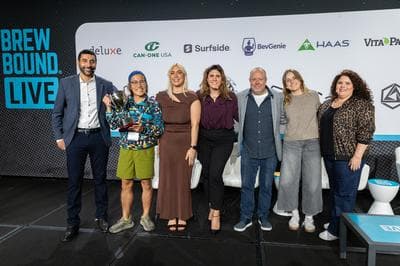
Ray Latif [1:14:15] all. Great stuff. Well done. Thank you. Thank you. Great stuff. Thank you. All right. Uh, you know, I'm really impressed with, uh, all of the founders and the operators who came up here and presented. It's not easy to do so. Uh, you really have 4 minutes to tell your entire life story. It's, uh, it's tough, but I was so impressed with everyone today. Round of applause for all our finalists. And a huge round of applause for our incredible judging panel. They were really awesome, really awesome. All right, the judges are going to go into a deliberation room. It's a secret room, so don't go look for them, and they're going to pick a winner of this competition. Once again, we're going to announce that winner tomorrow here on stage at 12:15 p.m.