
Brewbound Podcast
The Brewbound Podcast is an extension of Brewbound's leading B2B beer industry reporting, featuring interviews with beer industry executives and entrepreneurs, along with highlights and commentary from the weekly news. New episodes are released every week. Subscribe on Apple Podcasts or your streaming platform of choice.
Podcasts

February 6, 202046 mins
Brewbound Podcast: Night Shift Brewing’s Rob Burns on Becoming a Beverage Company
A growing number of beer companies are now positioning themselves as beverage companies. Count Everett, Massachusetts-based Night Shift Brewing among those embracing the distinction.
“We’ve let our creative wings go in many directions and set up the team so we can expand in many verticals,” Night Shift co-founder Rob Burns shared during the first episode of the Brewbound Podcast’s third season. “One of the driving forces is to turn Night Shift beyond just a beer company into more of a beverage company. And that’s kind of our guiding light right now.”
This is a route that brewers both big (think Molson Coors) and relatively small (Deschutes Brewery) are taking. For Night Shift, the journey to becoming a beverage company started with the launch of its distribution business, Night Shift Distributing.
Burns shares Night Shift’s ambitions, including a $10 million bet on building a production facility in Philadelphia, how the 7-year-old company is juggling those projects, delegating responsibilities and much more on this week’s edition of the Brewbound Podcast.
Listen to the latest episode above, or find it on popular platforms such as iTunes, Google Play, Stitcher and Spotify. New episodes of the Brewbound Podcast are published Thursdays.
For questions, comments or suggestions, please email [email protected].
Listen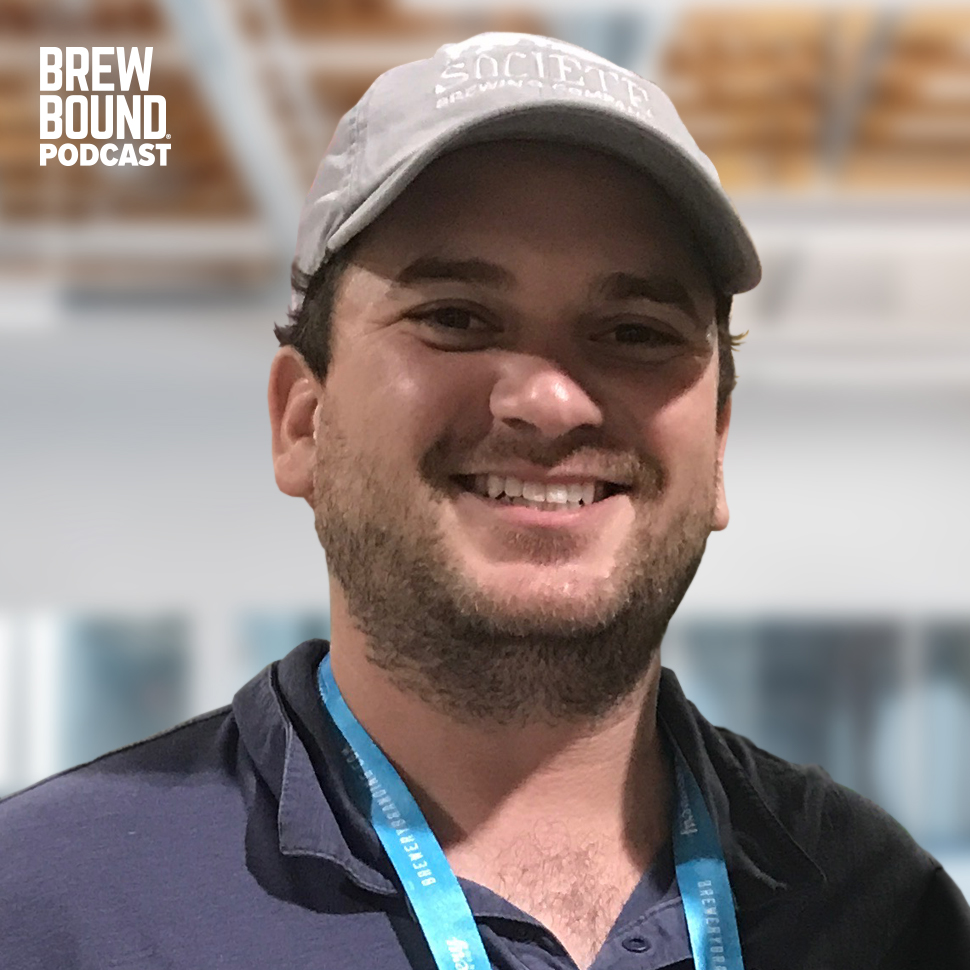
October 17, 201941 mins
Brewbound Podcast S2 E1: Societe Brewing’s Douglas Constantiner on His Entrepreneurial Journey and Organizational Changes
2019 has been a transformational year for San Diego’s fast-rising Societe Brewing.
Long available only on draft via its own taproom and self-distribution, Societe, which started in 2012, signed with upstart San Diego wholesaler Scout Distribution in May. Starting sometime next year, the company plans to release cans of its popular offerings, including The Pupil IPA.
But those weren’t the only changes at Societe, as co-founder Travis Smith departed the company earlier this year.
Societe co-founder and CEO Douglas Constantiner discusses those changes with editor Justin Kendall on this week’s edition of the Brewbound Podcast.
“San Diegans want The Pupil in a can so they can take it home,” Constantiner said in the first episode of season two of the Brewbound Podcast, which was recorded during the California Craft Brewers Association’s annual Beer Summit in Long Beach this past September. “We’re doing a disservice to our own citizens to make it draft only.”
Constantiner also shared the difficulties of going through a “brewery divorce,” how the company has moved forward and what it’s like to “fail and die or succeed” based on his decisions.
“I like the risk,” he admitted.
Constantiner also shared his personal journey from investment banking to craft brewing. Listen to Episode 1 of the Brewbound Podcast’s second season above, as well as on iTunes, Google Play, Stitcher, Spotify, and Soundcloud. New episodes of the Brewbound Podcast are published Thursdays.
For questions, comments or suggestions, please email [email protected].
Listen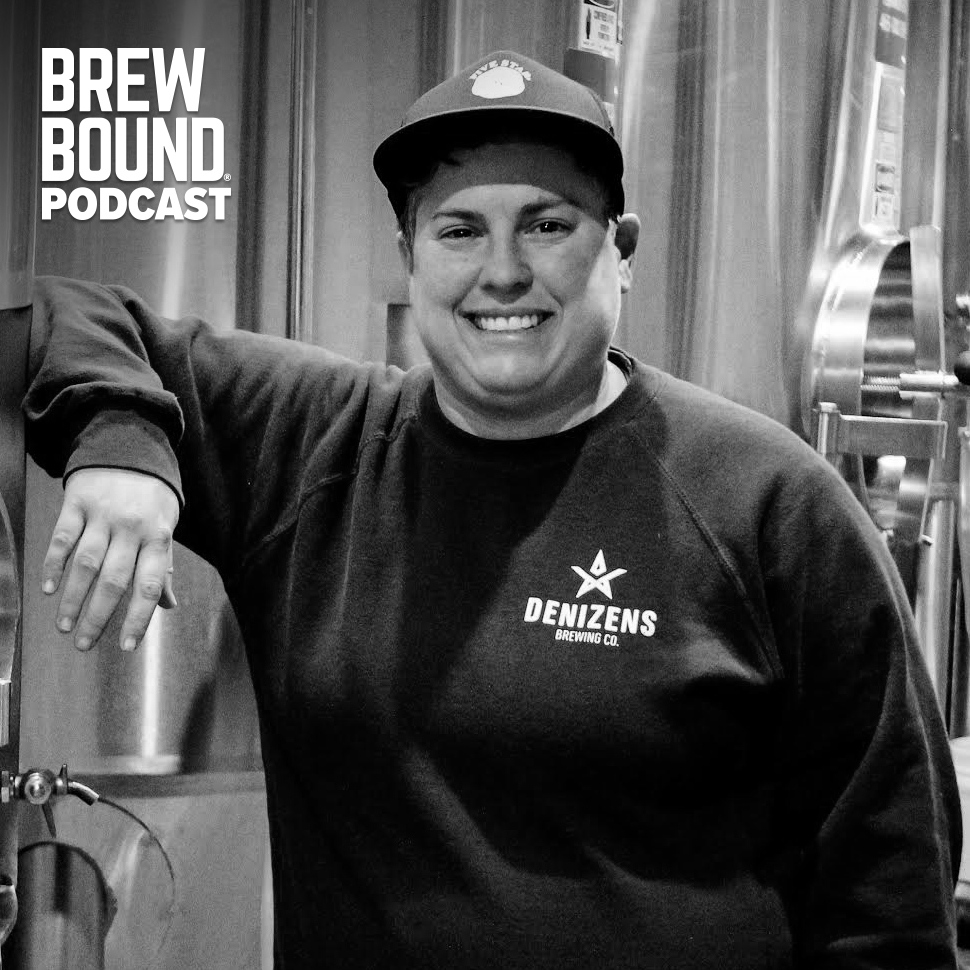
July 11, 201931 mins
Brewbound Podcast Episode 44: Julie Verratti Talks Expansion, Debt Management and Diversity & Inclusion in Brewing
As Denizens Brewing prepared to open its second location in Maryland’s Riverdale Park neighborhood earlier this year, co-founder Julie Verratti was “staring down the reality of not knowing what you don’t know.”
The company’s new 12,000 sq. ft. production brewery and taproom, which features a 30-barrel brewhouse, enables Denizens to produce about 10 times more beer than it did in 2018.
The expanded brewing capacity also comes with additional distribution opportunities throughout Maryland, northern Virginia, and Washington, D.C.
Working with wholesaler partners was something Verratti wasn’t as familiar with, however. Prior to the opening of its Riverdale Park location, Denizens had self-distributed all of its beer.
But with extra brewing capacity and more beer to sell, the company needed to evolve.
So Verratti got to work vetting and selecting distribution partners.
Her process?
“Interviewing a lot of distributors; asking other distributors what they thought of other distributors; asking retailers what they think; asking breweries what they think, and narrowing it down from there,” she said.
In episode 44 of the Brewbound Podcast, Verratti discusses her experience opening a second brewing location, and explains why the company structured its debt around reasonable growth projections. She also dives into the topic of diversity and inclusion within the brewing industry and shares strategies for reaching a more diverse set of consumers.
Listen to episode 44 of the Brewbound Podcast above, as well as on iTunes, Google Play, Stitcher, Spotify, and Soundcloud. New episodes of the Brewbound Podcast, which is co-hosted by Chris Furnari and Justin Kendall, are published every Thursday.
Episode 45 will be released on Thursday, July 18.
For questions, comments or suggestions, please email [email protected].
Show Notes:
0:00 – 15:30: Chris Furnari and Justin Kendall introduce episode 44 and recap their Fourth of July vacations.
15:30 – 46:05: Furnari and Kendall interview Denizens Brewing co-founder Julie Verratti
46:05 – 1:14:07: Furnari and Kendall share takeaways from the interview, select their four-pack of all-time summer blockbusters, and do some “dumb journalist math.”
Listen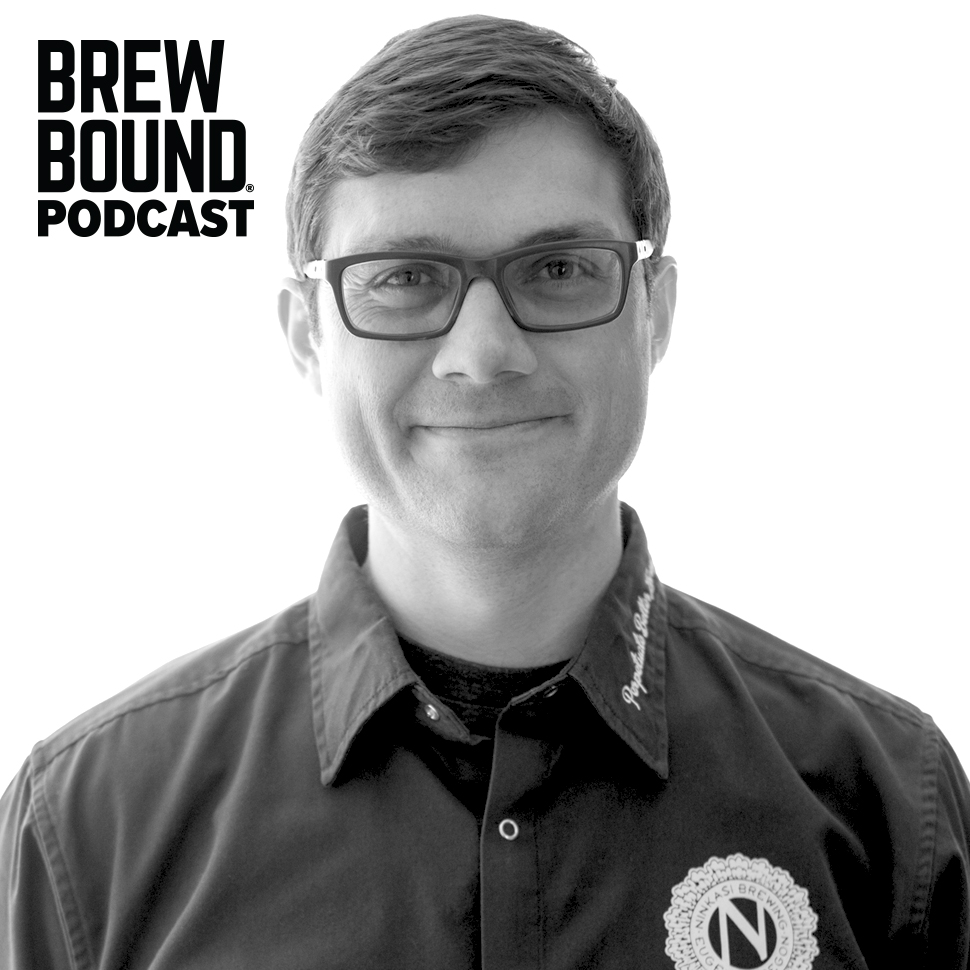
May 2, 20191 hr 21 mins
Brewbound Podcast Episode 34: Nikos Ridge on Acquisitions, Debt Management and the Future of Craft
Although Oregon’s Ninkasi Brewing has scaled production to about 100,000 barrels annually over the last 13 years, the company’s growth and expansion strategy has remained rather modest compared to some other U.S. craft breweries.
It never chased a national distribution footprint. It never attempted to build a brewery on the opposite coast. And it never took on too much debt to grow.
“In retrospect, ‘thanks former self’ for being at least somewhat moderate in scope and decision-making,” Ninkasi co-founder Nikos Ridge joked during a recent interview for the Brewbound Podcast.
Ridge — referring to his company’s tactic of selling 85 percent of its beer across three states (it has distribution in 12) and not growing too quickly — said Ninkasi always had a vision of becoming a “super-regional” craft brewery that didn’t need to rely on 20 percent year-over-year growth to service a larger chunk of debt.
“Having gone through the process of negotiating a lot of the debt through our expansion, there were a lot of models that we passed on that would have been heavily impactful,” he said.
“I can’t imagine what it’s like to try to manage 50 states of distribution where you’re thin and not really relevant across a giant territory,” he added.
That’s not to say Ninkasi didn’t tap into bank financing to fund its expanded operations. In fact, the company completed a $24 million expansion in 2014, the last year it grew by double-digits.
In 2015, the company’s growth slowed to 5 percent. Over the next two years, production declined 1 percent and 8 percent, respectively.
Nevertheless, Ridge said Ninkasi’s decision not to expand beyond its means allowed the company to explore a variety of options when it came time to determine its next move.
Ultimately, Ninkasi opted to sell a majority stake to Legacy Breweries, an upstart venture led by former Yakima Chief CEO Don Bryant that aims to acquire U.S. craft breweries.
“Certainly, de-levering as a result of this partnership and putting ourselves in a position to be making investments again – in terms of potential acquisitions and other partnership discussions – is a great result, and part of why we did it, but it wasn’t driven by the need to de-lever.”
In episode 34 of the Brewbound Podcast, Ridge shares his vision for the Legacy Breweries platform and explains some of the transaction options that are available to brewery owners. He also discusses how the proliferation of smaller craft breweries is impacting regional breweries, Ninkasi’s new hard seltzer offering, and how he sees the better-for-you alcohol space developing.
Listen to episode 34 of the Brewbound Podcast above, as well as on iTunes, Google Play, Stitcher, Spotify, and Soundcloud. New episodes of the Brewbound Podcast, which is co-hosted by Chris Furnari and Justin Kendall, are published every Thursday.
Episode 35, which features an interview with Lawson’s Finest Liquids owner Sean Lawson, will be released on Thursday, May 9.
For questions, comments or suggestions, please email [email protected].
Show Notes:
0:00 – 20:48: Furnari and Kendall introduce episode 34 and discuss the latest news
20:48 – 58:30: Furnari interview Nikos Ridge
58:30 – 1:21:31: Furnari and Kendall share their takeaways from the interview and rundown segments
Listen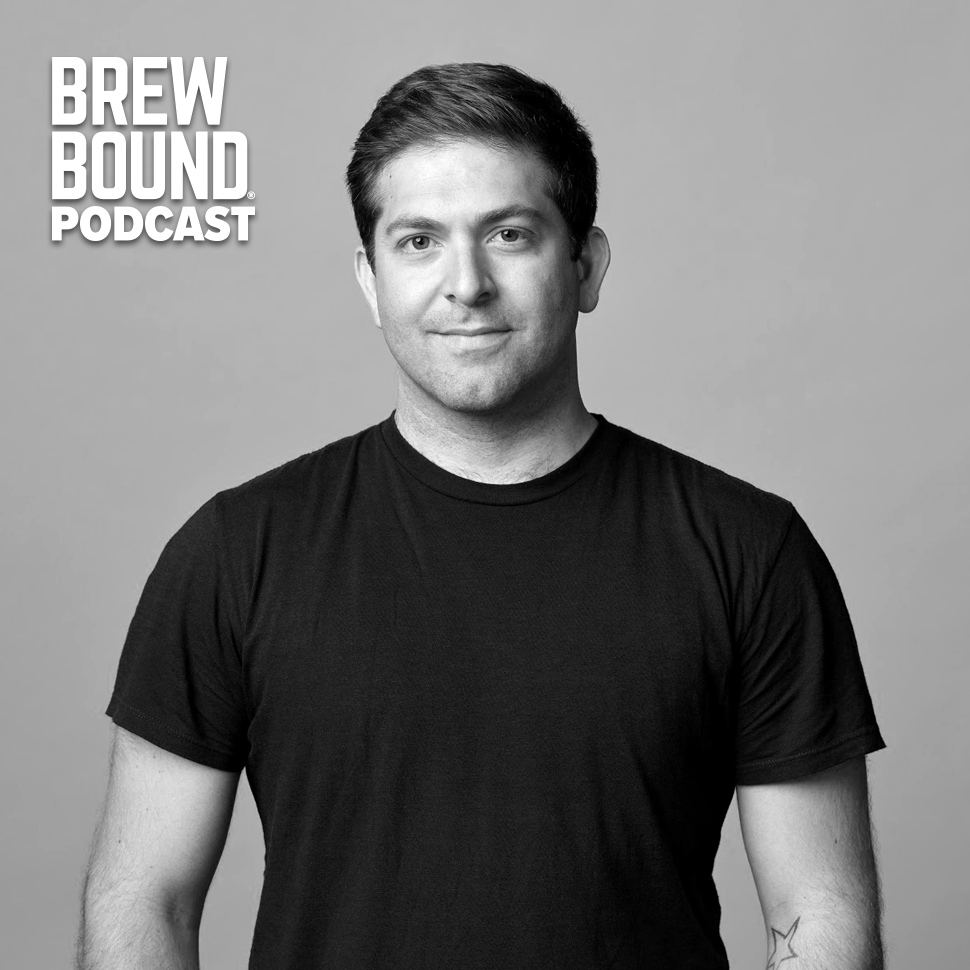
March 14, 20191 hr 10 mins
Brewbound Podcast Episode 27: Fort Point Beer’s Justin Catalana on Self-Distribution and Saying No
Fresh off a $3 million capital infusion from investment firm Circle Up, Fort Point Beer Company appears poised for another year of double-digit growth.
Since its launch in 2014, the San Francisco-based craft beer company has grown its revenue from less than $2 million in 2015, to $14.6 million in 2018, and its production has swelled to nearly 35,000 barrels.
Along the way, Fort Point’s employee count has also grown to about 200, largely due to a robust self-distribution division that has helped give the company a competitive advantage in a crowded marketplace.
During a conversation with Brewbound editor Chris Furnari, Fort Point founder and CEO Justin Catalana said self-distribution has been “tremendously helpful” when it comes to setting a go-to-market strategy.
“Not to squash any of the distributors that are here, they are just frankly not able to take a new brewery and bring them to market as effectively as doing it yourself,” he said.
In episode 27 of the Brewbound Podcast, Catalana shares his plan to grow Fort Point’s revenue to as much as $22 million in 2019, while hiring another five dozen employees.
He also discusses the pros and cons of self-distribution, why the company takes a debt-averse approach to financing growth, and how it builds strong core brands at a time when breweries and consumers alike are chasing new beer offerings.
Listen to episode 27 of the Brewbound Podcast above, as well as on iTunes, Google Play, Stitcher, Spotify, and Soundcloud. New episodes of the Brewbound Podcast, which is co-hosted by Furnari and Justin Kendall, are published every Thursday.
Episode 28, featuring Brewers Association chief economist Bart Watson, will be released on Thursday, March 21.
For questions, comments or suggestions, please email [email protected].
Listen
January 24, 20191 hr 6 mins
Brewbound Podcast Episode 20: House Beer Founder on Lager Beer and Marketing to Millennials
Brendan Sindell is on a mission to bridge the gap between major domestic and craft beer offerings.
“I grew up drinking major domestics in college and I found myself drinking them out of habit,” he said.
So Sindell created House Beer, a sleek-looking lager brand targeted to millennial consumers who “don’t want to drink their dad’s beer.”
The Venice, California-based beer company, which counts Ashton Kutcher and the Winklevoss twins among its investors, only makes one product – a “premium crafted lager.”
“The strategy behind just creating a sessionable craft lager in five different SKUs allows us to be extremely focused,” Sindell said.
He’s betting drinkers still want to drink lager beer, despite the fact that some of the country’s largest brands – Budweiser, Heineken, Pabst, and others – are in decline.
“We’re starting to get a lot more attention,” he said. “I think the rise of Modelo, [Michelob] Ultra, Pacifico, Corona has a lot to do with it. The consumer that was once drinking the big four is trading up to those beers, and that is kind of where we lie.”
In episode 20 of the Brewbound Podcast, Sindell discusses House Beer’s value proposition, the company’s distribution and growth strategy, the challenges and opportunities of selling a single product offering and why his investors remain interested in the beer category despite declining volumes.
Also in this episode: Brewbound editors Chris Furnari and Justin Kendall discuss Super Bowl storylines, the closing of the Widmer taproom in Portland, Oregon, and key executive hires at Sierra Nevada and MillerCoors. They also share some social media accounts to follow and discuss the latest “Beer Twitter” debate over craft breweries using unpaid volunteers on packaging day.
Listen to episode 20 of the Brewbound Podcast above, as well as on iTunes, Google Play, Stitcher, Spotify, and Soundcloud. New episodes of the Brewbound Podcast, which is co-hosted by Furnari and Kendall, are published every Thursday.
Episode 21, featuring former Guinness brewmaster Fergal Murray, will be released on Thursday, January 31.
For questions, comments or suggestions, please email [email protected].
Listen
January 17, 20191 hr 9 mins
Brewbound Podcast Episode 19: Josh Landan on His Return to Beer
Josh Landan is back in the beer business.
Landan, who co-founded Saint Archer in 2013, sold the San Diego craft brewery to MillerCoors in 2015, and departed the country’s second-largest beer company in 2017, has launched a number of new startup ventures based in Southern California.
Those new businesses include a craft-focused beer and wine wholesaler called Scout Distribution, and a new craft beer brand called Harland Brewing, and a wine label called Claxton Cellars.
Landan is also the co-founder of Villager Goods, a company that makes non-alcoholic beverages, as well as organic kids juices and snacks.
But the impetus to rejoin an ultra-crowded and intensely competitive craft beer segment was not only aimed at building new companies with his closest friends but also helping other alcohol beverage entrepreneurs avoid some of the pitfalls associated with running being a startup.
“When I got into Saint Archer, I didn’t know anybody or anything,” he said. “I needed help. There were so many questions. I didn’t know anything.”
In episode 19 of the Brewbound Podcast, Landan talks about his time building the Saint Archer brand and the lessons he learned as a first-time entrepreneur. He also discusses the differences between building a beer company and a non-alcoholic beverage company.
Also in this episode: Brewbound editors Chris Furnari and Justin Kendall discuss the early 2019 headlines and storylines. Furnari and Kendall also make some predictions for the new year and provide an update on the Goose Island field goal challenge.
Listen to episode 19 of the Brewbound Podcast above, as well as on iTunes, Google Play, Stitcher, Spotify, and Soundcloud. New episodes of the Brewbound Podcast, which is co-hosted by Furnari and Kendall, are published every Thursday.
Episode 20, featuring House Beer founder Brendan Sindell, will be released on Thursday, January 24.
For questions, comments or suggestions, please email [email protected].
Listen