
Search across the BevNET CPG Media network including BevNET, Nosh, Brewbound, Taste Radio, Nombase and CPG Jobs.
Brewbound Podcast
The Brewbound Podcast is an extension of Brewbound's leading B2B beer industry reporting, featuring interviews with beer industry executives and entrepreneurs, along with highlights and commentary from the weekly news. New episodes are released every week. Subscribe on Apple Podcasts or your streaming platform of choice.
Podcasts

October 27, 20211 hr 17 mins
Brewbound Podcast: A Discussion with DISCUS
On the heels of the Distilled Spirits Council of the United States’ annual convention in Austin, Chris Swonger, the trade group’s president and CEO, joins the Brewbound Podcast to discuss the growth of ready-to-drink spirits-based canned cocktails, and the organization’s efforts to even the tax rates for RTD products with beer, as well as efforts to add direct-to-consumer sales privileges and much more.
Swonger outlines the trade group’s priorities heading into 2022 and dishes on the organization’s recently released Luxury Brand Index, which tracks top shelf products that retail for $50 or more for a 750 mL bottle.
Also in this edition of the podcast, the Brewbound team analyzes Boston Beer Company’s Q3 earnings report, including the $133 million in costs the company took due excess and out-of-code Truly Hard Seltzer. The team also hits the top headlines, including Deschutes’ planned closure of its tasting room in Roanoke, Virginia; Reyes’ acquisition of Powers Distributing in Michigan; and a proposed excise tax increase on alcoholic beverages in Massachusetts.
Listen to the episode above and on popular platforms such as iTunes, Google Play, Stitcher and Spotify.
New episodes of the Brewbound Podcast are published about every week.
Email [email protected] with questions and feedback.
ListenOctober 8, 202130 mins
Brewbound Podcast: What Happened in Vegas
After an eventful National Beer Wholesalers Association annual convention in Las Vegas, the Brewbound team debriefs on all of the middle tier issues discussed over the last week. The team also hits the latest news, including a big wholesaler acquisition in Ohio, comments to the Department of the Treasury by Reyes and others, lawsuits over terminations in New York, and questions over PepsiCo’s entry into alcohol distribution.
The conversation then turns to Constellation Brands’ lack of reliance on hard seltzer.
Listen to the episode above and on popular platforms such as iTunes, Google Play, Stitcher and Spotify.
New episodes of the Brewbound Podcast are published every other Thursday. Check Brewbound’s upcoming events schedule for future podcast episodes and streaming video programming.
Email [email protected] with questions and feedback.
Listen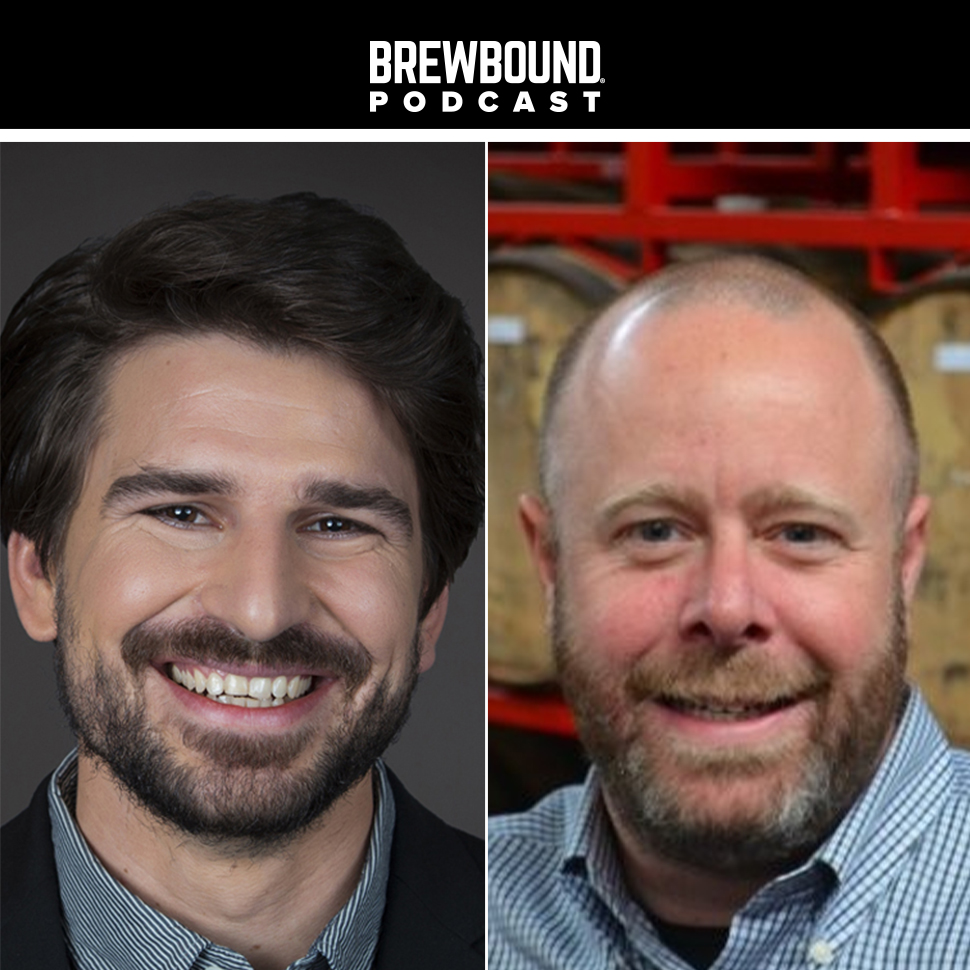
August 19, 202140 mins
Brewbound Podcast: Boston Beer Does the Dew
From left: Bourcard Nesin and Donn Bichsel
The Brewbound team breaks down the new partnership between Boston Beer Company and PepsiCo to produce Hard MTN Dew in a conversation featuring guests 3Tier Beverages founder and CEO Donn Bichsel and Rabobank beverage analyst Bourcard Nesin.
The deal marks the second time this summer that the maker of Samuel Adams, Dogfish Head, Angry Orchard, Twisted Tea and Truly Hard Seltzer has formed a partnership with a major player outside of the beer category, following its joint venture with Beam Suntory to produce Truly-branded spirits, among other crossover offerings.
Hard MTN Dew, scheduled to launch in early 2022, is the newest of several collaborations between non-alcoholic beverage producers and beer companies. It will join products such as Topo Chico Hard Seltzer from Molson Coors and Coca-Cola, and SunRise Hard Seltzer from Heineken USA and AriZona Iced Tea maker Hornell Brewing.
“The bigger story here is the appetite for soft drinks players to move into beverage alcohol, as well as bigger players moving into spirits, and spirits players moving into hard seltzer and, really, what does that mean for everyone else in the industry and consumers as well,” Nesin said.
Listen to the episode above and on popular platforms such as iTunes, Google Play, Stitcher and Spotify.
New episodes of the Brewbound Podcast are published every other Thursday. Check Brewbound’s upcoming events schedule for future podcast episodes and streaming video programming.
Email [email protected] with questions and feedback.
ListenJuly 1, 202152 mins
Brewbound Podcast: The One Word You Should Never Say on a Slow News Day
With the July 4 holiday approaching, the Brewbound team discusses slow days that turn into news-filled days. Such as Monday, when Anheuser-Busch InBev announced the promotion of Brendan Whitworth to U.S. CEO and North America zone president.
The gang also looks at recent legislative moves in New York, New Jersey and Pennsylvania, as well as the closure of two quarter-of-a-century old craft beer bars. Other topics include alcoholic gummies, NFTs, Pepsi’s interest in Rockstar alcoholic offerings, an IRI pop quiz, bad math, and major life changes.
Listen to the episode above and on popular platforms such as iTunes, Google Play, Stitcher and Spotify.
New episodes of the Brewbound Podcast are published every other Thursday (or so). Check Brewbound’s upcoming events schedule for future podcast episodes and streaming video programming.
Email [email protected] with questions and feedback.
Listen
April 1, 202151 mins
Brewbound Podcast: Why You Shouldn’t Freak Out When You See the Latest Off-Premise Scans
Expect drastic shifts in off-premise sales data from week to week moving forward as we begin to cycle the pandemic-driven stock-up period from 2020, NielsenIQ VP of beverage alcohol practice Danelle Kosmal cautioned during the latest edition of the Brewbound Podcast.
Kosmal joined the Brewbound team to discuss why 2019 might be a fairer comparison for 2021 numbers, what she’s watching for moving forward, and when the numbers might begin to normalize. On that last point, don’t expect normalization until 2022 and even then, it’ll be a “new normal.”
“It’s going to take us a good year or two to figure out what that balance is going to be,” Kosmal said. “How much of the old life of bars and restaurants are we going to go back to? And how much of the new habits that we’ve learned to embrace over the past year will continue?”
Kosmal also discusses trends in hard seltzer, where seltzer consumers are coming from, and the growth of ready-to-drink canned cocktails.
Listen to the episode above and on popular platforms such as iTunes, Google Play, Stitcher and Spotify.
New episodes of the Brewbound Podcast are published every other Thursday. Check Brewbound’s upcoming events schedule for future podcast episodes and streaming video programming.
Email [email protected] with questions and feedback.
Listen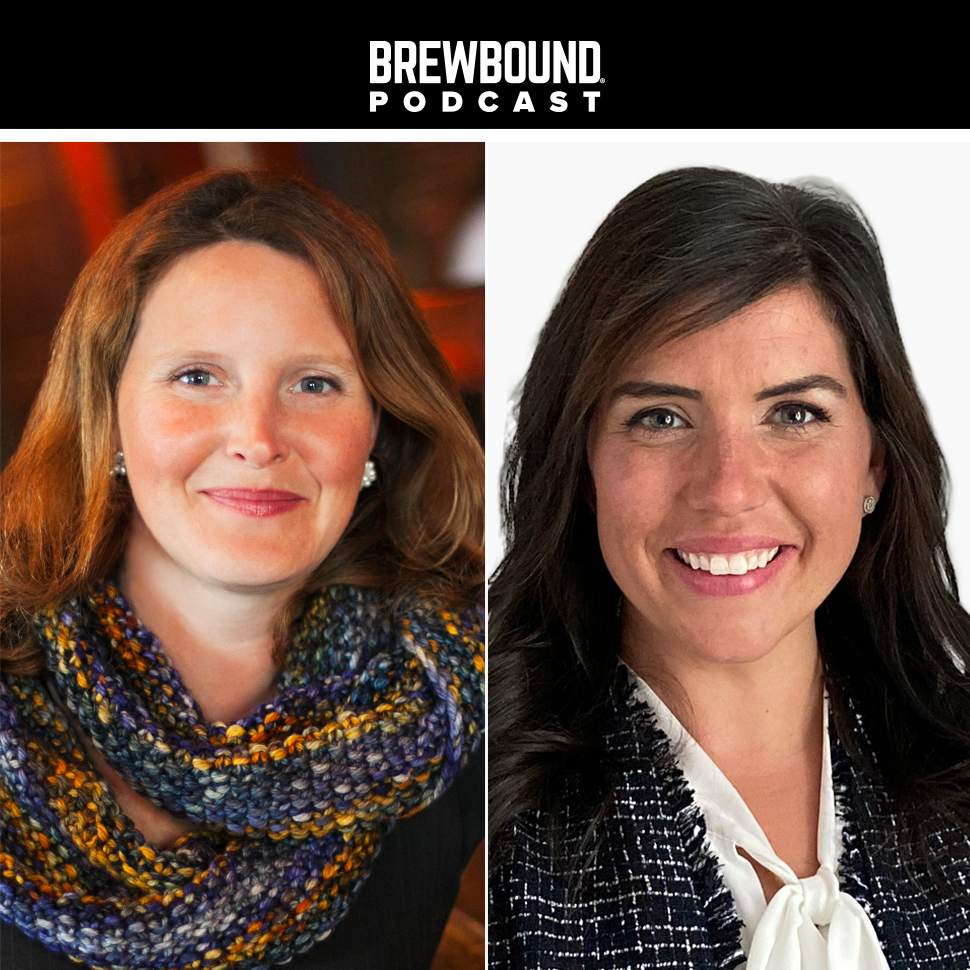
February 25, 20211 hr 8 mins
Brewbound Podcast: McDermott, Will & Emery’s Alva Mather and Nichole Shustack Discuss the 2021 Bev-Alc Legal Landscape in 2021
Alva Mather and Nichole Shustack of McDermott, Will & Emery — a law firm with one of the country’s leading beverage alcohol practices — joined the Brewbound Podcast to break down all the pressing legal issues facing the beer industry in 2021.
Between the rise of e-commerce and the nebulous definition of hard seltzer for tax and regulatory purposes, there’s a lot that brewers need to know to remain on the right side of the law this year.
Pandemic-driven shutdowns have led to expanded privileges for craft breweries to offer home delivery and shipping services, which have met pushback from distributors in some states.
“My perspective here is that the three-tier system is here to stay, but it’s adaptable,” Mather said. “And we’ve seen that during the pandemic.”
As consumers are shopping online for alcohol at record-shattering rates, brewers have upped their e-commerce game, linking to platforms such as Drizly and Instacart that can deliver beer to drinkers’ homes in under an hour. Shustack and Mather cover necessary information for these new trade practices, which are regulated differently state by state.
“Brewers should keep their ears to the ground and understand what the dynamics are in the state and who they’re actually operating with, because if you contract with a third party, that’s not where your liability ends,” Shustack explained. “You have some obligation to make sure that you’re contracting with the right third party and they have all the protocols to make the delivery — for example, age verification.”
Listen to the episode above and on popular platforms such as iTunes, Google Play, Stitcher and Spotify.
New episodes of the Brewbound Podcast are published every other Thursday. Check Brewbound’s upcoming events schedule for future podcast episodes and streaming video programming.
Email [email protected] with questions, comments or suggestions for future shows and guests.
Listen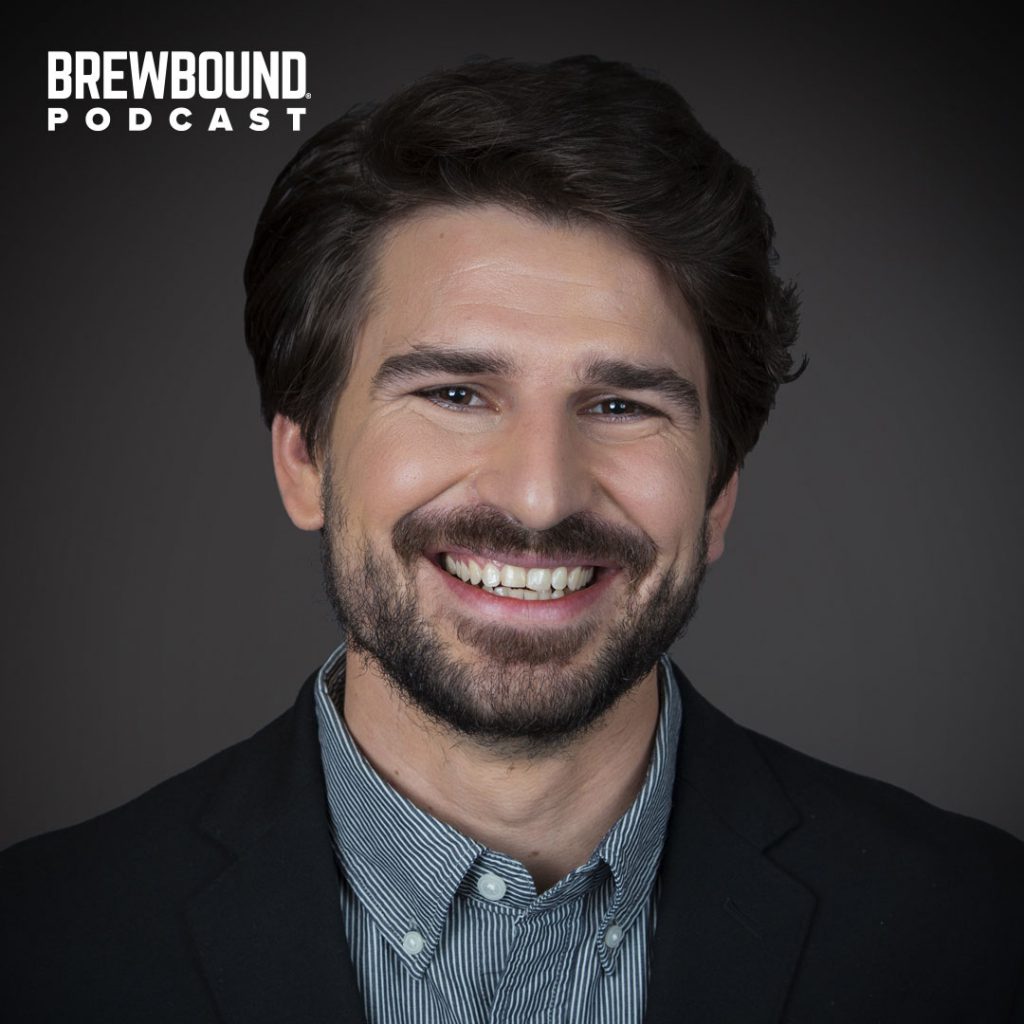
January 14, 202151 mins
Brewbound Podcast: Changing American Drinkers
Rabobank beverage analyst Bourcard Nesin joins the Brewbound Podcast to discuss his new report that details how drinker demographics are changing and how beverage companies can welcome these new consumers, who are more female, more diverse and older.
“There’s really these seismic shifts at the consumer level,” Nesin said. “The changes are particularly among the consumer groups that alcohol companies have either ignored or actively avoided in some cases in the most terrible way.
“A lot of it has to do with economic empowerment, and a lot of it has to do with shifting cultural norms,” he continued.
In 2019, women accounted for 50.1% of alcoholic beverage drinkers younger than 25, surpassing men for the first time ever. Since 2004, the number of women of color regularly consuming alcoholic beverages has increased 84%. People of color represented 31% of alcohol consumers in 2019, increasing 8% over the past decade and a half.
Nesin shares insights gleaned during interviews with executives at beverage alcohol companies and discusses the evolution of beer marketing.
The Brewbound team and Nesin also discuss the Capitol Hill riot and its implications for the beer industry, including how the largest beer manufacturers and trade organizations are approaching future political contributions.
Other topics covered include Jim Beam’s new campaign to recruit beer drinkers, the Brewers Association’s decision to move Craft Brewers Conference to Denver in September, FIFCO USA shuttering of Portland Brewing Company after 34 years and Molson Coors’ partnership with Dwayne ‘The Rock’ Johnson to launch a new energy drink.
Listen to the episode above, or find it on popular platforms such as iTunes, Google Play, Stitcher and Spotify.
New episodes of the Brewbound Podcast are published every other Thursday.
Email [email protected] with questions, comments or suggestions for future shows and guests.
Listen