
Brewbound Podcast
The Brewbound Podcast is an extension of Brewbound's leading B2B beer industry reporting, featuring interviews with beer industry executives and entrepreneurs, along with highlights and commentary from the weekly news. New episodes are released every week. Subscribe on Apple Podcasts or your streaming platform of choice.
Podcasts
Industry Leader
June 17, 202652 mins
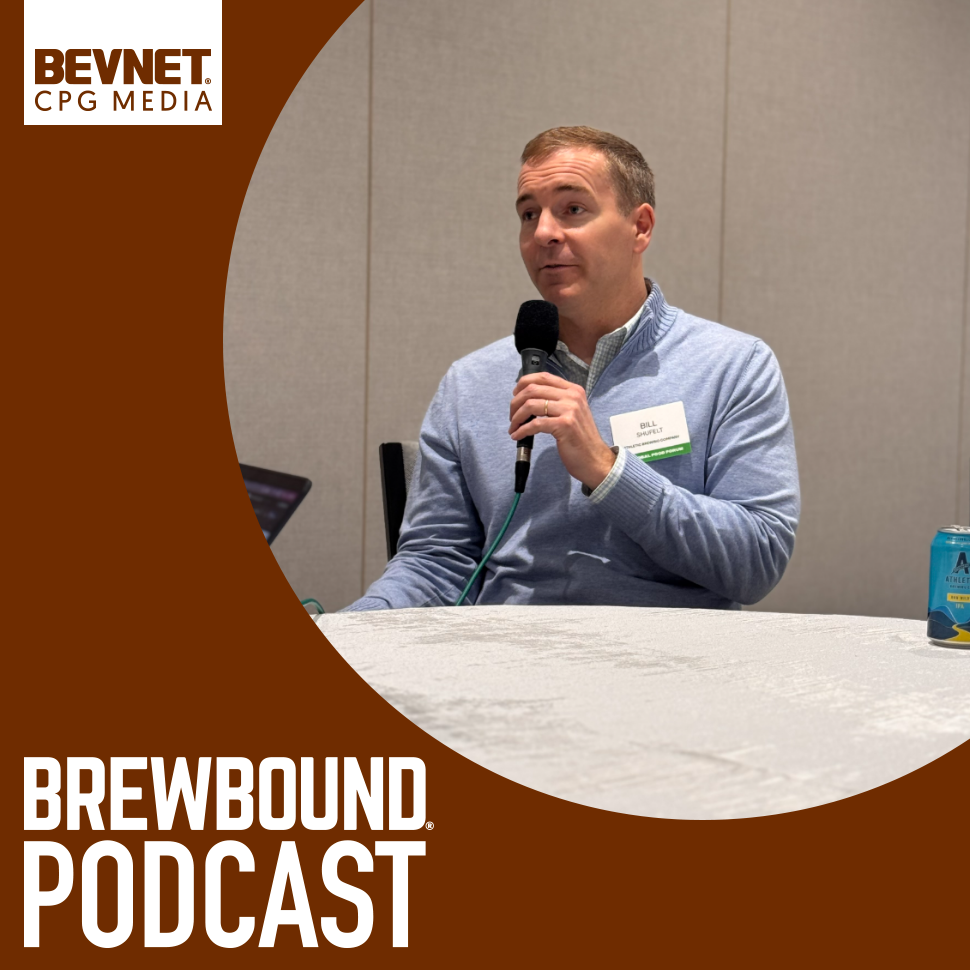
Athletic’s Bill Shufelt is Bullish on the Future of NA Beer – and the Beer Category
Athletic Brewing co-founder and CEO Bill Shufelt is “the most excited” he’s felt since founding the dedicated non-alcoholic (NA) beer brand.On the latest edition of the Brewbound Podcast, Shufelt shared what’s driving his hyped feeling, with a foundation he and co-founder John Walker laid about a decade ago. That foundation is built on a team of 300 co-workers, bicoastal brewing facilities, a strong distribution base for its core beers, a slate of new products hitting retailers and marketing campaigns beginning to ramp up.“I’m very bullish on the long-term health and growth of the category and our part in growing that,” Shufelt said. “It was very hard to get non-alcoholic beer from zero to 2% of beer, but there are actual retailers in the U.S. [where] non-alcoholic beer is touching up against 20% of their beer sales.”Those retailers lend credence to Shufelt’s belief that NA beer can be a much bigger part of the beer category. Shufelt explained that consumers are very early in the NA beer discovery curve, with the vast majority unaware how the product has changed in the last decade. Even with the stage set for growth, Shufelt acknowledged that Athletic still has work to do for the company and the segment to reach some of his loftier goals. For Athletic in particular, which holds around 22% of the NA beer segment, distribution remains its biggest opportunity. “In independents, no matter how much our distributors smile at us and tell us we’re a priority, we’re in like 10% of their independents,” Shufelt said. “And I can go into stores in almost any state in the country and look at a shelf that is controlled by our distributor that has five-plus non-alcoholic beer products on it, and Athletic will have none. There’s just such untapped distribution out there still.”For now, Shufelt is focused on driving Athletic and NA beer forward. But could the future include an IPO? An Athletic led by someone else? Shufelt said it’s possible, but he doesn't want to be on the outside looking in on an opportunity he was one of the few people to see.Before the interview, Justin, Jess and Zoe discuss the latest headlines, including the mixed results craft brewers are seeing from the World Cup, the American Cider Association co-locating its 2027 CiderCon conference with the Brewers Association’s Craft Brewers Conference, the closure of Nebraska’s largest craft brewery and the top new products of so far this year.
Listen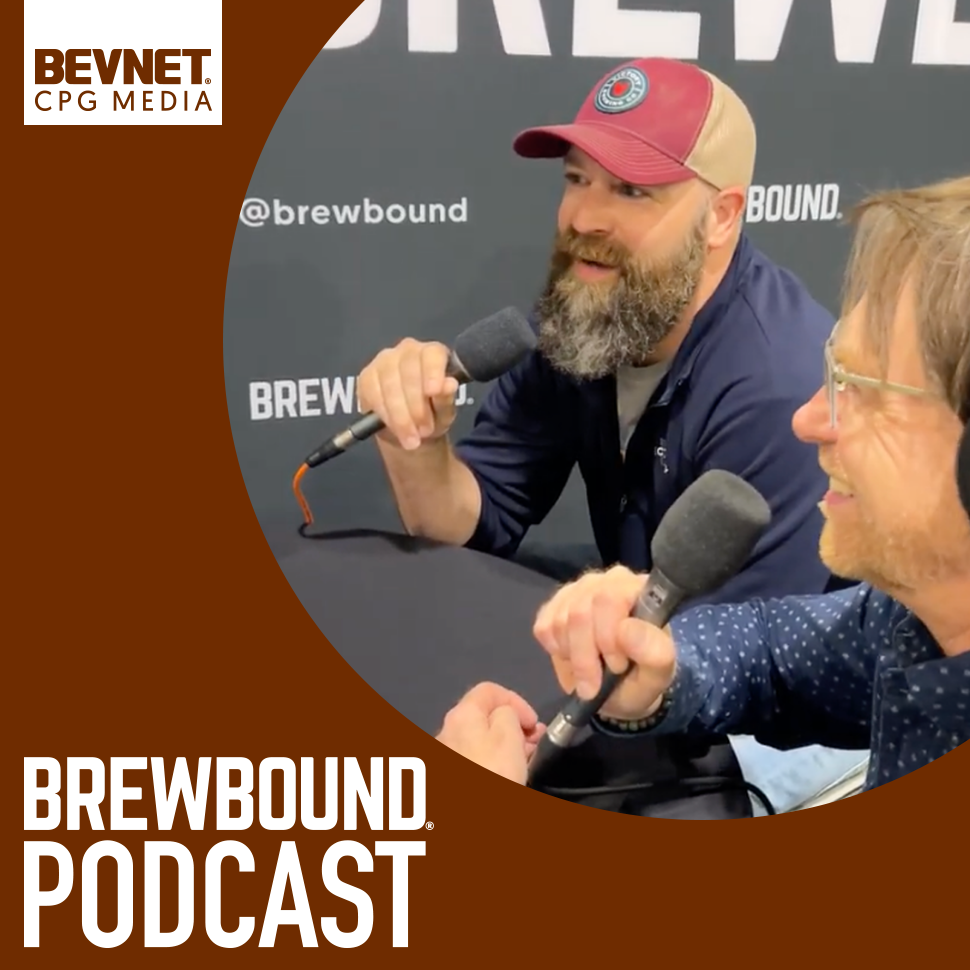
Brand Strategy
June 4, 202655 mins
Revised Craft Production Data, Plus Chats with Victory and Odell
Was craft brewers’ 2025 less bad than we thought? The Brewers Association (BA) issued a revision to its annual production report, which places the industry at -4%, up from previously published -5.1%. In this Brewbound Podcast episode, Zoe and Jess break down what the changes mean for the challenged craft beer industry, as well as several middle-tier deals and recent scan data.This week’s featured interviews highlight Victory Brewing co-founder Bill Covaleski and director of brewing operations Joe Slavick, as well as Odell Brewing CEO Eric “Smitty” Smith. Both conversations were recorded during the Craft Brewers Conference in Philadelphia in April.Covaleski and Slavick discussed the Downingtown, Pennsylvania-based craft brewery’s 30-year journey, from its self-distribution in its early days to the formation of its parent company Artisanal Brewing Ventures (ABV) 10 years ago. Victory, which Covaleski founded in 1996 with childhood friend Ron Barchet, distributed its own beer for nearly four years, Covaleski said. The experience inspired Victory to band with fellow Pennsylvania breweries to oppose a bill that would have outlawed the practice – a legislative episode that spurred the formation of the Brewers of Pennsylvania state guild.“It was phenomenally important because no one wanted to pay what they needed to pay for our beer at a wholesale level,” he said. “We had to go out and prove that there was a market for it, and then, all of a sudden, they got it.”Victory was an early trendsetter in craft breweries’ march toward mulit-brand platforms, which have become near ubiquitous. It merged with Lakewood, New York-based Southern Tier Brewing in 2016 to form ABV, backed by Ulysses Management LLC. ABV added Brooklyn, New York-based Sixpoint Brewery in 2018, and Nellysford, Virginia-based Bold Rock Hard Cider in 2019. “From a business standpoint, it hits a lot of different avenues,” Slavick said of ABV’s brand recruitment. “They did a really good job of being selective of who they brought in, when they brought them in.”In 2025, ABV was the 11th largest craft brewer by volume in the country, according to data from the BA. Its output declined 6% year-over-year (YoY), to 238,697 barrels, excluding hard cider and other non-beer offerings. Odell was the country’s 31st largest craft brewery by volume last year, declining 9% YoY, to 89,364 barrels. 2026 opened with a “good Q1” as the Fort Collins, Colorado-headquartered craft brewery focuses its attention on its core offerings, Smith said. “We had a pretty large portfolio and so it takes some time – you can’t cut everything at once,” he said. “It’s been that slow, methodical getting rid of brands, getting rid of packages, putting our emphasis on the right brands at the right time in the right places.”For Odell, that has meant a laser-focused on flagship Odell IPA in 6-packs, 12-packs and 19.2 oz. single-serve cans in the convenience channel. To bolster that beer, the company has also launched Mountain Standard IPA, Hazer Tag hazy IPA and MDRN IPA.
Listen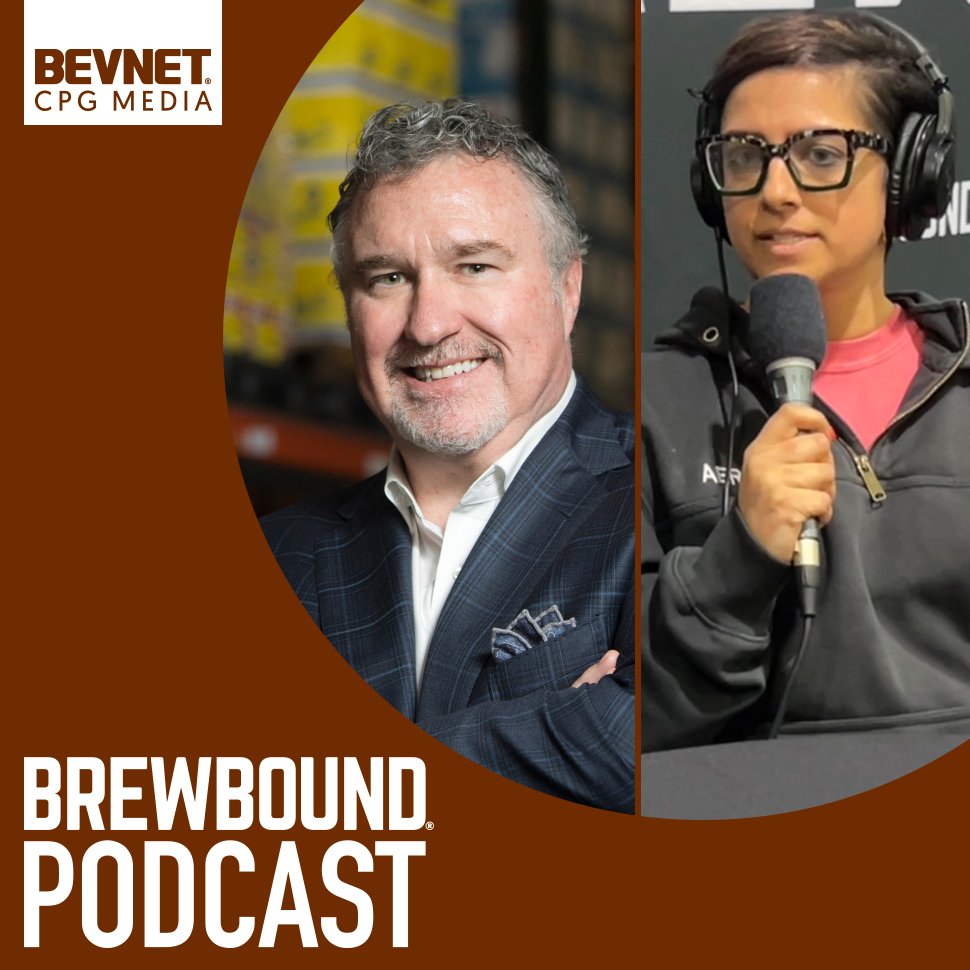
Distribution
May 22, 202651 mins
NBWA’s Craig Purser Talks Middle-Tier Hot-Button Issues; Aeronaut's Deepa Chungi on a Successful Events Biz
As middle-tier M&A dominos fall this summer, National Beer Wholesalers Association (NBWA) president and CEO Craig Purser joins the latest Brewbound Podcast to discuss the tectonic shifts in the distribution landscape following Republic National Distributing Company’s (RNDC) fire sale.Purser is part of a double-shot of interviews this week, including Aeronaut director of programming Deepa Chungi, who shares how the Massachusetts craft brewery created a booming events business.First, Purser offers insights into what middle-tier consolidation means for small producers and distributors and how the power structure has been reshaped with mega spirits distributor Southern Glazer’s Wine & Spirits picking up Anheuser-Busch InBev’s distribution rights in major markets. Purser also explains what he believes the intoxicating hemp beverage industry needs to do to help get lawmakers onboard and potentially avert the ban coming in November. Then, Chungi explores the keys for small breweries looking to add private and public events to their businesses, and why events such as “Pitch a Friend” and Dungeons & Dragons have led to packed nights in Aeronaut’s taproom. Plus, the Brewbound team discusses the demise of Schlitz, the closure of Minneapolis’ Bauhaus Brew Labs and a helluva partnership for Mike’s Dirty Lemonade.
Listen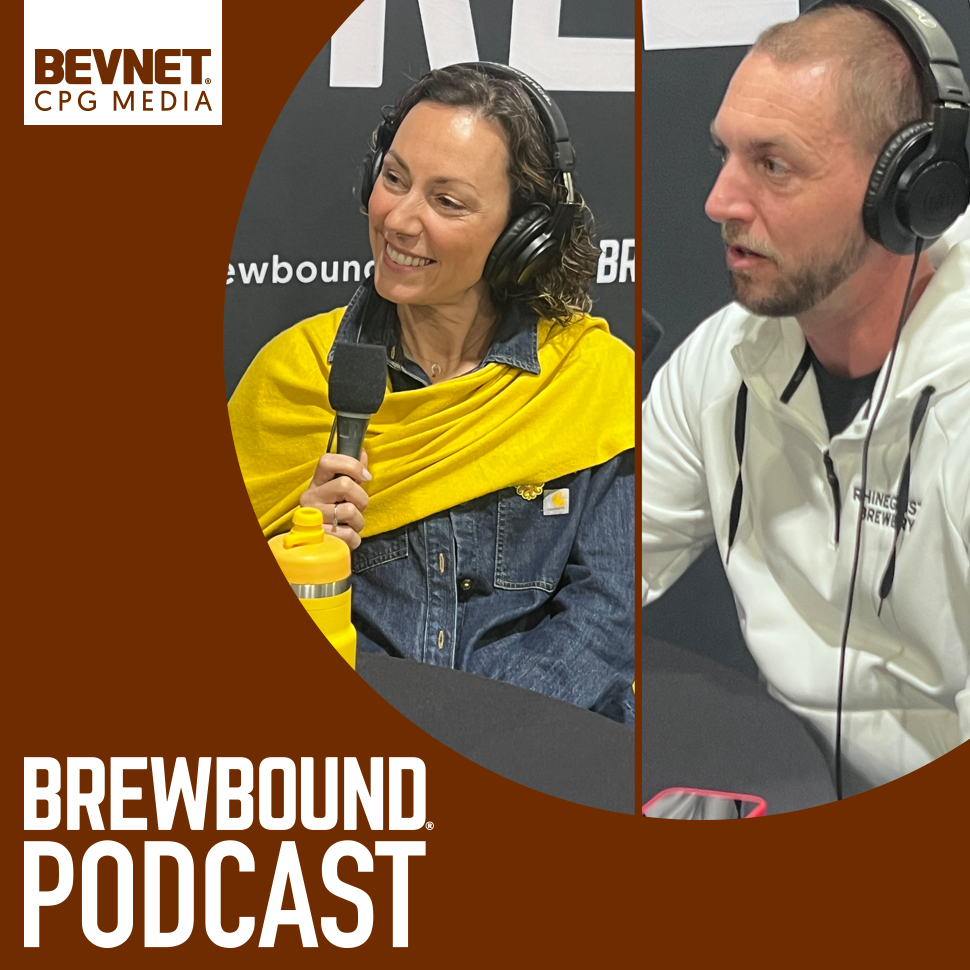
Brand Strategy
May 15, 202647 mins
How Lawson’s Stays on Brand, and Rhinegeist’s Plans Amid Hemp-Bev Prohibition
2023 was a sea-change year for several craft breweries who underwent leadership changes. Lawson’s Finest Liquids and Rhinegeist Brewery were among the companies who underwent CEO transitions that year. Lawson’s CEO Adeline Druart and Rhinegeist CEO Adam Bankovich discuss entering Year 3 of their respective tenures at the top of those companies in separate featured interviews on the latest edition of the Brewbound Podcast.In the first conversation, Druart dives into the “ongoing conversation” at the Vermont brewery of “what makes a Lawson’s Finest beer a Lawson’s Finest beer” and defines what makes a Sunshine brand.“Really for us, it’s IPAs – clear IPAs using Citra hops, and with a very bold flavor profile,” she said. “The more conversations we have like those – defining who we are, the more I’d say clear we are moving forward what’s on brand, what’s off brand.”Druart also discusses the impact of Lawson’s community giving programs, accelerating business by moving distribution to Baker Distributing in its home state, the launch of Hop Wired hazy and juicy IPA and much more.Then, Bankovich explores the anniversary of launching the Cincinnati craft brewery’s first NA beer line Ghost, with new offerings to follow. He also explains why launching Fuzzy Bones, a sparkling THC drink, has been a challenging and educational “crash course,” following Ohio’s ban on intoxicating hemp beverages.Fuzzy Bones launched in six states, with three additional states expected to follow. Rhinegeist is “trying to stay nimble with it,” as a federal ban looms in November. “I wish that our government officials could learn enough from the past to act quickly because this industry developed so quickly, seemingly out of nowhere,” he said. “We just really need a chance to not fall into the trap of Prohibition and instead write proper regulation now and in real time as consumers want these products instead of prohibiting them for years and years and years.”Bankovich also dishes on Rhinegeist’s daily hospitality efforts to make guest experiences’ special, the growth of the company’s core Truth and Cincy Light brand families and several expedited new additions: Half Truth session IPA, limited-time summer offering Cincy Light Watermelon and Sea Salt and Cincy Vodka Soda, the company’s first spirit-based offering.Before the interviews, the Brewbound team reviews that latest news, including:A recent Bump Williams Consulting report on long-tail craft brands finding success;Leadership changes at the American Cider Association;And Boston Beer’s 15% ABV Lytt beyond beer creation in glow-in-the-dark, lightbulb-shaped 6.8 oz. containers.Zoe also catches us up on the drinks scene during the Miami F1 race.
Listen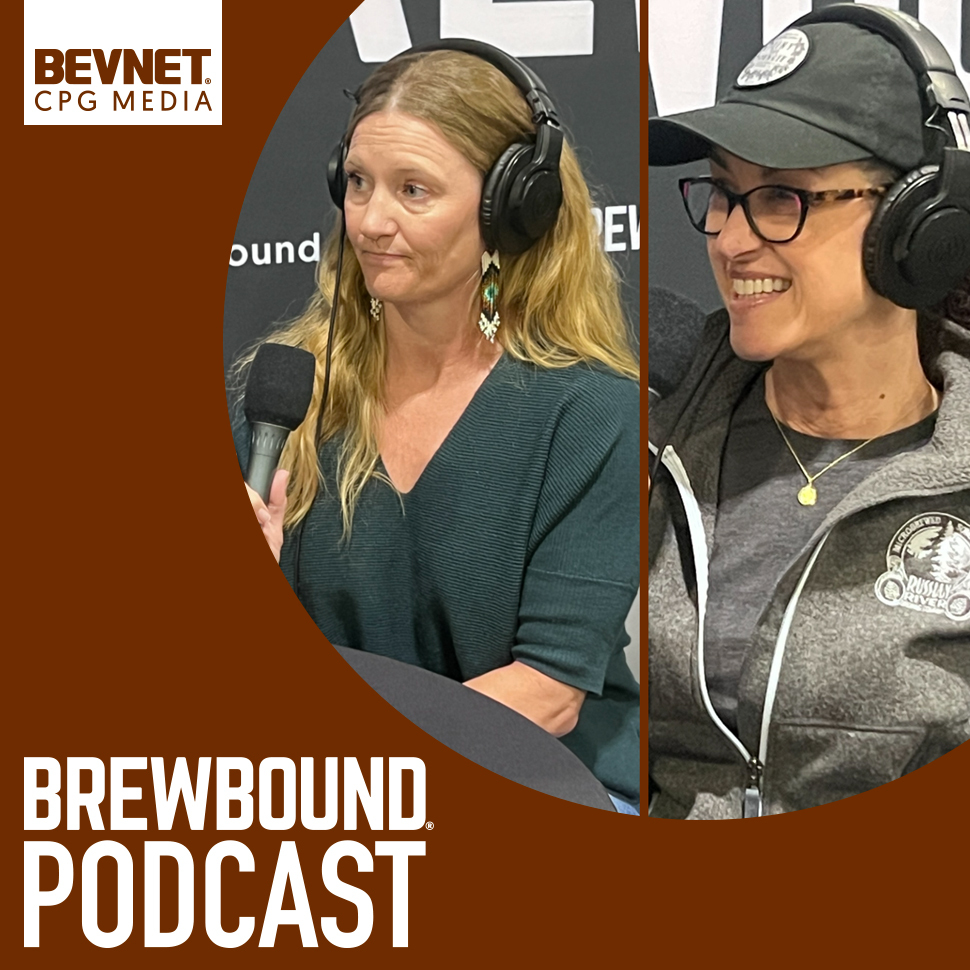
Sustainability
May 8, 20261 hr 1 min
RNDC’s Dismantling; Plus, Interviews with Eco Beverages and Russian River
Republic National Distributing Company (RNDC) continues to unwind, so BevNET spirits editor Ferron Salniker joined the Brewbound Podcast to break down the latest.RNDC, once the country’s second-largest wine and spirits distributor, has been selling-off markets piecemeal to competitors from coast to coast. Announced deals have included 11 markets to the Reyes Beverage Group, brand rights and some assets to Columbia Distributing, operations in 17 control states to Martignetti. (Note: this conversation took place before Breakthru announced it would acquire RNDC operations in Kentucky and Indiana or that it was revealed Quality Beverage would buy RNDC assets in Nebraska, North Dakota and South Dakota.)RNDC’s current state can be traced to the butterfly effect of a host of suppliers leaving its California operations over the last several years, resulting in the company exiting the state.“It’s no surprise that if your biggest suppliers leave your biggest state and beyond, then the rest of your business is going to be affected,” Salniker said. “What’s happening now is no surprise, but it feels like it’s happening all of a sudden.”In addition to her analysis, the episode features conversations with Eco Beverages co-founder Anna Nadasdy and Russian River Brewing co-owner Natalie Cilurzo. Nadasdy discusses her organization’s push to help craft beverage manufacturers navigate Extended Producer Responsibility laws.Cilurzao recapped her brewery’s recent Pliny the Younger launch and Russian River’s latest push to share its sustainability work.Justin and Jess also break down recent beer news, including Lord Hobo and Lone Pine’s pivot to contact production and Q1 earnings from Boston Beer and Molson Coors.
Listen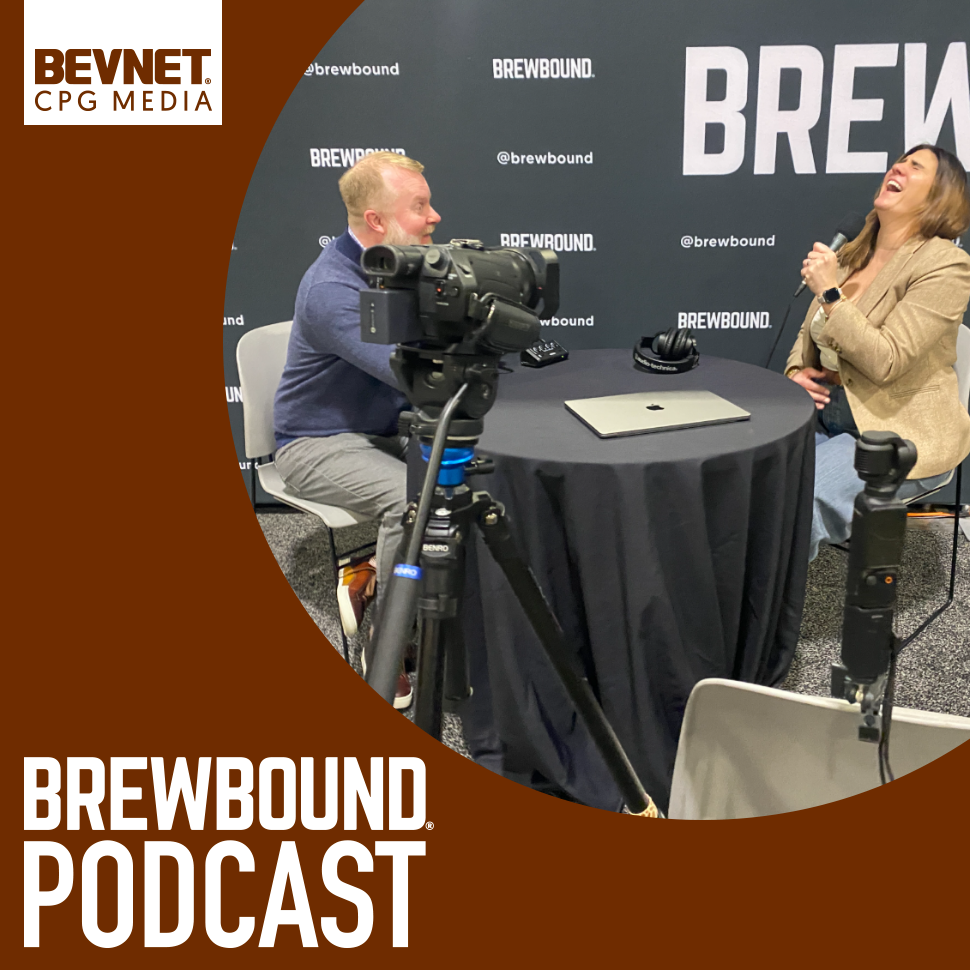
Trends
April 23, 202623 mins
CBC Week + a Blockbuster Brewery Deal
The Brewers Association’s Craft Brewers Conference (CBC) rolled into Philadelphia this week – and so did the Brewbound Podcast On Location Studio. In this episode of the Brewbound Podcast, the team shares their early reads on a week in which the vibes seem high compared to previous years. Zoe recaps the opening keynote speech by Unreasonable Hospitality author and former restaurateur Will Guidara, including his hyper-experiential approach to customer service and what a “dream weaver” is and whether you should be concerned that your server is eavesdropping on you. But first, Justin provides details on Firestone Walker and Duvel USA striking an agreement to acquire the Stone Brewing brand and four California taprooms from Sapporo USA – just under four years after the Japanese brewing giant acquired the San Diego craft brewery. Justin, Jess and Zoe dig into what the deal means for craft market share in California, how the combined company plans to approach distribution and which taprooms are on the move, as well as what this means for Sapporo in the U.S. and what happens with the Escondido production brewery. The trio also share takeaways from Brewbound’s party at Love City Brewing.
Listen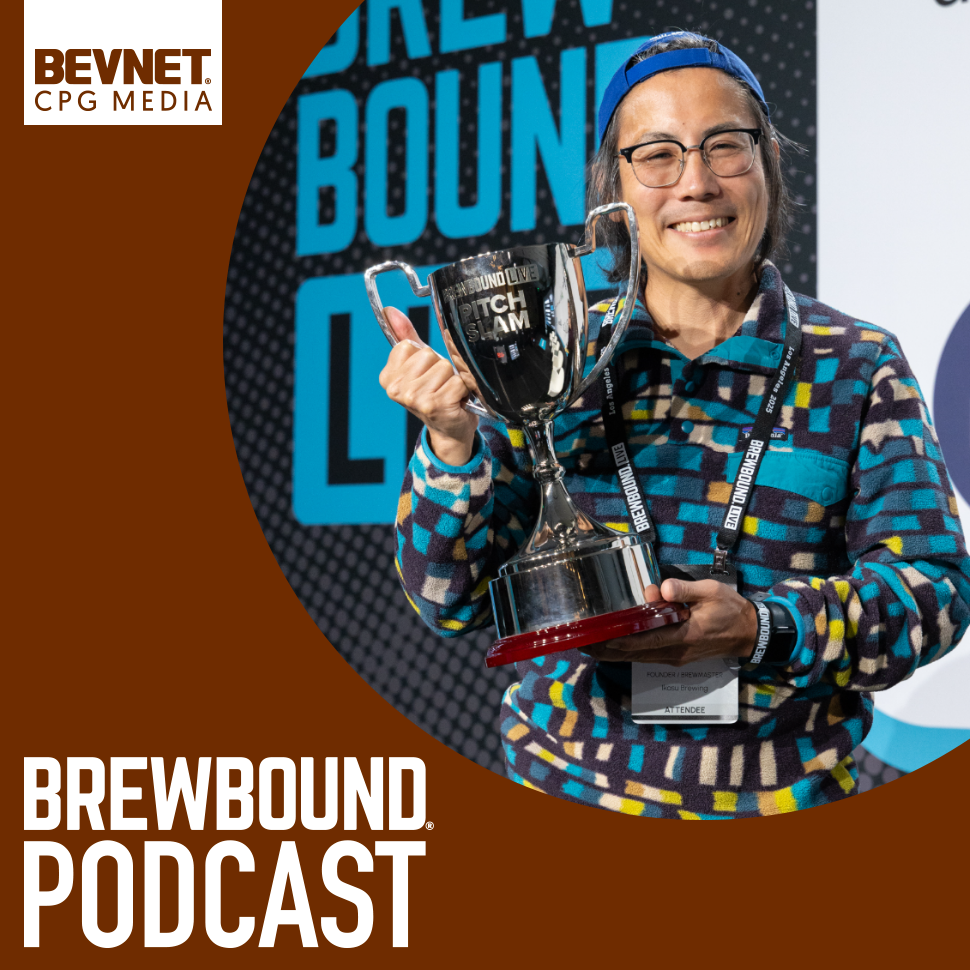
Innovation
April 16, 202637 mins
Ikasu Brewing Leans into ‘Weird,’ ‘Good Beer’ and Japanese Culinary Ingredients
Ikasu Brewing founder Masahiro “Masa” Kitano believes his Los Angeles-based, contract-brewed brand's plans to lean into “weird and good beer” that taps into Japanese culinary ingredients.Kitano’s history as a home brewer helped him craft out-of-the-ordinary beers, such as a matcha-infused gose.“It’s a sour beer with the aroma of matcha, but it doesn’t look green,” he said. “You smell it and it’s super unique. No one’s thought about combining sour beer with matcha.” Kitano’s beer, as well as his story of leaving a career as a medical researcher to chase his brewing dream, coupled with his infectious personality, propelled him to victory during Brewbound’s Pitch Slam competition at the 2025 Brewbound Live business conference last December.On this week’s Brewbound Podcast, Kitano shares an update on the business following the win and why he believes his pitch resonated.“I tried to make the pitch as simple as possible, a little bit stupid and a little be funny – magically it worked out,” he said. “I’m so glad that happened.”In the months since, the draft-only brand added several bar and restaurant accounts following the win and recently signed with L.A. Distributing Co., Kitano said. Ikasu continues to operate out of Los Angeles-based Native Son, where the brand has six taps dedicated to its beer. The relationship has helped Ikasu test new offerings and connect with a built-in audience. In this episode, Kitano goes deeper into his innovation process, as well as his aspirations for Ikasu, including plans to can Larigato, Ikasu’s Japanese rice lager, later this year for distribution.Before the conversation, the Brewbound team discusses craft beer’s 2025 production report released earlier this week by the Brewers Association. They dive into why Sierra Nevada leapfrogging Boston Beer as the No. 2 independent craft brewery by volume highlights the successes of one brewery and the shift in focus away from beer of the other.The trio also explore Mark Anthony Brands’ deal for the Finnish Long Drink, and which RTD dominos are left to fall/cash in.
Listen